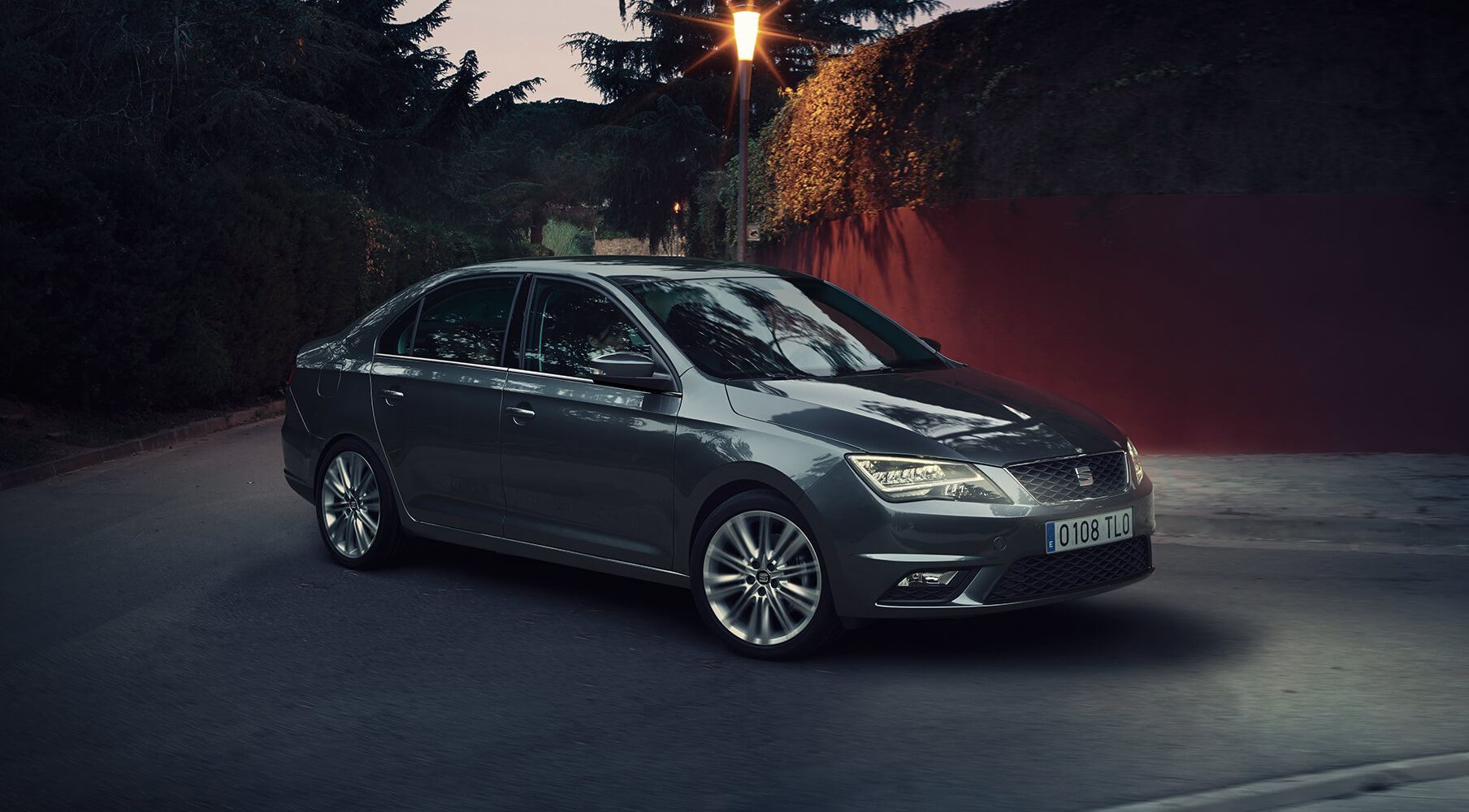
Europe has spent the past decade quietly dismantling the affordable family car. The estate has been squeezed out by SUVs, the hatchback has grown fat and expensive, and the traditional three-box saloon — the sedan — has been dismissed as a dying format. Yet while manufacturers chase margins in crossovers and electrify everything at a premium, SEAT has kept faith with a body style the rest of the continent abandoned. The SEAT León sedan, sold in select markets and closely related to its hatchback sibling, represents something increasingly rare: a genuinely affordable, practical, well-engineered family car that doesn't demand you remortgage your house.
The disappearance of the family sedan is not a story of consumer rejection. It is a story of manufacturer strategy. Crossovers command higher transaction prices for essentially the same mechanical package, so the industry followed the money. Ford killed the Mondeo. Volkswagen has let the Passat sedan wither in Europe. Opel and Citroën have pivoted hard toward SUVs. What remains is a market where a family wanting four doors, a boot, and a sensible monthly payment is nudged relentlessly toward a taller, thirstier, more expensive machine. SEAT has quietly refused to abandon that buyer entirely.
The Value Proposition Nobody Wants to Talk About
Part of what makes SEAT's position compelling is its place within the Volkswagen Group. The Spanish brand has always been the group's accessible, emotionally warmer proposition — the one that borrows proven mechanicals and wraps them in sharper design at a keener price. The León sedan inherits that philosophy wholesale. Underneath, it shares its MQB platform and much of its engineering with the Volkswagen Golf and Audi A3, which means the fundamentals are sound: solid crash structure, efficient turbocharged engines, and a chassis that actually engages the driver. What it doesn't share is the badge premium, and that is precisely the point.
In an era when a mid-spec compact crossover can comfortably breach the price of a well-equipped executive saloon from a decade ago, the SEAT León sedan stands out as value that hasn't been hollowed out. It offers a genuinely usable boot, real rear-seat space for adults, and running costs that won't punish a family on a budget. For buyers who don't need the ride height or the fashion statement, it is the rational choice — and rationality has become a radical act in the modern showroom.
The Irony of the Modern Showroom
There is an irony worth noting. The same week that headlines fixate on eight-seat supersized SUVs aimed at premium buyers and tiny two-seat city cars making a nostalgic return, the sensible middle ground — the affordable four-door family car — is being quietly deleted from European price lists. SEAT's continued commitment to the format, however modest in sales terms, matters. It preserves an option for the family that wants substance over size, efficiency over image, and a monthly payment that doesn't require a spreadsheet to justify.
This isn't nostalgia for its own sake. The modern SEAT León sedan is a thoroughly contemporary car, with the connectivity, safety assistance, and efficiency a 2020s buyer expects. Its appeal is not that it looks backward, but that it refuses to be complicit in the industry's slow abandonment of value. Where rivals have chased the crossover gold rush and left a gap, SEAT has held the line.
Why It Still Matters
For European families feeling priced out of their own garages, that quiet stubbornness is more than a marketing angle. It is the difference between a car you can afford and a car you can only admire from the forecourt. The sedan may be unfashionable, but as SEAT quietly demonstrates, unfashionable and affordable is a combination the market still desperately needs.