The electric sedan has become the industry's most telling scoreboard. Nearly every mainstream manufacturer in Europe has planted a flag in the segment—some with genuine ambition, others out of sheer competitive necessity. SEAT has planted nothing. The Barcelona-born marque, nearly seventy years into building accessible, characterful cars, is now Europe's last mainstream brand without a single electric four-door in its range or on its horizon. In a market that measures intent in silhouettes, it is a silence that speaks volumes.
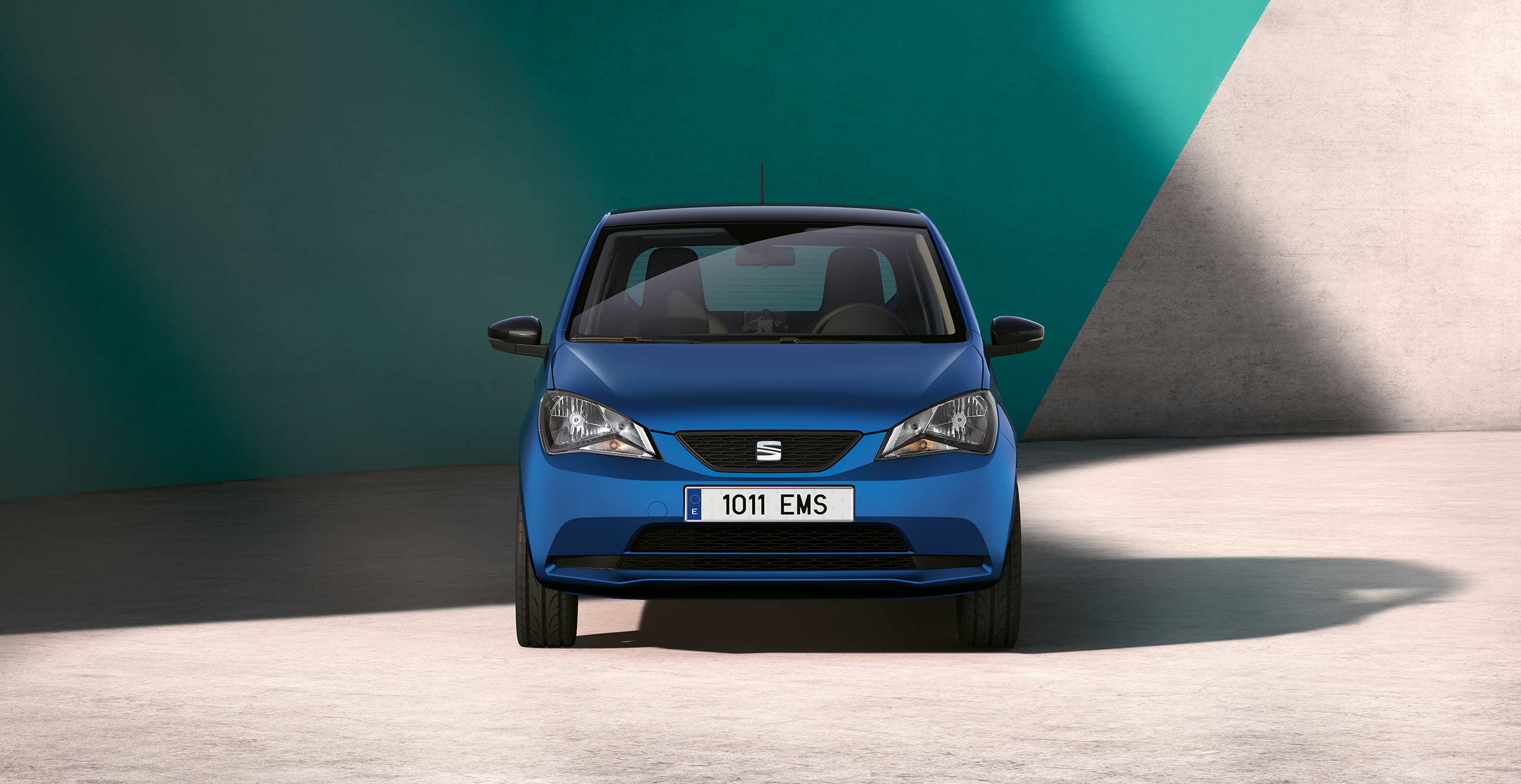
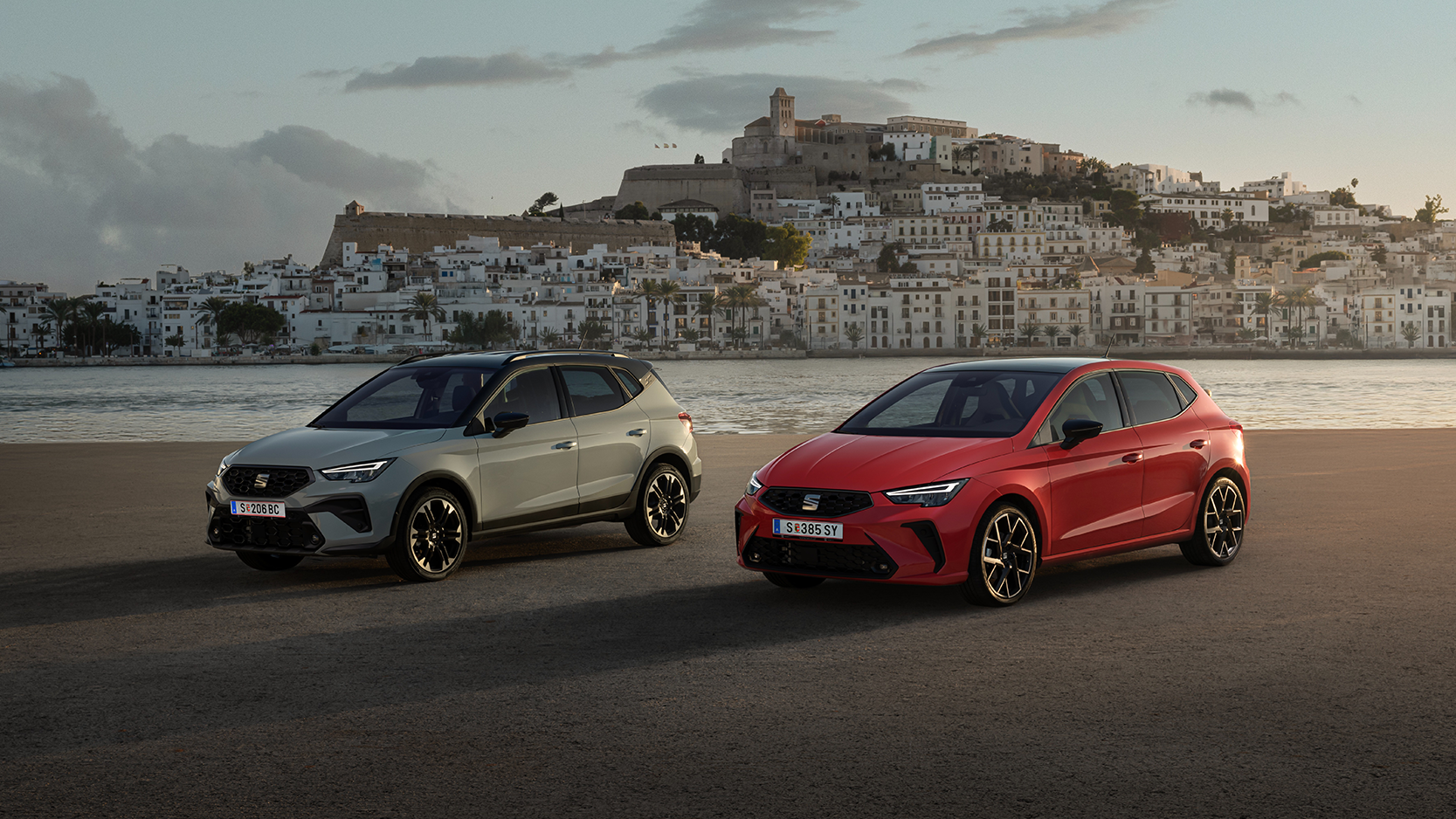
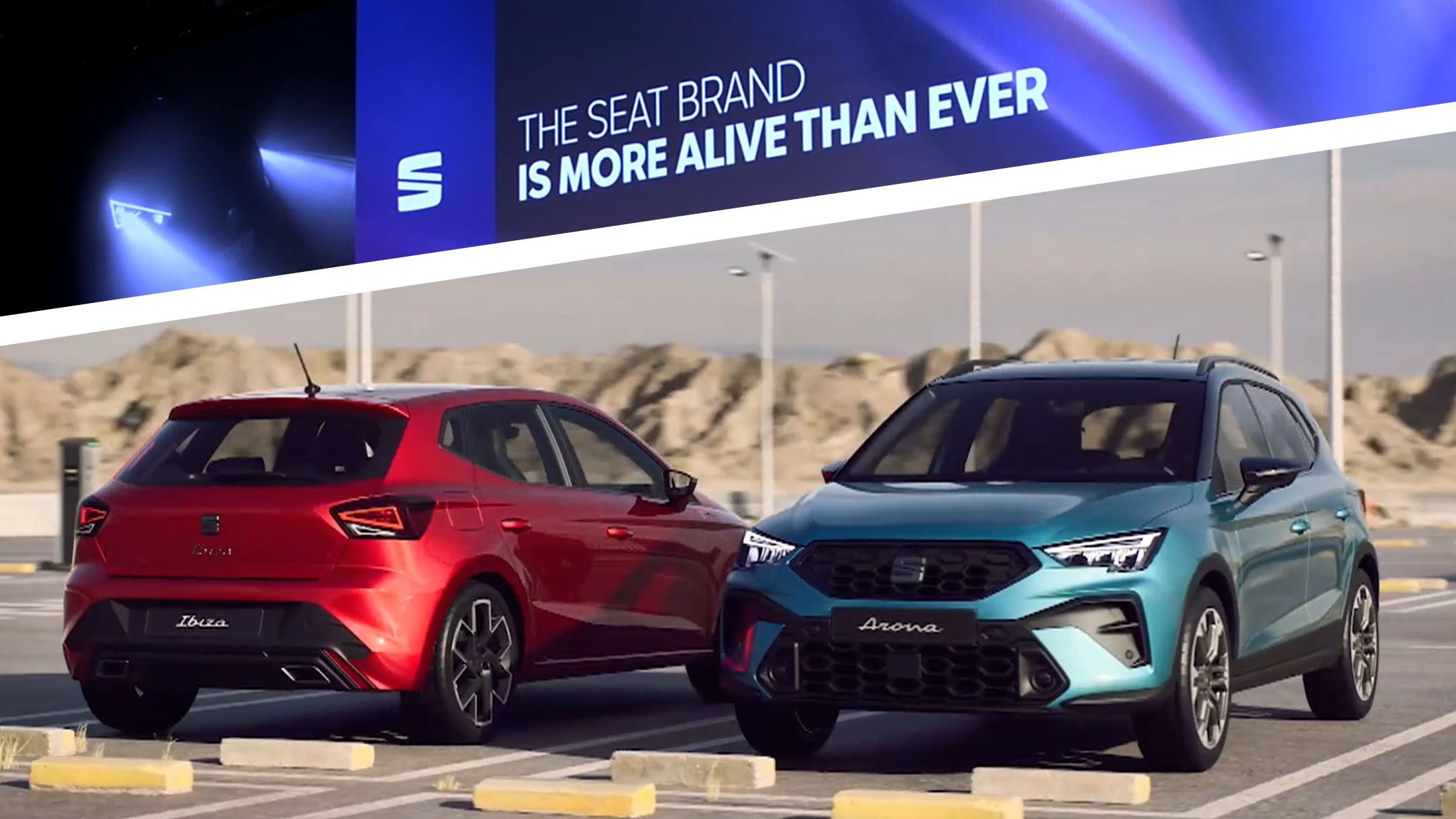
To understand how SEAT arrived at this crossroads, you have to look at what the brand once was within the Volkswagen Group. For decades, SEAT was Wolfsburg's spirited Mediterranean cousin—the marque that took German engineering and wrapped it in sharper styling and a more emotive chassis tune. The SEAT Exeo, a rebadged Audi A4 that arrived in 2008, was the brand's last serious swing at a conventional three-box saloon. It was sensible, well-built, and largely unwanted. Its quiet discontinuation in 2013 signalled the beginning of the end for SEAT's four-door ambitions. The SEAT Toledo had already blurred the line between saloon and hatchback, and its final generation faded from showrooms without a successor. From there, the lineup pivoted decisively toward hatchbacks and crossovers—the Ibiza, the Leon, the Arona, the Ateca—leaving the saloon segment to its siblings.
The Cupra Calculus
That retreat might have been unremarkable were it not for the group politics swirling around it. The Volkswagen Group has always dictated which brand occupies which rung on the ladder, and the arrival of Cupra as a standalone marque in 2018 fundamentally altered the equation. Cupra was handed the electrification mandate, the performance halo, and the premium positioning. SEAT was left to consolidate its role as the group's value-oriented, combustion-focused entry point for markets like Spain, Portugal, and Mexico.
The evidence is stacked neatly in Cupra's column. The Cupra Born arrived as an electric hatchback. The Cupra Tavascan followed as an electric SUV. SEAT's own electric ambitions—once hinted at with concepts like the el-Born—were quietly absorbed into Cupra's portfolio. The message from Martorell was unmistakable: SEAT would not be building the group's electric saloons. It would not be building any electric saloons at all.
An Empty Space in a Crowded Segment
What makes this absence so striking is that the mainstream electric sedan has become a genuine commercial battleground. Tesla proved the format's viability with the Model 3, and the response from legacy manufacturers has been swift and comprehensive. Volkswagen has the ID.7. Hyundai has the Ioniq 6. BMW has the i4. Polestar has the 2. Even BYD, the Chinese juggernaut, has made the electric saloon a cornerstone of its European expansion.
In this company, SEAT's empty space is conspicuous. It suggests either remarkable strategic discipline—a refusal to chase a segment that may not suit the brand's core customers—or a quiet surrender of ambition. The truth, as is often the case, likely sits somewhere in between.
The Logic of Retreat
There is, of course, a defensible logic to SEAT's position. The saloon segment has been shrinking across Europe for years, ceding ground to crossovers and SUVs at every price point. The SEAT Leon, a hatchback that occupies the same footprint as many compact saloons, remains the brand's volume leader. The Ateca and Arona have proven far more commercially potent than any four-door could hope to be. Why invest billions in developing an electric saloon for a brand whose customers have demonstrably chosen hatchbacks and SUVs?
The answer, perhaps, is that SEAT isn't refusing to build an electric four-door because nobody wants one. It isn't building one because Cupra is already doing so—and because the group has decided that SEAT's future lies elsewhere.
Yet the silence still carries a cost. For enthusiasts of the brand, the absence of an electric saloon represents a kind of philosophical retreat—a concession that SEAT's days of pushing boundaries and defining its own identity are behind it. The company that once gave us the SEAT 600, the car that mobilised a nation, and the SEAT Leon Cupra, a hot hatch that embarrassed far more expensive machinery, now finds itself as the group's quiet custodian of value motoring.
That is not a dishonourable role. But it is a diminished one. SEAT built its reputation on the idea that everyday cars could still carry genuine character—that a humble hatchback could put a grin on your face on the right road. The electric era has not erased that philosophy; it has simply relocated it, badge by badge, to Cupra. And as the industry accelerates toward a zero-emission future, SEAT's empty space in the four-door segment serves as a reminder that even the most storied brands must sometimes choose between fighting for a future and accepting the one they are given.