The headlines out of Spain this month read less like automotive news and more like a vigil. Unions, regional politicians, and industry analysts have all sounded the alarm over reports that Volkswagen Group is weighing an end to the SEAT brand, and the anxiety is understandable. For nearly seventy years, SEAT has been Catalonia's industrial beating heart, and for British and European buyers it has served as the sensible, slightly spicier alternative to a Volkswagen or a Skoda. But if the rumours harden into a decision, the consequences will not be felt in press releases and union halls alone. They will be felt on driveways, in dealer forecourts, and in the resale values of every car the brand has on the road today.
The logic behind a potential shutdown is brutally simple. Volkswagen Group now owns a crowded portfolio of volume brands, and several of them overlap. Cupra, spun out of SEAT in 2018, has become the group's darling: it sells the same underpinnings with sharper styling, a younger image, and crucially, healthier margins. SEAT, by contrast, has spent the past decade being gradually starved of new product.
The Leon, the Ibiza, and a Lineup Running on Fumes
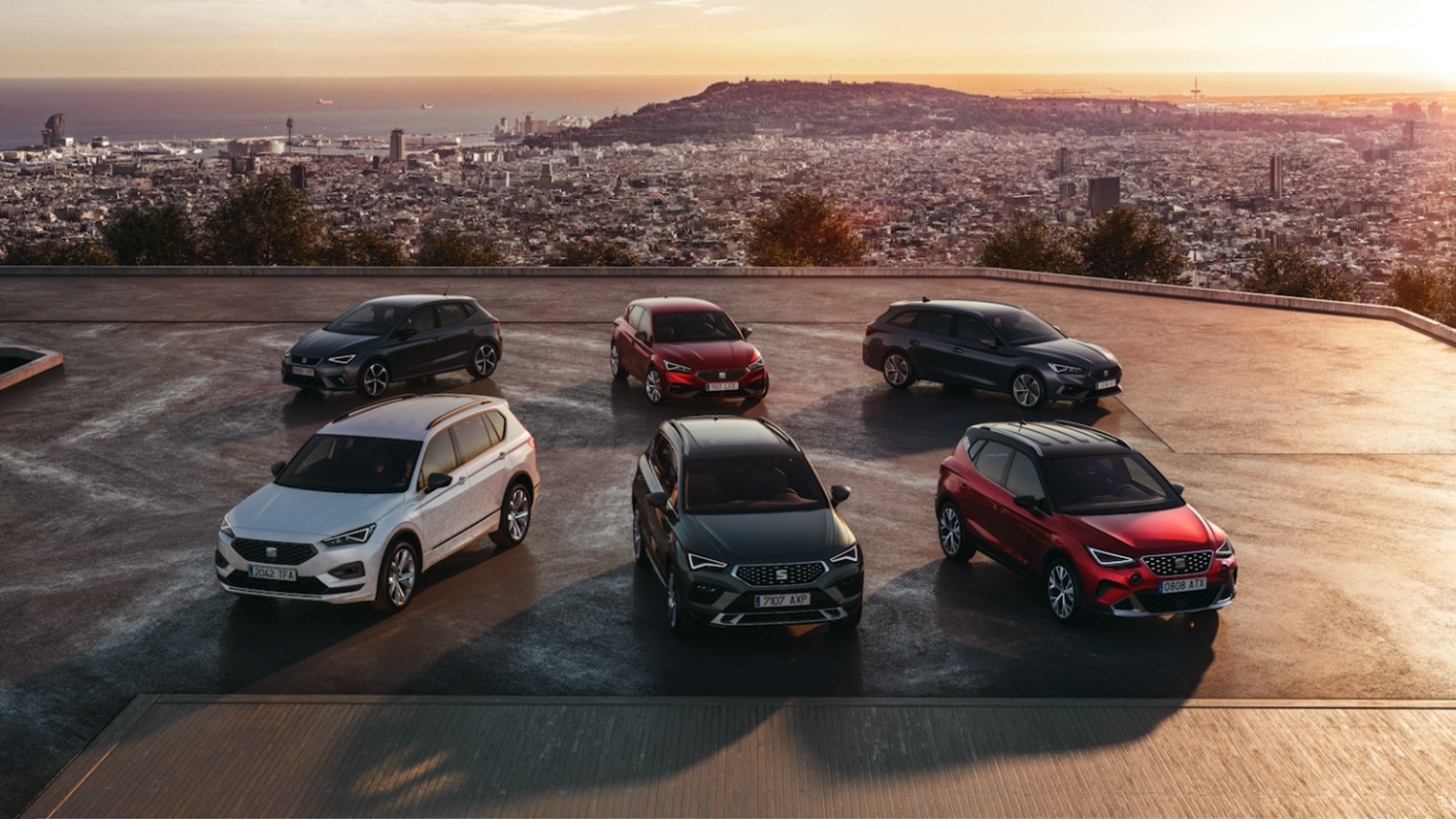
The Leon, once the brand's dynamic calling card, now competes in a hatchback segment in steep decline. The Ibiza supermini endures, but it faces the same regulatory squeeze that has already killed off several of its rivals. And the saloon-shaped heartland — the territory of the SEAT Exeo, the Toledo, and the volume sedans that once defined the brand's value proposition — has been allowed to wither almost entirely.
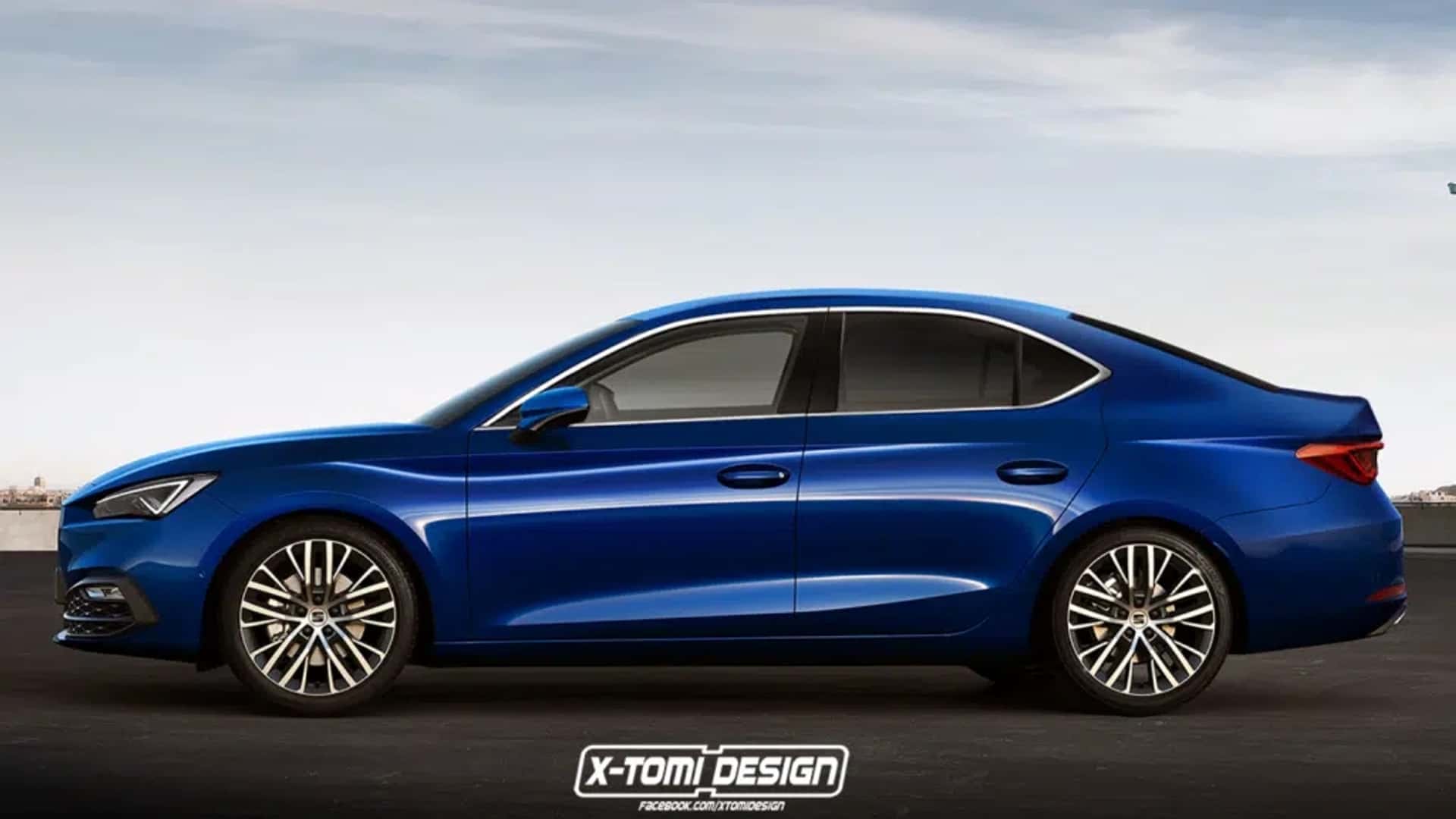
That is the crux of the buyer's dilemma. SEAT's sedan story is already effectively over. The Exeo, a rebadged previous-generation Audi A4, was the last genuinely credible four-door the brand sold in meaningful numbers, and it disappeared from showrooms more than a decade ago. The Toledo nameplate was revived as a curious liftback-SUV hybrid and then quietly retired. What remains is a lineup built almost entirely around hatchbacks and crossovers, with the sedan-shaped gap filled by Cupra and by the group's other marques. So the rumoured shutdown would not so much kill SEAT's sedans as formally acknowledge a death that has already occurred.
What the Rumour Mill Does to Your Resale Value
For existing owners, the practical fallout arrives in three waves. The first is depreciation. Any whiff of a brand winding down accelerates value loss long before the final car leaves the line, because the used market prices in uncertainty. A SEAT Leon bought new today could shed thousands more than an equivalent Volkswagen Golf over the next three years, purely on the strength of the rumour mill. The second is servicing and parts. Volkswagen Group's platform sharing is SEAT's insurance policy here: mechanical components are shared so widely across MQB-based models that independent garages will be able to keep these cars running for years. The risk sits with trim, body panels, and badging, where supply chains are brand-specific and can dry up quickly once a factory winds down.
The third wave is the one buyers should weigh most carefully: what replaces SEAT. The group's answer is plainly Cupra, which already offers a fastback in the shape of the Cupra Leon and a crossover-coupe in the Formentor. Anyone who wanted a sensible Spanish sedan will instead be steered toward a sportier, more expensive, and more aggressively styled alternative. That is a deliberate repositioning, not an accident, and it tells you exactly where Volkswagen believes the money is.
The Verdict for Anyone Shopping in This Orbit
The honest reading for anyone shopping in this orbit is that SEAT's sedan future is no future at all — it is a slow, managed retreat dressed up as brand strategy. Buyers who value the marque's understated value-for-money formula should act with their eyes open, securing generous discounts while they exist and factoring in weaker residuals down the line. Those who simply want the engineering without the badge anxiety can look to Skoda, which occupies the same group slot with a far more secure mandate.
SEAT gave generations of drivers a smarter way into Volkswagen hardware. The tragedy of its possible demise is that the group appears to have decided that particular job is now done.