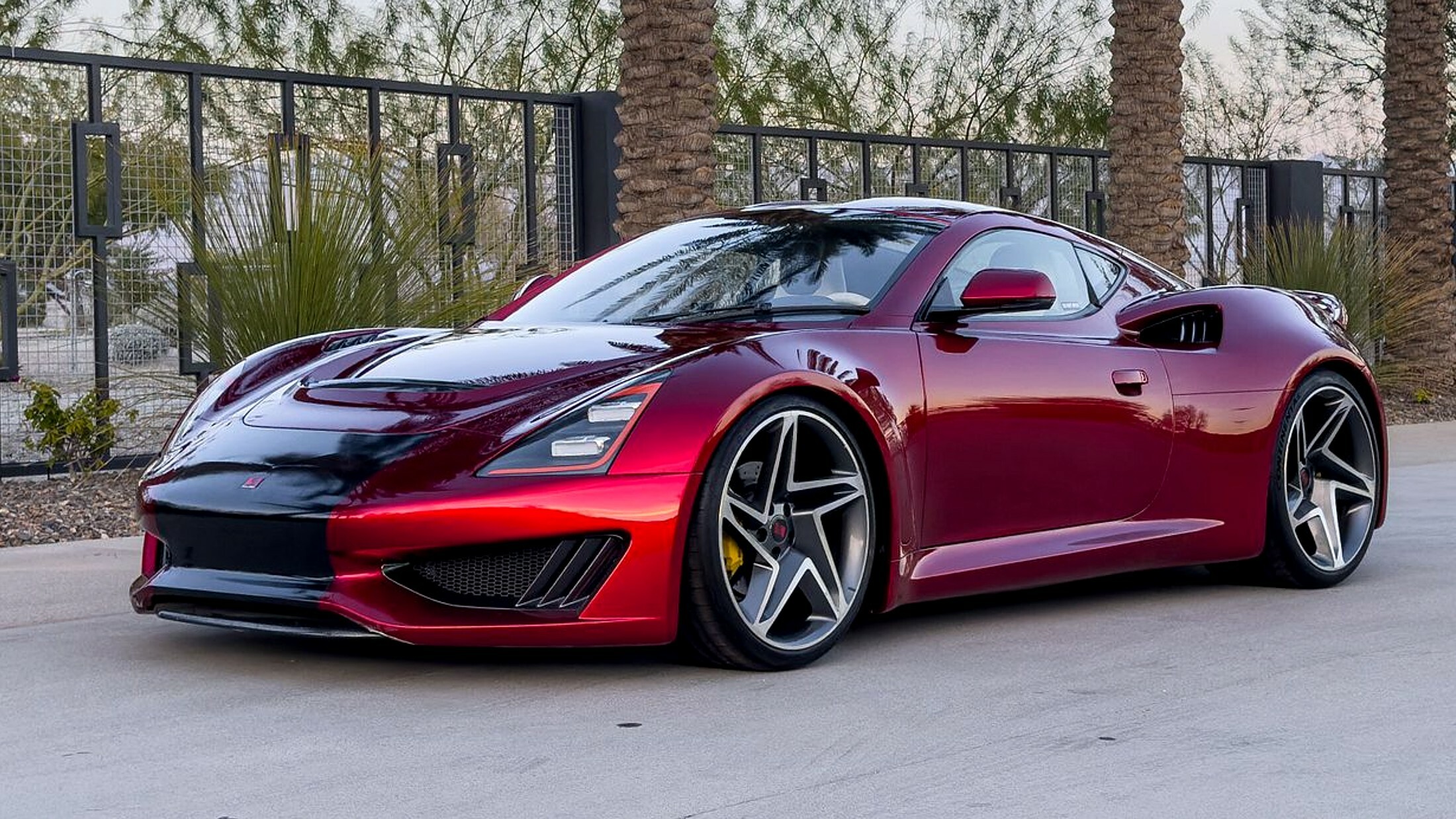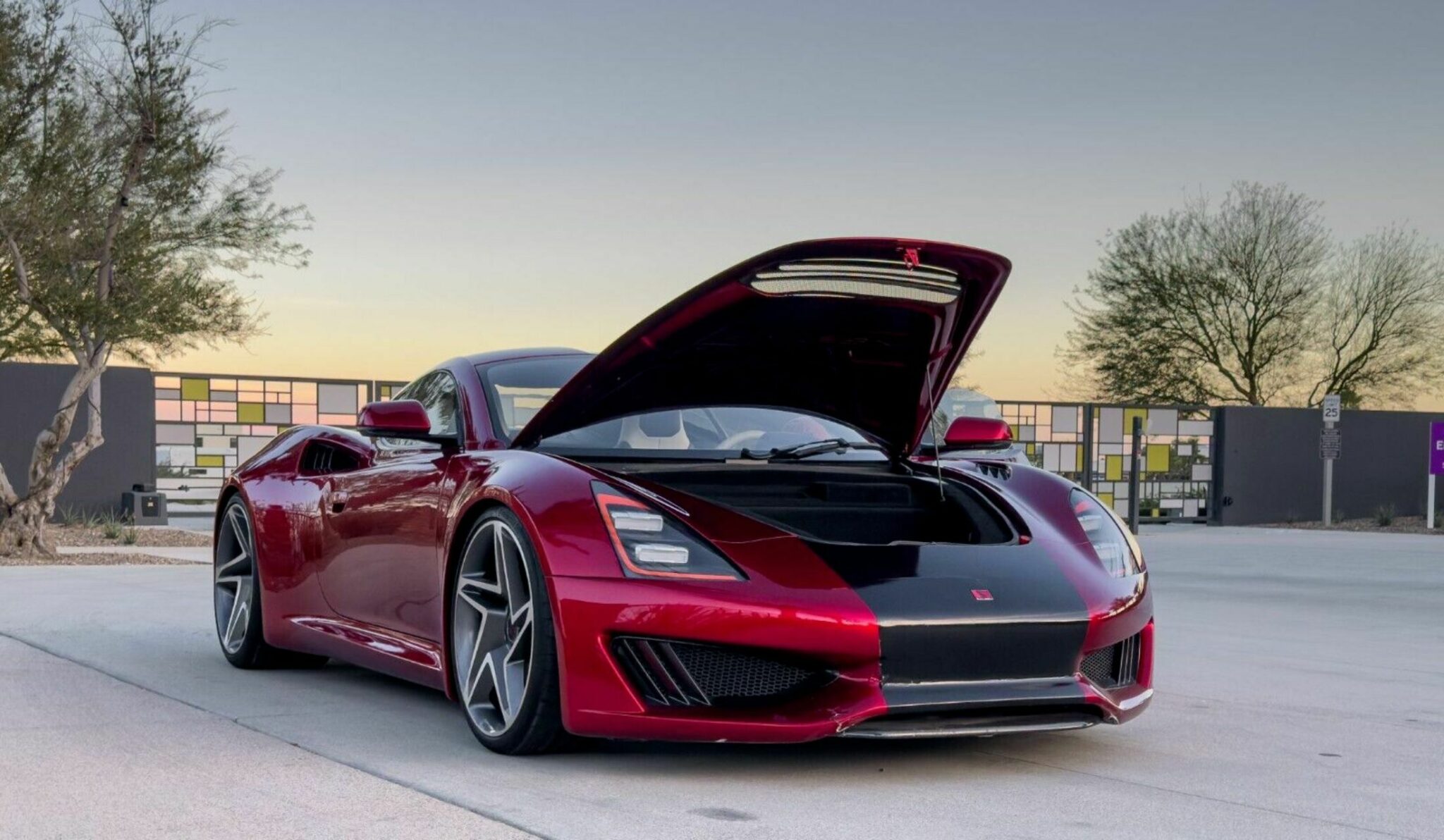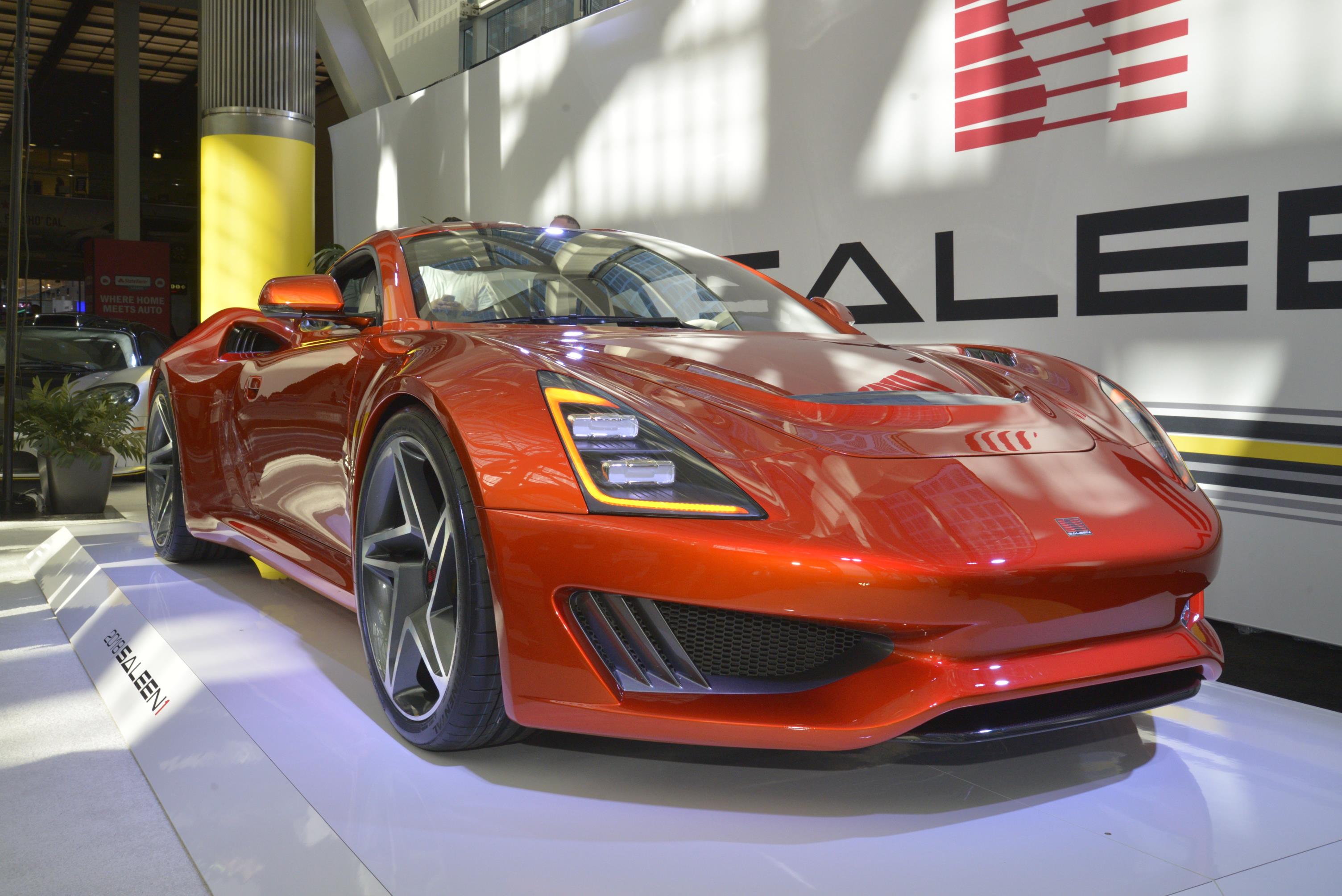
Nine years is a long time in the automotive world. Long enough for an entire model generation to be designed, engineered, built, facelifted, and quietly discontinued. Long enough for a startup electric brand to rise, stumble, and vanish into the footnotes. And, apparently, long enough for Saleen to finally open the order books on a car it first showed the world in 2017. The Saleen S1 was meant to be the company's triumphant return to building complete, from-the-ground-up sports cars—a mid-engine missile aimed squarely at the established order. Instead, it became something else entirely: a case study in how a supercar promise curdles into a cautionary tale.
When the S1 debuted, the pitch was intoxicating. A lightweight, mid-engine coupe with a turbocharged four-cylinder making a claimed 450 horsepower, wrapped in sharp, modern bodywork and backed by the name of the man who once built some of the most feared Mustangs in America. The projected price hovered around the $100,000 mark, and deliveries were promised within a couple of years. Enthusiasts, hungry for an American alternative to the European mid-engine hierarchy, took notice.
The problem is that they kept taking notice—year after year—as the car remained stubbornly vaporware.
A Good Idea, Badly Executed
That is the crux of the betrayal. The S1 was never a bad idea. It was a good idea that the company could not, or would not, execute on schedule. Deposits were taken, then quietly refunded or placed on indefinite hold. Timelines slipped. Announcements replaced achievements. Through it all, the automotive press dutifully reported each new promise, each new "soon," with a mixture of hope and growing skepticism. Nine years later, the news that order books are finally open should feel like vindication. Instead, it lands with a thud, because the context has changed so dramatically.
The Price Is the Problem
The most damning detail is not the delay itself. It is the price.
The Saleen S1 is now being positioned with an asking figure that reportedly sits tens of thousands of dollars above a Lotus Emira—a car that actually exists, that you can actually buy, and that was engineered by a company with a genuine, unbroken lineage of mid-engine sports cars. One outlet noted the S1 now commands roughly $47,000 more than an Emira, while another framed the cost as Corvette Z06 money.
That is a catastrophic own goal. The S1's original appeal was value: exotic layout and performance for less than the established players. By letting nine years elapse, Saleen allowed its own car to become the overpriced outsider, undercut on credibility by every rival that bothered to show up.
Showing Up Is the Whole Game
And showing up, it turns out, is the entire game. A supercar is not merely a spec sheet; it is a promise of existence. When a company asks for a deposit, it is asking for trust. Every missed deadline spends a little of that trust, and after nearly a decade, Saleen's account appears overdrawn.
The reports accompanying this latest announcement are telling: order books open, but still no firm delivery date. That single phrase undoes the entire press release. Opening reservations without a committed production timeline is not a launch; it is a request for another round of blind faith from a customer base that has already been asked to believe for nine years.
Ambition Without Discipline
There is a broader lesson here about the difference between engineering ambition and institutional discipline. Building a low-volume supercar is brutally hard: supply chains, homologation, capital, and manufacturing tolerances all conspire against dreamers. The companies that survive this gauntlet are rarely the ones with the most exciting press conferences. They are the ones that quietly hit their dates.
Saleen has the heritage and, on paper, the hardware. What it has never convincingly demonstrated with the S1 is the boring, unglamorous competence of simply delivering.
The tragedy is that the car might genuinely be good. A 450-horsepower, lightweight American mid-engine coupe is a wonderful thing to contemplate. But contemplation is all Saleen has offered for the better part of a decade, and the market has moved on without it. The S1 is no longer a bargain disruptor; it is an expensive question mark.
Until a customer takes delivery, posts a photo, and turns a key, the nine-year wait remains what it has always been: a promise, not a product. In this business, that distinction is everything.