Saleen Automotive has never been a company that does things quietly. This month, the California marque is proving that in two completely opposite directions at once. It's sending its very first Big Oly Edition Bronco prototype across the block at Mecum Nashville — a machine that channels the off-road legend Parnelli Jones made famous and dresses it in Saleen's signature visual aggression. At the same time, it's asking ordinary enthusiasts to hand over as little as $500 to fund a supercar it promised years ago and still hasn't delivered.
It's a strange pairing of headlines, and together they tell the story of a company that remains fascinating precisely because it refuses to play by the established rules of the performance industry. One story is about heritage. The other is about survival. Both are pure Saleen.
The Big Oly Bronco Is Steve Saleen at His Best
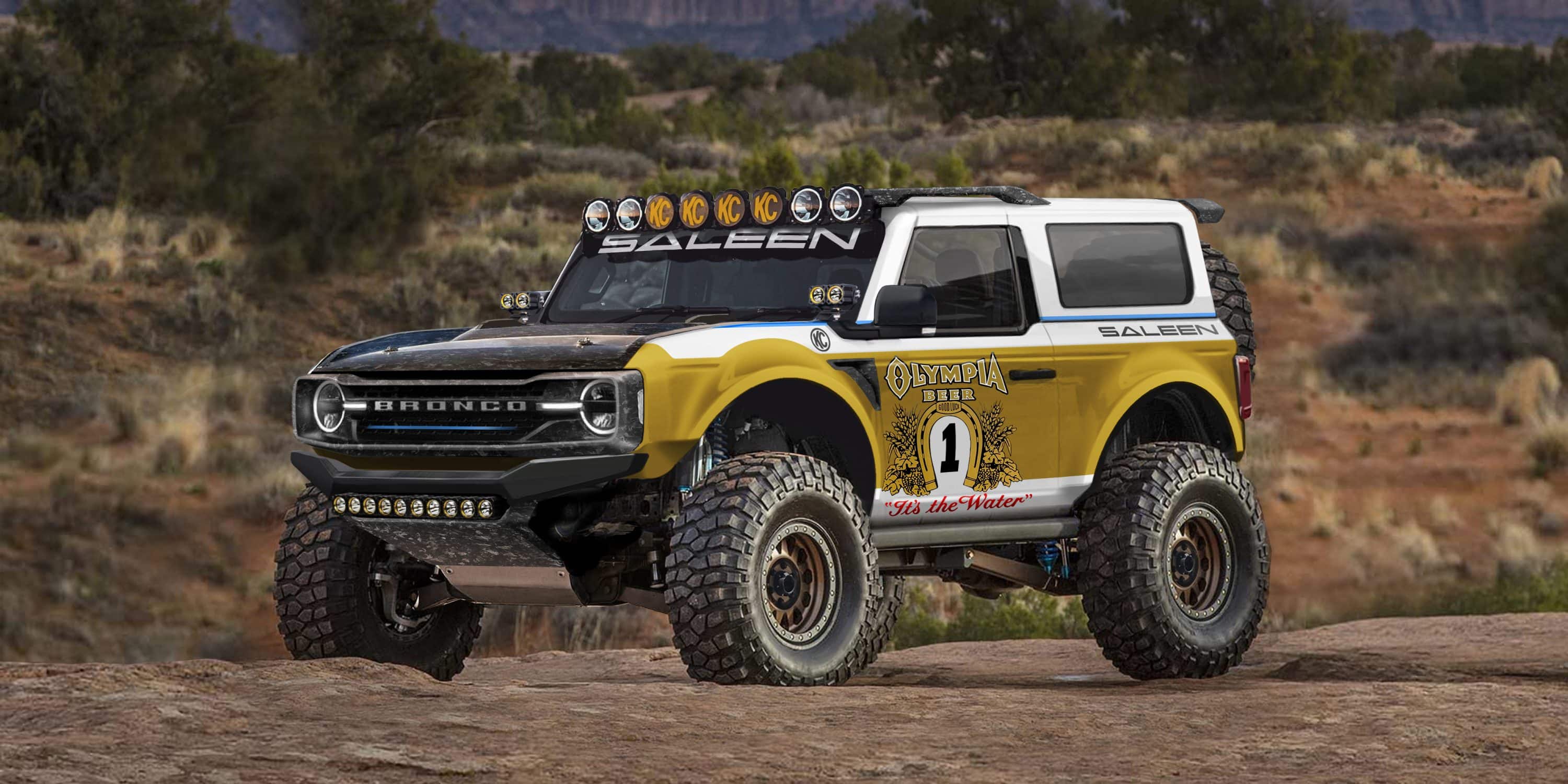
The Big Oly Bronco is the kind of vehicle Steve Saleen has always built best: a production platform transformed into something with genuine presence. Inspired by the original 1971 Baja 1000-winning Bronco, this prototype wears a towering rear wing, flared bodywork, and a livery that borrows straight from the golden age of American off-road racing. It looks less like a showroom truck and more like something that escaped a desert stage and never looked back.
That it's the first example — the genesis car for the entire edition — matters enormously to collectors. Prototypes carry provenance that production units can never replicate. They're the ones that appeared in the press photos, the ones that sat on the stand at the reveal, the ones with the story attached. Mecum's Nashville stage has become a reliable venue for vehicles with exactly this kind of narrative, and for Saleen loyalists, this is a chance to own a piece of the brand's modern off-road chapter before the chapter has even fully been written.
A Supercar Dream That Still Needs Funding
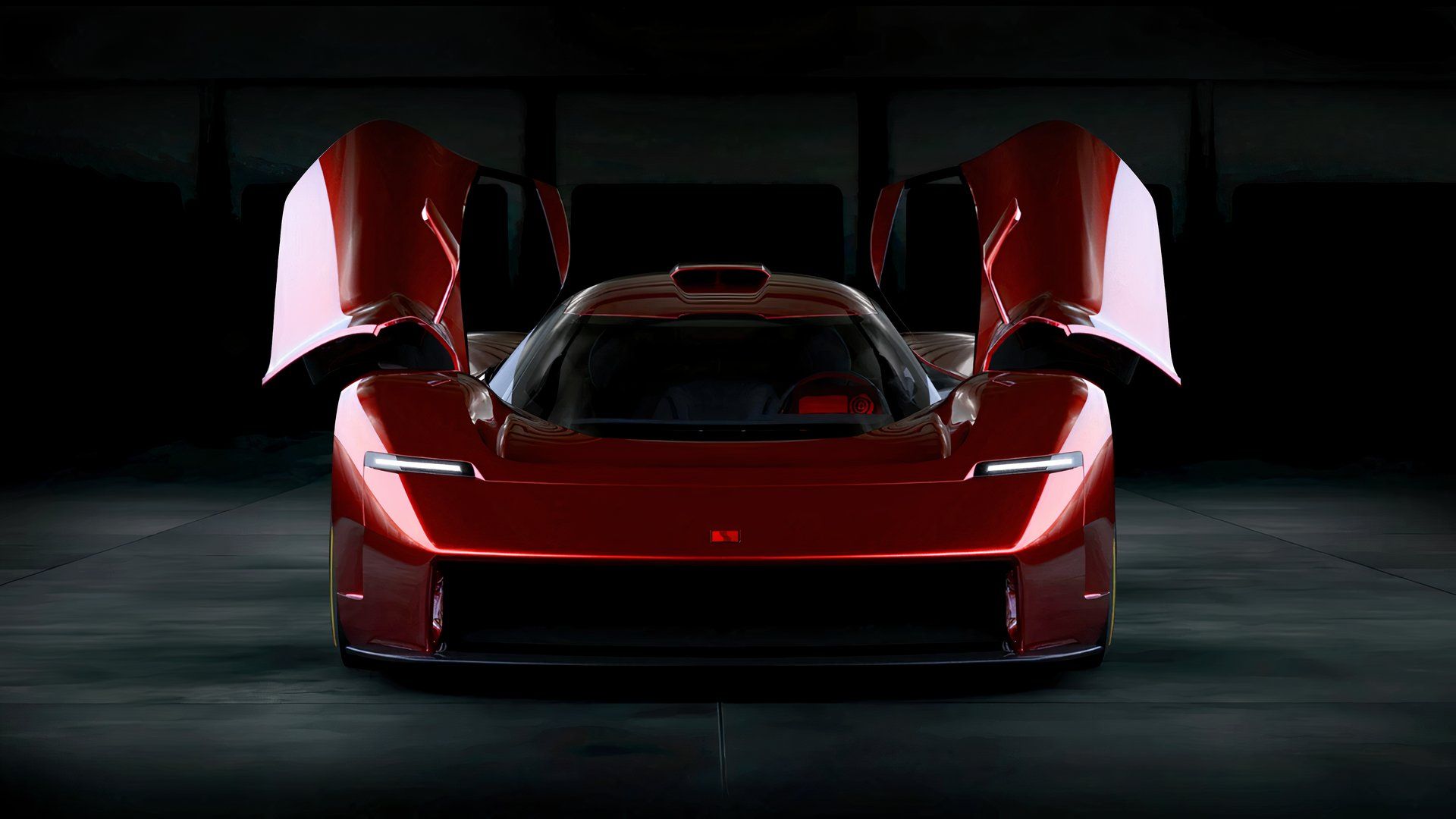
Yet the Bronco's auction appearance lands against a far more uncomfortable backdrop. Saleen has spent recent months soliciting public investment to revive the supercar program it has dangled before enthusiasts for years — most notably the S7 successor that has existed largely as renderings and promises. The pitch is unusual: rather than courting a single deep-pocketed backer, Saleen is offering ownership stakes to fans at a remarkably low entry point.
The framing across the automotive press has been blunt, with outlets openly asking whether the company is seeking investors or seeking rescue. When a marque of Saleen's pedigree has to pass the hat to the very enthusiasts it sells cars to, it raises legitimate questions about the health of the business behind the badge. Crowdfunding a supercar is not a strategy you reach for when everything is going according to plan.
The S7 Remains the Ghost in the Room
There's an irony worth sitting with. The S7, particularly in its Le Mans-derived LM specification, remains one of the great American supercars of the modern era — a genuine mid-engine machine that raced at the highest level and still turns heads whenever one surfaces. A rare example has recently drawn attention on the collector circuit, and sightings of the car once owned by Paul Walker continue to circulate online. The S7 proved Saleen could build at the very top of the market.
That the company now struggles to finance its follow-up is not a reflection of engineering ambition. It's a reflection of the brutal economics of low-volume supercar manufacturing, where tooling, homologation, and powertrain development demand capital that even established players struggle to raise. Building a supercar is expensive. Building one as a small independent with a famous name and a modest balance sheet is close to impossible. Saleen knows this better than anyone.
Heritage and Hustle, Side by Side
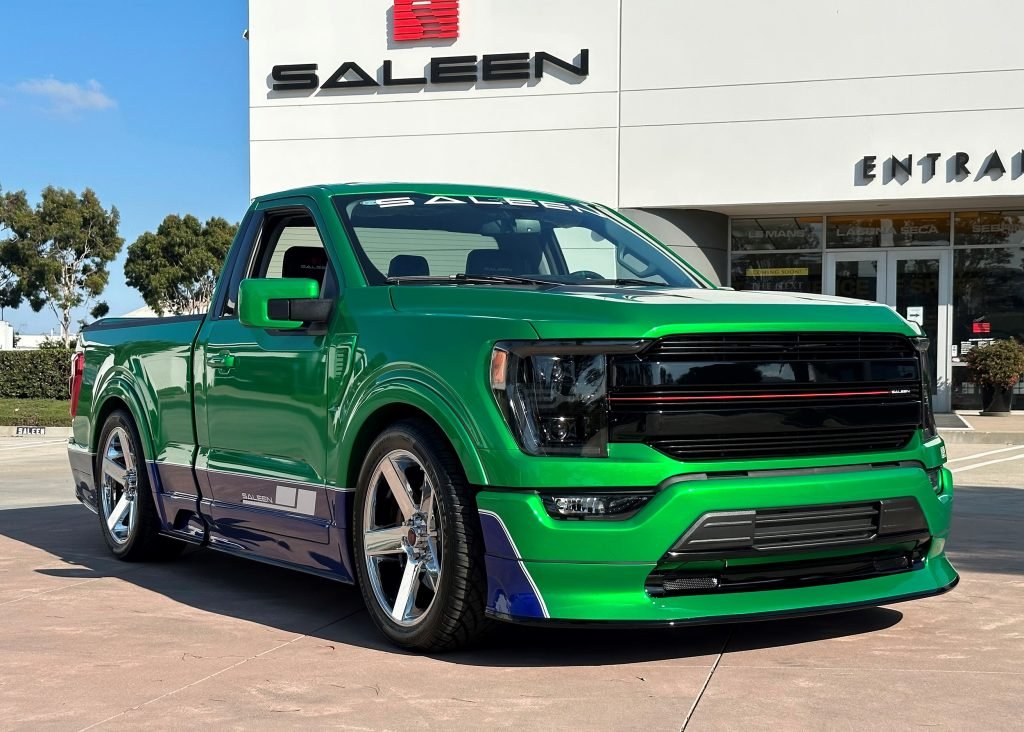
What makes Saleen compelling — and what keeps the press returning to it — is this tension between heritage and hustle. The brand can still conjure a Big Oly Bronco that makes people stop scrolling. It still produces Mustangs that carry genuine attitude. It still trades on a name that means something on both the street and the track. But the crowdfunding push suggests a company operating close to the edge, betting that its community will fund the future its balance sheet cannot.
Whether that bet pays off will determine whether Saleen's next chapter is written in showrooms or in auction catalogs alone. For now, the auction block and the investment portal sit side by side, each telling a very different story about the same ambitious name. That duality has always been the Saleen way — audacity first, answers later.