There is a particular kind of dissonance in watching a marque that once built a 248-mph American hypercar ask its fans for the price of a used set of tires. Yet that is precisely where Saleen finds itself in 2025, soliciting ownership stakes starting at $500 to fund a new American supercar — the same machine it first promised in 2023 and has yet to deliver. For a company whose S7 Twin Turbo once traded blows with the Ferrari Enzo and the Porsche Carrera GT, the optics are brutal. But optics, as Steve Saleen has spent four decades proving, are rarely the whole story.
The Car That Made the Case
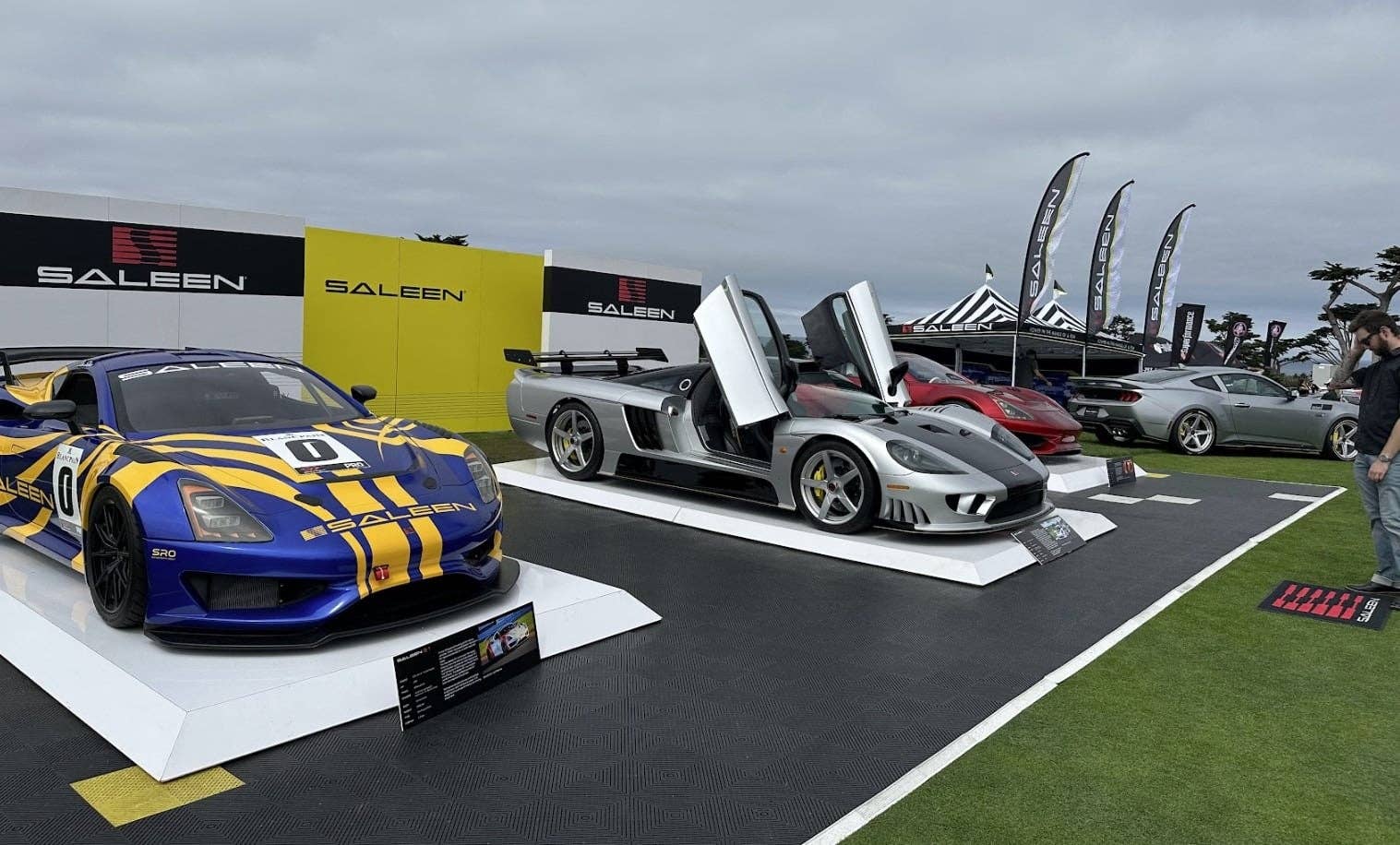
Recall what the S7 actually was. Born in 2000 from a clean-sheet design co-developed with Ray Mallock Ltd., it was the rare American mid-engine exotic that didn't apologize for itself. By 2005, the S7 Twin Turbo was producing 750 horsepower, dispatching 0-60 in roughly 2.8 seconds and topping out north of 240 mph. It won its class at Le Mans. It starred in *Bruce Almighty*. It was, briefly, the most credible supercar America had ever built — and it was built by a man whose day job was tuning Mustangs.
The S7 LM, a 1-of-3 homologation special that surfaced on duPont REGISTRY Live, remains the ultimate expression of that ambition, a seven-figure artifact of a moment when Saleen genuinely belonged in the conversation. That conversation has since grown crowded and expensive. The current market rewards provenance and patience — see the 2004 Saleen S7 Twin Turbo crossing blocks, or the 1989 Saleen LX formerly owned by Ford CEO Jim Farley drawing auction attention not for its speed but for its story.
The Crowded Room Saleen Built
Meanwhile, the modern Mustang landscape Saleen helped define now includes the Mustang GTD, a factory-built, $300,000-plus homologation monster that does everything Saleen's modified Mustangs once did, only with Ford's warranty and Ford's balance sheet behind it. The Saleen Terminator, an ultra-rare S197-era special, now invites the question: would you buy it, or the GTD? That question didn't exist a decade ago. It exists now because the OEMs absorbed Saleen's playbook.
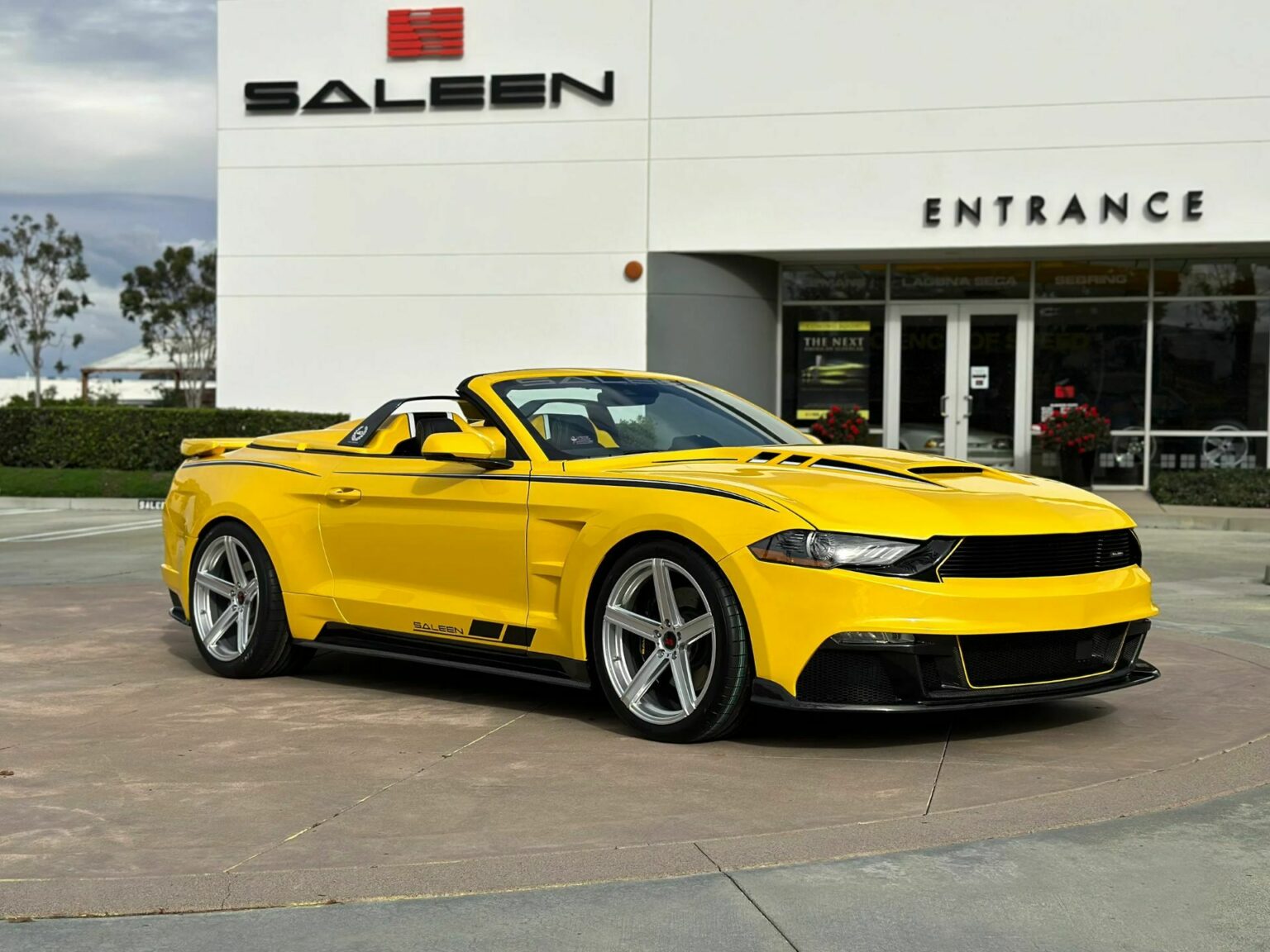
So the crowdfunding campaign reads less like a capital strategy and more like a referendum. $500 buys you a stake, not a car — a distinction that has drawn understandable skepticism from outlets like Carscoops and Motor1, who note the 2023 supercar promise remains unfulfilled. Yet the same company still turns out widebody Mustangs that the Detroit Free Press photographs and SEMA renders that autoevolution covers, and a Ford F-150 S331 Saleen SuperCrew still commands Pick of the Day treatment from ClassicCars.com. The brand is not dead. It is, more precisely, leveraged — against its own mythology.
Doing More With Less, Again
The uncomfortable arithmetic is this: Saleen built its reputation on doing more with less, on taking a donor chassis and extracting performance the factory wouldn't sanction. Crowdfunding is that same philosophy applied to corporate finance. Whether it's visionary or desperate depends entirely on whether a supercar actually arrives. If it does, the $500 stake becomes a bargain and the S7 legacy extends. If it doesn't, the S7 becomes the answer to a trivia question about a company that once beat Ferrari at Le Mans and later passed a hat around the internet.
Steve Saleen has been counted out before — after losing the company, after buying it back, after every cycle of boom and near-bust. The S7 was proof that the improbable was possible. The question now is whether a $500 crowdfunding round can fund the sequel, or whether it simply marks the moment the legend outgrew the ledger. Either way, the S7's shadow has never loomed larger over the brand that built it.