For two decades, the joint venture was the engine of China’s automotive miracle—foreign engineering, domestic scale, and a market hungry for four wheels. But as the electric storm swept through, that formula looked as dated as a cassette tape in a Tesla. Legacy partnerships stumbled, startups sprinted. Yet just as the obituaries were being written, SAIC Motor is proving the old alliance model isn’t dead. It’s being re-engineered, recalibrated, and pointed squarely at the one battlefield the EV disruptors haven’t conquered: the mainstream sedan. While the market drowns in electric SUVs and crossovers, the premium and mid-size electric sedan remains a proving ground of taste, tech, and driving dynamics. And SAIC, with a recharged handshake with General Motors, is betting it has the key.
This isn’t a story of a giant resting on its laurels. SAIC just rolled its 100 millionth vehicle off the line—a first for any Chinese automaker—and the numbers behind it tell a tale of strategic recalibration. First-half revenue held steady, but net profit dipped 14%. Headline-grabbing? Maybe. Misleading? Absolutely. Dig into the ledger and gross profit jumped by over 10 billion yuan, powered by self-owned brands that now account for a staggering 70% of sales. This is a company shifting its profit engine from legacy JV margins to indigenous innovation and global ambition. August sales dipped roughly 2%, but that’s a ripple in a year where cumulative deliveries hit 2.74 million units, with new energy vehicles and overseas shipments surging as the real growth horses. Add a new strategic partnership with Lockton to underpin global expansion, and you see a company that’s no longer a domestic titan—it’s building the logistics and insurance skeleton of a true multinational.
The Old Playbook, Rewritten
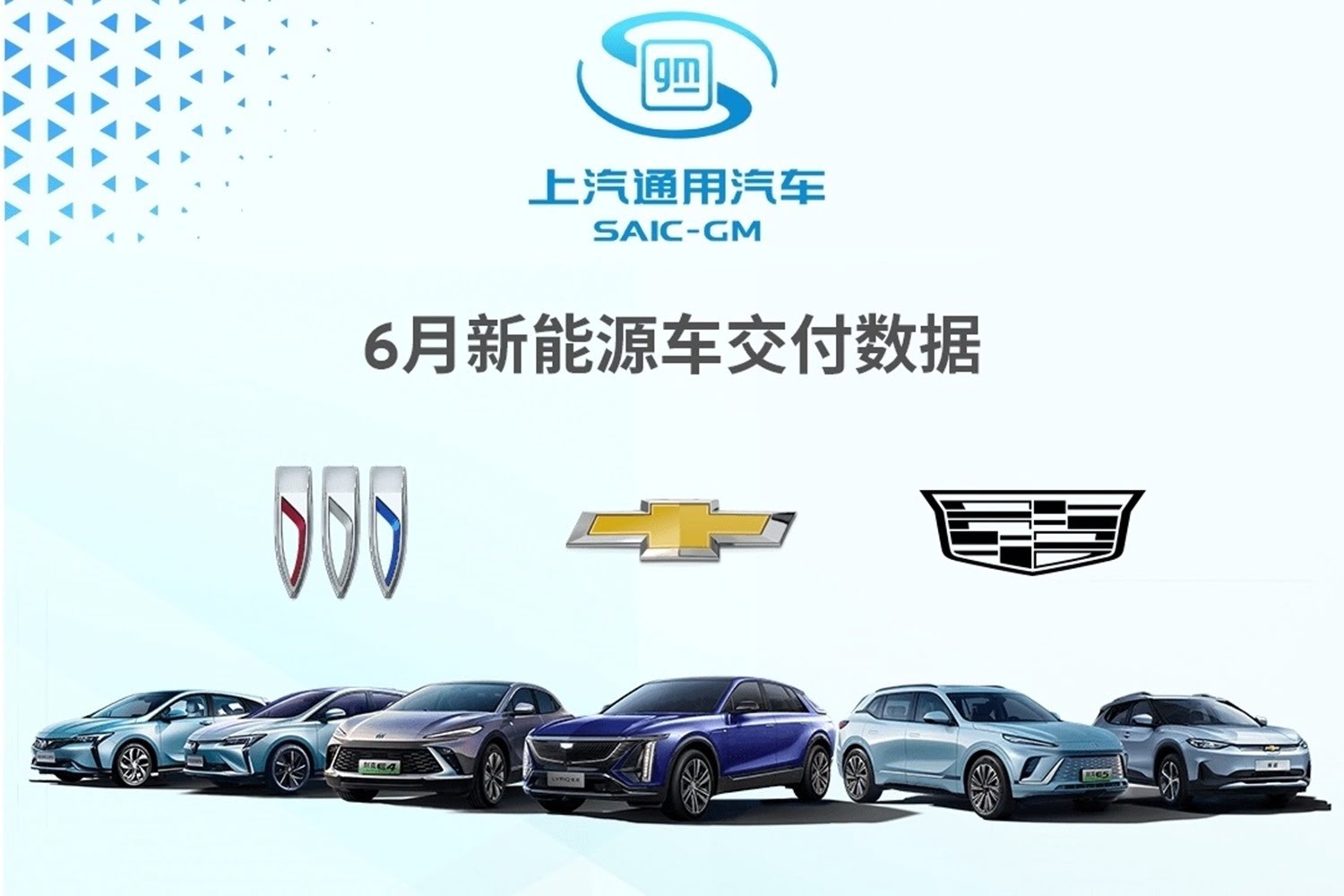
The recharged alliance with GM signals the death of the old template. Gone are the days when GM supplied the platform and SAIC supplied the factory floor—a transactional handshake that felt increasingly like a relic. In its place is a more fluid, equitable partnership. Reports from scmp on their plans to chase down top EV makers reveal a joint strategy built on SAIC’s proprietary Neuron architecture and advanced battery management systems, fused with GM’s global design language and Ultium battery technology. The target is the sedan segment, with a new wave of models engineered to deliver the range, digital intelligence, and driving dynamics Chinese buyers now treat as baseline expectations.
These aren’t compromised conversions—electric sedans designed as an afterthought to an ICE platform. They’re native EVs, born on dedicated architectures that prioritize cabin space, aerodynamic efficiency, and over-the-air update capability. The recharged alliance isn’t about GM teaching SAIC how to build a car. It’s two industrial heavyweights pooling strengths—SAIC’s supply chain mastery and cost control, GM’s brand cachet and engineering heritage—to storm a segment that’s ripe for disruption.
Dual-Track Domination
For years, the narrative in China’s EV market was that legacy automakers were too slow, too bureaucratic, too shackled to combustion-era profits to keep pace with nimble startups. SAIC is dismantling that myth, piece by piece. By doubling down on self-owned brands like IM Motors and Roewe while simultaneously rejuvenating its JV lineup, SAIC is running a dual-track strategy that’s as elegant as it is aggressive. The 70% contribution from self-owned brands provides the innovation halo and margin growth. The recharged GM alliance provides the volume base and global credibility.
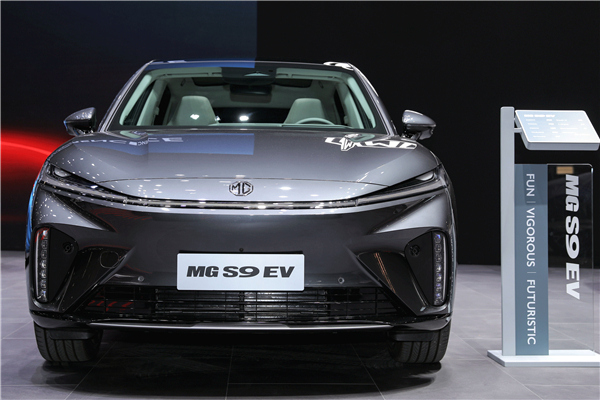
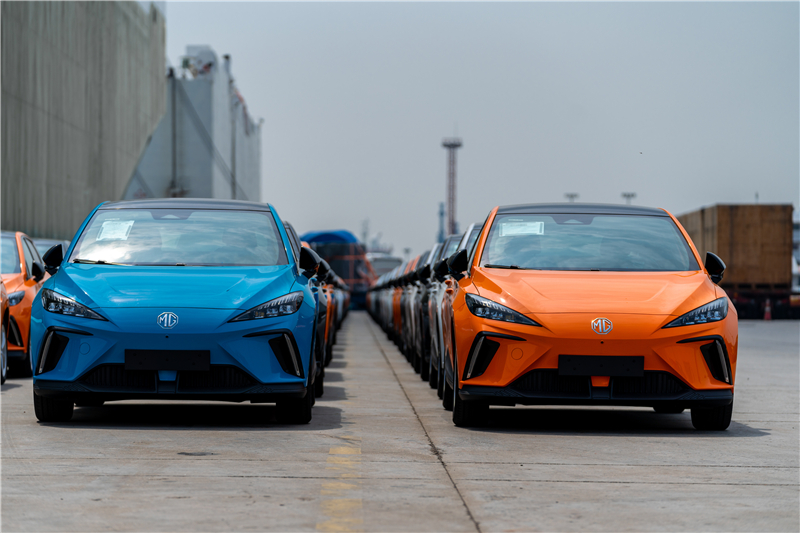
It’s a synergistic loop: domestic EV technology flows into the JV, making those models more competitive, while JV profits fund further self-owned R&D. This lets SAIC hedge against domestic price wars while using the JV’s scale to finance aggressive overseas expansion—witness the new logistics base in Spain’s Port of Ferrol for MG deliveries. Each track feeds the other, creating momentum that pure-play startups, for all their agility, struggle to match.
Why the Sedan Matters
The focus on sedans is a particularly sharp move. Chinese EV startups have clustered in the SUV and crossover segments, where packaging is forgiving and battery placement is easier. The sedan is different. Its lower center of gravity and stricter aerodynamic demands make it a testing ground for true engineering sophistication. By targeting this segment, SAIC and GM are declaring they’ll compete on driving quality and efficiency—not just screen size and 0-100 times.
The recharged alliance’s new sedan lineup aims to undercut premium German offerings while offering digital integration that rivals the pure-play EV makers. If successful, this could force a market consolidation, proving that scale—when combined with genuine technological renewal—still holds the ultimate advantage in the world’s most competitive automotive arena.
SAIC’s journey from manufacturing partner to technological powerhouse, with the GM alliance as a key pillar, isn’t just a corporate turnaround story. It’s the definitive blueprint for how legacy giants can survive—and thrive—in the electric age. The joint venture isn’t dead. It’s just learned to drive again.