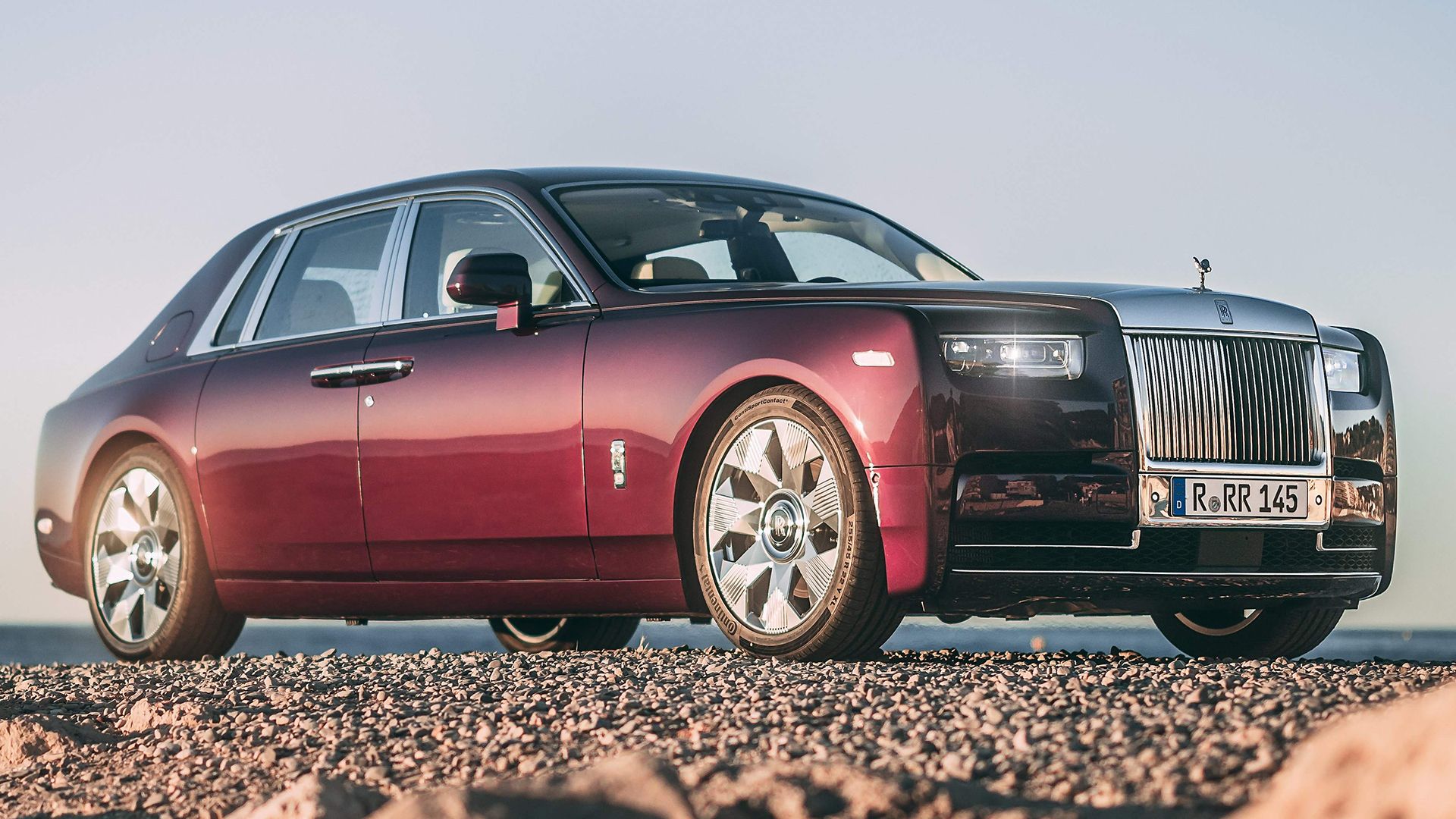
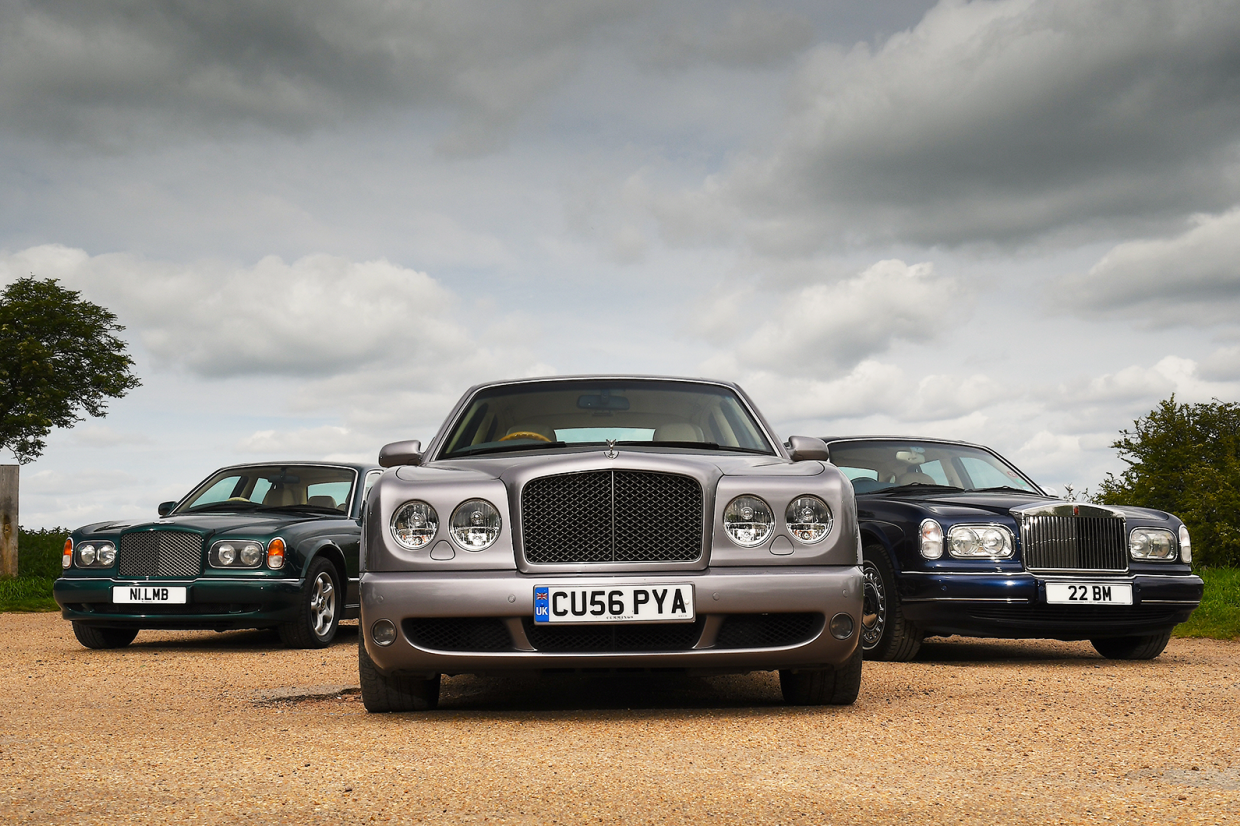
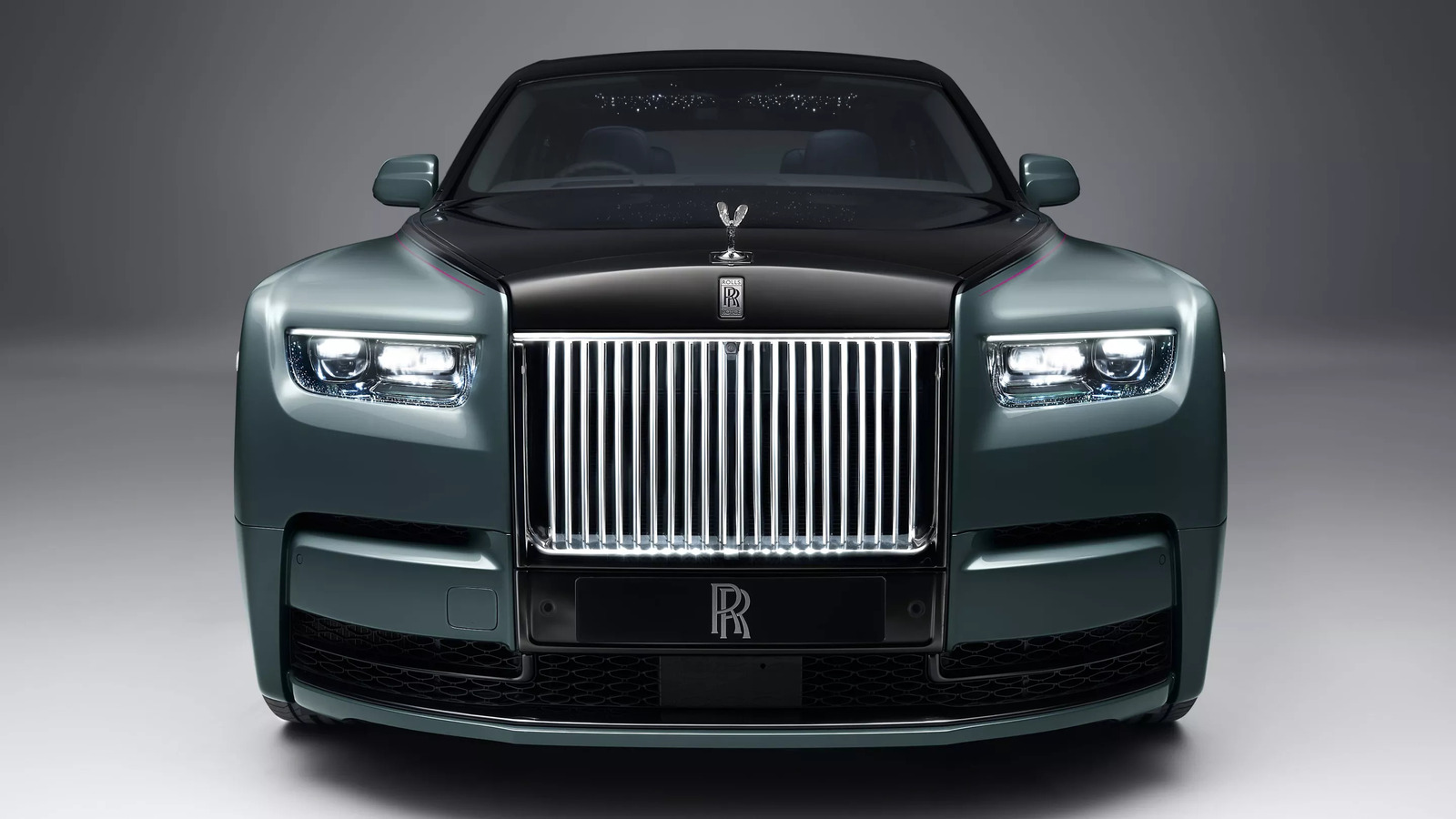
For nearly two decades, the script was written in stone. Bentley, under Volkswagen Group's deep-pocketed stewardship, was outselling Rolls-Royce by a staggering three-to-one margin. The Continental GT—that masterstroke of accessible opulence—had democratised the super-luxury coupe in a way Goodwood simply couldn't match. It seemed the "Best Car in the World" had become a museum piece, content to be outsold by its more commercially aggressive rival.
Look at the latest sales data, and you'll witness a tectonic shift. Rolls-Royce hasn't just closed the gap—it has decisively flipped the narrative, now outselling its Crewe-based rival outright. The question isn't merely *that* it happened, but *why*. How did the brand famous for hand-built limousines and chauffeur-driven silence reclaim its throne from the company that spent two decades building the better business case?
The Divergence of Strategy
The answer lies not in a single product, but in a fundamental divergence of strategy brewing since the late 2010s. Bentley's success was built on volume—capturing the upper-middle-class luxury buyer who wanted a slice of British motoring mystique without the full bespoke commitment. The Continental GT and Bentayga were engineered to fight the Mercedes-AMG GT and Porsche Cayenne as much as the Ghost. They were brilliant, but they were, at heart, *competitive*.
Rolls-Royce, under CEO Torsten Müller-Ötvös, took the opposite tack. Rather than chase the volume Volkswagen demanded from Bentley, Goodwood leaned into the ethos of "Post Opulence"—absolute bespoke exclusivity. They stopped trying to be the best-selling luxury car and instead became the most profitable per unit. It's a strategy that looks contrarian until you realise it's simply playing a different game entirely.
This pivot is starkly illustrated by the Phantom and the Cullinan. While Bentley's Bentayga was initially the darling of the luxury SUV market, the Cullinan arrived with an imperiousness that redefined the segment entirely. It wasn't just an SUV with a Spirit of Ecstasy on the bonnet—it was a mobile sanctuary, engineered with the "Magic Carpet Ride" suspension that made even Bentley's air-sprung efforts feel comparatively jittery. One drive over broken tarmac and you understand: this isn't transportation, it's insulation from the world itself.
The Coachbuilding Renaissance
More importantly, Rolls-Royce capitalised on the coachbuilding renaissance with audacity Bentley couldn't match. The Boat Tail—with its reported $28 million price tag and a waiting list that reads like a UN delegate register—is not a car. It is a statement. When the Malaysian Crown Prince is spotted driving one of the three examples, it reinforces a halo effect no marketing campaign can buy. It tells the world that Rolls-Royce is no longer a manufacturer; it is a purveyor of automotive haute couture.
Bentley, meanwhile, finds itself stuck in a precarious middle ground. Their push towards the EXP 100 GT concept and a fully electric future is commendable, but they're currently transitioning through a lineup that, while excellent, feels derivative of their own past glories. The Continental GT Speed is a phenomenal grand tourer—make no mistake. But it lacks the sheer event-status of a Ghost.
When you spec a Bentley, you're buying the best version of a Volkswagen Group product. When you commission a Rolls-Royce, you're acquiring a unique artifact that happens to contain a V12. That distinction matters enormously in the rarefied air of eight-figure transactions.
The Scarcity Principle
The sales reversal sends a clear signal to the industry: in ultra-luxury, volume is a trap. Bentley outsold Rolls-Royce for years, but it did so by diluting its badge. The average transaction price for a Bentley sits significantly below that of a Rolls-Royce, and the brand's cachet has suffered accordingly.
Rolls-Royce's decision to limit production—even turning away customers who wanted too much personalisation too quickly—created a scarcity Bentley cannot replicate. The Black Badge series proved that even younger buyers prefer the brooding menace of a Wraith to the more flamboyant styling of a Continental. It's a fascinating role reversal: the "old money" brand has become the arbiter of cool, while the "new money" brand of the early 2000s is now perceived as the establishment choice.
The New Definition of Pinnacle
Ultimately, the three-to-one margin has reversed because Rolls-Royce stopped playing the sales game entirely. By prioritising margin over volume, bespoke commissions over standard builds, and cultural relevance over heritage tourism, they engineered a business model remarkably immune to economic downturns.
Bentley is still chasing the ghost of its former success. Rolls-Royce is simply driving into the future, one extraordinary commission at a time. The flip isn't just in the numbers—it's in the very definition of what it means to be the pinnacle of the automotive world. And for the first time in two decades, there's no debate about which British marque wears that crown.