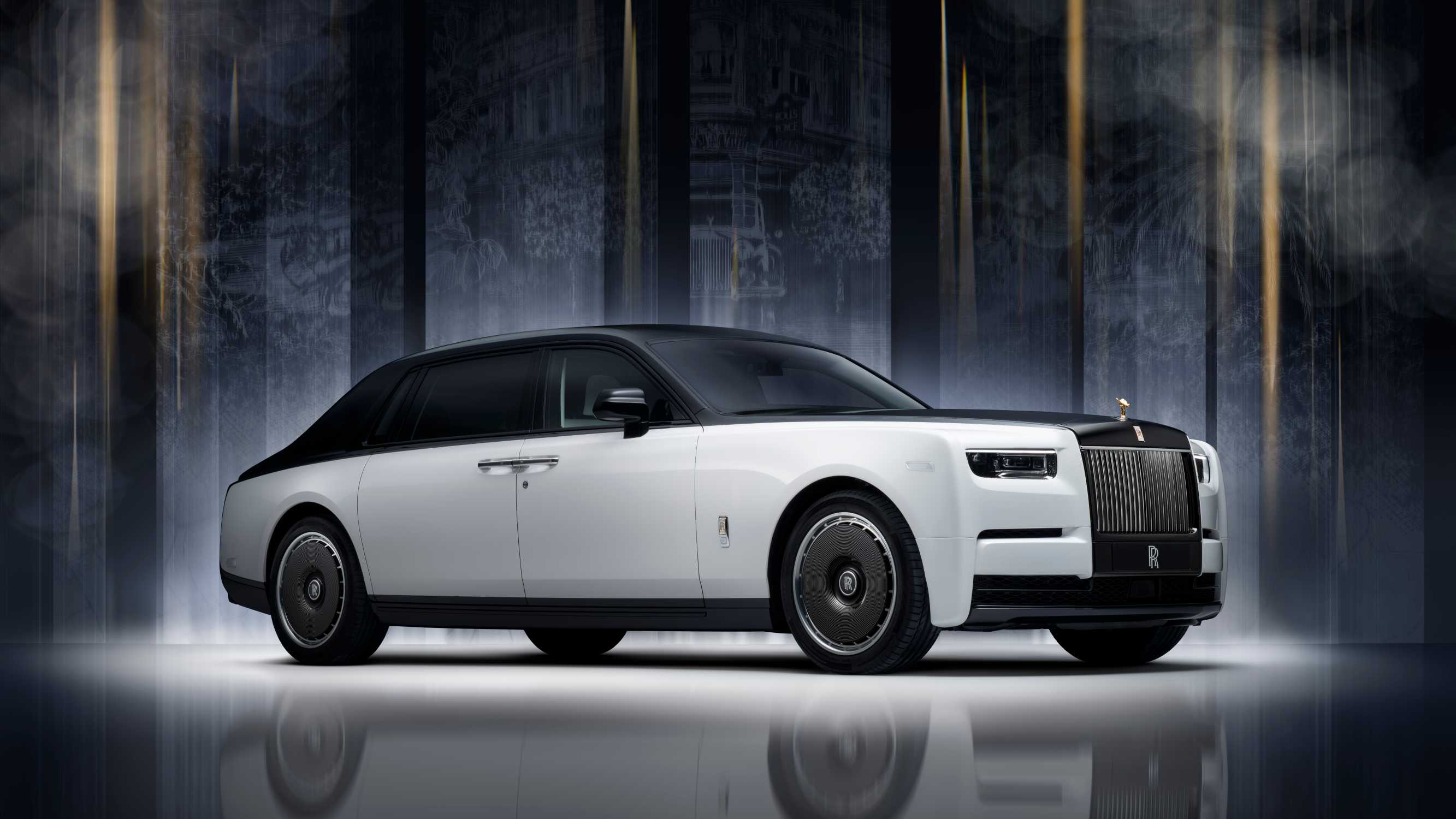
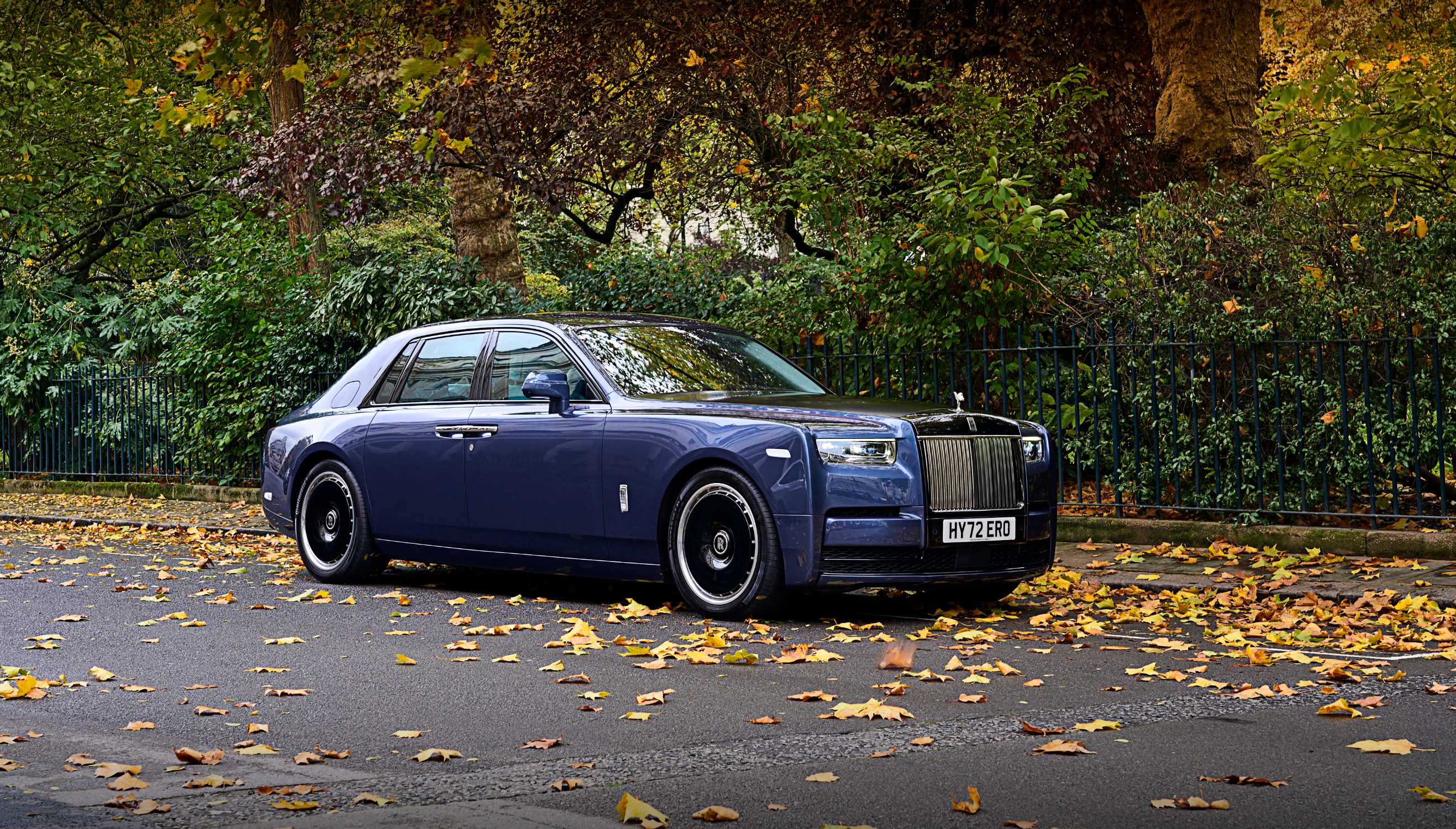
There is a particular species of salesman whose entire method rests on a single, fatal assumption: that the car in the showroom is worth more than the person standing in front of it. Shaquille O'Neal encountered one of these men, and the story of what followed — reported recently by Car and Driver, MotorBiscuit, and autoevolution — has become the most instructive piece of Rolls-Royce brand doctrine in years.
The salesman, apparently unaware of who he was speaking to, questioned whether the four-time NBA champion could afford a Rolls-Royce Phantom. Shaq's response was not a raised voice or a wounded exit. It was a purchase order. He bought the car. Then he bought two more. The 2004 Rolls-Royce Phantom, a car now old enough to be considered a modern classic, was acquired not out of need or even desire, but as a receipt — proof of a point that should never have required proving.
The Phantom as Verdict, Not Vehicle
What makes the anecdote more than a rich man's flex is what it reveals about the Phantom itself. Here is a machine conceived, engineered, and marketed as the ultimate instrument of arrival — the car that announces its owner has transcended the ordinary economy of things. And yet the Phantom has always carried a second, quieter function: it is a verdict. When you pull up in one, you are not merely wealthy. You are certified. The car confers a status that money alone cannot manufacture, which is precisely why the salesman's question stung in a way a Ferrari dealer's snub could not. He wasn't doubting Shaq's bank balance. He was doubting his membership.
This is the paradox at the heart of the marque, and it is why the Phantom remains the most psychologically complicated car in production. Rolls-Royce has spent a century building a wall around its customer base — the Silver Ghost, which the company is currently celebrating across 120 years, established the template: hand-built, over-engineered, deliberately unobtainable. The wall exists to make the car mean something. But walls, by their nature, invite people to climb them. Shaq didn't climb it. He bought the wall.
A Brand Stretched Across Aerospace, Energy, and Equity
The timing of the story is almost too neat. As the O'Neal anecdote circulates, Rolls-Royce is simultaneously being reshaped by forces far beyond the showroom floor. The British government has committed a £1.25 billion subsidy to the company's new jet engine programme — a figure The Guardian greeted with a distinctly clenched-teeth editorial tone — while Reuters reports a £2.5 billion deal to back Rolls-Royce's return to the commercial aviation market against foreign rivals. The same name now appears on nuclear small modular reactor targets, on FTSE watchlists, on the lips of retail investors wondering whether to buy the dip or sell the rally. Rolls-Royce the brand is being stretched across aerospace, energy, and equity portfolios, and yet the Phantom — the object that made the name a synonym for arrival — remains the emotional centre of gravity.
The Car Refuses to Stand Still
And the car itself refuses to stand still. MotorTrend has just driven the 2027 Spectre II, reporting added range, more power, and options wild enough to suggest that Rolls-Royce's electric future will not be a retreat into restraint. Meanwhile, the Cullinan continues to attract the attentions of Mansory, whose Linea D'Arabo treatment is either the ultimate expression of bespoke excess or a warning about what happens when a brand becomes a canvas for other people's taste. Even the sports pages have absorbed the vocabulary: NBC Sports described Liverpool's Jérémy Jacquet as "a Rolls-Royce" in defence, a compliment that assumes everyone reading understands the car is a byword for effortless superiority. The name has become a unit of measurement.
Who Gets to Belong Behind the Wheel
Which brings us back to the salesman, and to the deeper reason the story has resonated. Rolls-Royce has always been in the business of deciding who belongs. The Phantom was never sold; it was granted. The Silver Ghost was built for people who already owned the road. The Spectre II will be allocated to customers whose loyalty the company has vetted. So when a salesman looked at Shaquille O'Neal and saw someone who might not qualify, he was, in his own clumsy way, being faithful to the brand's founding logic. He was simply wrong about who was standing in front of him — and the three cars now parked in O'Neal's collection are the correction.
The lesson is not that the salesman was rude. The lesson is that Rolls-Royce's authority has never rested on the cars alone. It rests on the belief — carefully cultivated, occasionally weaponised — that the Phantom changes something about the person who drives it. Shaq proved it can also change the story of the person who sells it. One question, three purchases, and a salesman's career-defining misjudgement: the Phantom still rewrites who belongs behind the wheel, and it doesn't ask the man in the showroom for permission.