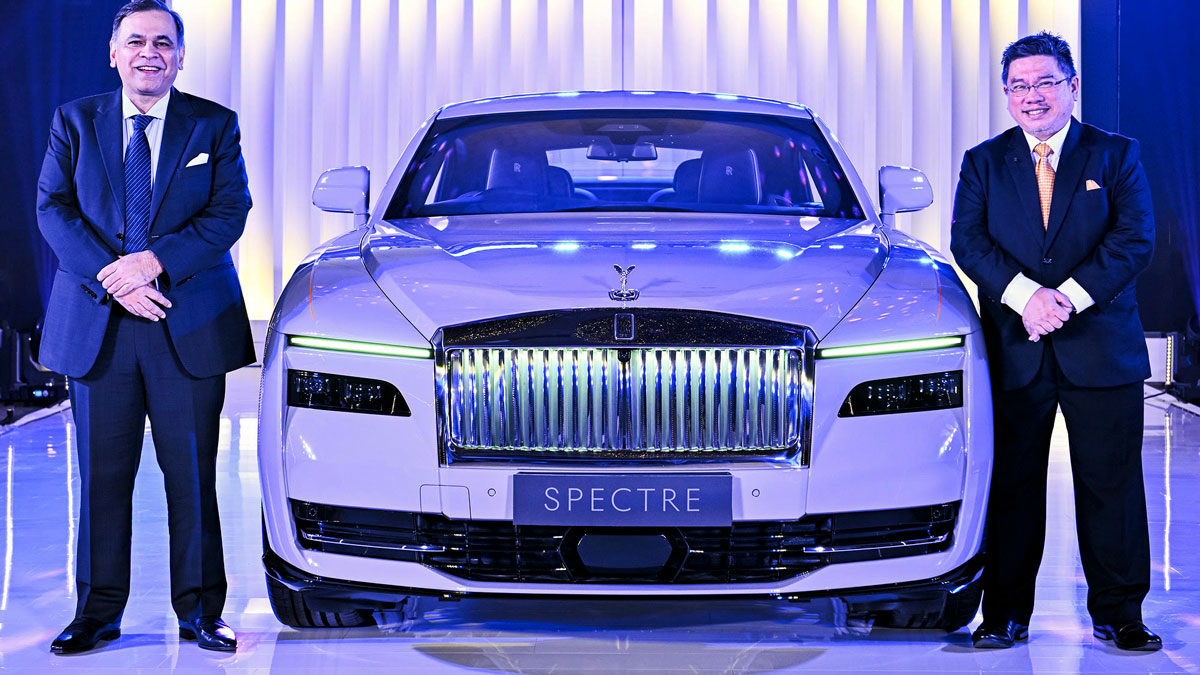
Rolls-Royce has never been in the business of selling cars. It sells authorship — the right to dictate exactly how a seven-figure object should look, feel, and smell. So when the marque planted its first Bespoke Atelier on Indian soil in Chennai, it wasn't opening a showroom. It was planting a flag.
The move is a thesis statement about where ultra-luxury is heading. For a century, Rolls-Royce sold discretion to old European dynasties and American industrialists. Now it is betting that the center of gravity for aspirational wealth has shifted decisively eastward — and it intends to be standing there, order book in hand, when the money arrives.
The Numbers Behind the Confidence
India's population of high-net-worth individuals has been compounding at a pace that makes the subcontinent one of the fastest-growing luxury markets on earth. The Bespoke Atelier is designed to capture clients at the exact moment they stop buying cars and start buying self-portraits.
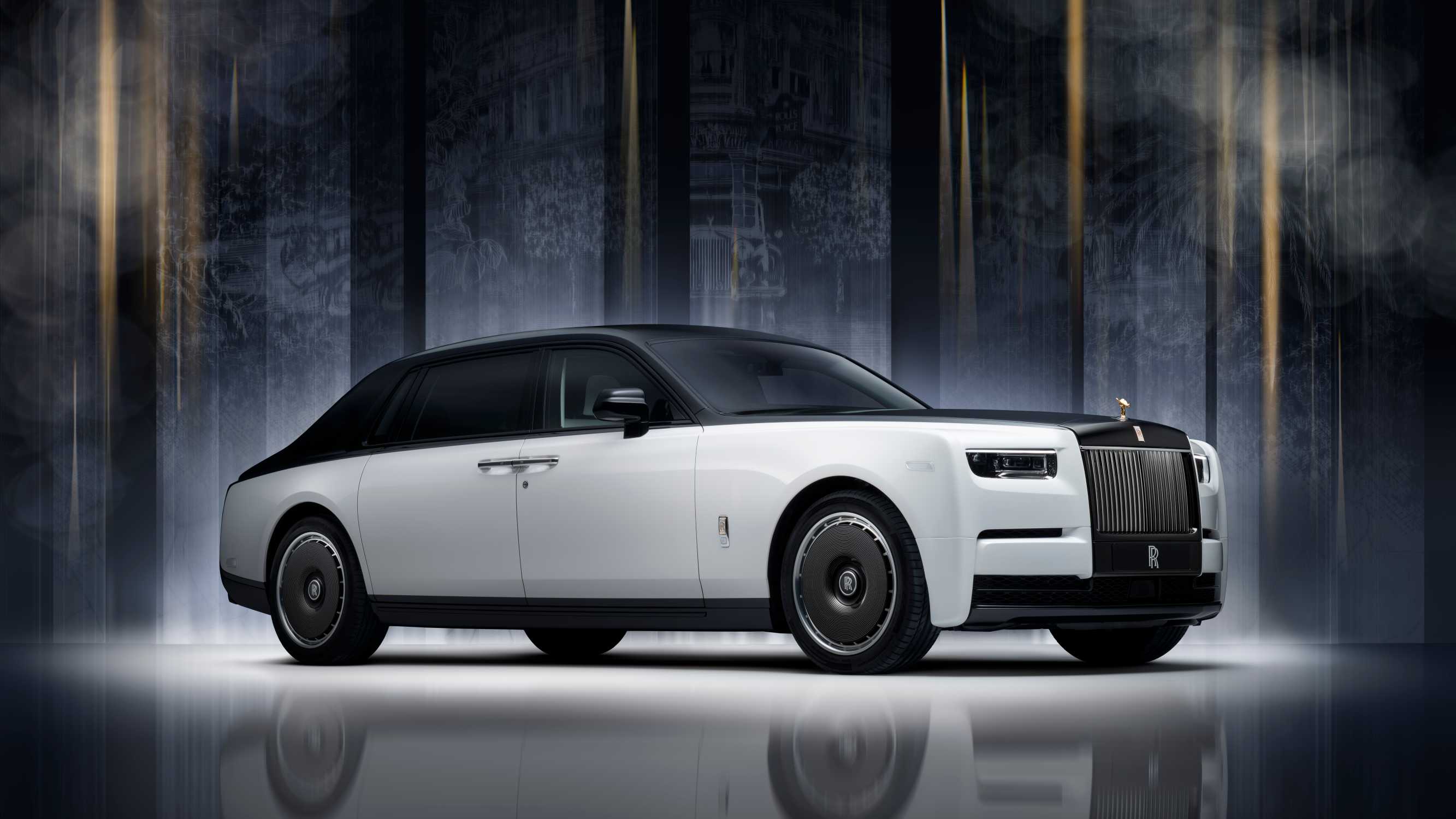
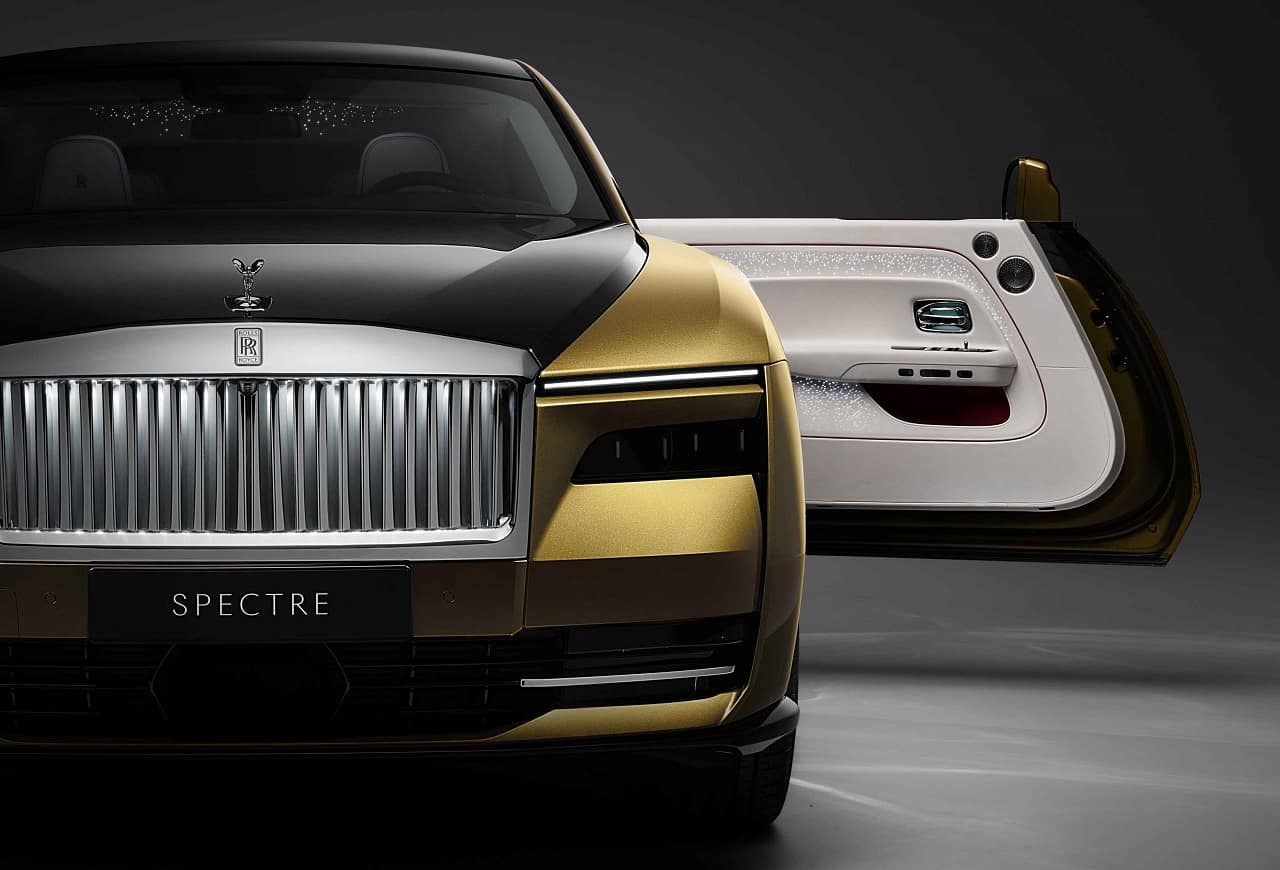
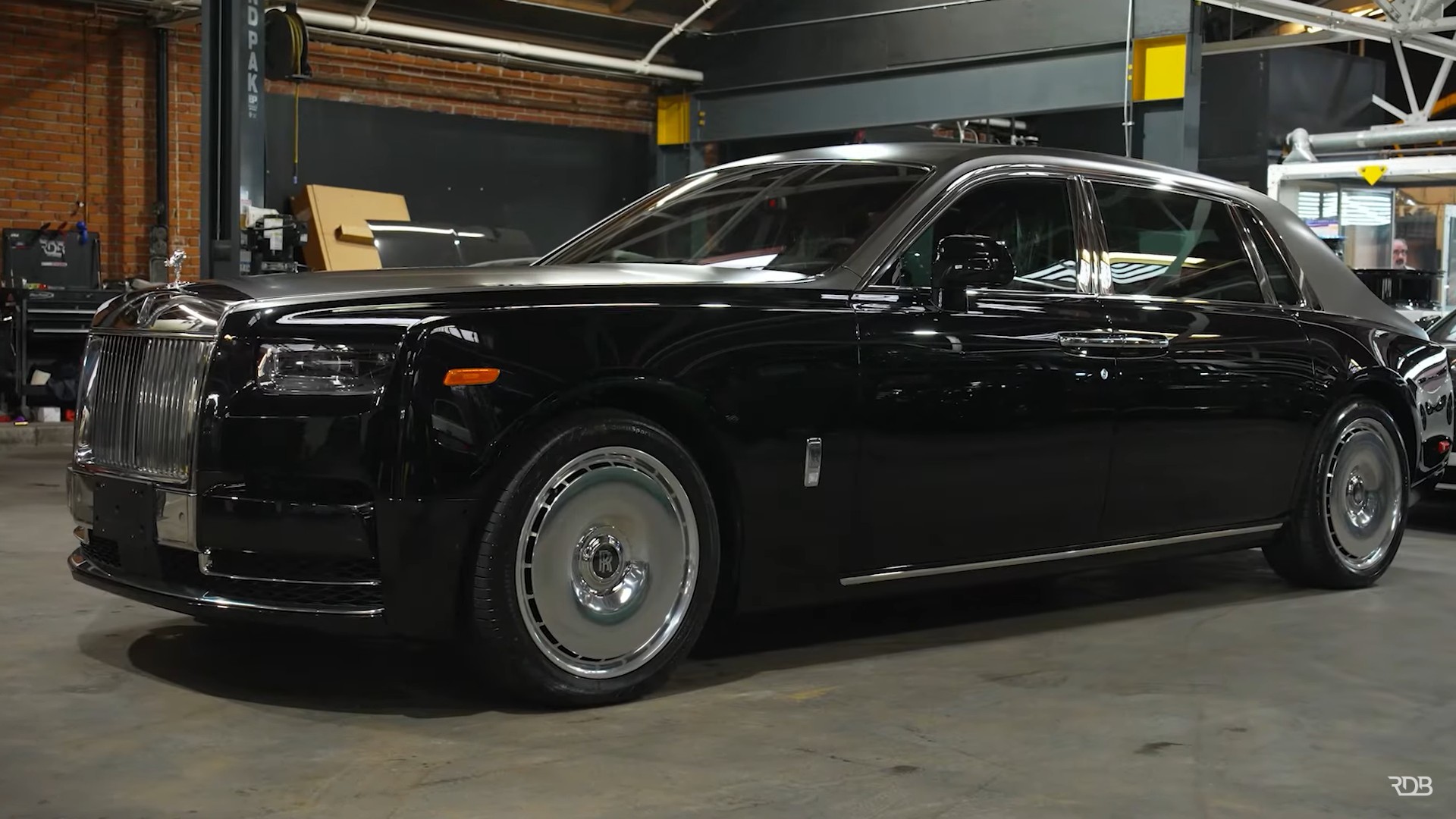
A Rolls-Royce is already the least anonymous object in motoring. The Phantom, Ghost, Cullinan, and electric Spectre exist in a register where the seven-figure base price is simply the entry ticket. The real spend begins when a customer sits down with a Bespoke designer to specify embroidery that replicates a wedding sari, veneers cut from a family's own timber, or a starlight headliner mapped to a particular night sky over Chennai.
That is what makes the atelier concept so potent — and so distinct from a conventional dealership. Rolls-Royce has long understood that its true product is not transportation but authorship. The company's own messaging has leaned into this for years, and the broader business press has noticed: as the *New York Times* recently observed, Rolls-Royce is aiming higher on price rather than production, chasing margin through exclusivity instead of volume.
The Chennai atelier is that philosophy rendered in three dimensions. Every commission is a one-off, every one-off is a story, and every story is a marketing asset no advertising budget could buy.
Two Businesses, One Badge
There is a pleasing tension in the timing. The same news cycle that brought word of the Chennai opening also carried the usual drumbeat from the aerospace side of the Rolls-Royce name — Avolon's order for seventy Trent 7000 engines, progress on FLRAA flight-test engines, a $398 million investment in UK manufacturing.
It is a reminder that "Rolls-Royce" is two businesses wearing one badge: the industrial powerhouse that keeps long-haul aviation aloft, and the carmaker that turns wealth into artifact. The aviation arm generates the headlines that move share prices. The cars generate the mythology.
Confusing the two is a category error, but the shared name is not an accident of history — it is a halo. The Chennai atelier is designed to polish that halo in a market that reveres heritage almost as much as it reveres novelty.
Why India May Prove the Most Inventive Bespoke Market Yet
What makes the Indian clientele particularly compelling for Bespoke is the depth of the material culture they bring to the table. This is a market with living traditions of textile art, gemstone work, and ceremonial craft that predate most European luxury houses by centuries.
A Bespoke commission from a Chennai client is unlikely to resemble one from Beverly Hills or Mayfair, and that is precisely the point. Rolls-Royce's designers have spoken for years about the education they receive from customers — the unexpected colorways, the daring combinations, the willingness to treat a motorcar as a canvas rather than a status symbol. India, with its wedding economy and its culture of spectacular personalization, may prove the most inventive Bespoke market the brand has ever served.
The Fragility of Exclusivity
The risk, of course, is that exclusivity is a fragile thing. Open too many ateliers and the mystique thins; the very scarcity that justifies the price begins to erode.
Rolls-Royce appears alert to this, which is why the Chennai facility is framed as a service for a specific clientele rather than a volume play. The company is not trying to sell more cars in India. It is trying to sell more of each car — more embroidery, more veneer, more story — to a customer base that has both the means and the appetite.
For a marque that has always thrived on the marriage of engineering and theatre, the Chennai atelier is a logical next act. The engines keep flying. The cars keep dreaming. And in a showroom in South India, someone is specifying the exact shade of thread that will make a Phantom unmistakably, irreducibly theirs.