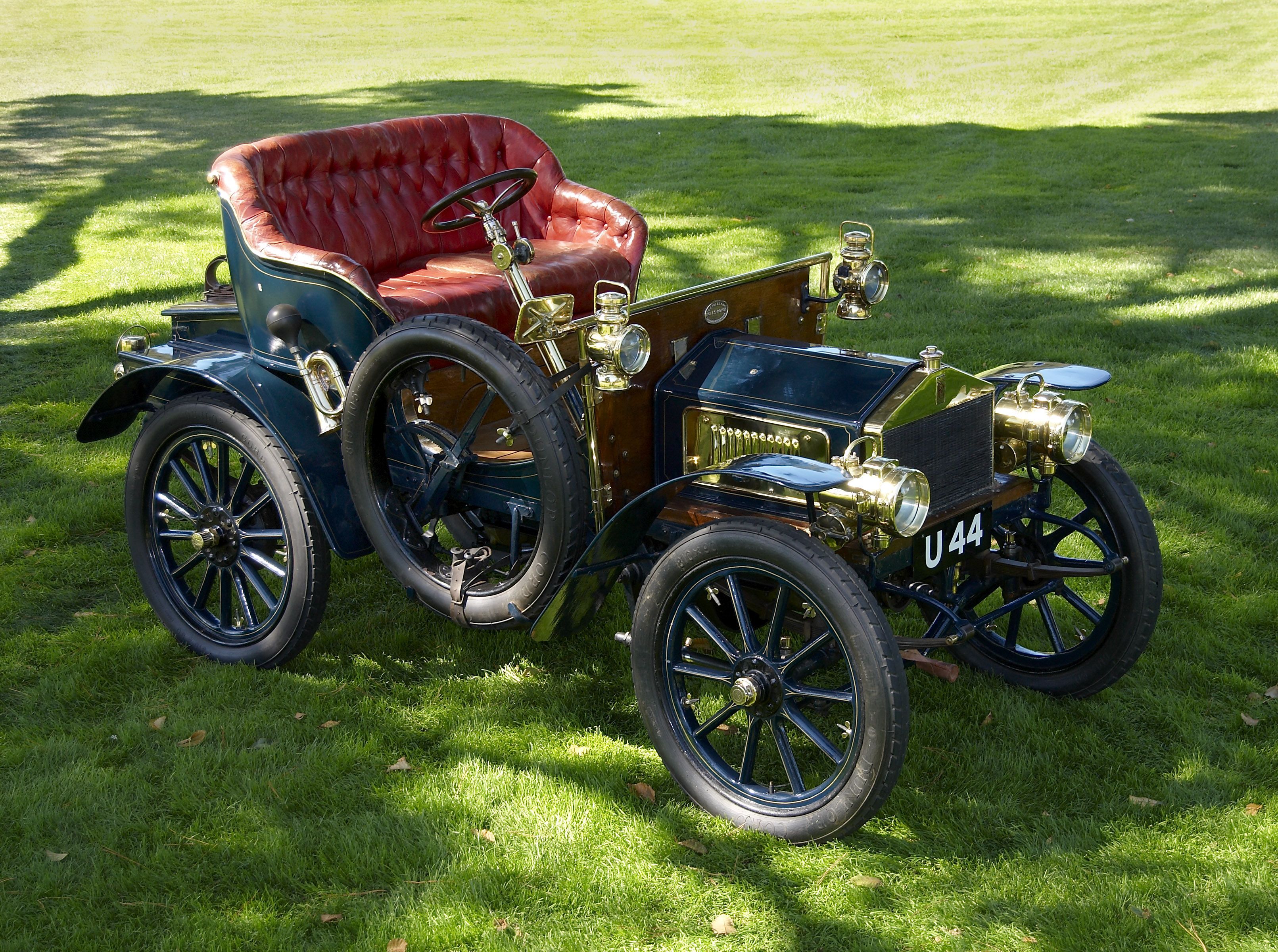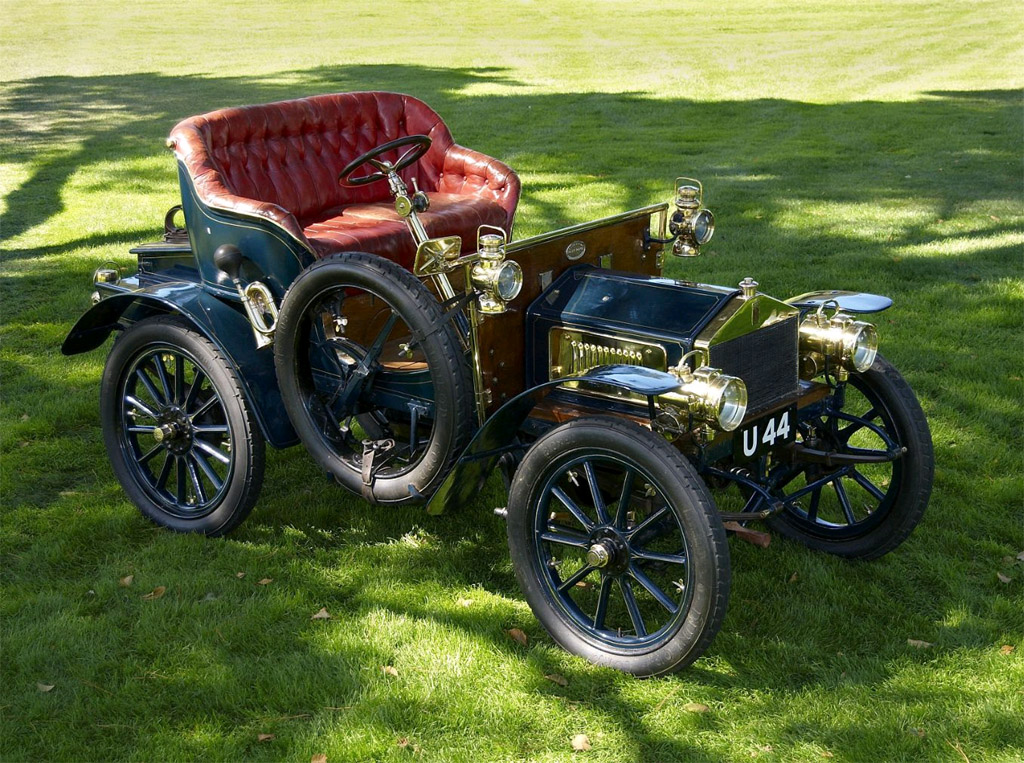
The oldest surviving Rolls-Royce in the world is a machine that, by every rule of corporate logic, should not exist. It is a 1904 Royce 10 H.P., assembled in Manchester by a perfectionist named Henry Royce before the company bearing his name had even been conceived. It has outlasted the partnership that created it, the empire that grew from it, and a century of industrial upheaval that swallowed both. When it returns to the London to Brighton Veteran Car Run this November, as the BBC recently reported, it will not merely be participating in a heritage parade. It will be quietly embarrassing every institution that believes longevity is something you can engineer.
History sorts the durable from the fashionable, and the 1904 Rolls-Royce sits firmly on the right side of that ledger for reasons that are almost philosophical. The car predates the famous 1904 meeting between Royce and Charles Rolls at the Midland Hotel — the encounter that produced the marque in the first place. It is, in the most literal sense, older than Rolls-Royce the company. That the vehicle survives while the original firm does not says something about the difference between a corporate structure and a piece of engineering. The automotive division was split from the aero engine business in 1973, and the car company has since passed through Vickers, Volkswagen, and finally BMW.
A Badge That Outgrew Its Own Bonnet
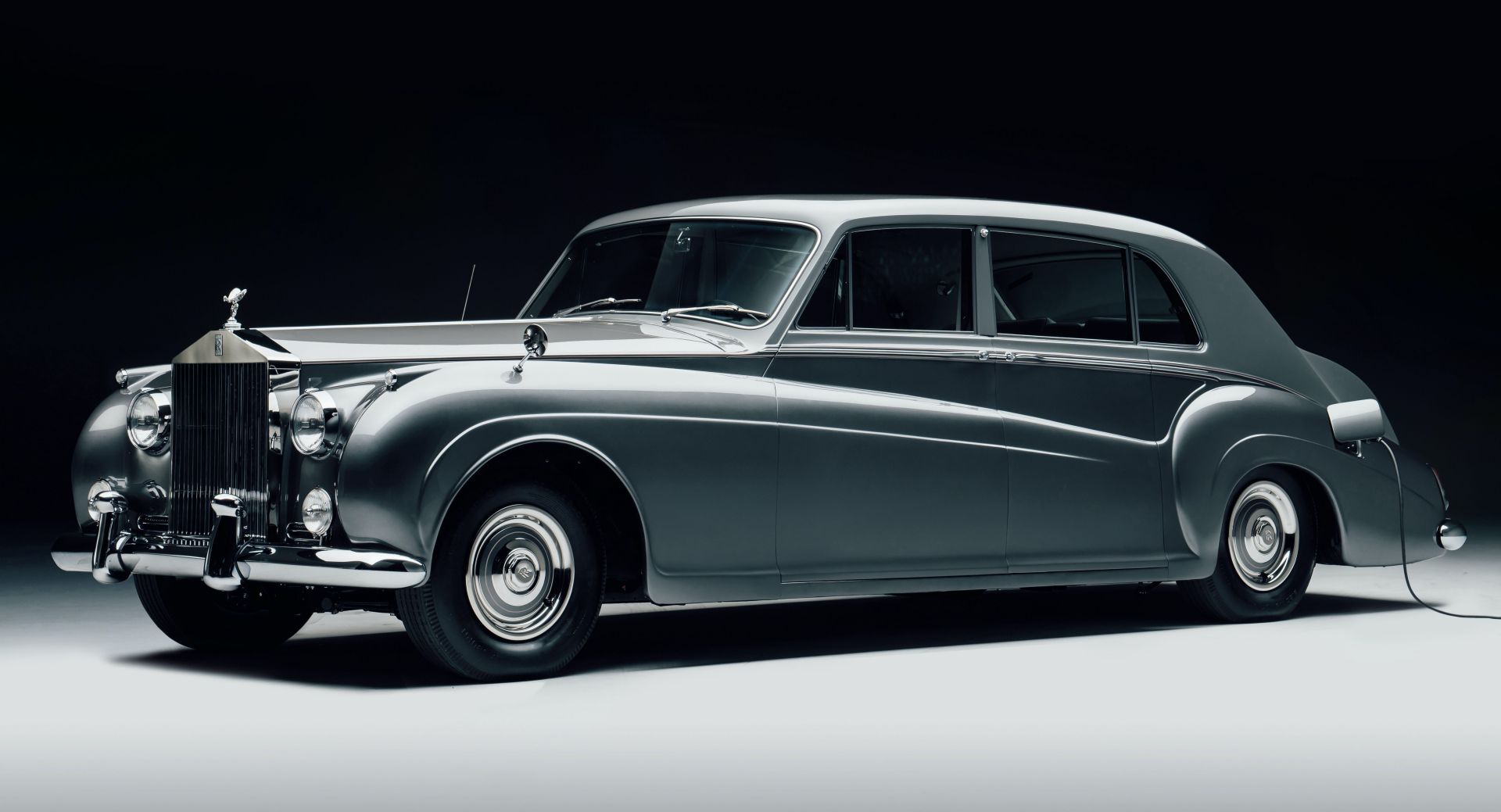
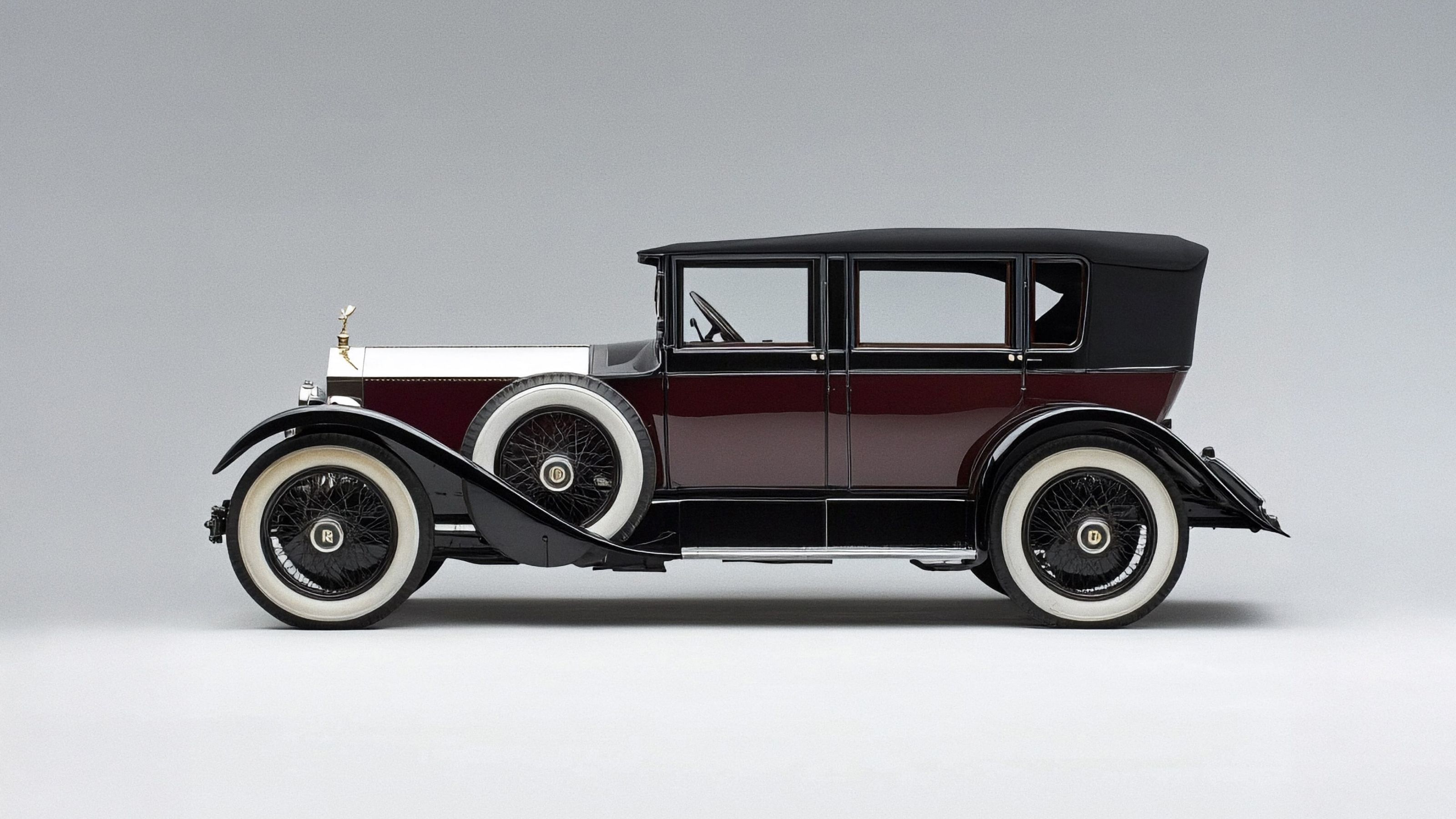
Consider what Rolls-Royce has become in the intervening 120 years. Today the name is attached to nuclear reactor fleets, with critical safety hardware now locked in for 470 MW units. It is attached to a £300 million investment in UK manufacturing and engineering facilities, and to a £6 billion plan supporting SSN-AUKUS submarine production from 2027. The same badge that once sat on a two-cylinder, 10-horsepower runabout now sits on propulsion systems for nuclear submarines and small modular reactors. The financial press speculates on whether the share price can reach 2,000p by October 2027. Meanwhile, the marque's car business is reportedly taking 350 weeks to build its most luxurious model ever, and designers are already using AI to imagine what a Rolls-Royce in 2050 might look like.
The 1904 car is untroubled by any of this. It runs on the same principle it always did: mechanical honesty, obsessive tolerances, and the refusal to cut a corner that Royce famously instilled into every component he touched.
The Through-Line Is Not the Badge
That is the through-line. Not the badge, not the ownership, not the balance sheet. The car survives because it was built by a man who could not bring himself to build anything less than correctly — and that quality has proven more durable than any of the corporate entities that later claimed his name. You can trace it in the way the thing was put together, in tolerances held to standards that had no commercial justification at the time, only a personal one.
Evidence, Not Nostalgia
There is a temptation to read the London to Brighton appearance as nostalgia. It is not. It is evidence. Every modern Rolls-Royce — the Phantom, the Cullinan, the forthcoming electric SUV that Bentley is racing to beat to market — is an argument about permanence, about objects meant to be kept rather than replaced. The 1904 machine is the only artefact in the marque's history that can actually prove the argument rather than merely assert it. It has been running for longer than the company has existed in any of its current forms, and it will still be running when the next restructuring, the next acquisition, and the next quarterly earnings call are forgotten.
That is the quiet irony of the oldest surviving Rolls-Royce. It did not outlive its company because it was built to last forever. It outlived its company because it was built properly, once, by someone who cared more about the work than the name attached to it. The name changed hands repeatedly. The work did not.