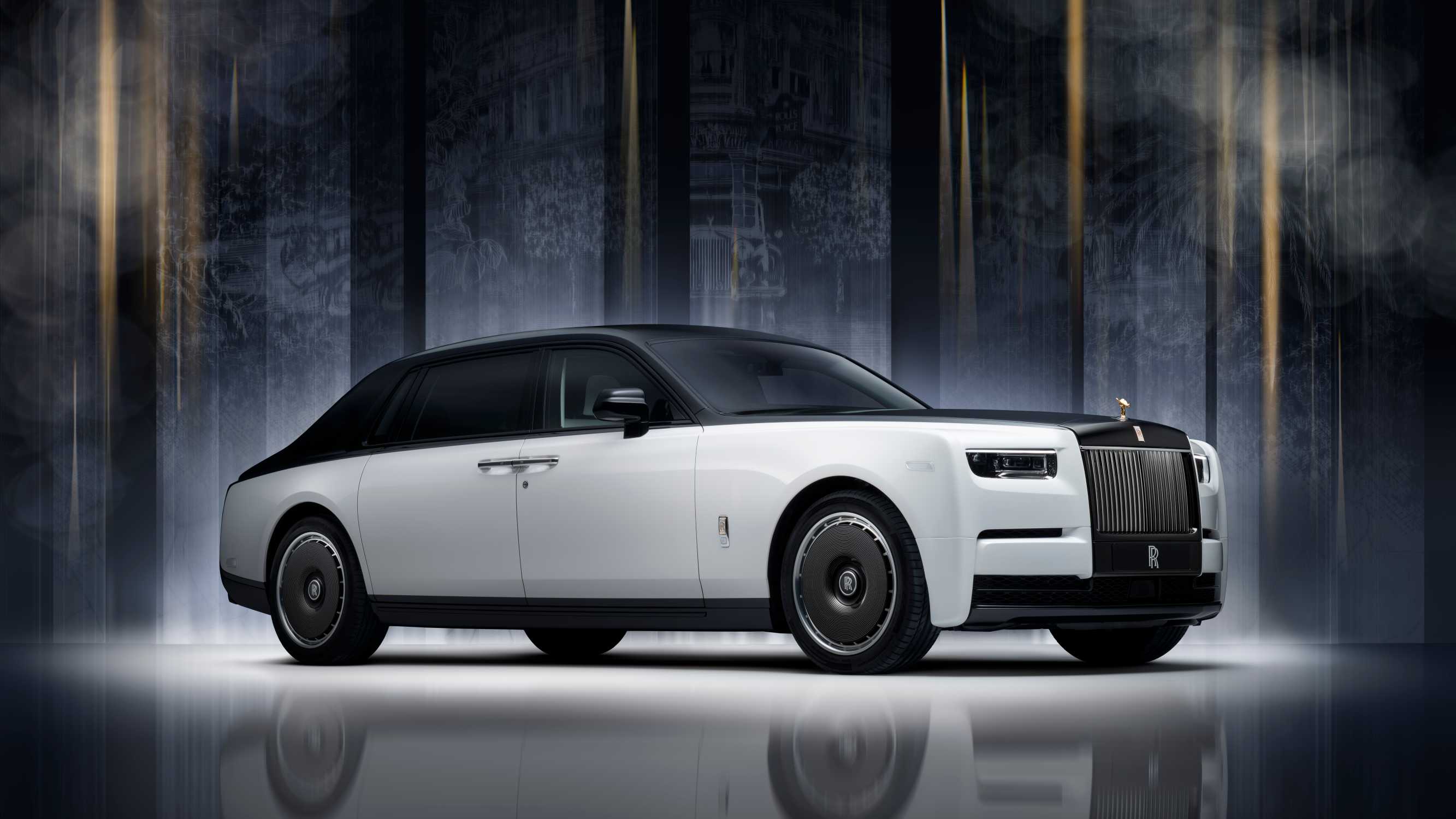
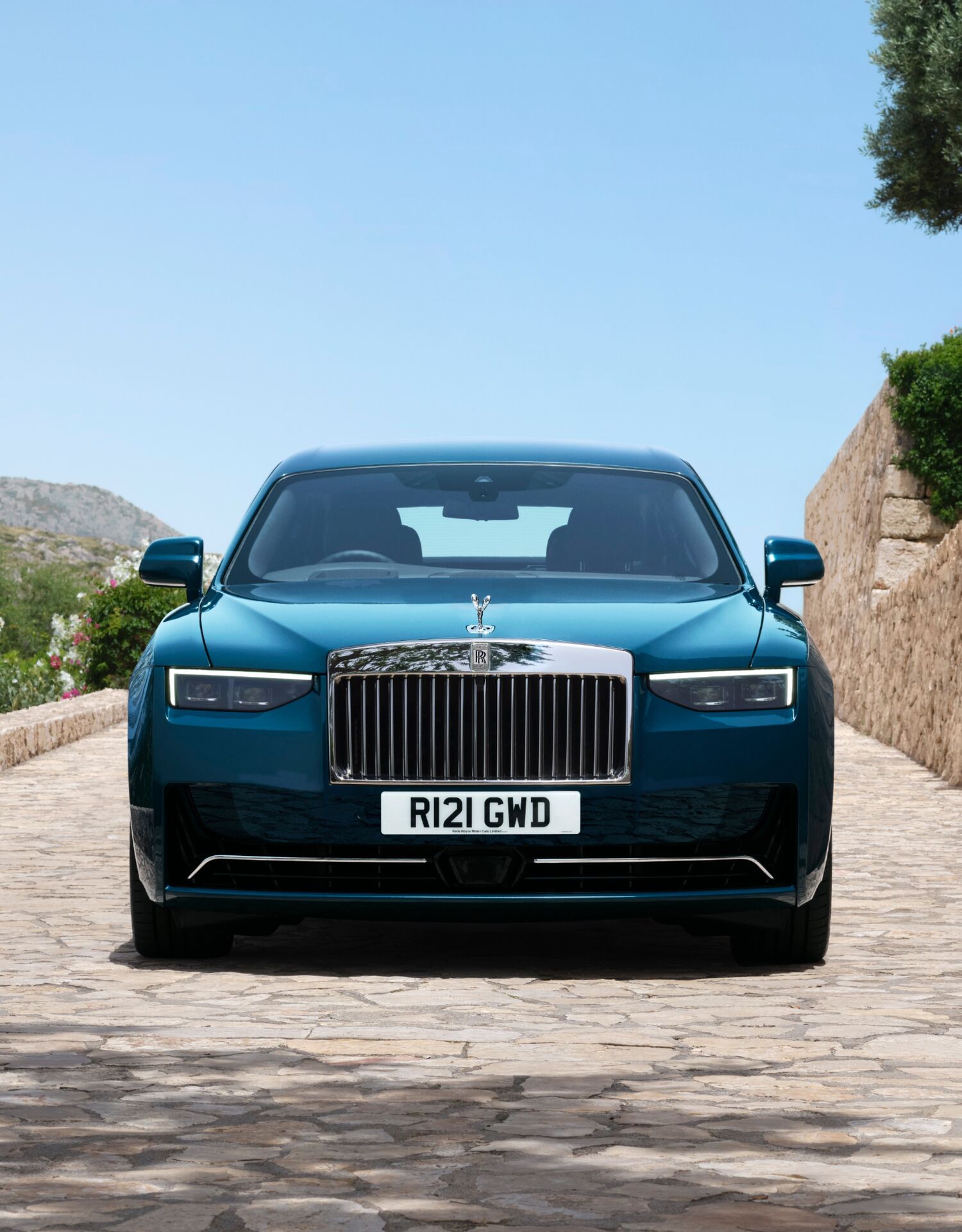
The Rolls-Royce Phantom Hummingbird arrived with the usual fanfare that greets any Goodwood one-off — the hushed reveal, the iridescent shimmer, the quiet reminder that no other manufacturer operates quite this way. But look past the hummingbird motif caught mid-hover in the fascia and you'll find something more consequential than a beautiful commission. The headline figure making the rounds is nine months, and it deserves scrutiny, because it represents a bet no other luxury manufacturer has been willing to place.
While Bentley and Ferrari continue refining their bespoke programmes with ever more elaborate leathers and paints, Rolls-Royce has quietly claimed territory that remains, for now, entirely uncontested: the mastery of abalone shell as a structural decorative material for automotive interiors. It's a small distinction on paper. In practice, it's a moat.
A Material That Fights Back
Abalone is not new to the world of fine craftsmanship. It has adorned everything from Japanese lacquerware to Art Deco jewellery, its nacreous layers shifting through blues, greens, and pinks depending on the angle of light. But abalone is also notoriously brittle, irregular in thickness, and prone to cracking when subjected to the thermal cycling and vibration that define life inside a motor vehicle.
For decades, that fragility kept it out of automotive applications entirely. Even Rolls-Royce — a company that has inlaid mother-of-pearl, gold, and exotic woods into its dashboards — had never attempted a full abalone marquetry programme. The Phantom Hummingbird changes that calculus, and the nine months it took to develop were not spent on design whimsy. They were spent solving a materials science problem no rival has bothered to attempt.
Fractions of a Millimetre
The process, as reported across outlets from Road & Track to Jalopnik, involved sourcing abalone shells of sufficient size and consistency, then slicing them into dozens of individual pieces thin enough to be inlaid yet thick enough to survive decades of use. Each piece had to be colour-matched and grain-aligned so the finished hummingbird motif — a bird caught mid-hover, wings blurred in flight — would read as a single, coherent image rather than a mosaic of disparate fragments.
The tolerances involved are measured in fractions of a millimetre. One miscalculated cut, one piece that expands or contracts at a different rate than its neighbours, and the entire composition fails. That Rolls-Royce's craftspeople achieved this on their first publicly acknowledged attempt is remarkable. That they spent nine months doing so is the real story.
The Competitive Landscape
What makes this gamble so pointed is the field around it. Bentley has invested heavily in its Mulliner division, producing intricate stone veneers and open-pore woods that are undeniably beautiful but fundamentally conventional. Ferrari's Tailor Made programme offers heritage fabrics and racing-derived liveries, while McLaren's MSO division leans on carbon fibre and lightweight composites.
None of these rivals has ventured into organic shell marquetry, and the reason is simple: the risk-reward calculation doesn't favour it. The failure rate is high, the material sourcing unpredictable, and the customer base for such work vanishingly small. Rolls-Royce, however, operates on a different economic model. Its bespoke commissions are not volume products; they are loss leaders for brand prestige, and each one reinforces the idea that no other manufacturer can do what Goodwood does.
A Proof of Concept, Not a Product
The Phantom Hummingbird is, in this sense, less a car than a proof of concept. It demonstrates that Rolls-Royce can take a material nature designed for the ocean floor and adapt it to the interior of a vehicle that costs more than most houses. It also raises the bar for what clients will expect in future commissions.
Once you've seen abalone hummingbirds inlaid into a Phantom's fascia, a mere open-pore walnut suddenly feels like a compromise. That is precisely the point. Rolls-Royce has never been in the business of selling transportation; it is in the business of selling the unattainable. By spending nine months mastering a material no rival dares touch, the marque has ensured that its bespoke programme remains exactly that — unattainable, and all the more desirable for it.