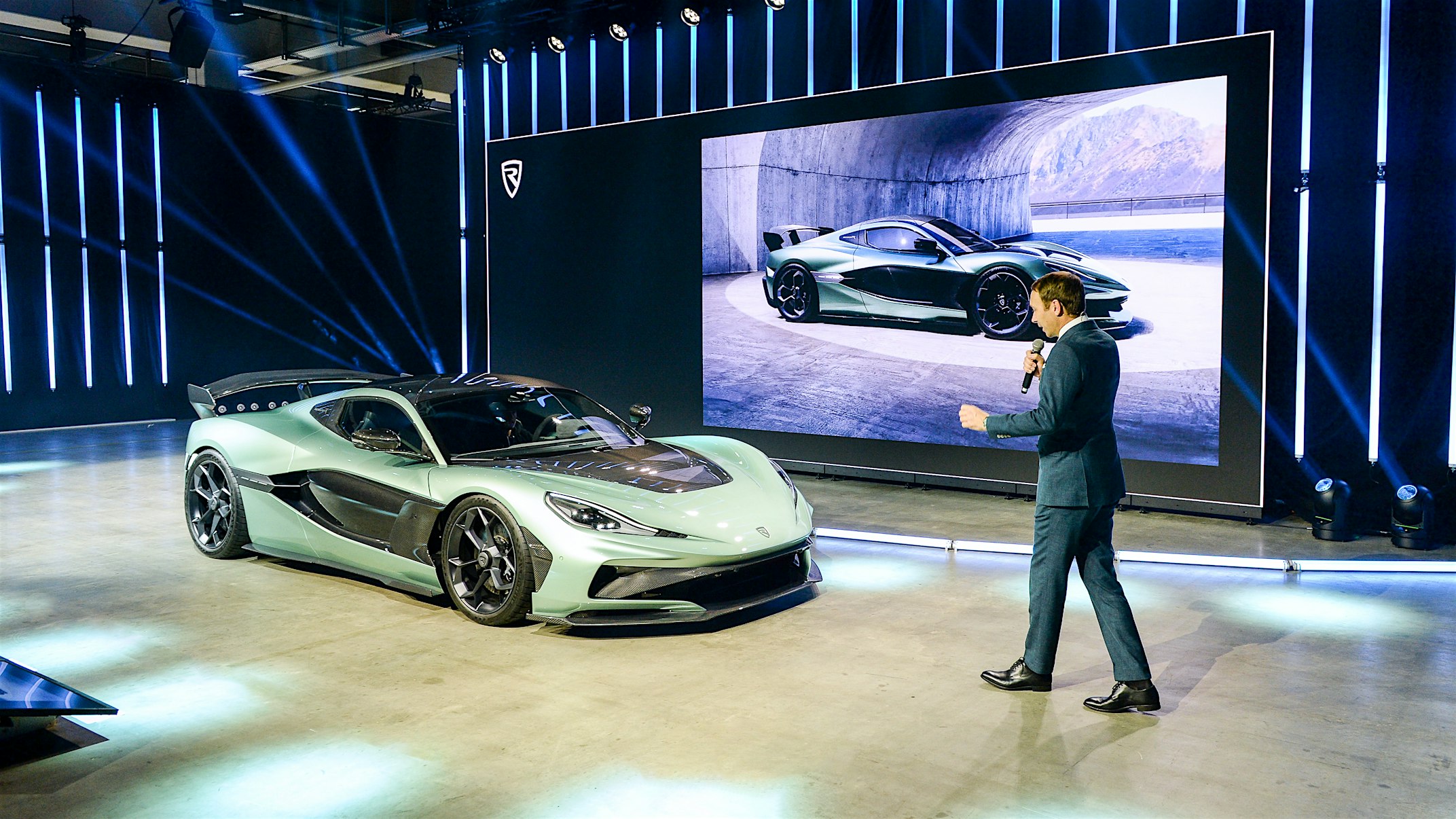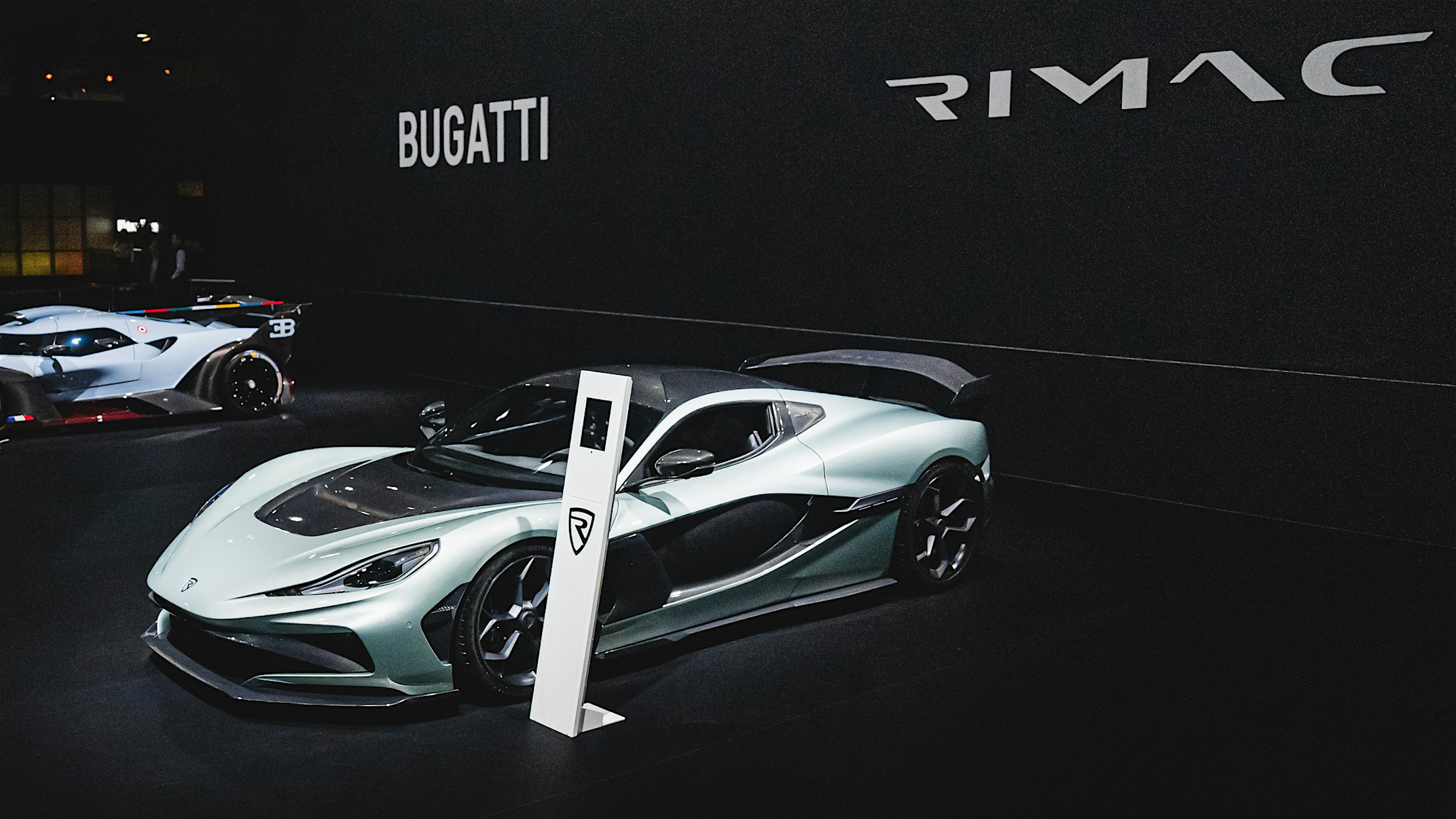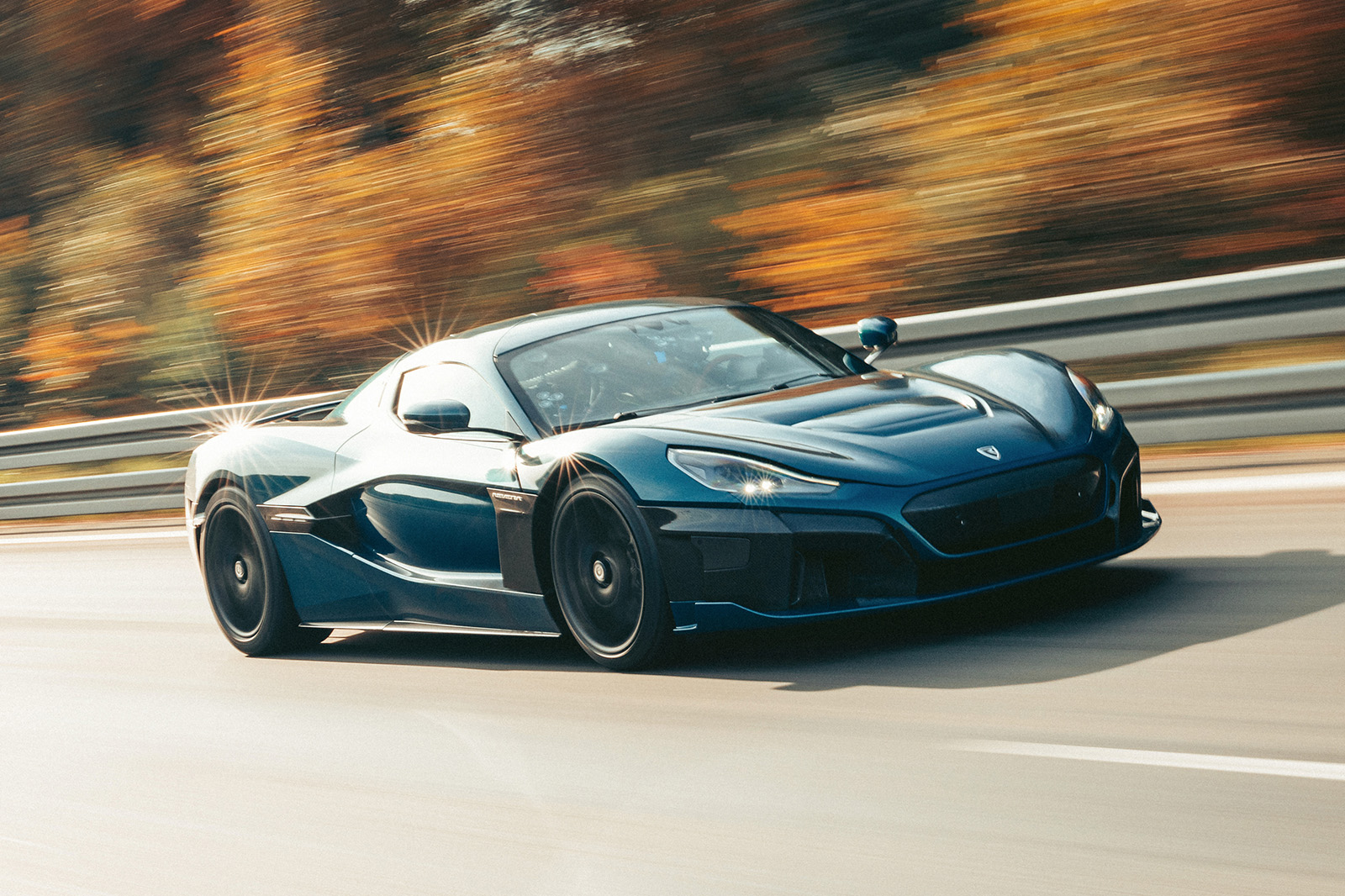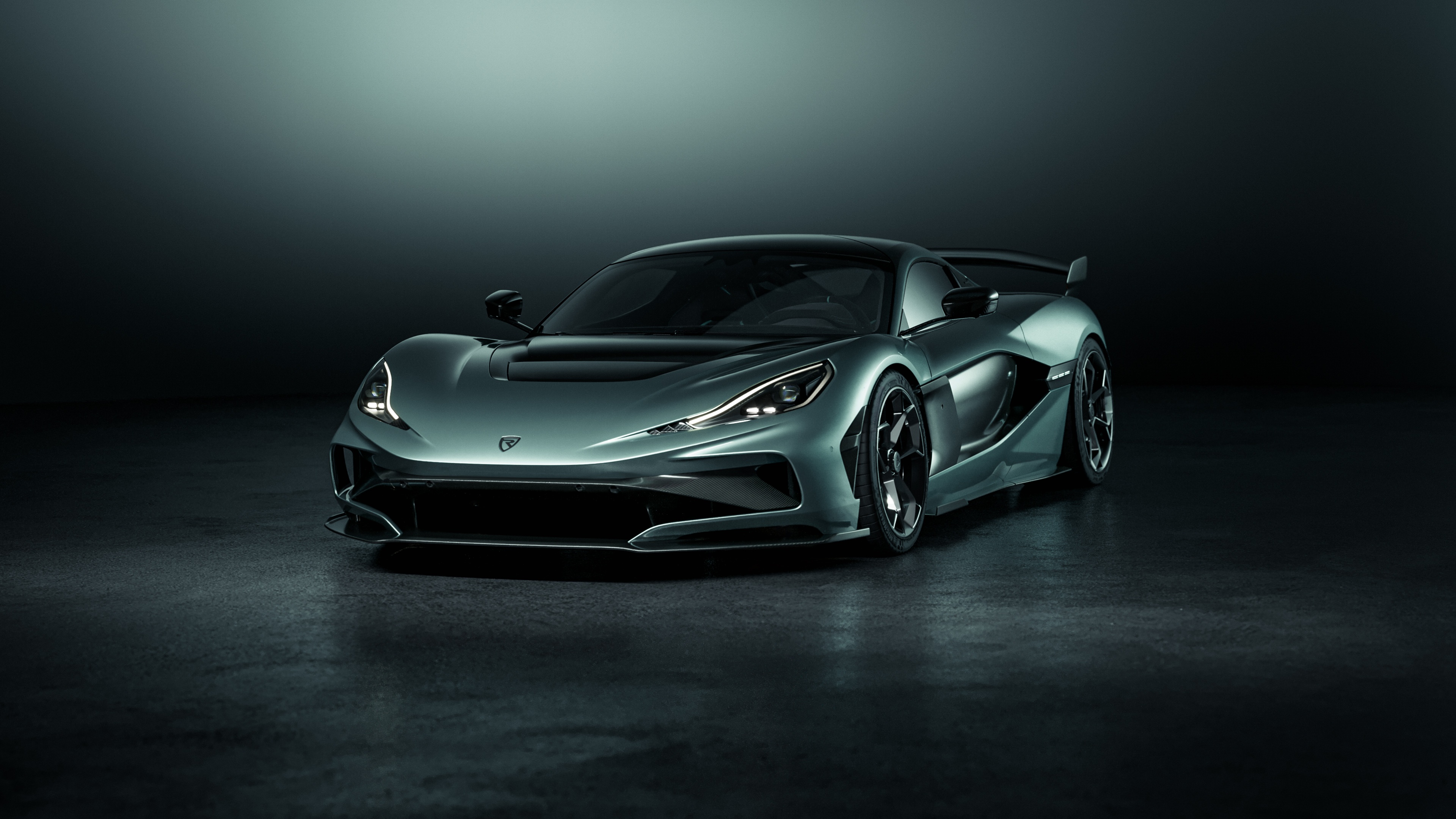
The Rimac Nevera is, by any conventional scorecard, a flop. Production stopped at 71 cars — barely half the roughly 150 units the company once intended to build. In a business that measures worth in volume, that reads like a surrender. But stare at the number long enough and it stops looking like a shortfall. It starts looking like the most cold-blooded strategic call in the hypercar game right now.
Because here's what those 71 cars actually did: they didn't just join the hypercar conversation, they blew it apart. With 1,914 horsepower, a sprint to 60 mph in under two seconds, and a top speed beyond 250 mph, the Nevera dismantled acceleration records that combustion legends spent decades defending. And it did it as a genuine road car — as one owner proved by driving his Nevera 1,391 miles just to reach a service center. That single feat of endurance says more about engineering integrity than any spec sheet ever will. Rimac proved the technology, set the benchmark, and forced the world's most storied marques to take electric performance seriously.
The Calling Card, Not the Business
The Nevera was never meant to be a volume play. It was a statement of intent — a handshake with the industry. Rimac's real ambitions live elsewhere: battery systems, powertrain technology, and the sprawling engineering operation that supplies the broader automotive world. Building 150 cars instead of 71 would have added marginal revenue while burning scarce manufacturing capacity and engineering attention. Killing production early frees both for work with far greater leverage.
The recent appointment of Matthias Wich as Chief Financial Officer points exactly where this is heading — a company maturing from boutique builder to industrial supplier, and staffing itself for that future. The money isn't in the last Nevera. It's in everything the Nevera proved.
Ownership, Untangled
Then there's the ownership picture. Porsche's completed exit from both Bugatti Rimac and Rimac Group, with the accompanying lift to its 2026 cash flow outlook, might look at first glance like a loss of confidence. It isn't. It's the natural unwinding of a strategic investment — and it leaves the Bugatti Rimac structure, now through its ownership transition with a confirmed leadership team, consolidated and clear-eyed. Fewer cooks. Sharper focus. A founder who still controls the direction.
That clarity matters more than any spreadsheet line. When you're building hypercars and selling engineering to the rest of the industry at the same time, ambiguity is expensive. Rimac just bought itself a cleaner boardroom.
The Founder's Contrarian Instinct
Mate Rimac's own instincts deserve a closer look. He's been unusually candid that the future of supercars lies in old-school combustion engines — and that European brands should ditch the screen-obsessed arms race and compete on luxury rather than chase China at any cost. Coming from the man who built the definitive electric hypercar, that isn't nostalgia. It's positioning.
Rimac knows precisely what electricity can and cannot deliver emotionally. He's applying that knowledge across a portfolio that now spans both worlds. A CEO who can be spotted snow-testing the Bugatti Tourbillon and reverently admiring a V10-swapped BMW E30 is a CEO who understands that heritage and innovation aren't adversaries — they're the same conversation, held across decades.
Why 71 Beats 150
There is discipline in stopping at 71. The alternative — discounting, stretching the run, chasing a number — corrodes the very scarcity that gives a hypercar its aura. Every Nevera built is now a permanent artifact, a finished statement rather than one of an overlong production run. Rarity compounds value. Value compounds reputation. Rimac traded a vanity metric for something far more durable.
The production line has gone quiet, but the company it built is louder than ever. Seventy-one cars were never the point. They were the proof. And the smartest companies know that once proof has been delivered, the next chapter matters more than the last one.