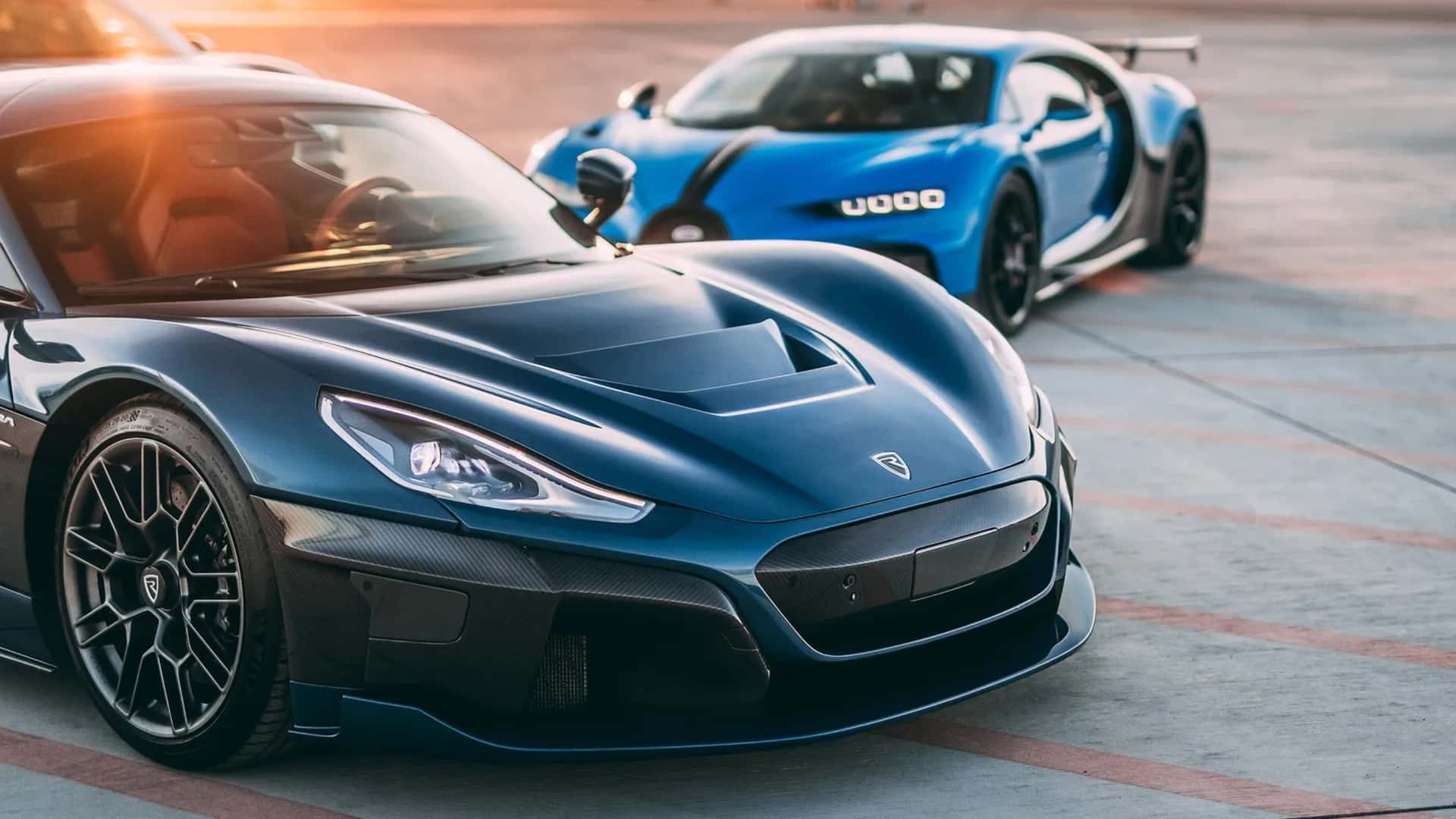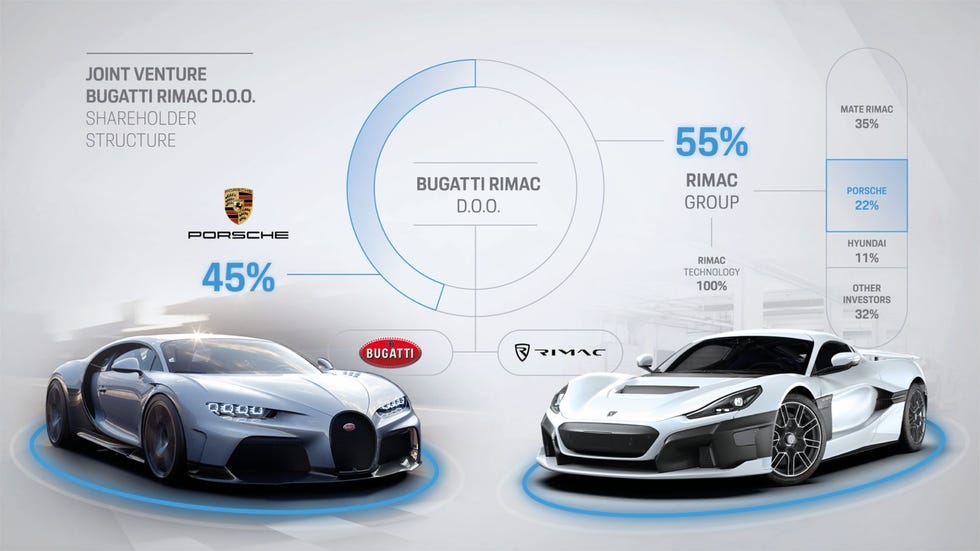
The most consequential transaction in the hypercar world this decade closed with remarkably little fanfare. Porsche AG has completed the sale of its stakes in both Bugatti Rimac and Rimac Group, collecting roughly $1.2 billion and formally ending the Volkswagen Group's fourteen-year stewardship of Bugatti.
The buyer is HOF Capital, a New York-based investment firm that completed a €1 billion acquisition of Porsche's holdings, with legal advisors at Dentons shepherding the transaction across the line. What the deal ultimately accomplishes is simpler and far more dramatic than its financial mechanics suggest: Mate Rimac, the Croatian engineer who started building electric drivetrains in a garage, now stands as the controlling force behind the most storied name in automotive history.
Porsche's Unsentimental Calculus
For Porsche, the logic was characteristically unsentimental. The sale lifts the company's 2026 cash flow outlook and frees capital for a wider margin strategy at a moment when the broader Volkswagen Group is tightening its belt. Bugatti, for all its mystique, was never going to move the needle on Porsche's balance sheet the way core model lines do.
The exit also arrives as something of an ideological homecoming. Under VW ownership, Bugatti spent years chasing hybridisation and electrification roadmaps that sat awkwardly against the brand's identity. Now, with Mate Rimac as CEO, the company is charting a different course entirely — one that embraces combustion rather than apologising for it.
Combustion Theatre, Rimac Style
That philosophical shift is not theoretical. Rimac has said plainly that the future of supercars lies with old-school internal combustion, a position that would have been unthinkable from a Volkswagen-appointed executive. The Bugatti Tourbillon embodies it: a naturally aspirated V16 hybrid that Rimac himself has put through winter testing, snow spraying off its haunches, in a deliberate display that the marque's new leadership is hands-on rather than corporate.
The symbolism is hard to miss. A man who built his reputation on electric hypercars now presides over Bugatti's return to combustion theatre — and he clearly relishes the contradiction.
Two Brands, Opposite Answers
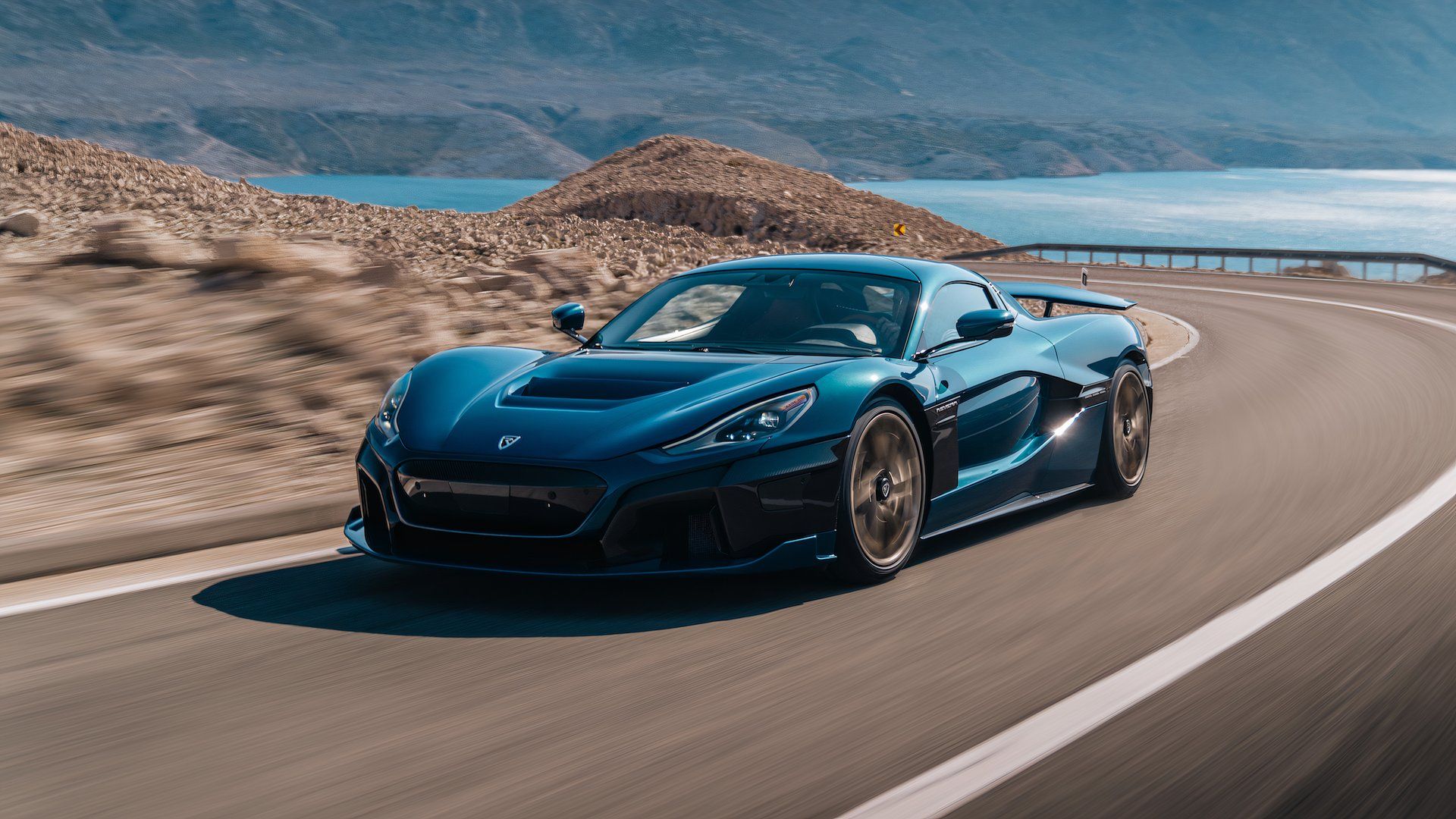
Rimac's own brand remains the electric counterweight. The Nevera continues to define what a battery-electric hypercar can be, with its quad-motor powertrain and record-shattering acceleration still drawing fresh reviews and specification breakdowns well into its production run.
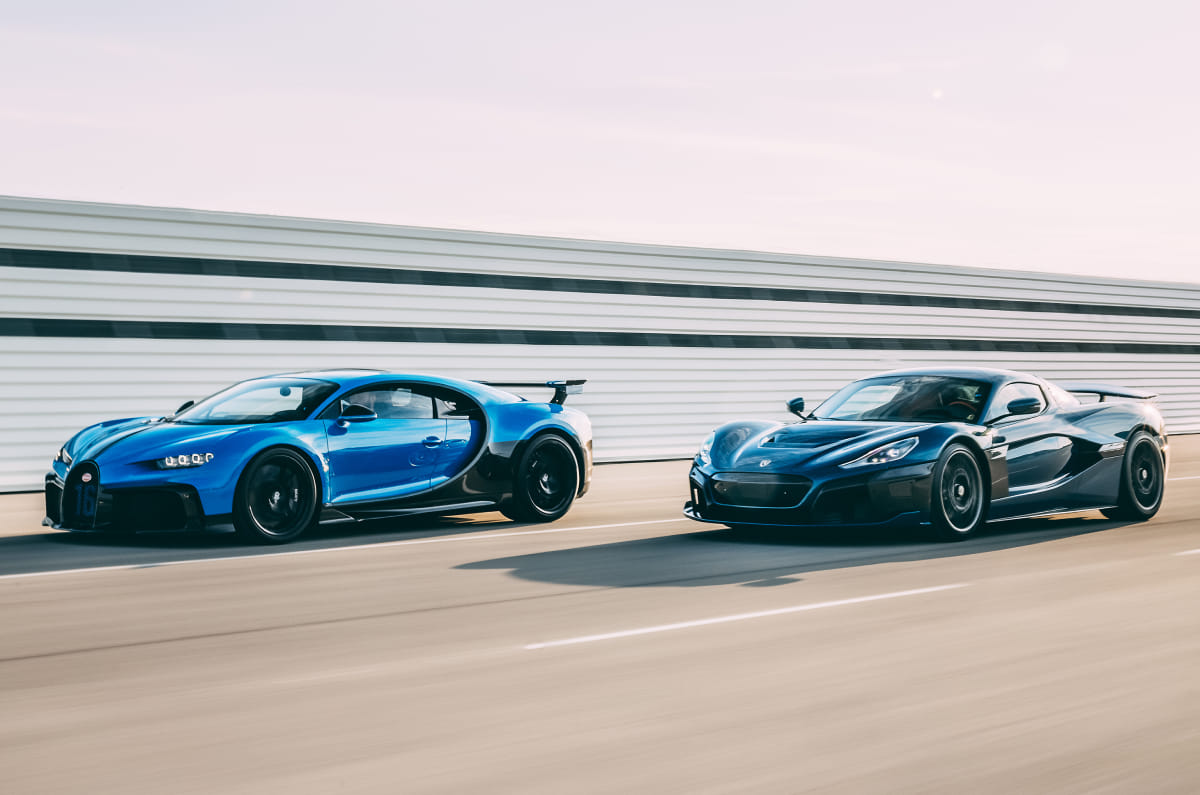
The emerging structure is elegant in its clarity: Rimac carries the electric flag, Bugatti carries the combustion legacy, and both answer to the same founder. It is a portfolio built on philosophical opposites rather than overlap, and it gives the group cover in either direction the market turns.
The wider industry is already responding. Saudi Arabia's first domestically branded car — an 850-horsepower gullwinged SUV — reportedly draws on both Rimac and McLaren DNA, a signal that Rimac's engineering credibility now functions as a global export. Meanwhile, the sight of Christian von Koenigsegg piloting a Bugatti W16 Mistral with Rimac in the passenger seat offered the hypercar world a rare image of rival-founders-as-collaborators, two visionaries comparing notes at the very top of the pyramid.
The Committee Era Is Over
What remains is the leadership question, and it has been answered. Bugatti Rimac has confirmed its new leadership team and completed the ownership transition, with no Volkswagen-appointed layer remaining between Rimac and the decisions that shape Bugatti's future. The era of committee-approved hypercars, of electrification targets imposed from Wolfsburg, is over.
What replaces it is something more volatile and considerably more interesting: a single founder's judgment, applied across two brands that represent opposite answers to the same question.
For enthusiasts, that is cause for cautious optimism. Bugatti's next chapter will be written by someone who drives his own prototypes in the snow, who argues publicly for combustion when the industry consensus runs the other way, and who built an electric car company precisely because no one would give him the chance to build anything else. Porsche took its $1.2 billion and walked away. Rimac stayed — and now owns the future outright.