Porsche has closed the door on its Bugatti chapter, selling its stakes in both Bugatti Rimac and Rimac Group for more than a billion dollars and formally ending the Volkswagen Group's two-decade stewardship of Molsheim's most mythical nameplate. The buyer: a consortium led by HOF Capital. The architect: Mate Rimac, now standing at the helm of a company that controls the most storied badge in hypercar history.
For anyone who has watched the Nevera tear its way into the record books, the reflex question arrives fast. What happens to Croatia's electric hypercar now? Is it a footnote in a combustion-driven empire, or something considerably more valuable?
A Tale of Two Buyers
The concern isn't idle. When a company swallows a brand as mythologised as Bugatti, engineering talent, capital, and executive bandwidth get redistributed. Bugatti's clientele pays seven figures for heritage, mechanical drama, and the unmistakable thunder of a W16 or whatever eventually replaces it. Mate Rimac himself has argued publicly that the future of supercars lies with old-school combustion engines — a remarkable position for the man whose own company built the fastest electric production car on Earth.
Read cynically, that sounds like a founder preparing to sideline his EV. Read carefully, it sounds like someone who understands that Bugatti and Rimac chase entirely different buyers.
The Nevera Was Never a Volume Play
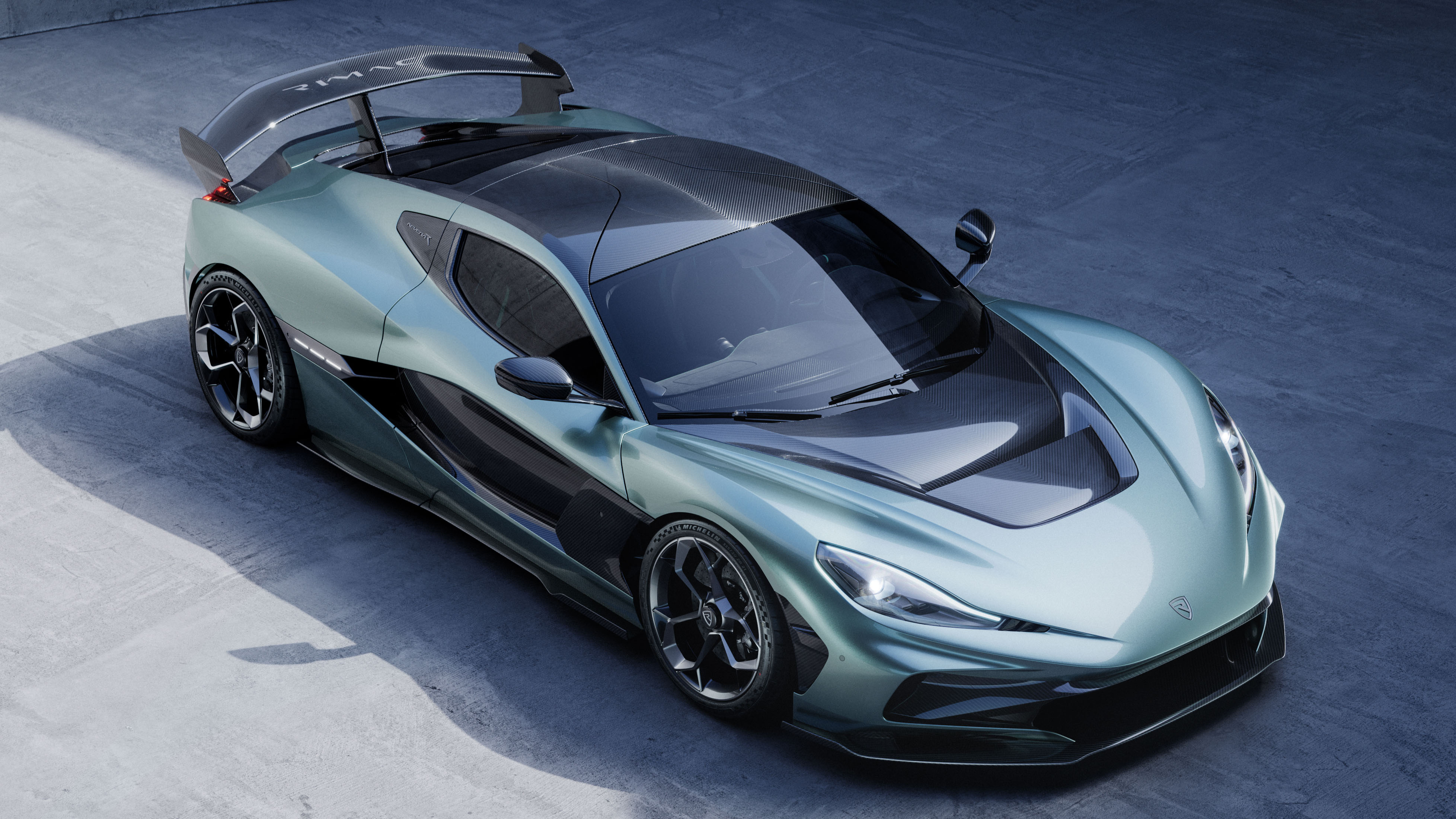
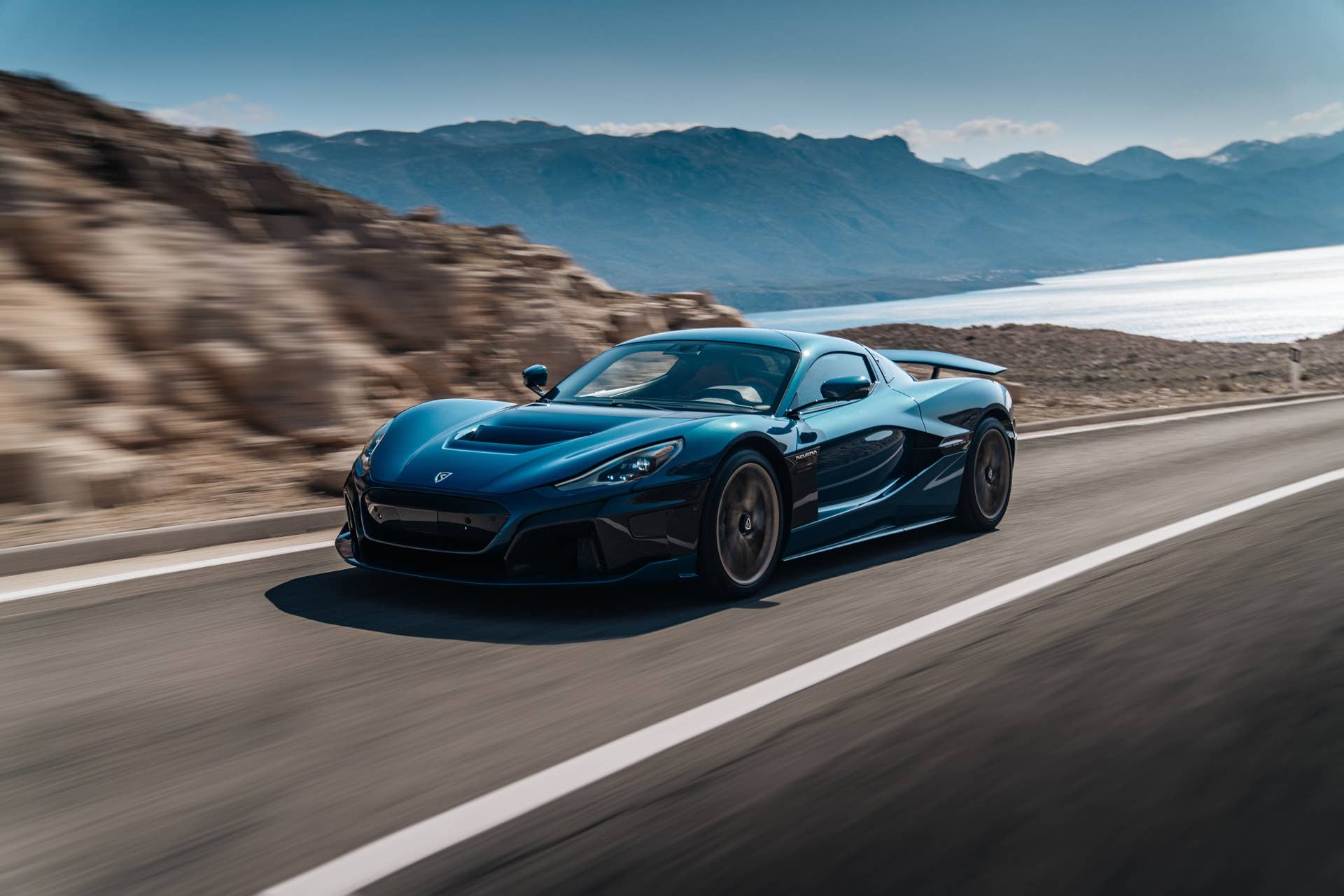
That distinction carries real weight. The Nevera was never conceived as a heritage proposition. It exists to demonstrate what Rimac's technology can do at the absolute limit — sub-two-second acceleration, a top speed north of 250 mph, and a torque-vectoring system so intricate it borders on sorcery. Its purpose was always twofold: establish credibility, and serve as a rolling laboratory. Every Nevera on the road is a proof of concept for the battery management, thermal control, and software architecture Rimac sells to other manufacturers.
Owning Bugatti doesn't diminish that mission. It funds it.
Bugatti as the Financial Engine
Consider the economics. Bugatti is low-volume, high-margin, and armed with a century of brand equity and a waiting list of buyers who care little about the direction of the broader market. That's exactly the kind of cash-generative asset that can underwrite expensive, long-horizon electric research without the quarterly earnings pressure of a publicly traded parent.
Under Volkswagen, Bugatti was a niche curiosity inside a vast conglomerate. Under Rimac, it becomes the financial engine behind a technology company. The Nevera, far from orphaned, gains a patron with both the motive and the means to keep pushing.
A Portfolio That Hedges the Future
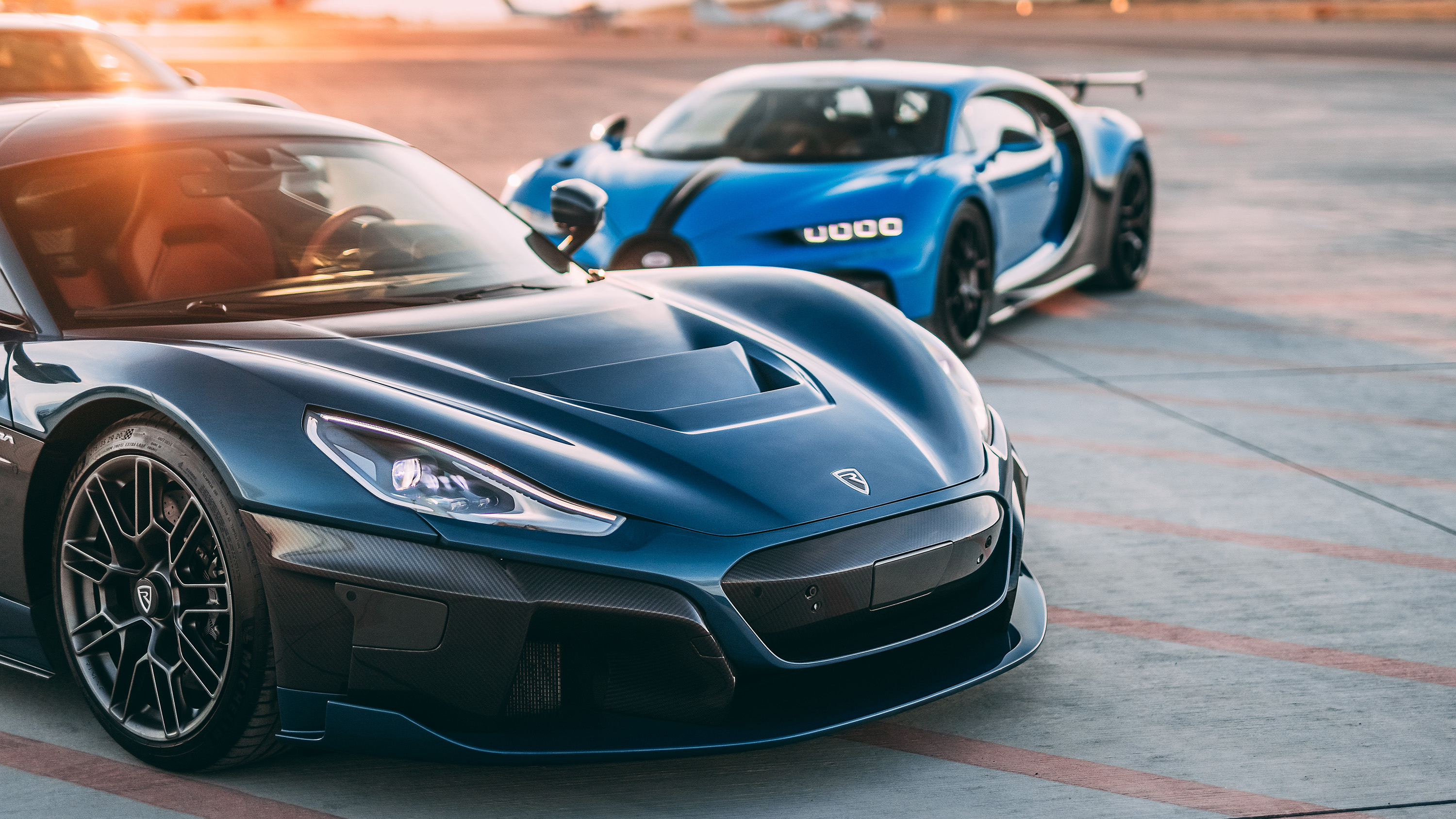
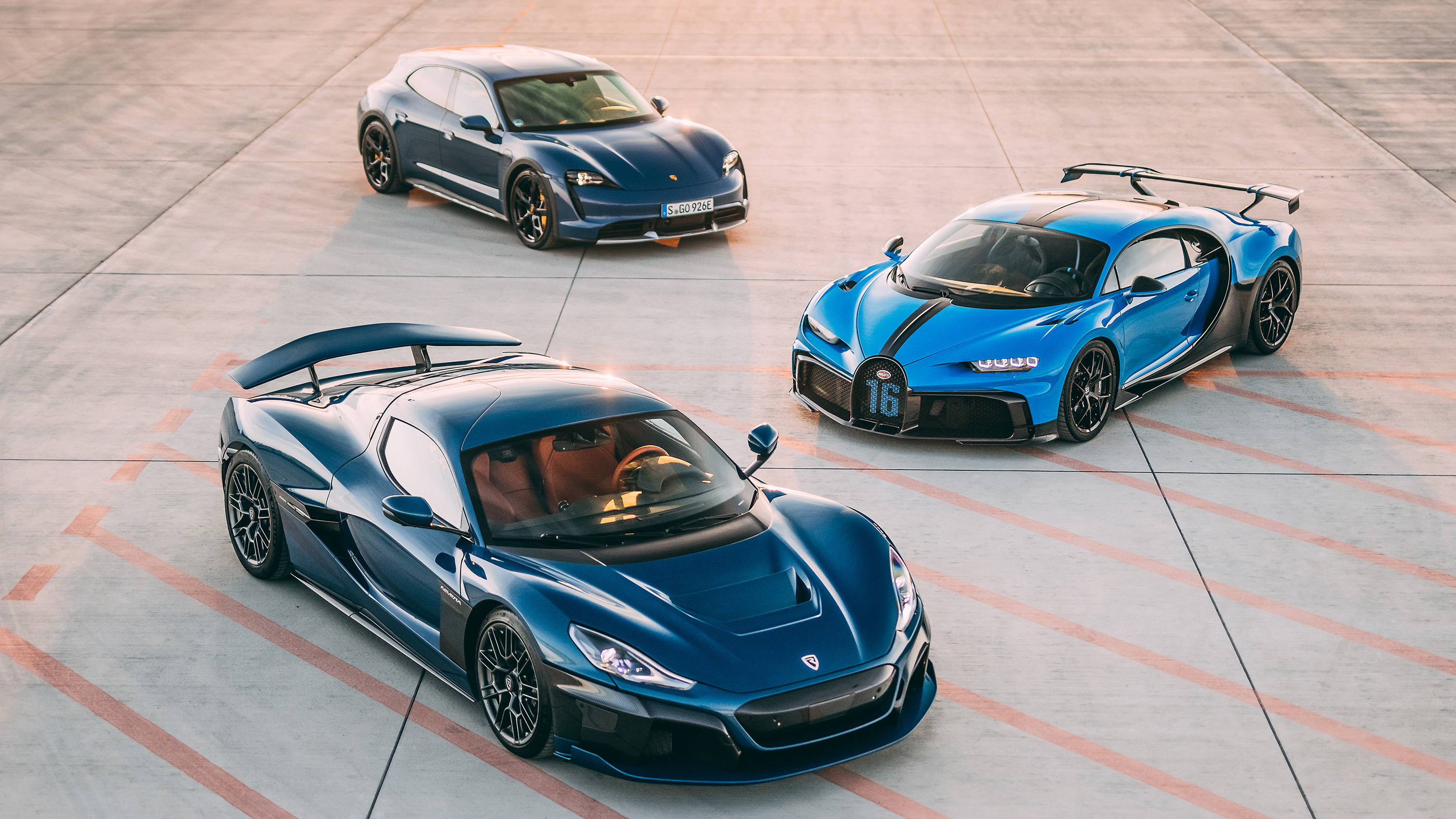
There's positioning to consider too. Bugatti and Rimac now sit under the same roof but occupy opposite ends of the philosophical spectrum — one devoted to combustion artistry and hand-built tradition, the other to silent, instantaneous, software-defined performance. Rather than cannibalising each other, they form a portfolio hedged against regulatory uncertainty. If combustion survives in the ultra-luxury tier, Bugatti prospers. If electrification accelerates, the Nevera's lineage provides the roadmap. Mate Rimac has effectively bought optionality on the entire future of the supercar.
Sceptics will point to the Robotaxi programme in Croatia — Europe's first genuinely driverless commercial service — as evidence that attention is drifting toward mobility rather than hypercars. But this misreads the strategy. Autonomy, electrification, and high-performance engineering share the same underlying competencies: sensors, power electronics, relentless software integration. The Nevera isn't competing with a robotaxi for resources. It's the flagship that makes the broader enterprise credible. Nobody hires Rimac to engineer a battery pack because of a taxi. They hire Rimac because the Nevera exists.
What the takeover ultimately changes isn't the Nevera's fate but its context. It's no longer the flagship of a scrappy Croatian startup punching above its weight. It's the technological crown jewel of a group that now owns the most prestigious badge in motoring. That's a strange inheritance for an electric car — and an unexpectedly secure one. The Nevera's future was never going to be decided by volume or profit. It was always going to be decided by whether Rimac could afford to keep building the impossible. Thanks to Bugatti, the answer is now yes.