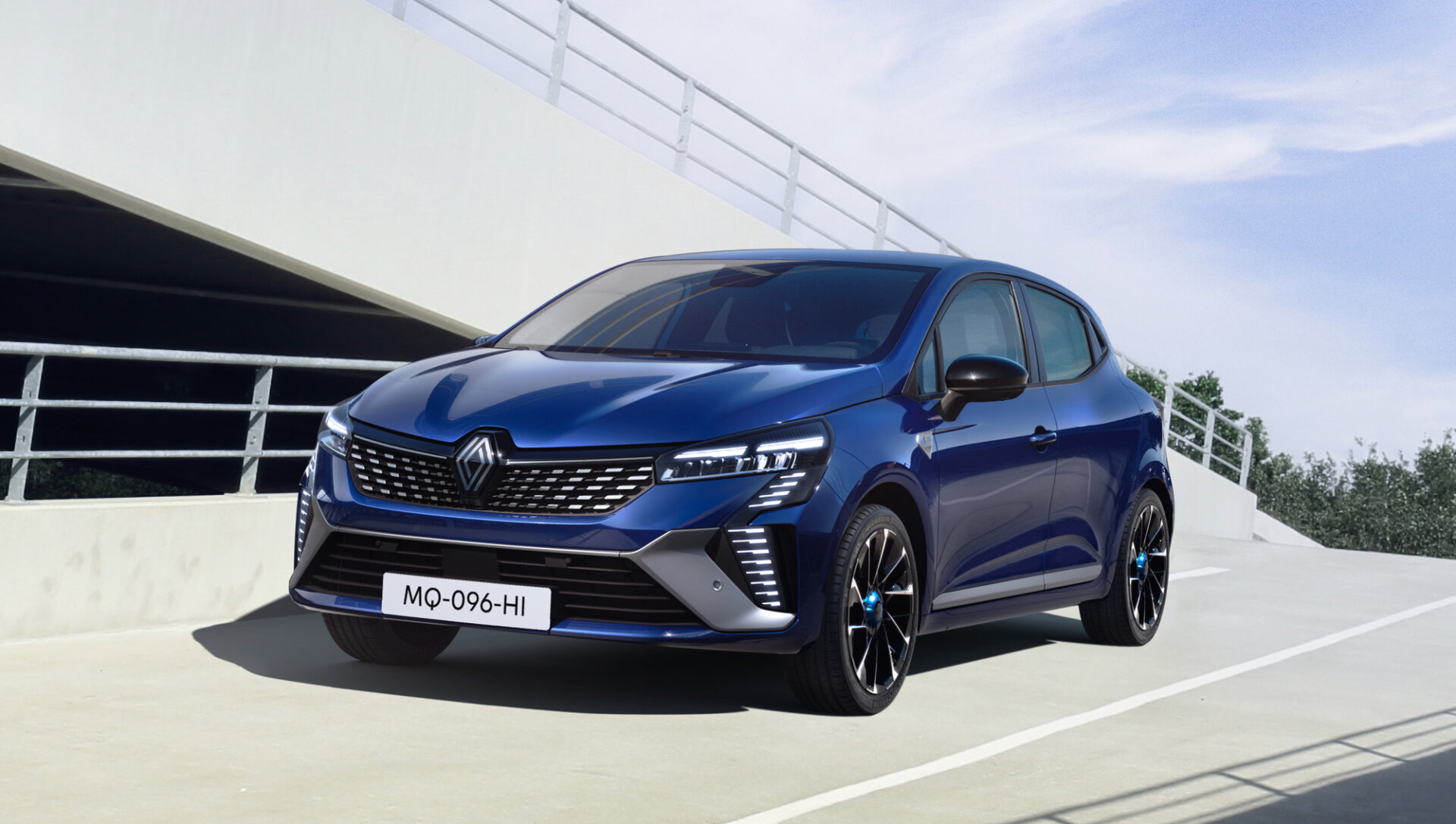
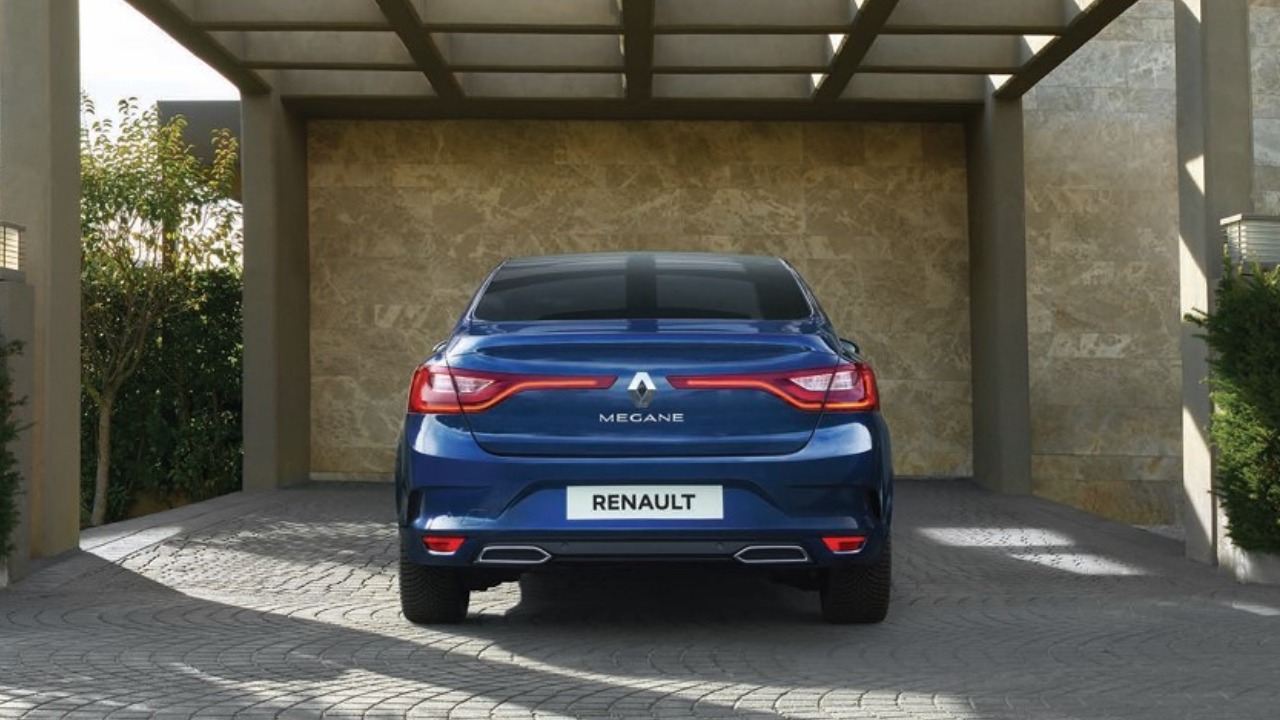
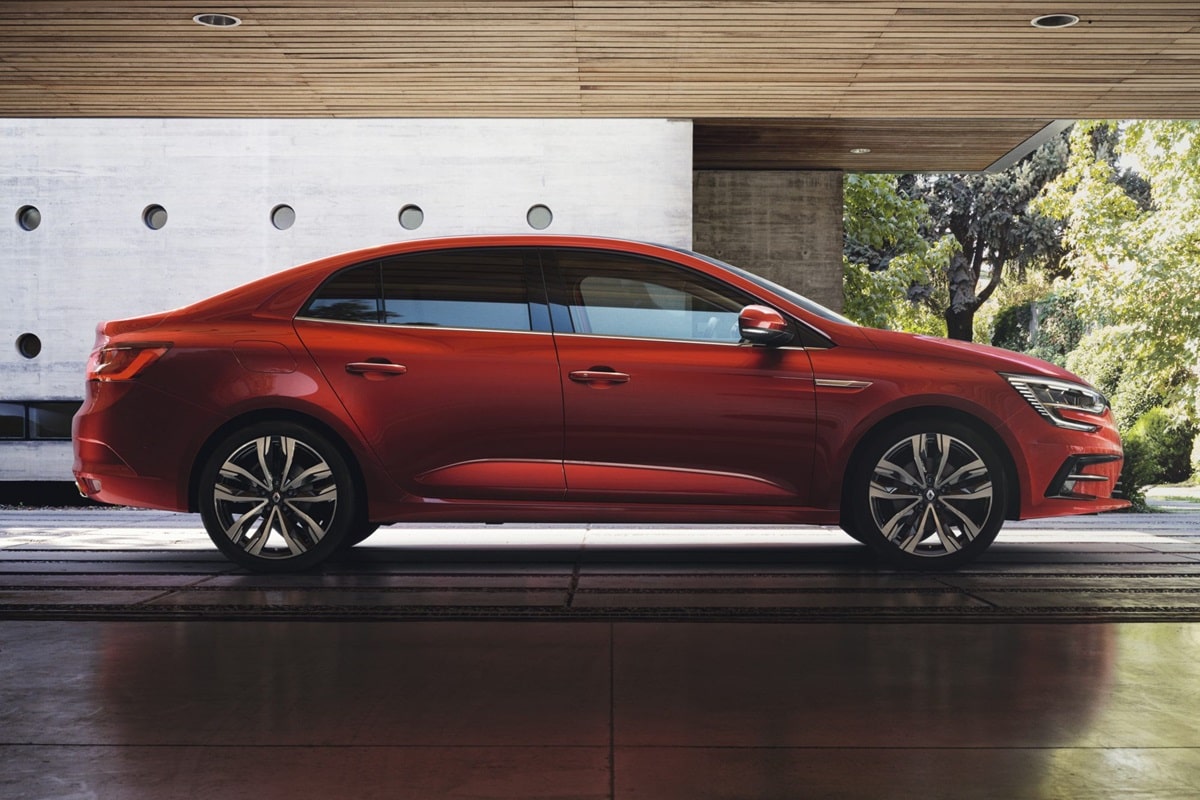
Renault spent a century earning its stripes on the saloon. From the stately 25 to the mass-market Laguna to the globally ambitious Talisman, the three-box four-door was the brand's calling card. So scan the news cycle in 2025 and something looks badly out of joint: a revived Twingo spawning a Nissan-badged sibling called the Pixo, a refreshed Renault 5 E-Tech gaining range at an unchanged price, and a Rafale Hypnotic crowned the company's most expensive SUV to date. Nowhere in that roll call is there a traditional saloon.
That absence isn't an oversight. It's the strategy — and it tells you exactly where Renault thinks its volume future lives.
The Pixo Is the Whole Story
Buried in the small print of the alliance is the detail that matters most. Nissan's new Pixo is, by every credible account, a Renault Twingo underneath — French bones, Slovenian assembly, Japanese badge. This is the Renault-Nissan-Mitsubishi alliance running precisely as designed, and it reveals the company's real bet.
The Twingo, alongside the Dacia Spring, now anchors an entry-level electric trio that spreads development costs across three brands and multiple markets. For a company that once poured billions into saloons with thin margins and shrinking demand, the economics of a shared small-EV platform are irresistible. Three badges, one bill. That's not badge engineering as an insult; it's badge engineering as survival.
Halo Cars Don't Pay for Factories
Consider the contrast at the top of the range. The Rafale Hypnotic may be Renault's most expensive SUV, a halo exercise in premium positioning — but halo cars don't pay for factories. They flatter the brand and empty the pockets of a fortunate few.
The Renault 5 E-Tech, meanwhile, keeps grabbing headlines for a far more pragmatic feat: adding range without adding cost. That's the kind of engineering discipline small EVs demand, where every kilowatt-hour has to be earned rather than simply bought. And the Renault 4, which one long-term reviewer described as "fabulously French," has become a cultural ambassador in a way no recent saloon managed. These are the products generating genuine consumer excitement — and they're all small, all electric, all built on scalable architecture. The pattern isn't accidental. It's arithmetic.
A Platform Provider, Not Just a Badge
The logic extends well beyond Renault's own showrooms. Reports of a Honda and Renault collaboration, and even a design study imagining an Indian tuk-tuk reworked as a Renault-style mini EV, point to a brand increasingly comfortable as a platform provider and compact-EV specialist rather than a purveyor of traditional three-box saloons.
At the Paris Motor Show, Renault Group presented fifty vehicles including six new models, framing technological innovation as a service to customers. Follow that framing to its logical conclusion and you arrive at the sub-£20,000 electric segment — where the Twingo now battles the Honda Super-N — and you find the place where that innovation is being tested most ruthlessly. Small cars, tight margins, fierce competition. This is where Renault is sharpening its tools.
The Sedan Isn't Dead — It's Just Not Paying
None of this means Renault has abandoned the saloon outright. It means the saloon can no longer justify the investment on its own. The maths has turned hostile, and no amount of heritage can argue with a spreadsheet.
If a future Renault saloon arrives, it will almost certainly ride on a platform proven first in a small EV, amortised across alliance partners, and validated by the Twingo's commercial performance. The rebadged minicar isn't a side project, a stopgap, or an embarrassment to be quietly explained away. It is the laboratory, the cash generator, and the template.
There's an irony here worth savouring. Renault built its modern identity on the saloon, yet its most credible path back to sustainable profitability runs through the smallest cars it makes — cars that often wear someone else's badge. The Pixo may say Nissan on the tailgate, but it says something far more important about Renault's future on the chassis beneath it. Tradition is a fine thing to honour. It is a poor thing to bet the balance sheet on. Renault, to its credit, appears to have learned the difference.