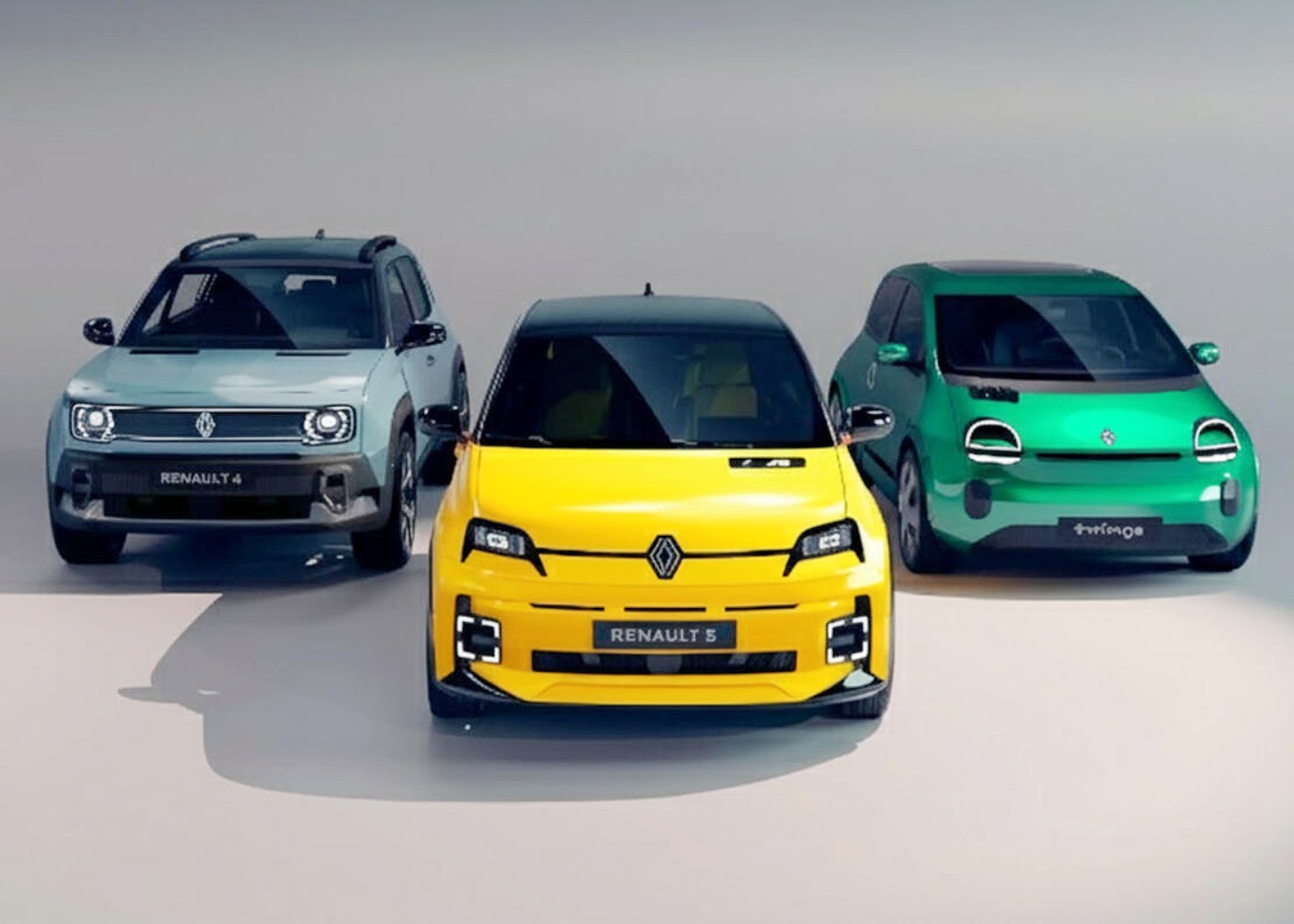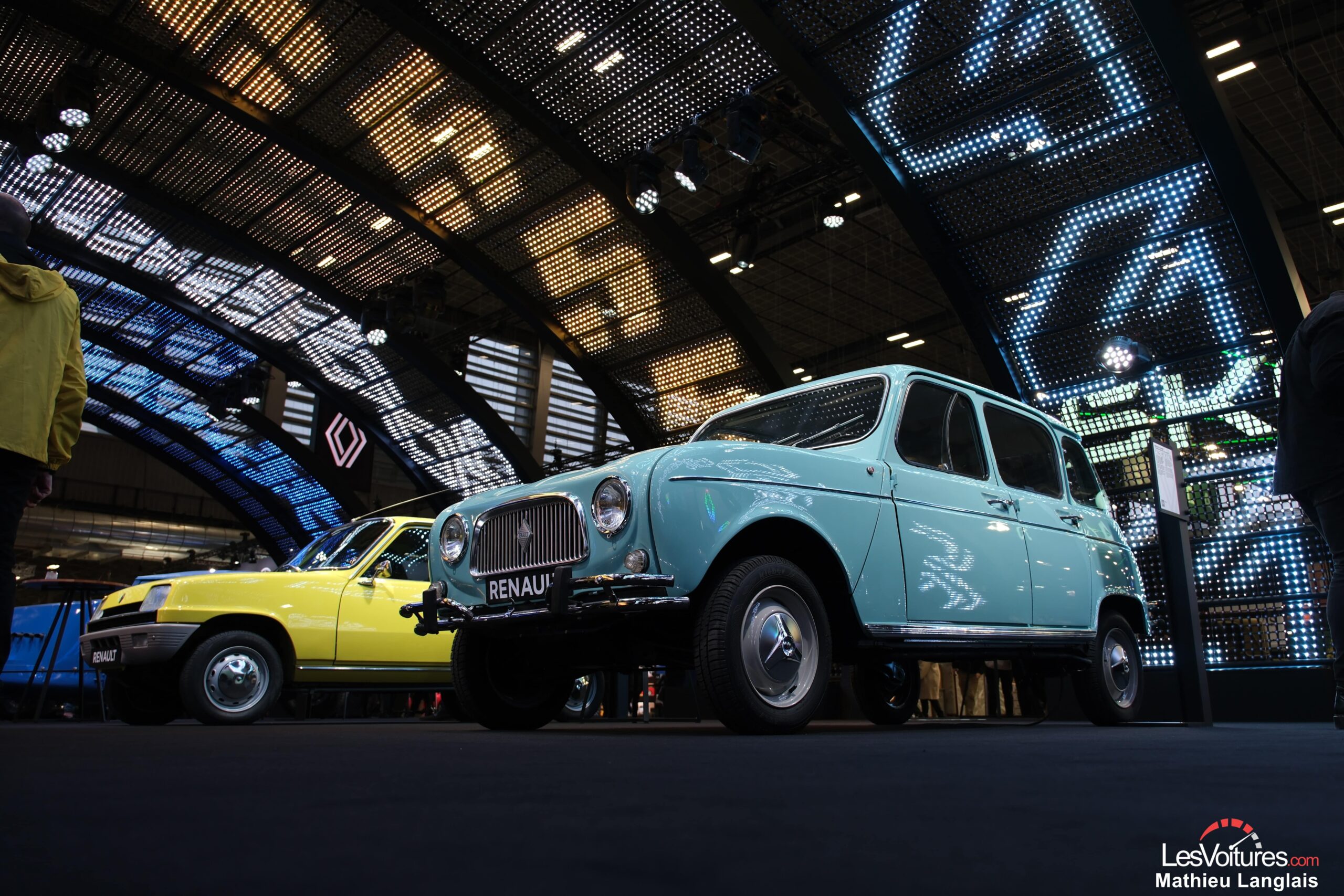
The most fascinating automotive spectacle of this decade isn't the march of battery chemistry or the rise of the software-defined vehicle—it's watching a major manufacturer weaponize its own memory. Renault has spent three years executing a masterclass in nostalgic product strategy, resurrecting the Renault 5 and Renault 4 as electric icons that have dominated European headlines and showroom footfall alike. But there's a curious void in this resurrection. While the B-segment hatchback basks in the glow of the Williams-inspired Renault 5 E-Tech, and the crossover market braces for the Renault 4's arrival, the traditional sedan sits in the corner, gathering dust. The question looming over the brand's 2026 roadmap isn't whether nostalgia works—the sales data confirms it does—but whether that same sentimental alchemy can be applied to the most unloved body style of the modern era.
The Formula That Works
The recent updates to the Renault 5 E-Tech reveal a brand doubling down on heritage-led electric propulsion. The entry-level LFP battery variant has lowered the price of admission, while range has been extended, and the new Clio Williams-inspired livery adds a layer of motorsport nostalgia that resonates deeply with Gen-X buyers who grew up watching blue-and-gold cars tarmac-bashing through the 1990s. This is the formula that made the 5 the UK's best-selling electric car—accessible pricing, practical efficiency, and a visual identity that triggers a Pavlovian response in anyone who remembers the original.
The problem? The sedan—the vehicle that historically anchored Renault's corporate fleet sales and taxi ranks—has no such emotional equivalent in the electric age. The Renault Twingo may have claimed Small Car of the Year at the Genius Awards, but it's a city car, not a saloon. The emotional architecture simply doesn't transfer.
Why Sedans Can't Catch the Retro Wave
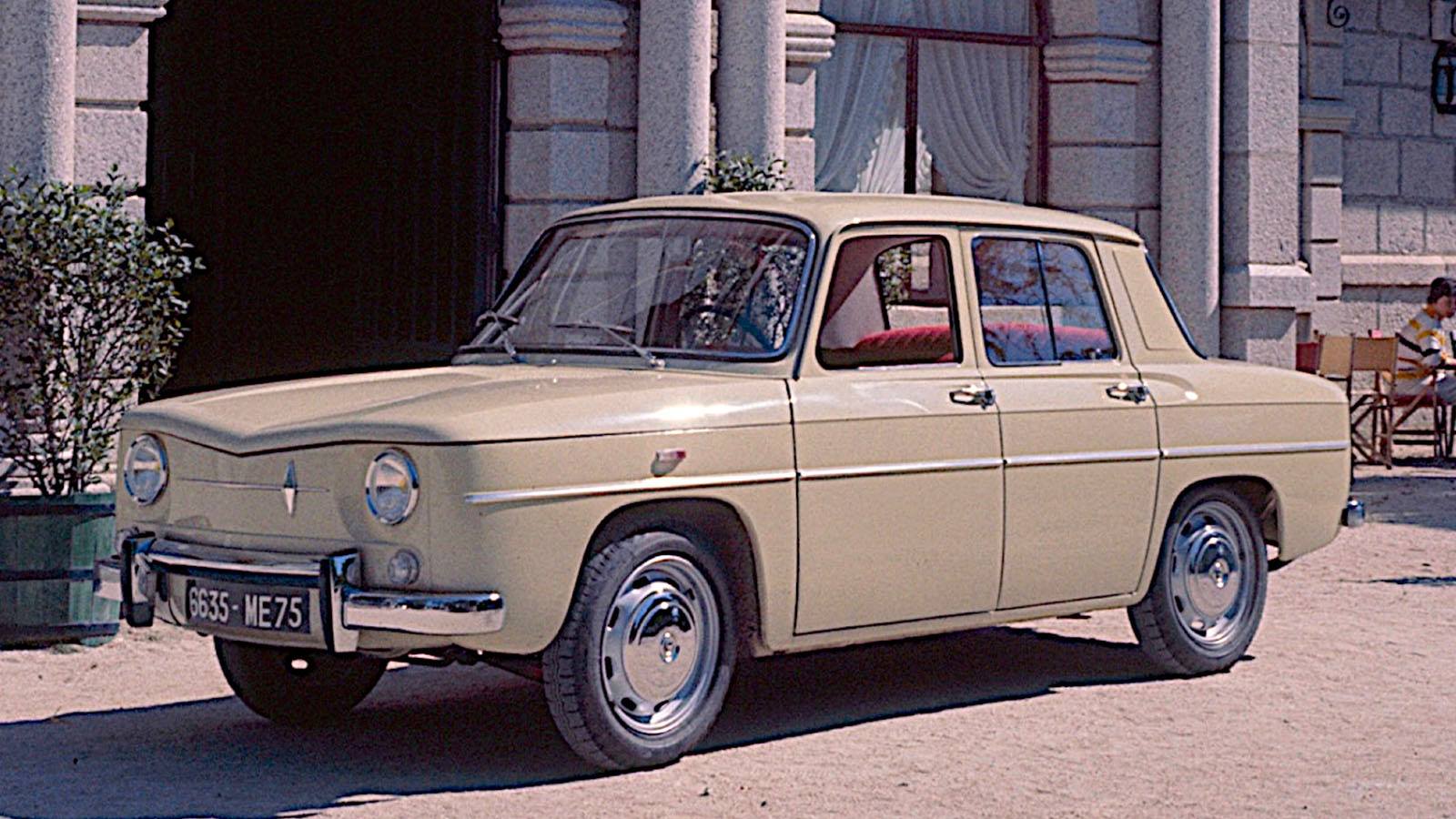
Here's the core tension: nostalgia is a spatial privilege. It works when the vehicle is small, cute, and evokes freedom or youthful rebellion. The Renault 5 and Renault 4 are compact, their retro cues—vertical taillights, boxy silhouettes, playful color palettes—inherently charming. A sedan, by contrast, is a statement of practicality and status. Think of Renault's iconic sedans past—the Renault 21, the Renault 25, the Safrane—and what surfaces isn't nostalgia for freedom but memories of long motorway commutes and the smell of cigarette smoke in a rental car. There's no fondness there.
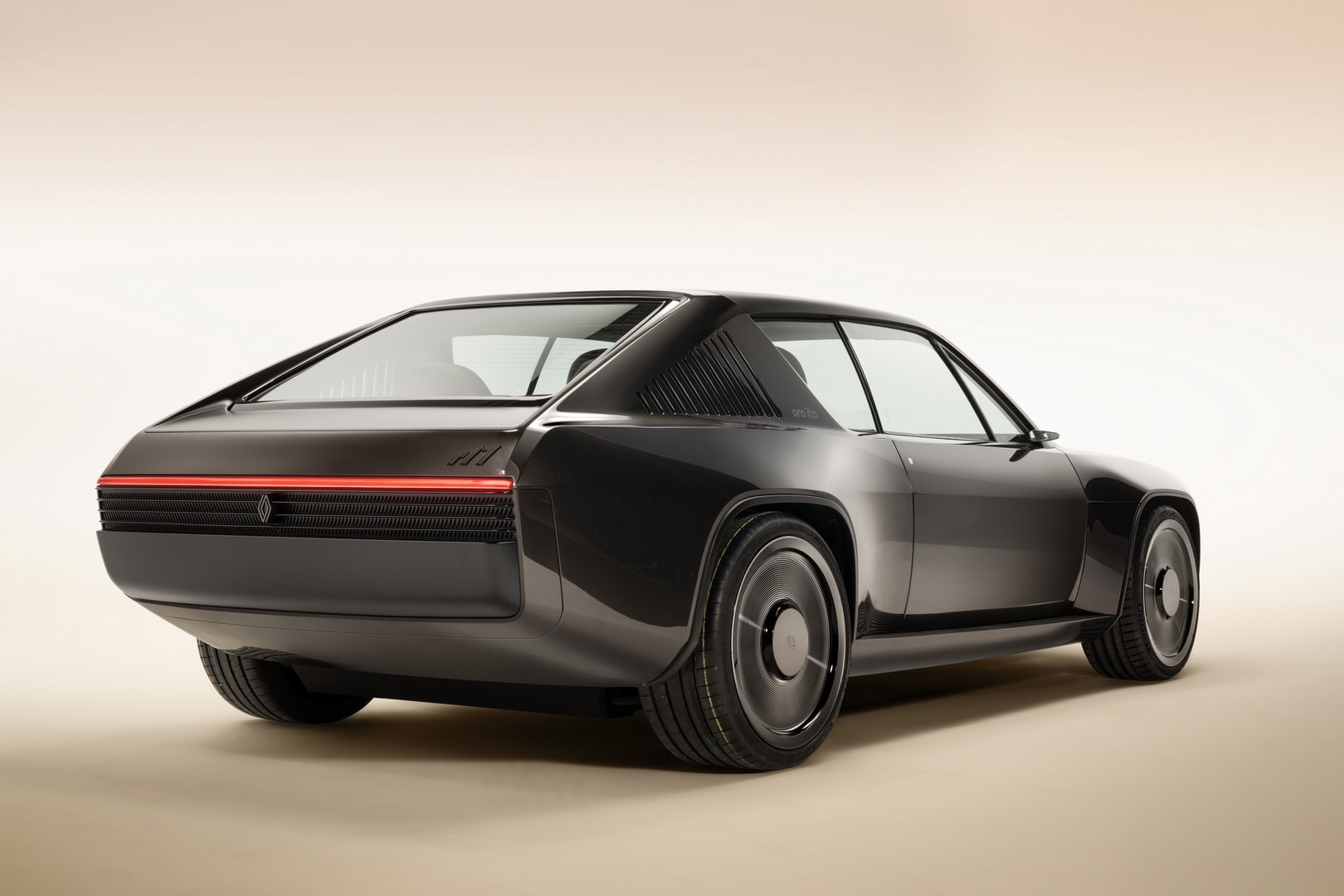
The modern EV sedan market, meanwhile, is dominated by sleek, aerodynamic teardrops from Tesla and Chinese brands, where the aesthetic is futuristic and cold. Injecting retro design language into that segment risks looking like a costume, not a design philosophy.
The Contrarian Case
Yet Renault's stubborn refusal to kill physical buttons—a decision highlighted by their recent engineering statements—suggests a brand willing to swim against industry fashion. If they'll retain tactile controls on grounds of safety and usability, why not apply the same contrarian logic to body style? Market data says the traditional three-box sedan is dying in Europe, crushed by SUVs and hatchbacks. But that death creates opportunity for a brand with the nerve to be different.
A retro-styled sedan, perhaps drawing on the sharp, angular lines of the Renault 19 or the late-80s Renault 9, could offer something the market hasn't seen in a decade: a proper, compact sedan with genuine character. The recent collaboration with Continental on lower rolling resistance tires and the focus on efficiency gains in the Renault 5 show the brand prioritizing range as a key selling point. But range is a neutral feature; it doesn't make you smile.
The only way a Renault sedan survives the 2026 onslaught is by abandoning the pursuit of the executive buyer and targeting the fleet driver and taxi market with a vehicle that's unabashedly utilitarian yet wrapped in a retro skin that stands out from the sea of grey crossovers. The Renault 4 has already proven the brand can take a historically utilitarian vehicle and make it desirable. The sedan must follow suit—but it cannot pretend to be sporty.
Honesty as Design Language
The honest answer is that nostalgia alone cannot sell a sedan in 2026, because the emotional connection to the sedan is fundamentally broken. The Renault 5 works because it's a reinterpretation of a car people loved. The sedan is a reinterpretation of a car people merely tolerated. For Renault to succeed, they must pivot the narrative away from nostalgia and toward a different kind of retro: retro as reliability and honesty. They need to build a sedan so refreshingly simple, so tactile, so deliberately old-school in its packaging that it becomes a statement of anti-conformity.
The brand is clearly capable of bold moves—the Twingo's success proves charm can be engineered. But the sedan market demands a different kind of courage. It requires admitting that the past isn't always a place you want to revisit, but a foundation upon which you can build something unexpectedly brave. Renault has already proven it can weaponize memory. The question for 2026 is whether it can weaponize honesty instead.