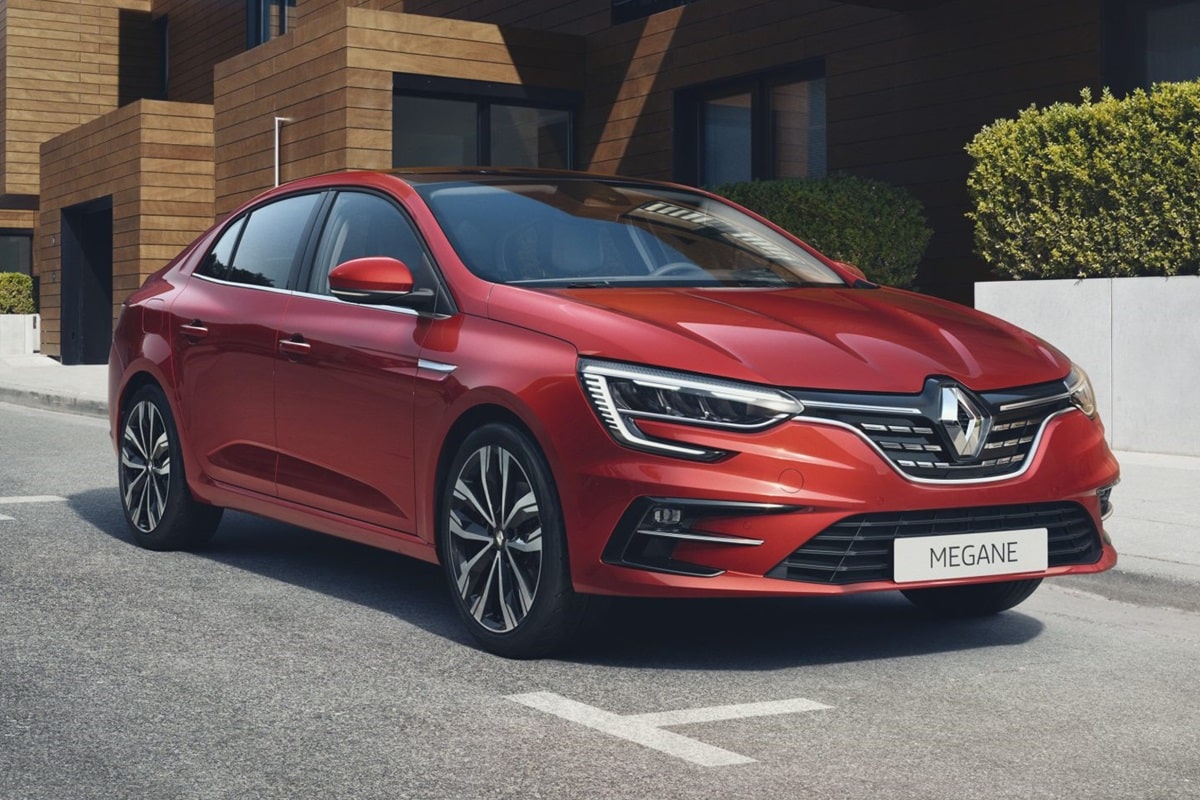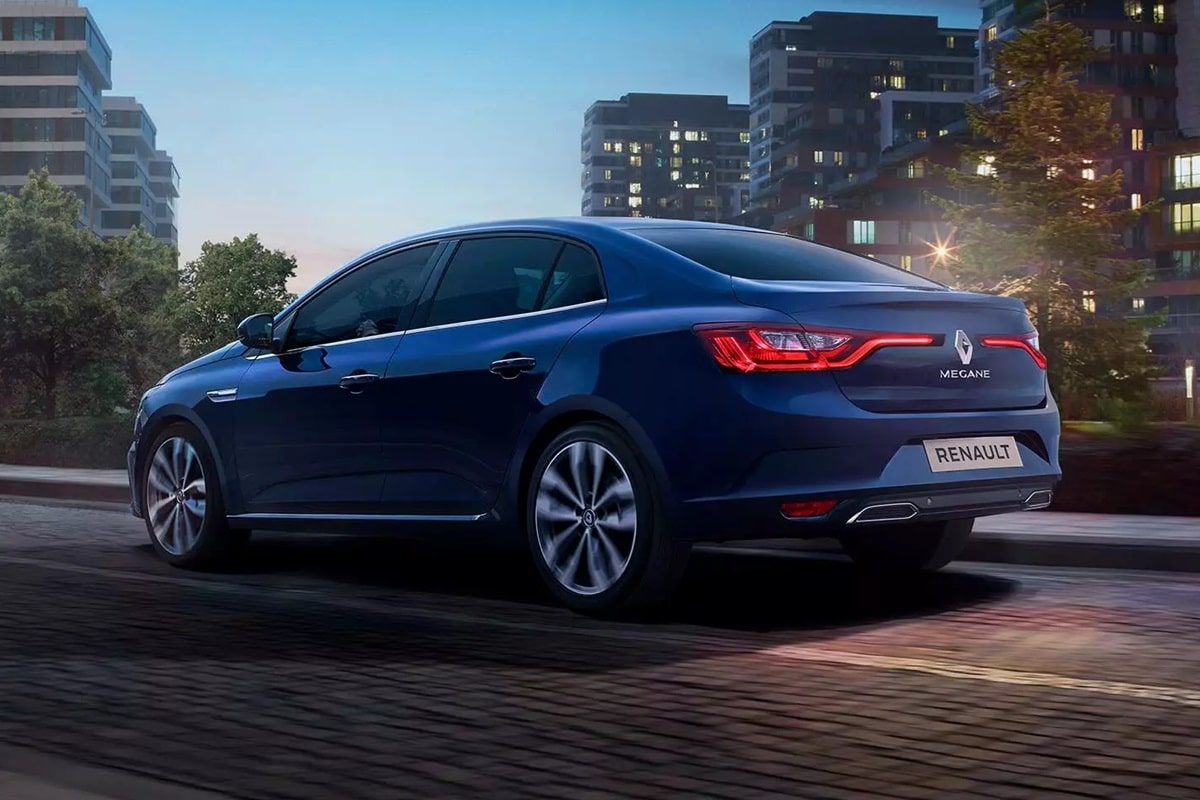
For the better part of three decades, Renault's growth story in South America was written in three boxes and a trunk. The Logan sedan, the Sandero hatch, and their various ruggedised spinoffs formed a value-first empire built on the premise that emerging-market buyers wanted sensible, affordable, four-door transport above all else. It was a coherent strategy, rigorously executed, and it made Renault a fixture in markets from Buenos Aires to Bogotá.
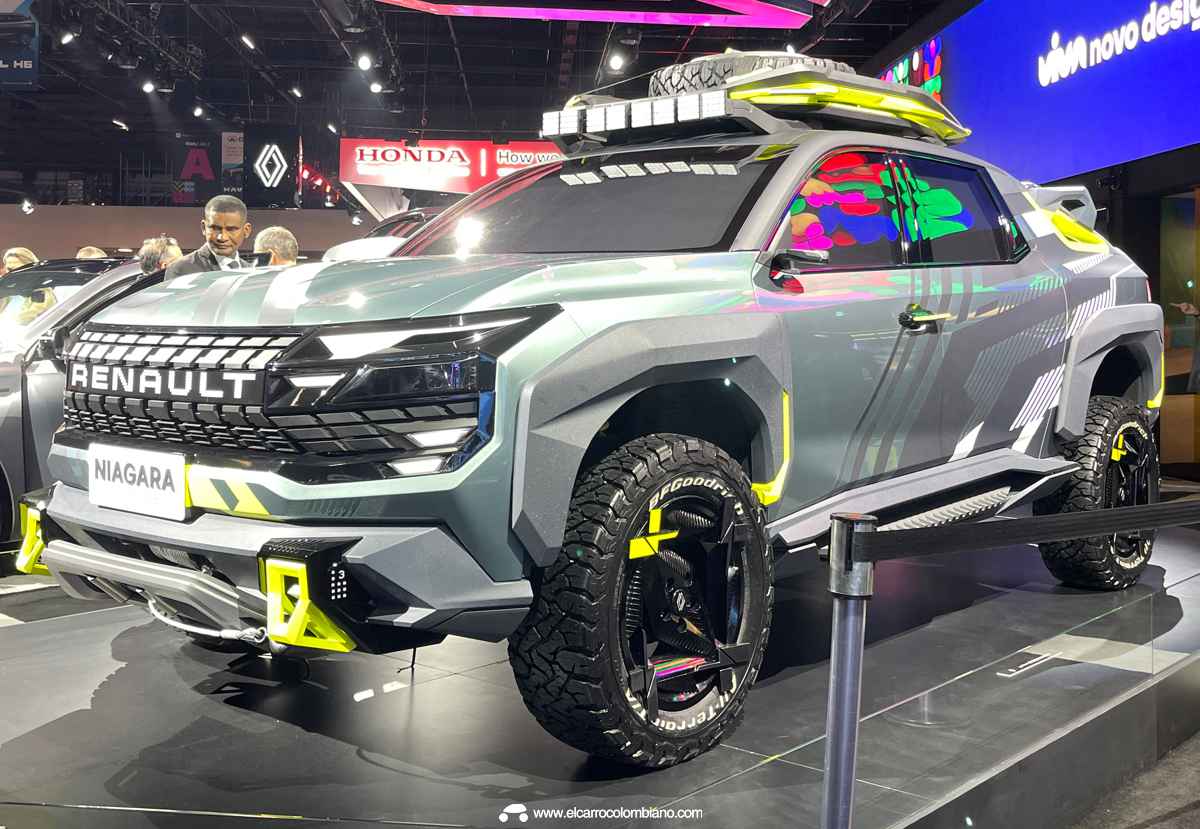
It is also, as of this month, officially being rewritten — and the pen doing the rewriting belongs to a half-ton pickup called Niagara.
A Strategic Confession, Not Just a Product Launch
The news, confirmed by Renault Group and reported widely including by Reuters and Automotive News, is that Renault will build the Niagara in Argentina, aimed squarely at South American buyers. On paper, this is a product announcement. In practice, it is a strategic confession. Renault has looked at where the money is actually going in Latin America and concluded that the sedan-shaped ladder it spent years climbing now leans against the wrong wall.
The case for that conclusion is difficult to argue with. South America's appetite for pickups has hardened into something closer to a cultural default than a market segment, and the world's biggest pickup truck market — North America — sits just up the road, its tastes and price expectations radiating southward. As autoevolution noted, the Niagara establishes a Renault beachhead right next to that gravitational field. Renault isn't merely adding a truck; it's repositioning its entire regional identity around one.
The Comfort of an SUV, the Strength of a Pickup
What makes the Niagara interesting is how Renault has chosen to fight. The company's own messaging describes it as offering "the comfort of an SUV and the robust strength of a pick-up," a formulation that tells you exactly which buyer Renault is hunting: the family that would have bought a Duster or a Kardian, but wants a bed. Carscoops put it more bluntly — Renault's sensible new truck says it rides like an SUV.
That is the entire thesis. The Niagara is not a lifestyle toy in the mould of a Ranger Raptor, nor a bare-bones workhorse. It is a sedan replacement wearing a load bed, and Renault is betting that the half-ton segment is where its traditional customers are migrating anyway.
Capability Without the Soft-Roader Accusation
The technical story reinforces the pragmatism. Reports point to 4x4 availability and a hybrid launch following the initial rollout, with the Niagara sharing conceptual DNA with the Duster family — a platform strategy that keeps costs contained while giving the truck enough genuine capability to avoid the "soft-roader with a tray" accusation. There is also the broader engineering context of Renault's alliance with Geely, which recently produced a turbo engine demonstrated running fully submerged. That kind of durability theatre matters in markets where roads are optional and river crossings are not.
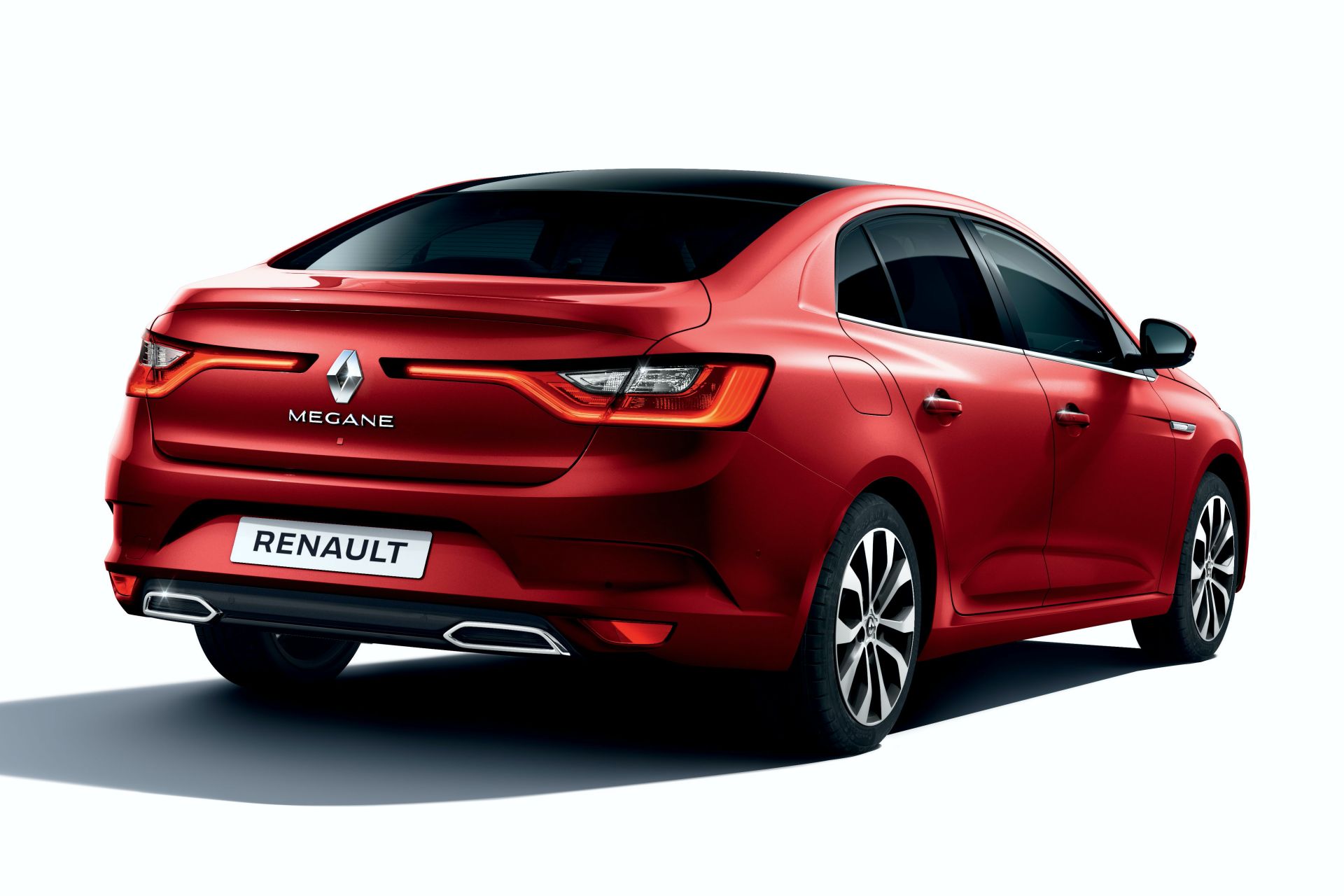
There is a neat historical irony here. Top Gear's recent retrospective on the MkIV Megane — "bingo wings" and all — serves as a reminder that Renault's car-making record has always been uneven, its triumphs and misfires equally instructive. The sedans that built the brand's South American business were never exciting; they were correct. The Niagara applies that same discipline to a different body style. It is not trying to be the best pickup in the world. It is trying to be the most Renault pickup in the world — which, in this region, may be the more valuable title.
Two Playbooks, One Brand
The timing carries its own message. Renault Group's CEO has publicly cautioned that even "China speed" has limits, a signal that the company intends to grow deliberately rather than frantically. Launching the Niagara in Argentina, with local production and regional ambition, fits that measured posture. Meanwhile, the brand's European identity is being reshaped by very different machines — the retro Renault 5 Turbo 3E superhatch and the new Twingo and its Romanian cousin — proving Renault can operate two playbooks at once.
But in South America, there is now only one that matters. The sedan did its job. The Niagara is being asked to do the next one — and in a region where the pickup has become the default answer, Renault's willingness to rewrite its own playbook may prove to be the most sensible move it has made in years.