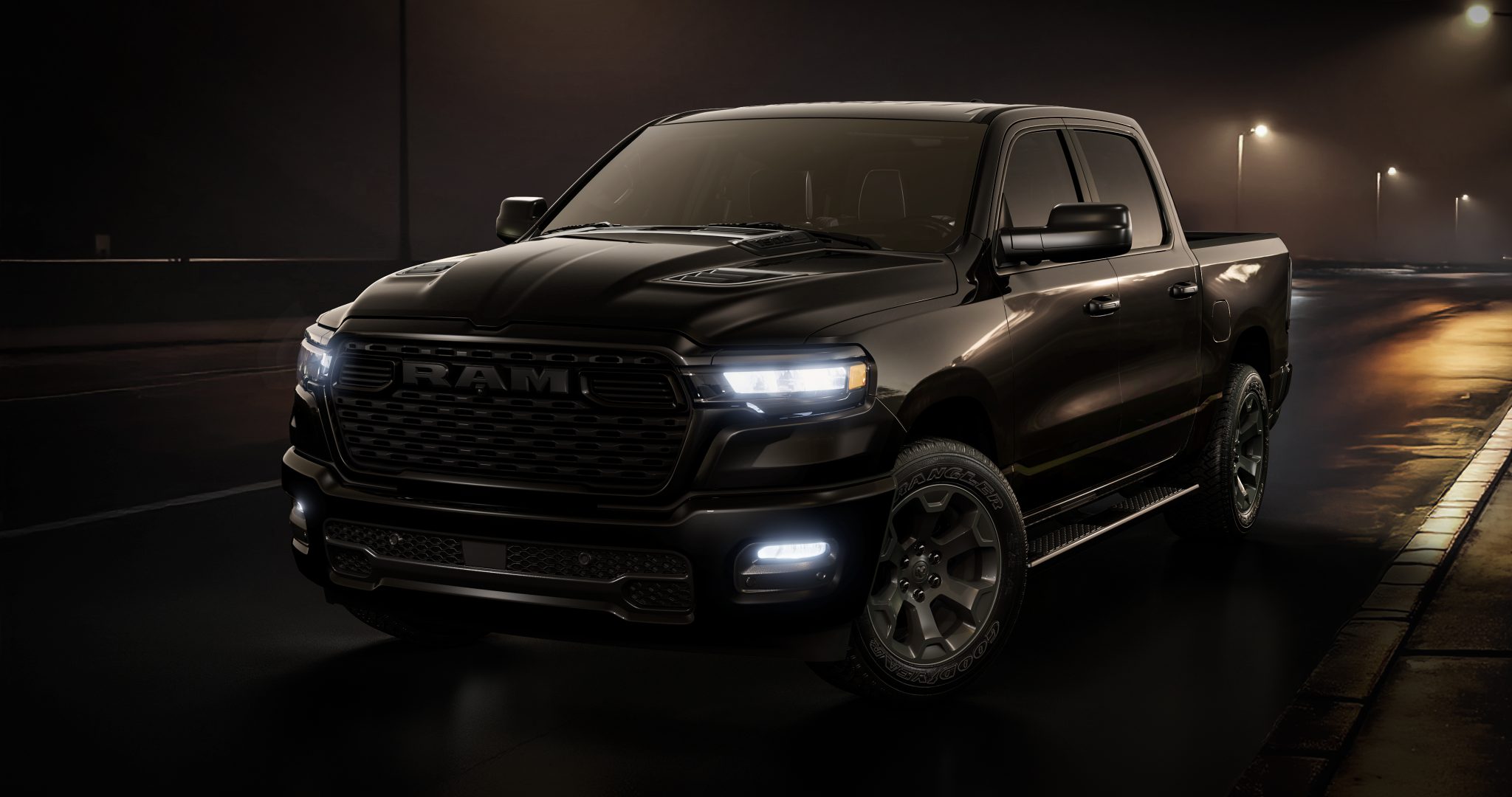
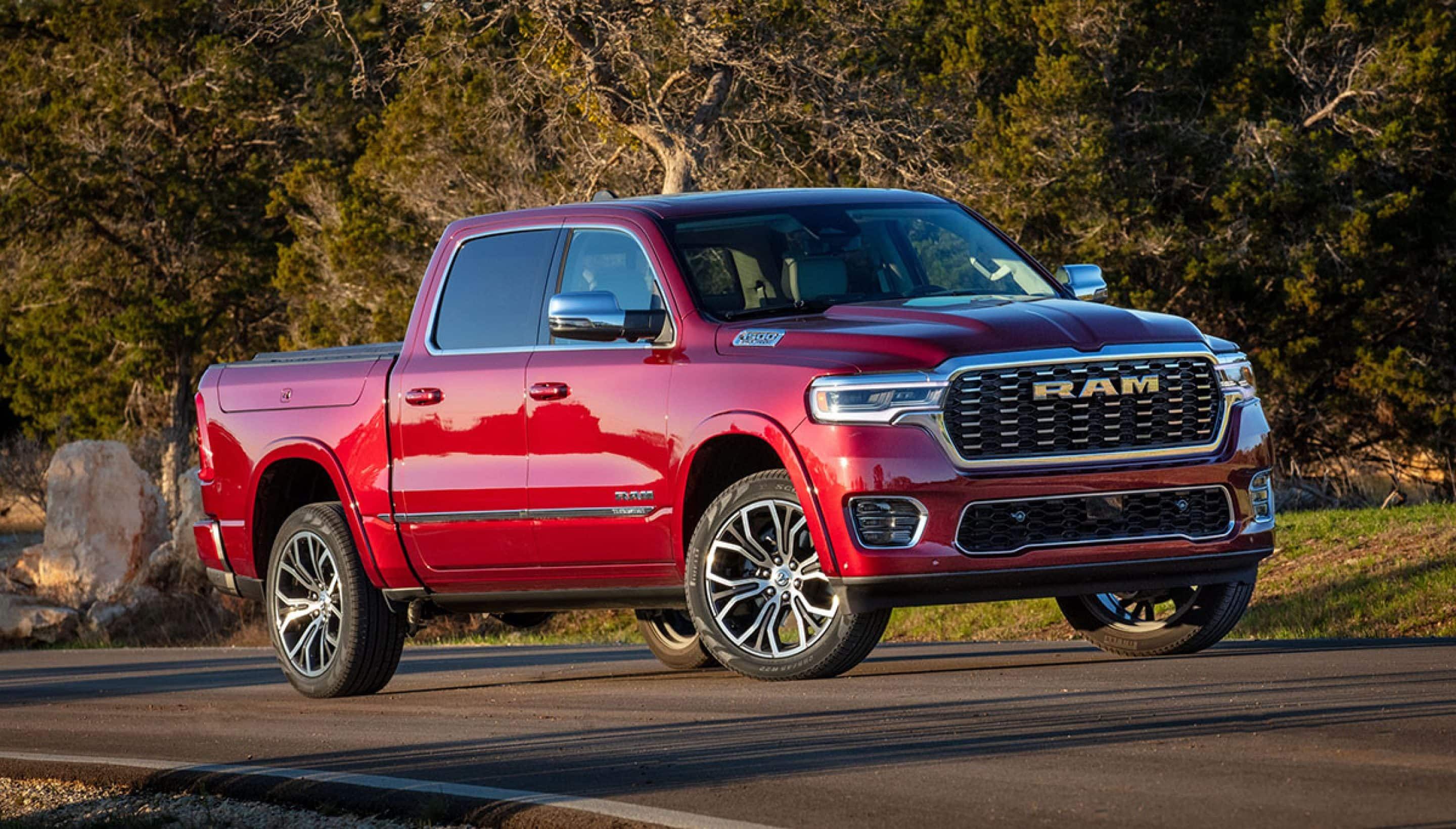
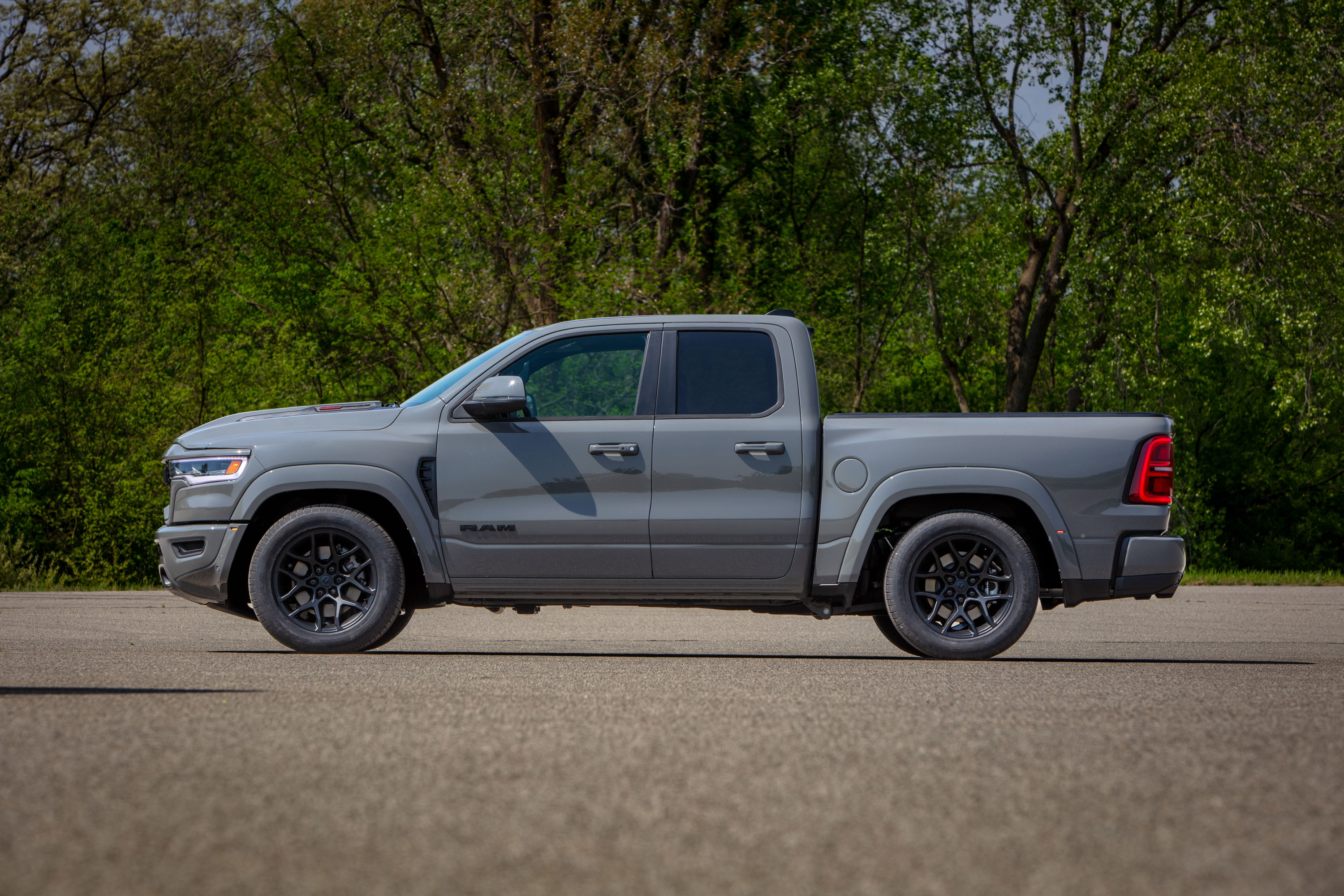
Ninety minutes. That's how long it took for the Ram 1500 Rumble Bee to sell out — a $60,000 street truck with a base specification and a nameplate yanked straight from the early-2000s playbook. This wasn't a handful of hand-built exotics for the collector crowd. This was a full allocation, vaporized before most shoppers had finished their first coffee. And while Ram was busy turning a yellow-and-black homage into a cultural event, Jeep — the brand that once carried Stellantis' American ambitions on its back — kept floundering.
That contrast isn't a coincidence. It's a case study in what happens when a truck brand remembers exactly who its customers are, and a lifestyle brand forgets.
The Hemi Came Back, and So Did the Buyers
Start with the numbers, because they're blunt. Ram 1500 sales jumped 73% after the return of the Hemi V8 — a decision that product planners had all but written off as embarrassingly retrograde. The industry had bet on turbocharged six-cylinders and electrification, and the market responded by walking past those showrooms and into the ones with eight cylinders under the hood.
The Rumble Bee didn't just sell. It became a moment. A supercharged V8 soundtrack, a heritage nameplate, bold color, and a price that undercuts a well-optioned rival — that's not a formula anyone needed a focus group to validate. The TRX is back too, still gloriously unhinged, still swallowing fuel with a grin. Ram is crushing Q3 sales charts while Ford's F-Series, long the untouchable king of the segment, suddenly has reason to glance over its shoulder. CarBuzz framed it without much diplomacy: Ford should be scared.
Meanwhile, Jeep Is Stuck in Neutral
Jeep's problem is the mirror image of Ram's solution. The brand that built its reputation on the Wrangler and Grand Cherokee has spent years chasing price and volume, pushing stickers into territory that alienated its core buyers while failing to convert new ones. That's the dynamic dragging Stellantis' entire US operation sideways: Ram surges, Jeep struggles, and the parent company's share price sinks even as its most profitable trucks fly off lots.
Analysts have started calling it what it is. Stellantis is betting its American comeback on Ram because Jeep can no longer be trusted to deliver.
A Rejection of the Boardroom
The Rumble Bee's 90-minute sellout is the sharpest possible rebuke to the philosophy that has hobbled Jeep. Ram didn't win by chasing trends or apologizing for what a truck is. It won by leaning into V8 muscle, loud colors, a heritage badge, and pricing that respected the enthusiast instead of exploiting them.
The Hemi's return wasn't a retreat from the future. It was an acknowledgment that the customer — not the boardroom — decides what the future looks like. The Rumble Bee was never a volume play. It was a signal, and the market read it instantly.
Identity Is the Only Spec Sheet That Matters
There's a broader warning buried here for Stellantis. A brand can survive a bad quarter, a botched launch, even a misguided electrification strategy. What it cannot survive is losing the plot on identity.
Ram knows exactly what it is: a truck company that sells attitude, capability, and a little bit of theater. Jeep, at least in its current form, seems far less certain — caught between premium pricing, quality concerns, and a lineup that no longer speaks clearly to the people who once loved it.
Until that changes, expect the headlines to keep reading the same way. Ram will keep selling out. Jeep will keep stalling. And Stellantis will keep wondering why the answer was sitting in its own showroom the whole time.