Ram has spent the better part of two decades selling something more slippery than horsepower or payload capacity: a feeling. The modern full-size pickup, as Ram perfected it, isn't merely a work truck — it's a costume you can drive, a way for a suburban commuter to borrow the silhouette of a rancher without ever touching a fence post. That's not a criticism so much as an observation about the entire segment, but Ram leaned into the mythology harder than anyone.
So when Car and Driver concluded that the 2026 Ram Longhorn proves "building a cowboy pickup is tougher than it looks," it read less like a review and more like a diagnosis. The brand's most self-consciously western trim has become a mirror held up to an identity that no longer quite fits.
The Longhorn's Theatrical Problem
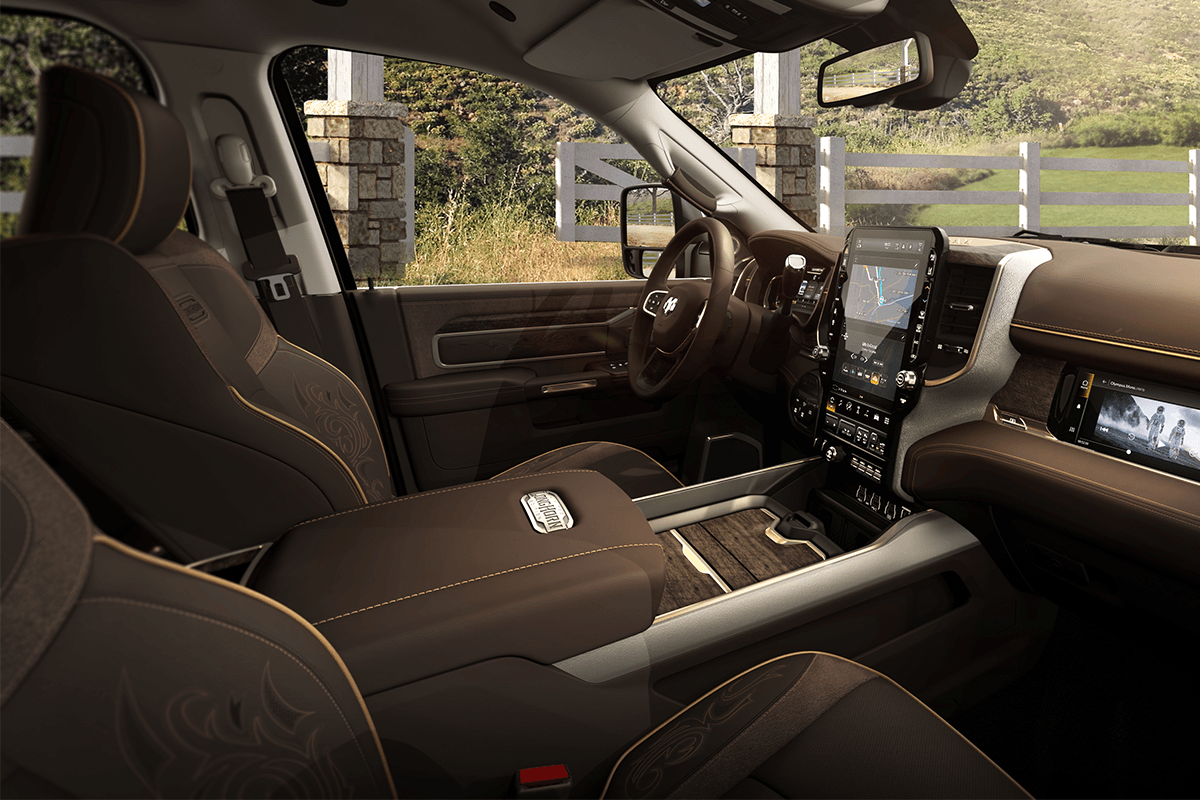
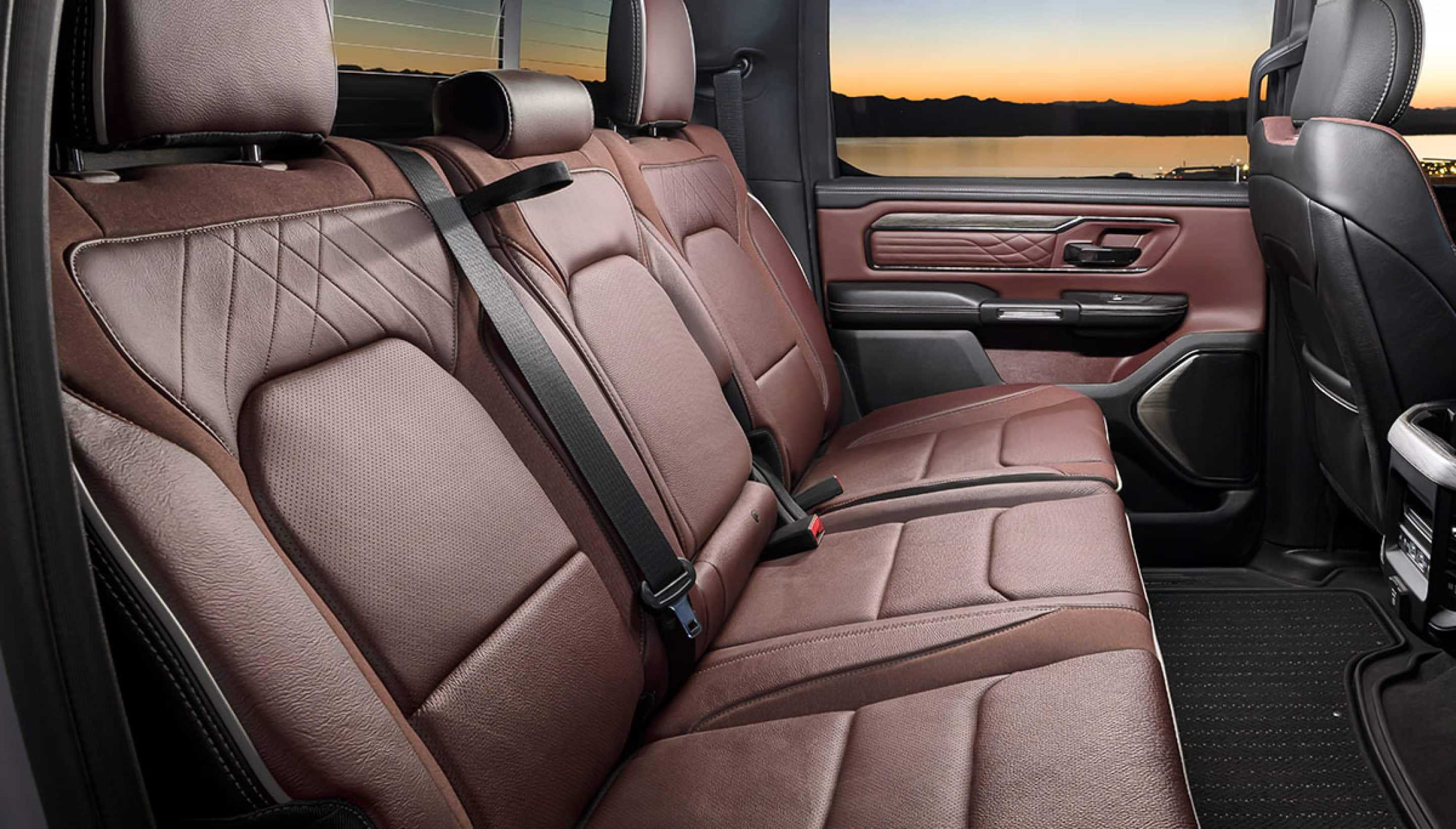
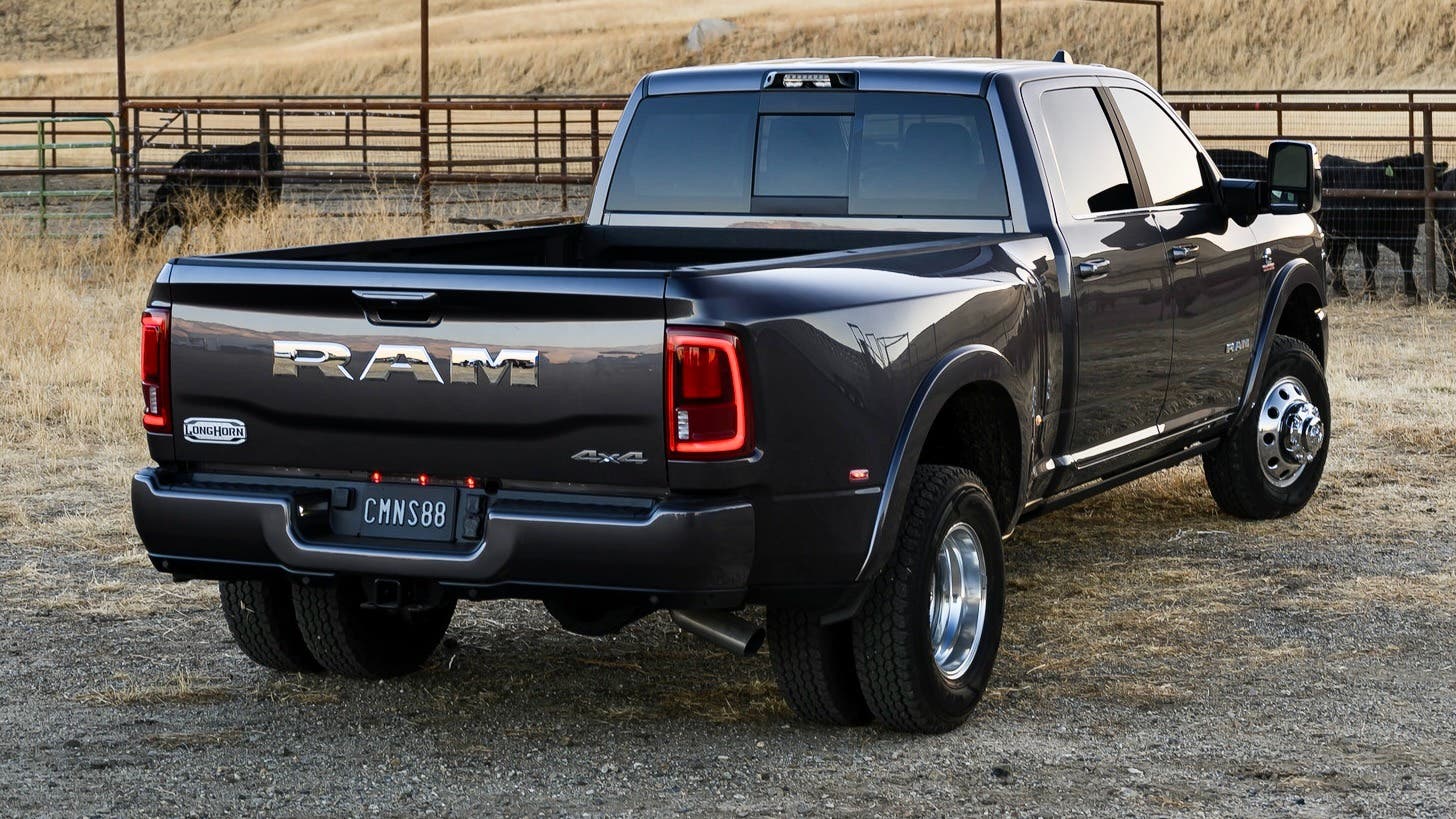
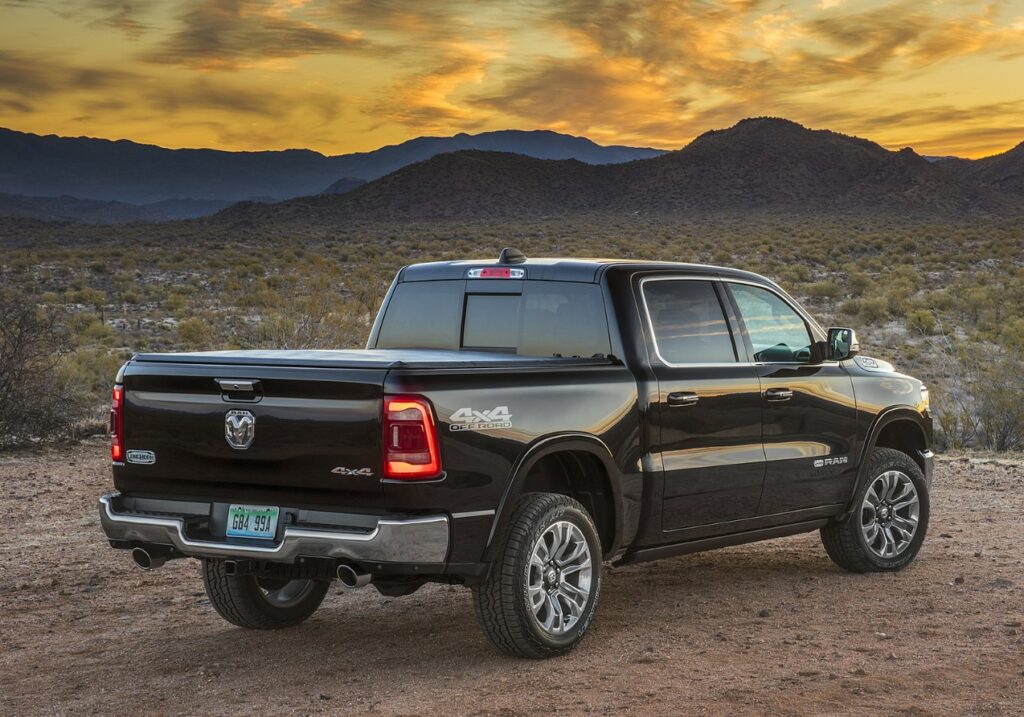
The Longhorn has always been Ram's most theatrical gesture toward authenticity. Longhorn badges, cattle-brand motifs, wood-and-leather cabinetry that looks lifted from a high-end lodge — it's a pickup dressed for a role it will almost never play. That's fine as far as it goes. The problem is that the cultural scaffolding holding up the cowboy fantasy has been quietly dismantled over the past several years, and Ram hasn't figured out what to replace it with. Nostalgia is a finite fuel source, and the brand has been running on fumes of a mythology that its actual buyers increasingly don't recognize.
Where the Trucks Get Built
Consider what's happening beneath the sheet metal. Per SlashGear, Ram is studying a major shift in where its trucks are built — a strategic question that speaks directly to the tension between the brand's rugged self-image and the cold economics of global manufacturing. You cannot credibly sell a truck as the spiritual heir to the open range while quietly relocating its production to chase margins. Every manufacturer faces this, of course. But Ram's entire marketing architecture rests on the premise that its trucks are somehow more *real* than the competition's. When the geography of assembly becomes a cost calculation rather than a statement of principle, the cowboy hat starts to look like a costume-shop rental.
When Your Name Belongs to Someone Else
There's an irony in the timing, too. The broader news cycle is full of "Ram" — but almost none of it has anything to do with the truck brand. Cloudflare is saving 100 terabytes of RAM with math and Rust. Corsair is cutting prices on DDR4 memory kits. Apple is discounting MacBook Airs with 24GB of RAM. Acer's CEO is publicly downplaying a global memory shortage. The word "Ram" is everywhere, attached to servers and laptops and single-board computers, and the collision is almost too on-the-nose: the truck brand's name has been colonized by a technology it doesn't control. There's no marketing campaign that fixes that kind of semantic drift.
What Actually Sells
Meanwhile, the genuine success stories offer a telling counterpoint. In Australia, per CarExpert, Ram 2500 sales are surging as buyers migrate toward bigger American-style pickups. And Dana White reportedly spent $1.5 million on custom Ram and RealTruck builds — proof that the brand still carries serious aspirational weight when it isn't trying so hard to cosplay. Notice the pattern: Ram sells best when it's simply *big, capable, and unapologetic*, not when it's performing a heritage act for an audience that has stopped believing in the performance.
The cowboy identity, in other words, was never really about cowboys. It was about a promise of toughness, self-reliance, and honest work — values that can be communicated without branding irons and saddle-stitched seats. The 2026 Longhorn fails not because it's a bad truck, but because it mistakes decoration for meaning. Ram can keep selling the frontier, but it needs to decide which frontier it's actually selling. The one that exists, or the one that only ever lived in a brochure.