A 45% year-on-year sales jump is the kind of number that makes PR departments reach for the champagne and analysts reach for the spreadsheet. When Proton posted exactly that for September, the headline duly wrote itself — a national carmaker, a crowded and unforgiving market, growth that looks on paper like a miracle. But there are no miracles in the car business. There are product cycles, pricing decisions, and timing. Proton got all three right at once, and the result is a surge that rewards a closer look.
Because the real story here isn't one number. It's a lineup finally firing in sequence, a factory that has learned to build cars faster than customers can lose patience, and a brand that has quietly stopped selling nostalgia and started selling product.
The X50 Does the Heavy Lifting
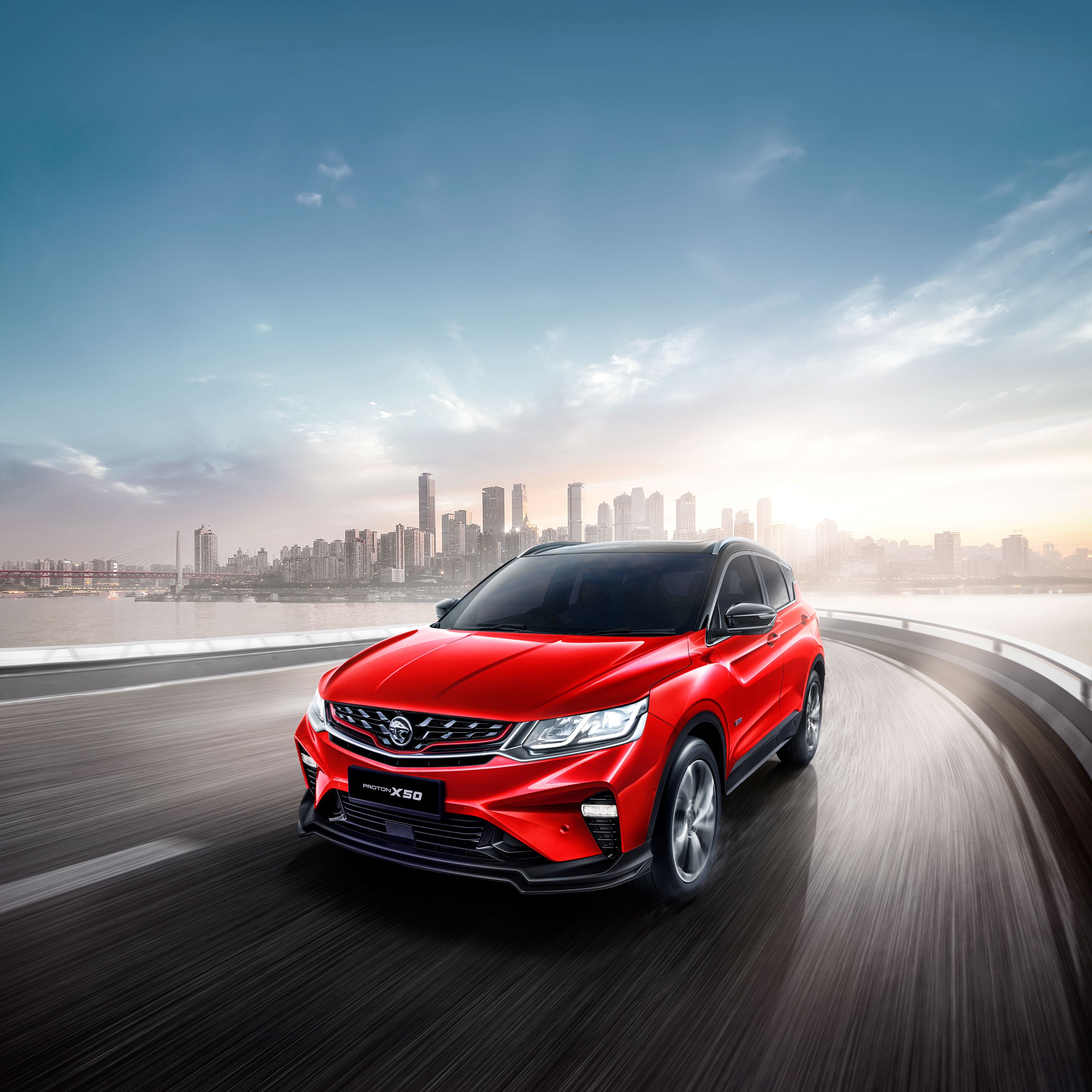
Start with the obvious protagonist. The Proton X50 has been the brand's volume engine since launch, and September's figures reflect a refreshed model landing in showrooms with genuine momentum already behind it. Malaysian buyers have shown a durable, almost insatiable appetite for B-segment SUVs, and the X50 sits precisely in that sweet spot: turbocharged powertrains, a cabin that punches well above its price bracket, and a design language that no longer apologises for its origins.
That last point matters more than spec sheets suggest. When a facelift arrives on a car that was already selling well, the result is a predictable spike — and Proton rode it hard. A well-liked SUV, refreshed, with supply finally matching demand, is the closest thing this industry has to a sure bet.
The Saga Holds the Floor
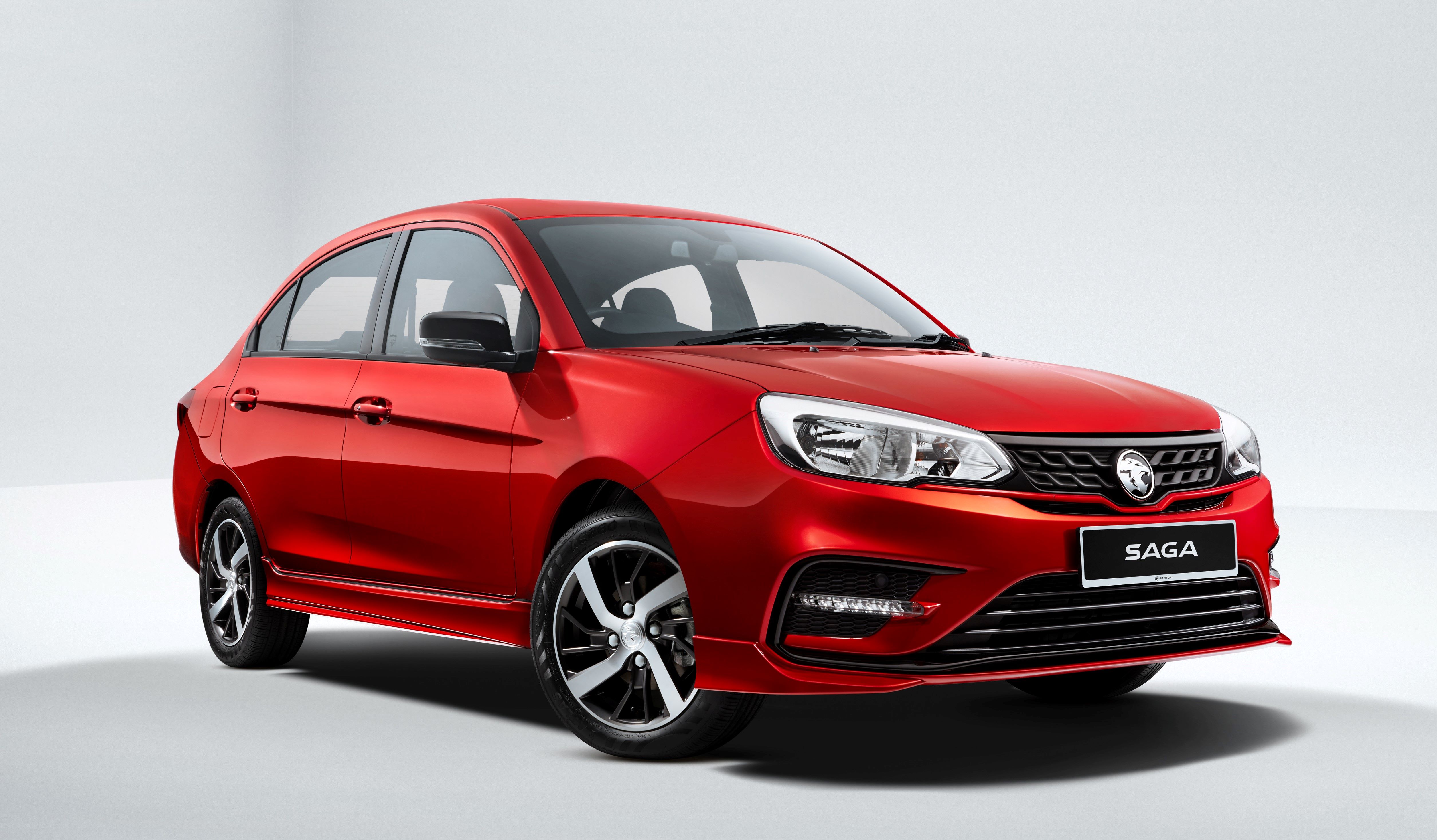
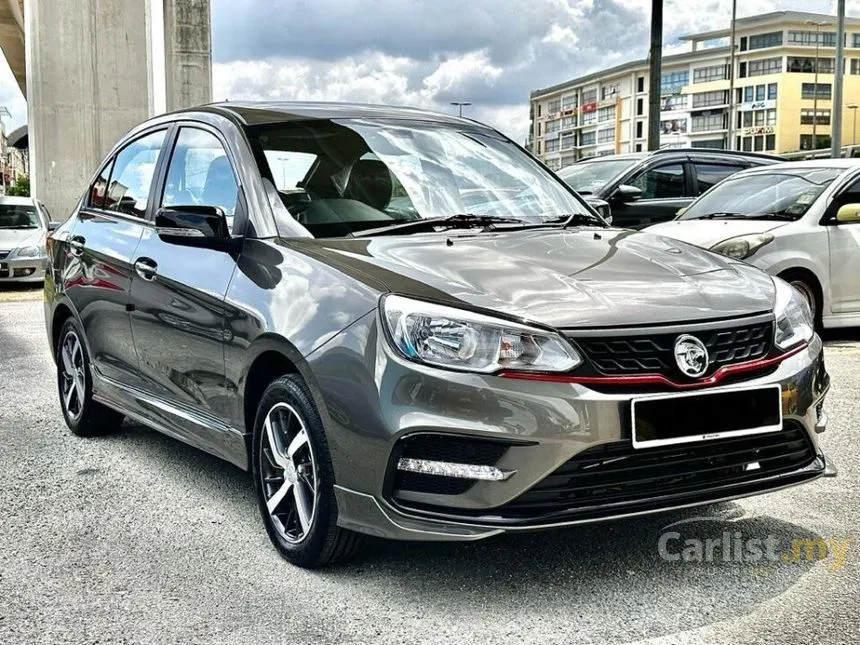
Then there's the unglamorous workhorse. The Proton Saga continues to do the quiet, essential labour of moving metal in volume, and it remains one of the most accessible entry points into new-car ownership in the country. Any uptick in its sales gets amplified across the percentage figures — a modest improvement in a high-volume model can look dramatic in aggregate, and September's numbers bear that out.
The Saga is not a halo car. It is the backbone. Its steady performance underpins the entire result, and any brand that forgets its volume sedan in pursuit of flashier metal does so at its peril.
Supply Chains and the Tanjung Malim Factor
Here's the structural element analysts sometimes underweight: Proton's manufacturing footprint. The plant in Tanjung Malim has been progressively retooled, and improved production efficiency translates directly into shorter waiting times. In a market where buyers are notoriously impatient, the ability to deliver a car in weeks rather than months is a competitive weapon.
September's jump suggests Proton has largely resolved the supply bottlenecks that constrained it in previous quarters. That's less glamorous than a new model reveal, but it's arguably more important — because a great car you can't deliver is just a brochure.
The X70 and X90 Rewrite the Badge
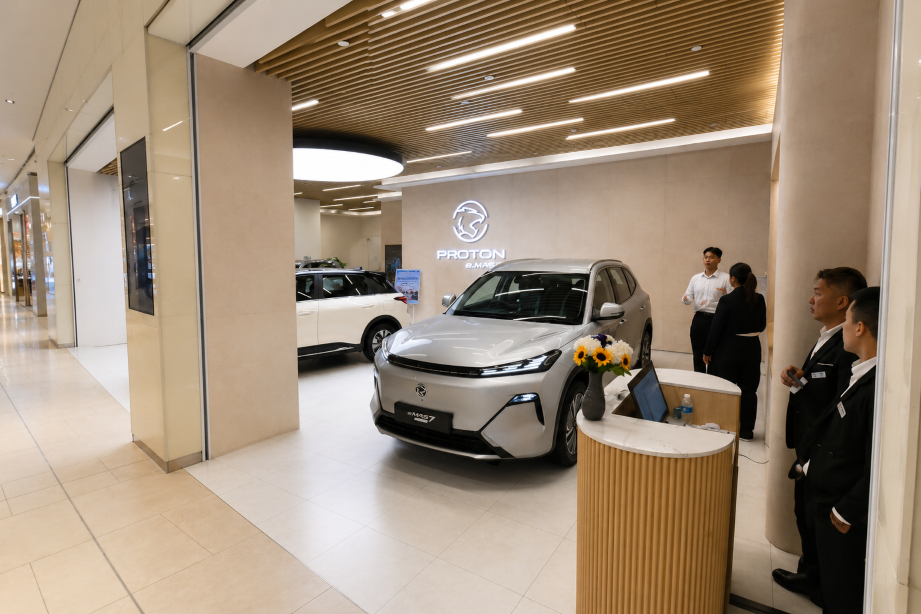
Neither the X70 nor the X90 is a volume leader in the way the X50 is. But together they have shifted Proton's brand positioning upward. The company is no longer perceived purely as a maker of affordable sedans; it now sells SUVs that compete credibly against Japanese and Chinese rivals on specification and refinement.
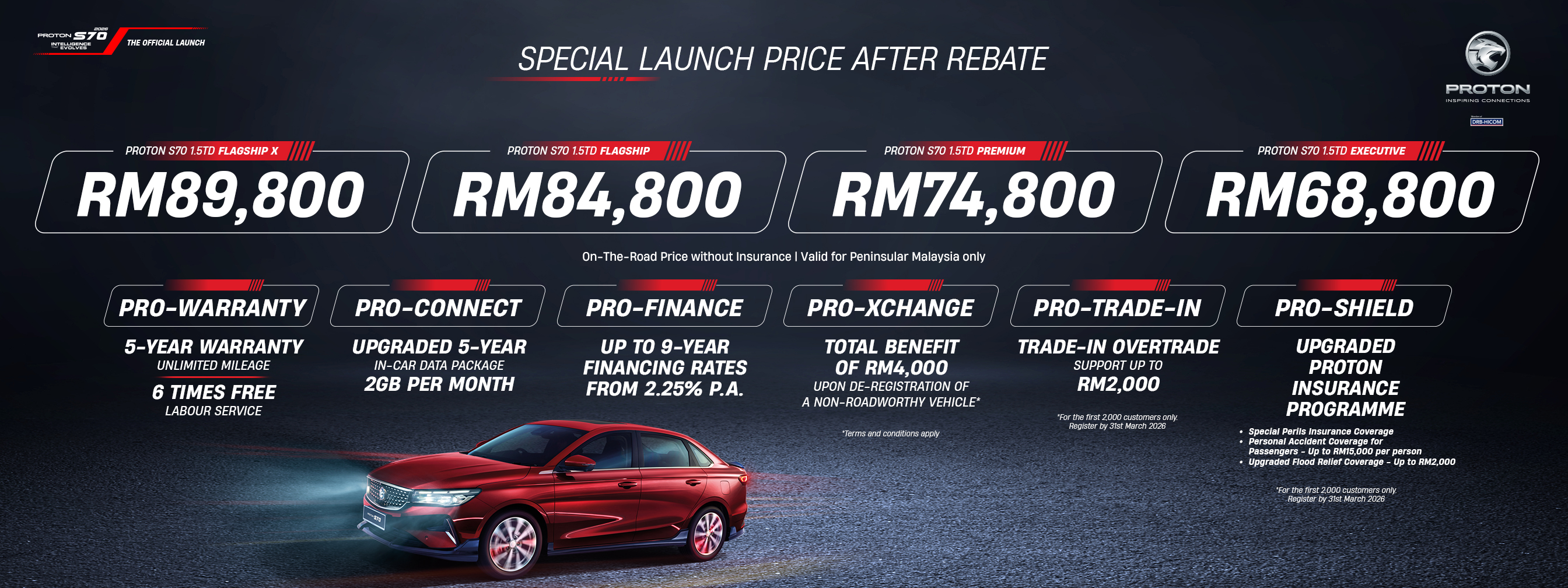
That perception shift matters because it widens the pool of buyers willing to walk into a Proton showroom in the first place. The halo effect of the larger models feeds the volume models — not the other way around. Add a pricing strategy that has spent several years positioning Proton as the value proposition in every segment it competes in, undercutting Japanese incumbents while matching Chinese newcomers on features, and you have a brand whose arithmetic becomes more persuasive as household budgets tighten. September's buyers weren't shopping on prestige. They were shopping on value, and Proton's value case held up.
Context matters too. The Malaysian automotive sector as a whole has been recovering, and a rising tide lifts the boats best positioned to catch it. Proton's 45% gain is exceptional even against that backdrop — rivals posted gains of their own, so the achievement is the magnitude, not the direction.
What September ultimately reveals is a company that has stopped relying on nostalgia and started relying on product. The X50 is doing the heavy lifting, the Saga is holding the floor, and the X70 and X90 are quietly rewriting what the badge means. One month does not make a turnaround — a single data point never does. But it does suggest that Proton's long, often painful transition is finally producing cars that Malaysians want to buy for reasons that have nothing to do with patriotism. That, more than any percentage, is the number worth watching.