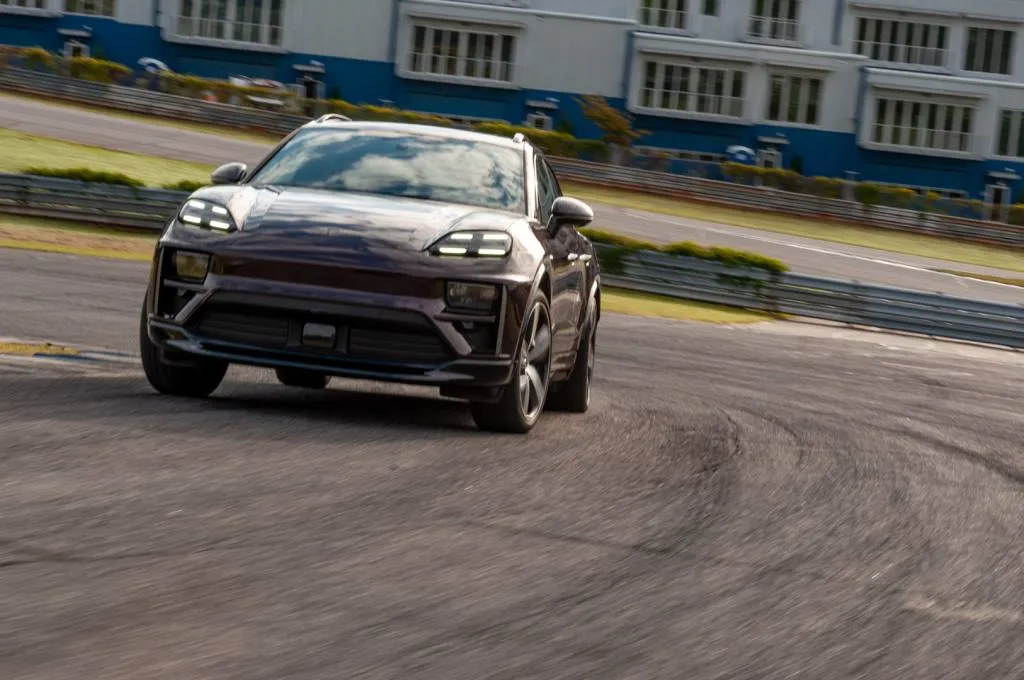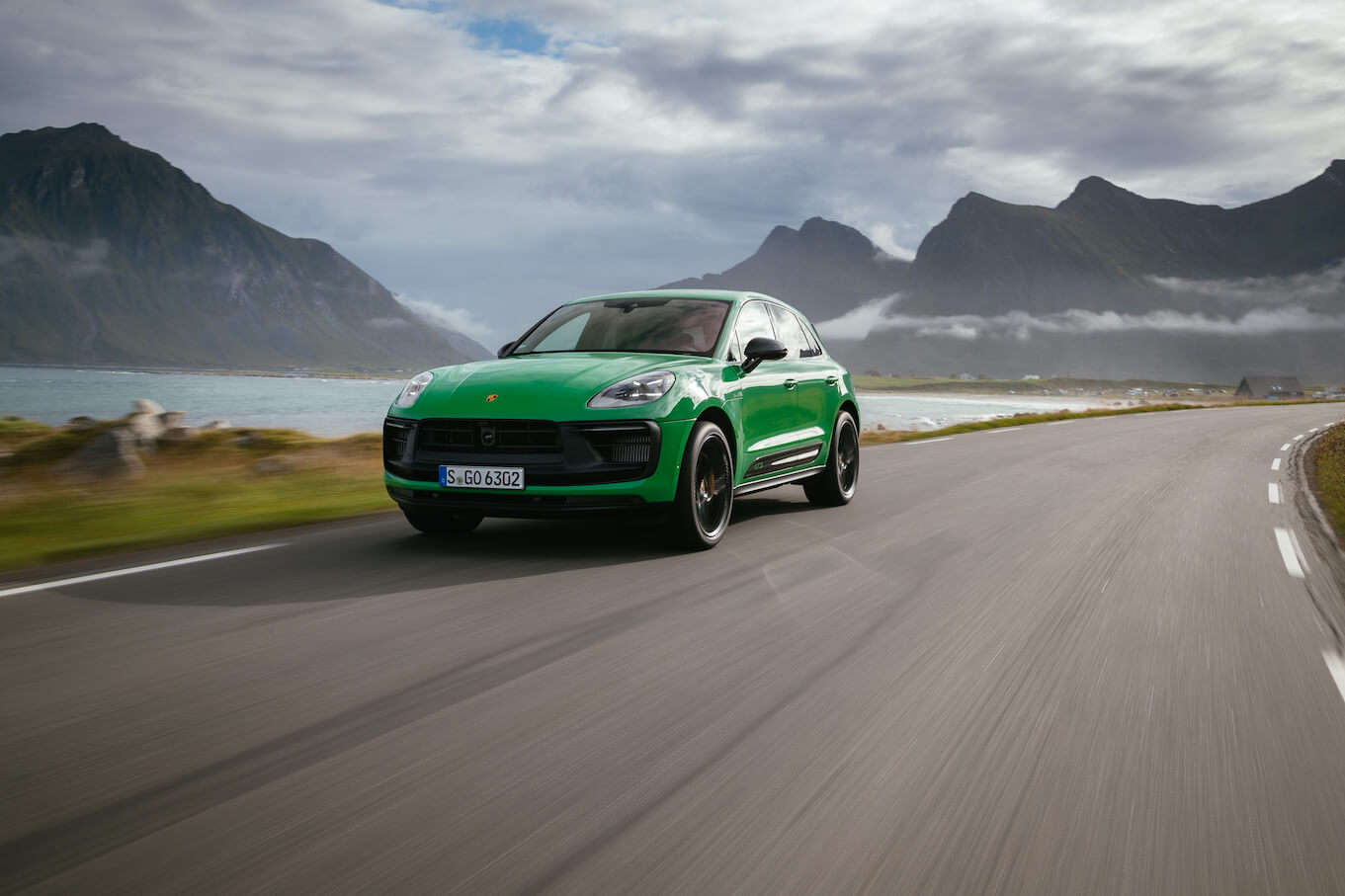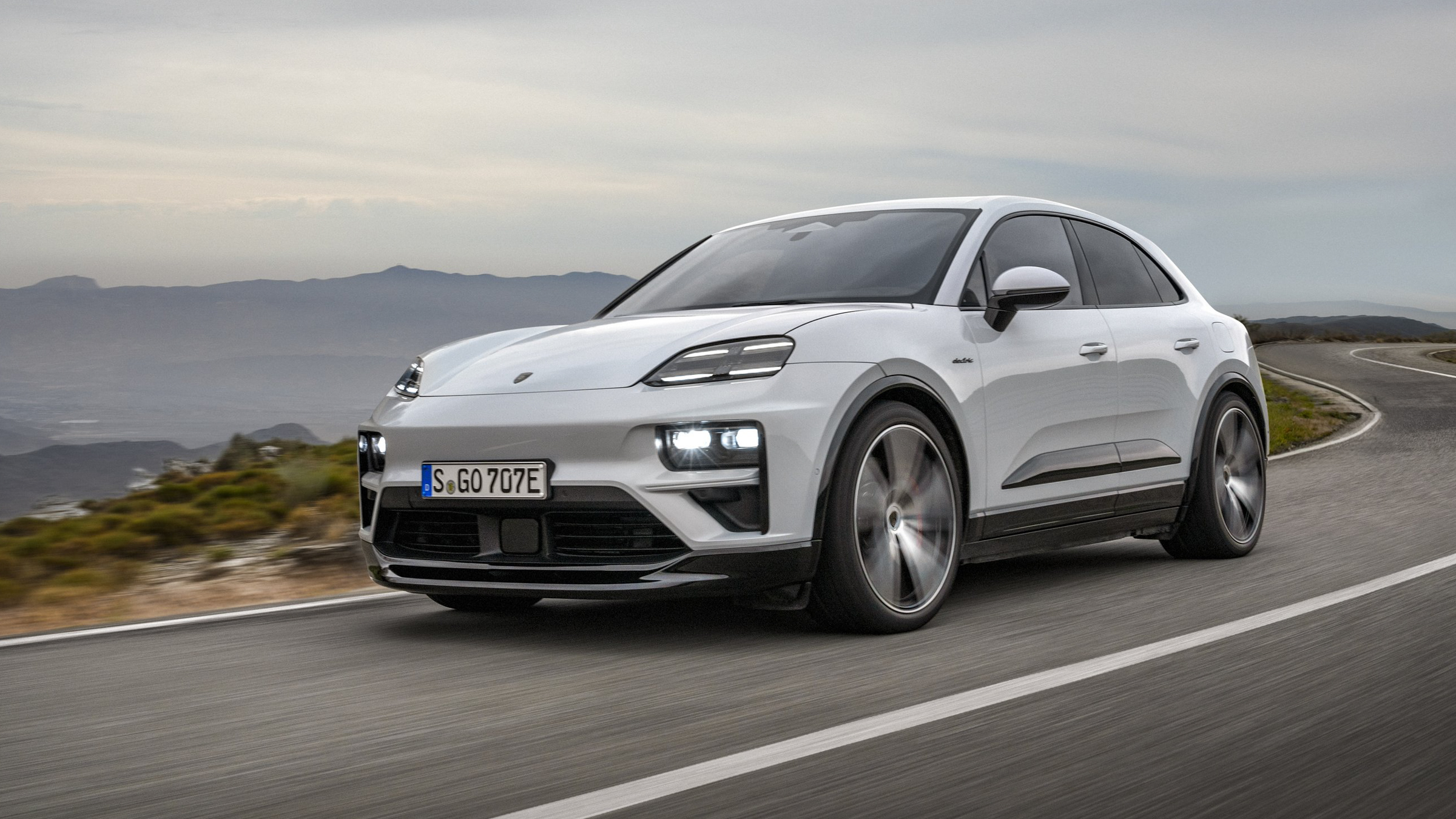
Porsche has always been a company that reads the road ahead better than almost anyone. That is precisely what makes its latest course correction so revealing. The brand that once declared the Macan would go fully electric, and that the 718 would follow the same path, is now preparing to bring a petrol-powered Macan back to showrooms by 2028. The news lands with the weight of an admission: the most profitable performance marque in the world moved too far, too fast, and is now steering back toward the combustion engines its customers still want to buy.
The context matters. Porsche's EV sales have softened, and deliveries in China, once a seemingly bottomless well of demand, have slumped badly enough to force a genuine strategic rethink. When a manufacturer with Porsche's margins and brand loyalty starts reversing course, it is not a marketing gimmick. It is a signal that the broader industry's rush to declare the combustion era over was built on assumptions that the market never fully confirmed.
The Order Books Don't Lie
The electric Taycan remains a technical triumph, and the upcoming electric Cayenne Turbo GT promises to be genuinely spectacular, but enthusiasm in the press does not always translate into signed order books. Porsche has now conceded that the transition is a long game, not a sprint, and that the Macan nameplate needs a petrol heartbeat to stay competitive in the segments where it actually sells.
That concession carries real weight. Porsche does not reverse course on a whim. The company has spent years positioning itself at the front of the electrification charge, and the Taycan gave it genuine credibility in that space. But credibility in the showroom is a different currency entirely. The Macan, after all, was the machine that paid the bills — a compact luxury SUV that outsold nearly everything else in the lineup and served as the entry point for buyers who had never owned a Porsche before. Letting it go fully electric without a petrol alternative was always going to be a gamble. Now we know how that gamble was trending.
The Nameplate That Built the Business
This is not nostalgia for its own sake. The gas Macan was, for years, Porsche's volume leader and the gateway through which countless new customers entered the brand. Killing it prematurely risked handing those buyers to rivals still offering conventional powertrains. The revival, reportedly arriving around 2028, keeps the 911 firmly petrol-powered as well, which tells you Porsche understands where its identity lives.
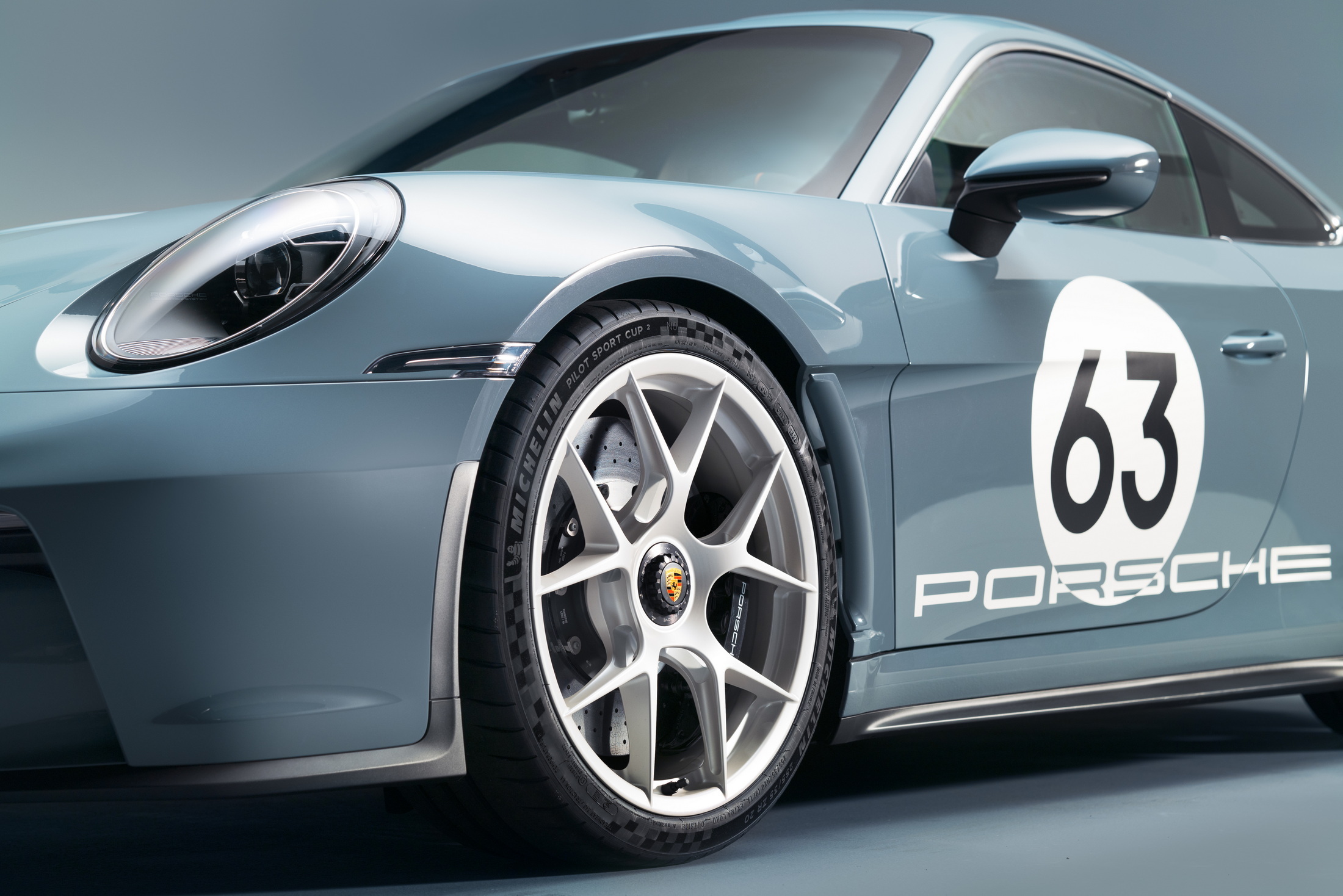
The 911 Carrera T remains the purist's choice, a reminder that the soul of the company has always been an engine you can hear before you see the car. There is something instructive in that. Porsche's greatest hits are not silent. They idle with a characteristic flat-six thrum, they build revs with intent, they communicate mechanically in a way that no amount of torque-vectoring software can replicate. Even the vintage world reinforces the point: the revived interest in cars like the 944 and the 914, one of which famously belonged to a celebrated automotive designer, shows that enthusiasts are drawn to mechanical character, not just efficiency. The market for analog experience is not shrinking. If anything, it is becoming more valuable.
Patience as Strategy
There is a quieter lesson here about patience. Porsche is not abandoning electrification; it is simply refusing to let ideology outrun economics. The company still races and still wins, with its recent overall victory at Petit Le Mans at Road Atlanta proving that its engineering ambition is undimmed. It is still innovating, even offering modern infotainment retrofits for older models and collaborating with the likes of Hodinkee on heritage-inspired chronographs. But it is also listening to the market, and the market has spoken with unusual clarity: the buyer of a compact luxury SUV is not yet ready to be told that petrol is over.
That is not a failure of vision. It is a recalibration. The best engineering decisions have always been made with one eye on the data and one on the customer, and Porsche appears to be doing exactly that. The 2028 timeline gives the company room to develop a powertrain that meets modern emissions standards without diluting the driving experience that made the Macan a success in the first place. It also gives dealers something to sell to buyers who walk in curious about the electric future but leave wanting the familiar soundtrack of a combustion engine.
The Industry Should Be Paying Attention
The broader industry should take note. For years, executives treated the EV transition as inevitable in a straight line, a matter of when rather than whether. Porsche's reversal on the Macan suggests the line bends, and that consumer demand, not corporate ambition, ultimately sets the pace. Tough times across the Volkswagen Group, with Audi and VW facing similar pressures, only sharpen the point. A brand built on engineering honesty has chosen to be honest about the timeline.
The gas-powered Macan is not a retreat from the future. It is a correction, and a reminder that the companies that endure are the ones willing to admit when the road ahead looks different than they expected. Porsche has spent seven decades building cars that reward the driver who pays attention. It turns out the company applies the same discipline to its own business. The road ahead is not straight. It never was. The best drivers — and the best car companies — know when to lift, when to brake, and when to change direction entirely.