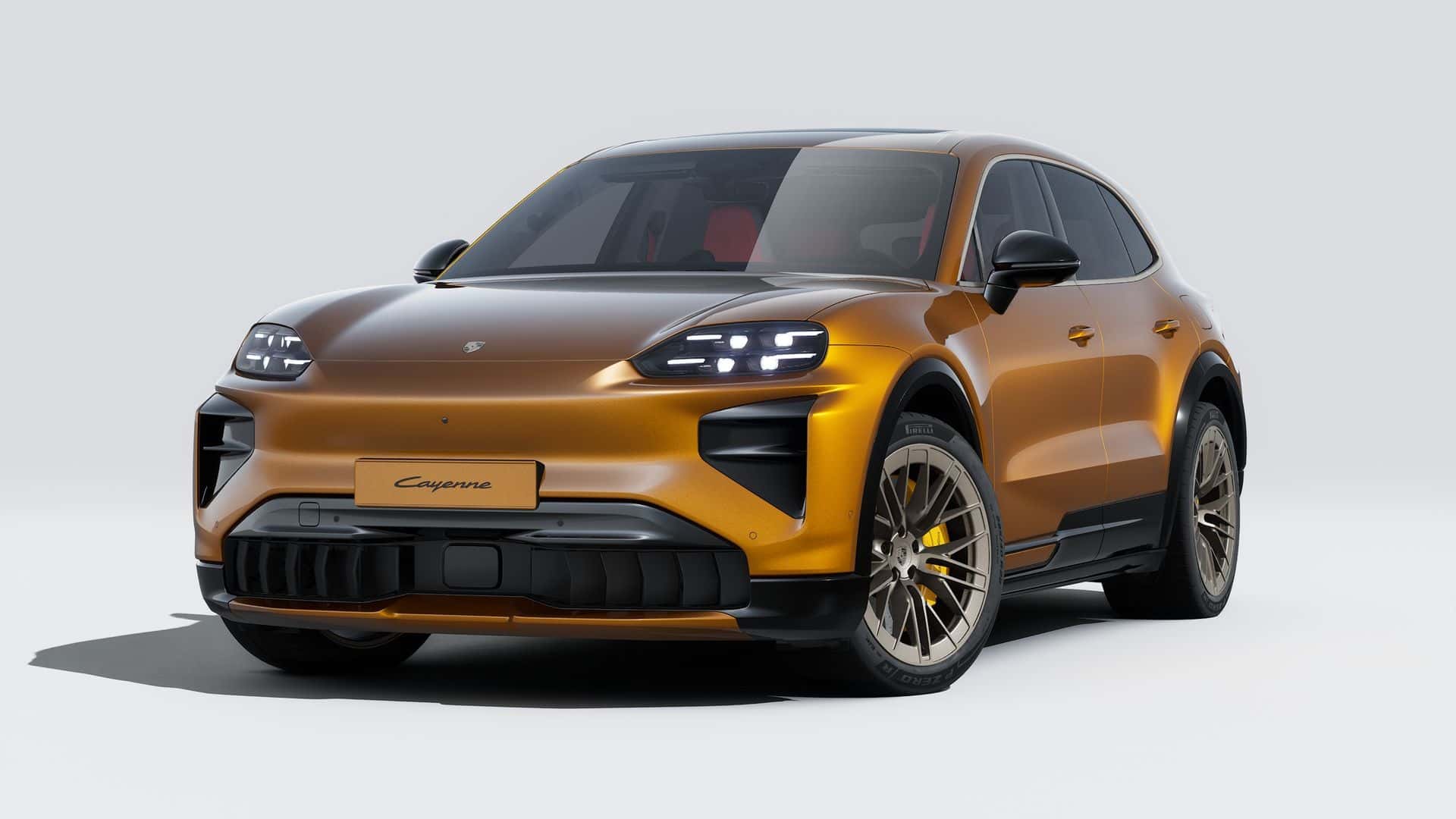
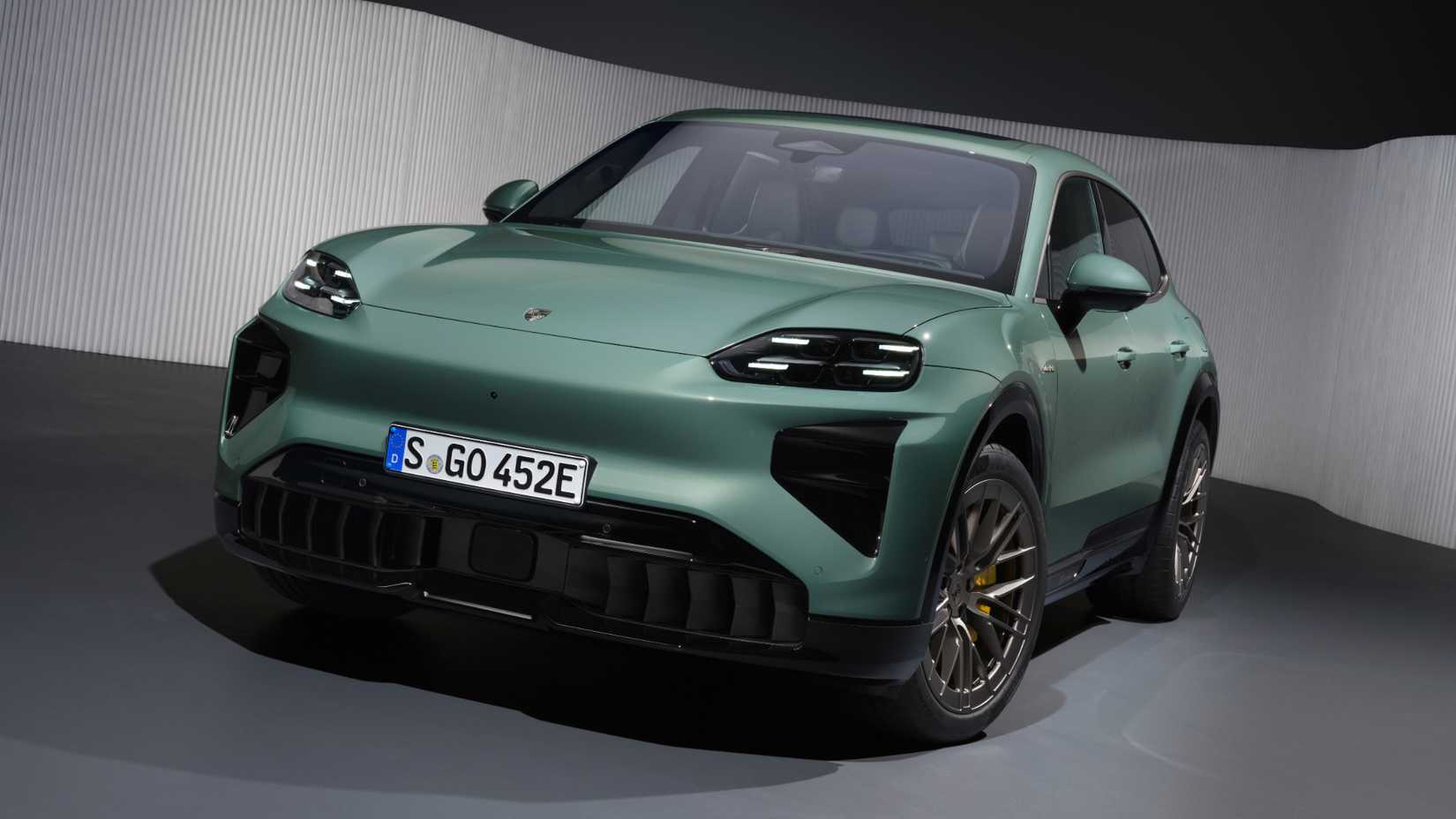
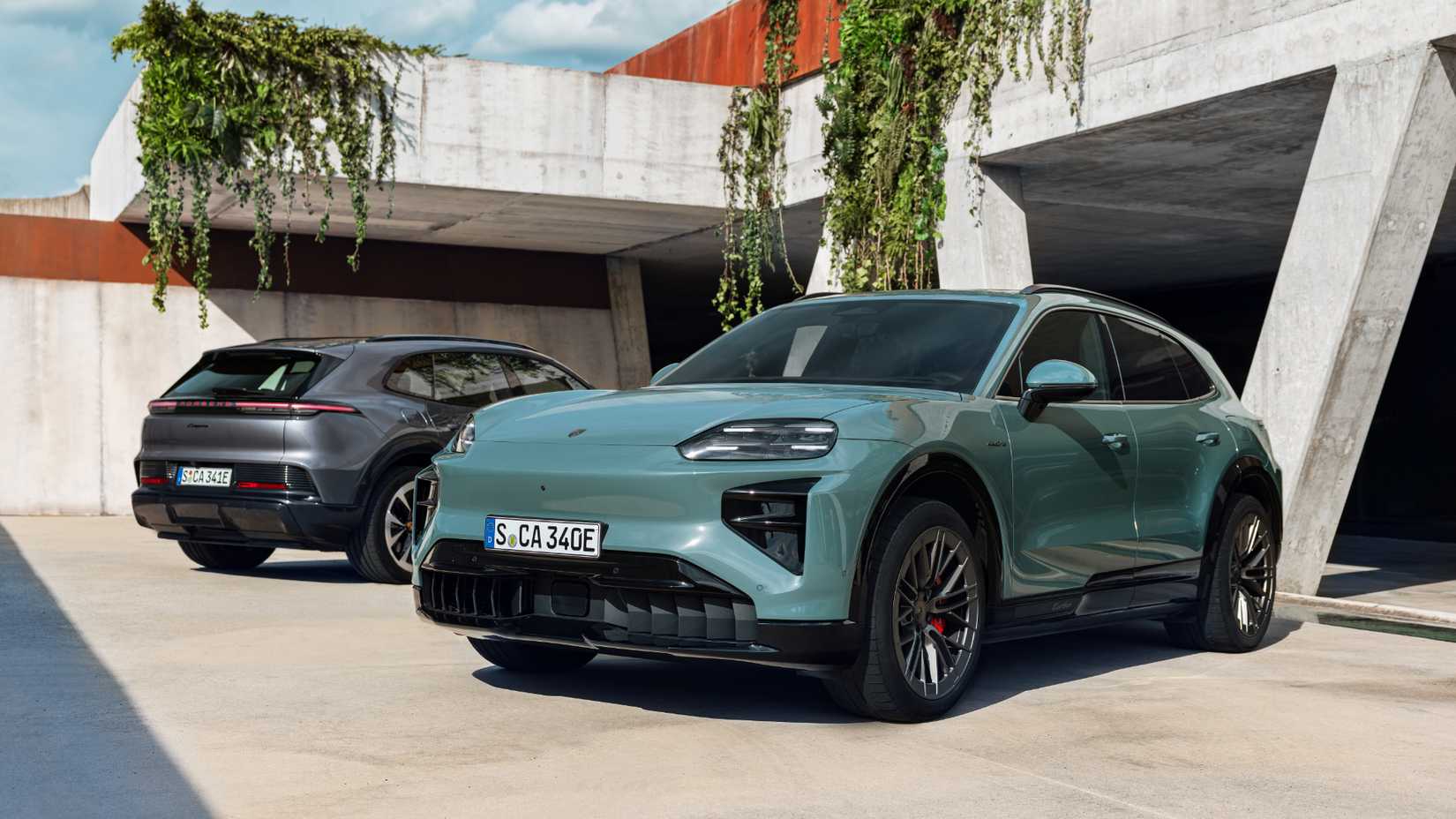
There is a moment, somewhere past 100 km/h, when the physics simply stop making sense. The Porsche Cayenne Turbo EV doesn't accelerate so much as it erases distance, converting a horizon into a windshield view with the indifferent ease of a machine that has never once considered the concept of strain. The Wall Street Journal recently described it as "quiet, composed and terrifyingly fast," and that triad of adjectives may be the most honest summary anyone has produced of what happens when Porsche's engineers are told to electrify their most commercially important model. The result is not a compromise. It is a threat.
Consider the context. The Cayenne has always been the car Porsche purists loved to resent and the car Porsche accountants loved to count. It saved the company, funded the 911 GT3 programme, and proved that a sports car brand could build a two-and-a-half-tonne SUV without surrendering its soul. The electric version takes that brief and pushes it into genuinely absurd territory.
Instant Torque, Zero Apology
Instant torque delivery from a dual-motor setup means the Cayenne Turbo EV launches with a violence that combustion simply cannot replicate — no revs to build, no gears to hunt, just a flat wall of thrust that arrives the instant your foot moves. Supercars costing three times as much have found themselves humbled at traffic-light grands prix by a vehicle with a child seat in the back. It is the kind of performance that rewires your expectations of what an SUV can do, delivered with a silence that somehow makes it feel even more surreal.
Composure Is the Real Story
What makes this genuinely significant, though, is not the straight-line brutality. It is the composure. The WSJ's assessment points to something Porsche has understood for decades and which its rivals still struggle to replicate: speed is easy, control is hard. An electric SUV with this much power should feel like a liability. Instead, the Cayenne Turbo EV manages its mass with active suspension trickery and torque vectoring so sophisticated that it corners with a fluency bordering on the surreal. The air suspension reads the road, the rear-axle steering shrinks the car at low speeds, and the whole apparatus conspires to make a vehicle the size of a small studio apartment feel like a 911 that has been quietly inflated.
Where the Money Goes
The timing of this machine's arrival is instructive. Porsche has just completed the sale of its stakes in Bugatti Rimac and the Rimac Group, a move that reportedly netted the company around €1 billion and prompted an upward revision of its 2026 cash flow outlook. That capital now flows back into Zuffenhausen's core operations — electrification, motorsport, and the slow, deliberate transformation of a brand that has spent eighty years perfecting the internal combustion engine. The Cayenne Turbo EV is where that money goes. It is also where the brand's future profitability lives, because the luxury market is softening, and Porsche dealers — as The Drive recently noted — are doing themselves no favours with their pricing behaviour. In a cooling market, the product has to be undeniable. This one is.
Racing as Conscience, Road Cars as War
There is a pleasing irony in all of this. Porsche's motorsport division continues to fight its own battles — Porsche Penske Motorsport is shuffling its driver lineup for Indy, the 963 programme has been told there will be no EVO joker update for 2027, and the GT3 department has finally filled its leadership vacancy after personnel cuts. Racing remains the brand's conscience. But the road cars are where the war is won, and the Cayenne Turbo EV represents the most aggressive opening salvo yet in Porsche's electric campaign.
It terrifies because it is fast. It outperforms supercars because it is engineered by people who refuse to accept that weight and height should dictate capability. And it succeeds because, underneath the silence and the software, it still drives like a Porsche — which is to say, like nothing else on the road. The Cayenne Turbo EV is not a concession to the electric age. It is a declaration of intent, wrapped in the body of a family SUV and carrying the soul of a supercar.