There's a particular kind of quiet tragedy unfolding in Stuttgart, one that has nothing to do with crash reports or horsepower figures from electric SUVs. It's the slow, deliberate extinction of the affordable Porsche sports car. While headlines scream about the Cayenne Turbo EV becoming the most powerful Porsche ever built, and CEO Michael Leiters aggressively reshapes the brand for an electrified, high-margin future, a more profound loss has been quietly logged. The best sports car you could buy for under $100,000—the internal-combustion 718 Cayman GTS 4.0—is dead. And unlike a model refresh, this feels terminal.
For years, the argument was simple. The 911 was the icon, but the Cayman was the purist's choice. Lighter, mid-engined, and with the optional flat-six, it offered a connection to the road that even the vaunted 911 Carrera sometimes diluted with its rear-axle weight transfer. The 718 Cayman GTS 4.0 was the apex of this philosophy. It took the glorious 4.0-liter naturally aspirated flat-six, mated it to a sublime six-speed manual, and priced it just under the magic six-figure barrier. This wasn't just a car that competed with the 911; it often embarrassed the base models on a twisty backroad. It was the last argument for internal combustion purity in a lineup increasingly dominated by battery packs and touchscreens.
The Numbers Don't Lie
The financial logic is irrefutable. Porsche doesn't make money selling a lightweight, analog sports car to a niche audience; it makes billions selling heavy, fast, luxurious SUVs and sedans to the world. The Panamera and the Cayenne are the cash cows that fund the 911 GT3 RS program. With the transition to electric vehicles requiring billions in R&D, Porsche has to maximize profit per unit. A mid-engined sports car with a naturally aspirated engine—a powertrain that requires bespoke emissions tuning and a manual gearbox—is an engineering cost center. It's far easier to amortize a shared electric architecture across the Macan and the Cayenne than to keep a niche sports car alive for the sake of purist sentiment.
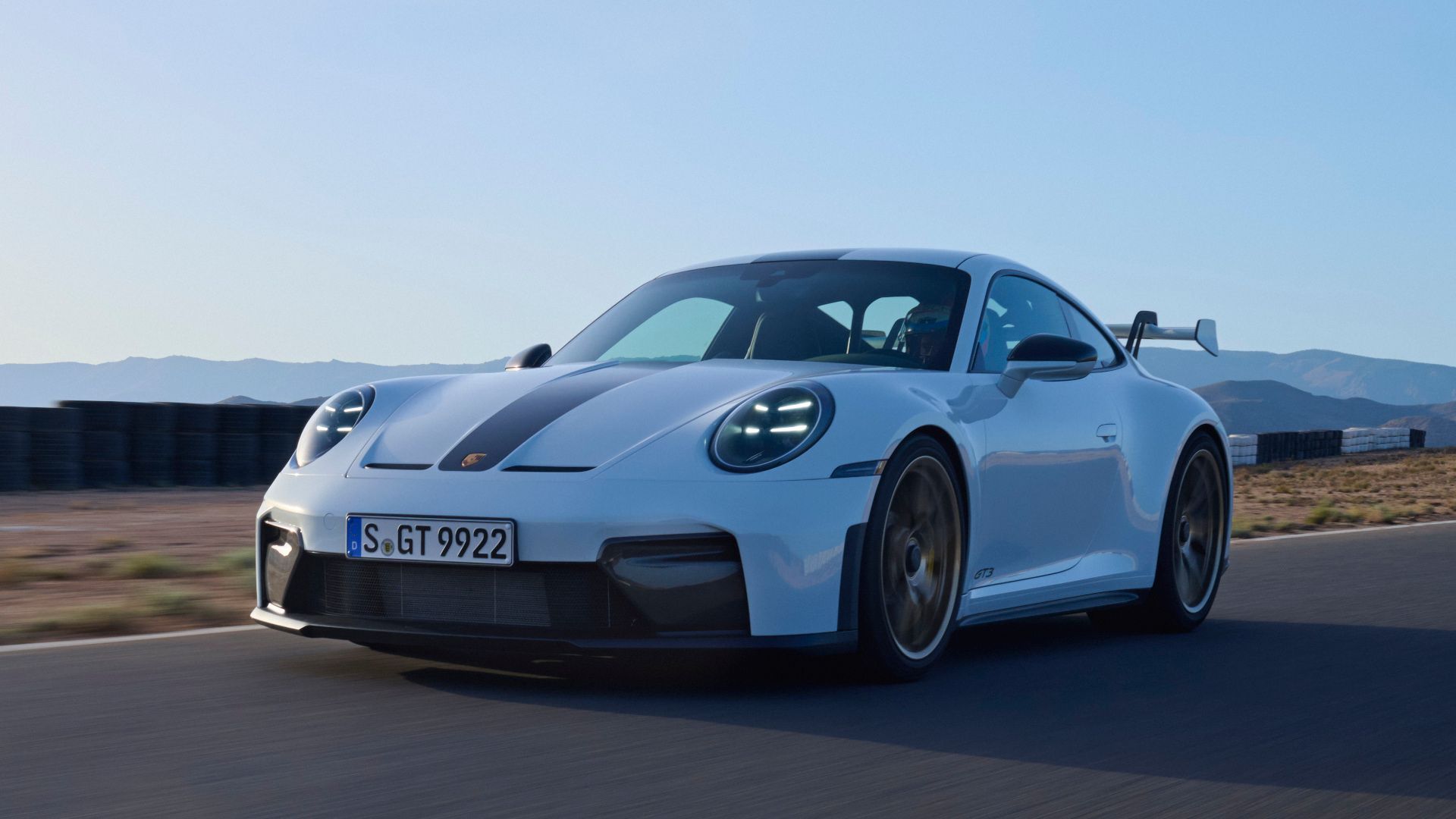
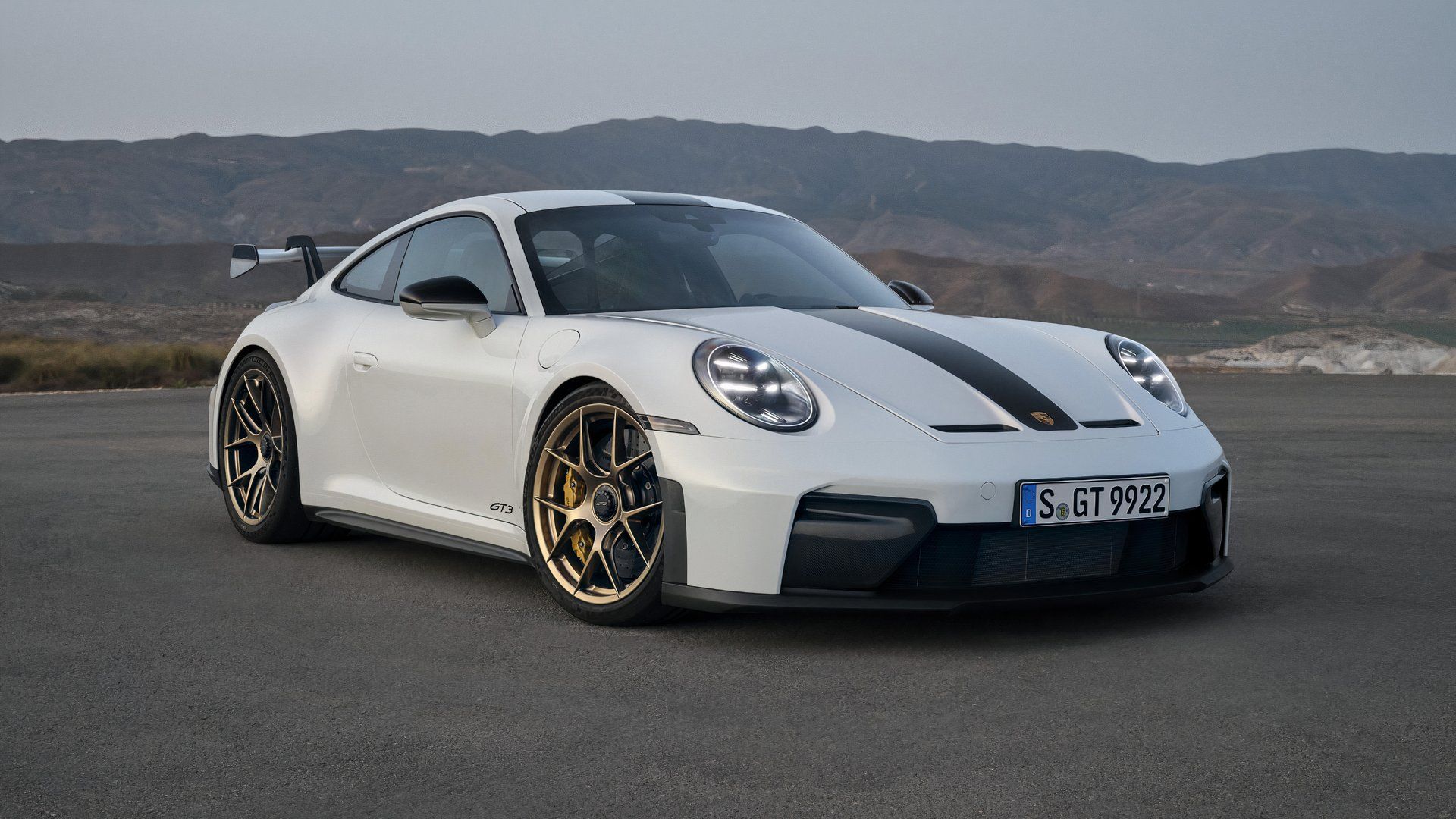
The recent news cycle confirms that Porsche's immediate future is a paradox of electrification and hyper-expensive exclusivity. The Macan GTS Electric is being tested against the Hyundai Ioniq 5 N, and while the Porsche wins on refinement, it costs nearly double the Hyundai. The Cayenne Turbo EV is a 1,000-horsepower luxury behemoth. Even the motorsport division is pivoting to the 911 Challenge, a factory race car that is, as Car and Driver notes, "affordable" only for "mere multimillionaires." The brand is moving upmarket with ruthless efficiency, leaving a vacuum at the $80,000 to $95,000 price point that once housed its most emotionally resonant machine.
The Cultural Cost
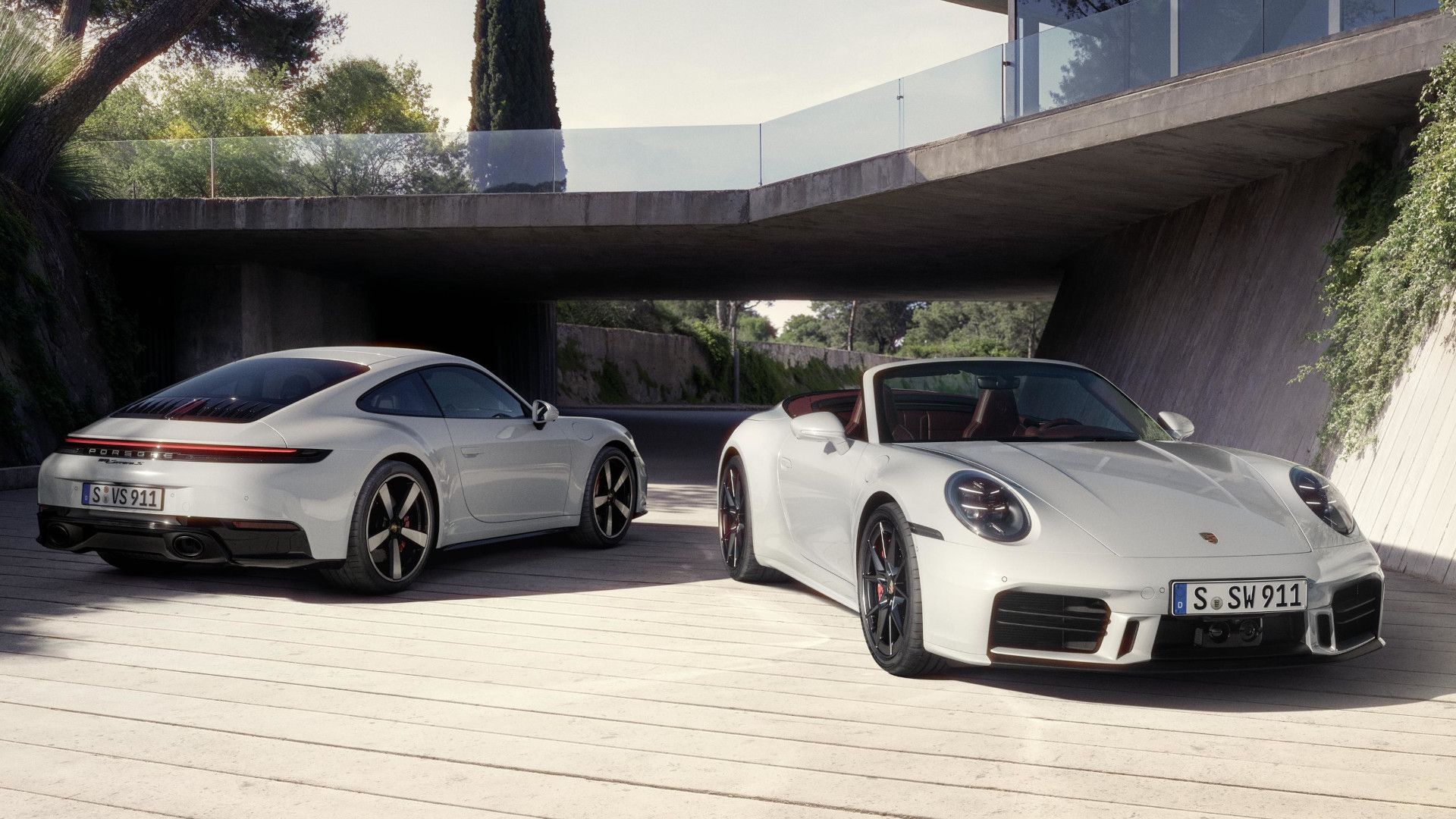
But the loss is more than financial; it's cultural. The sub-$100,000 Porsche was the gateway drug. It was the car that hooked a generation of enthusiasts on the brand's DNA. It was the car you bought before you could afford a 911 Turbo S. It was the car that proved Porsche understood driving as a visceral act, not just a status symbol. Now, the entry point to a genuine Porsche sports car experience has shifted. The cheapest 911 is over $100,000, and the electric 718—which is coming—will likely be heavier, more complex, and priced at a premium that alienates the core enthusiast.
We're seeing the final chapter of a specific era. When you read that Porsche would build a manual Panamera if you ask, it reads less like customer service and more like a eulogy for the manual gearbox in general. When the 911 Slantnose is considered for series production, it signals a focus on heritage and extreme personalization, not on accessible performance. The brand is becoming a luxury goods house, not a sports car maker. The 718 Cayman GTS 4.0 was the last bastion of the latter, and it's gone.
No Successor Waiting
There is no successor waiting in the wings. The rumors of a mid-engined electric sports car remain vague, and even if they materialize, they will not carry the same soul. The silence where the flat-six used to sing is now filled with the whine of electric motors and the sound of a CEO repositioning the brand for a future that looks very different from its past.
The best Porsche you could buy for under $100,000 is not coming back, and that's not a temporary production pause. It's a permanent shift in the definition of what Porsche is willing to sell you. And for those of us who remember the feeling of that mid-engined chassis carving through a mountain pass, the loss isn't just about specs or pricing—it's about the very essence of what made Porsche Porsche. The brand that taught us that driving could be a pure, unfiltered conversation between machine and driver has decided that conversation is no longer worth having at a price we can afford. The flat-six is silent, and the gateway is closed.