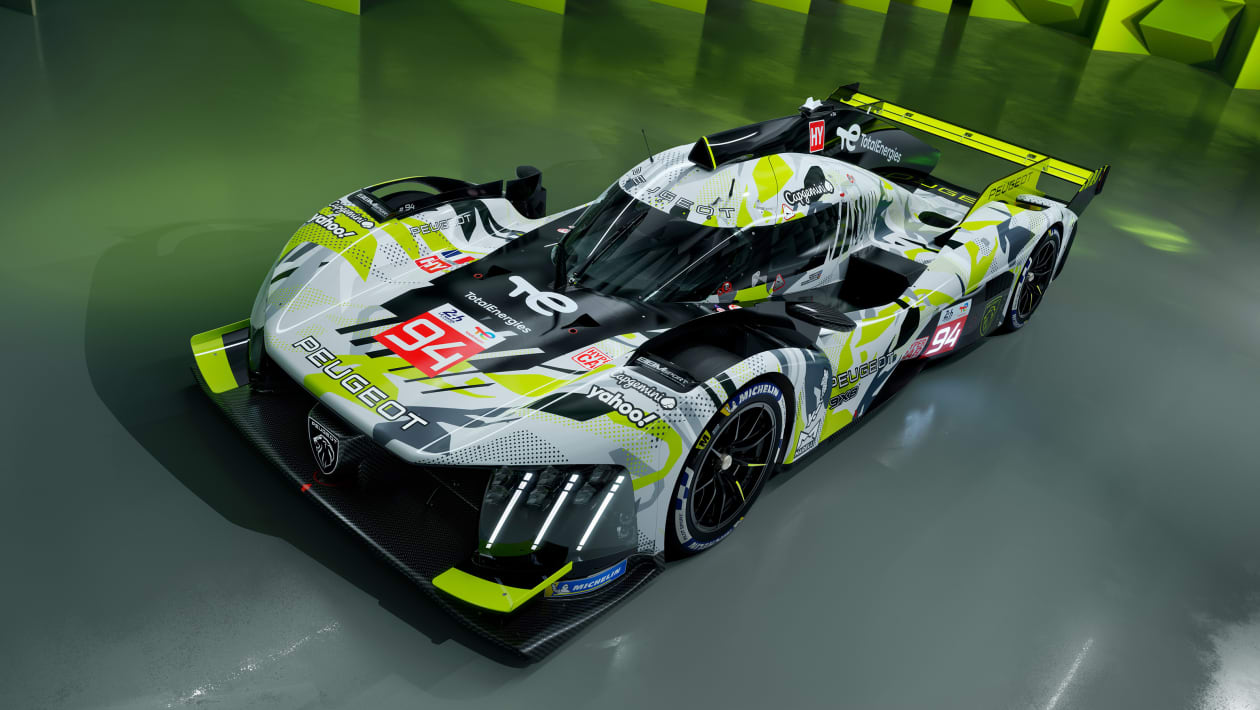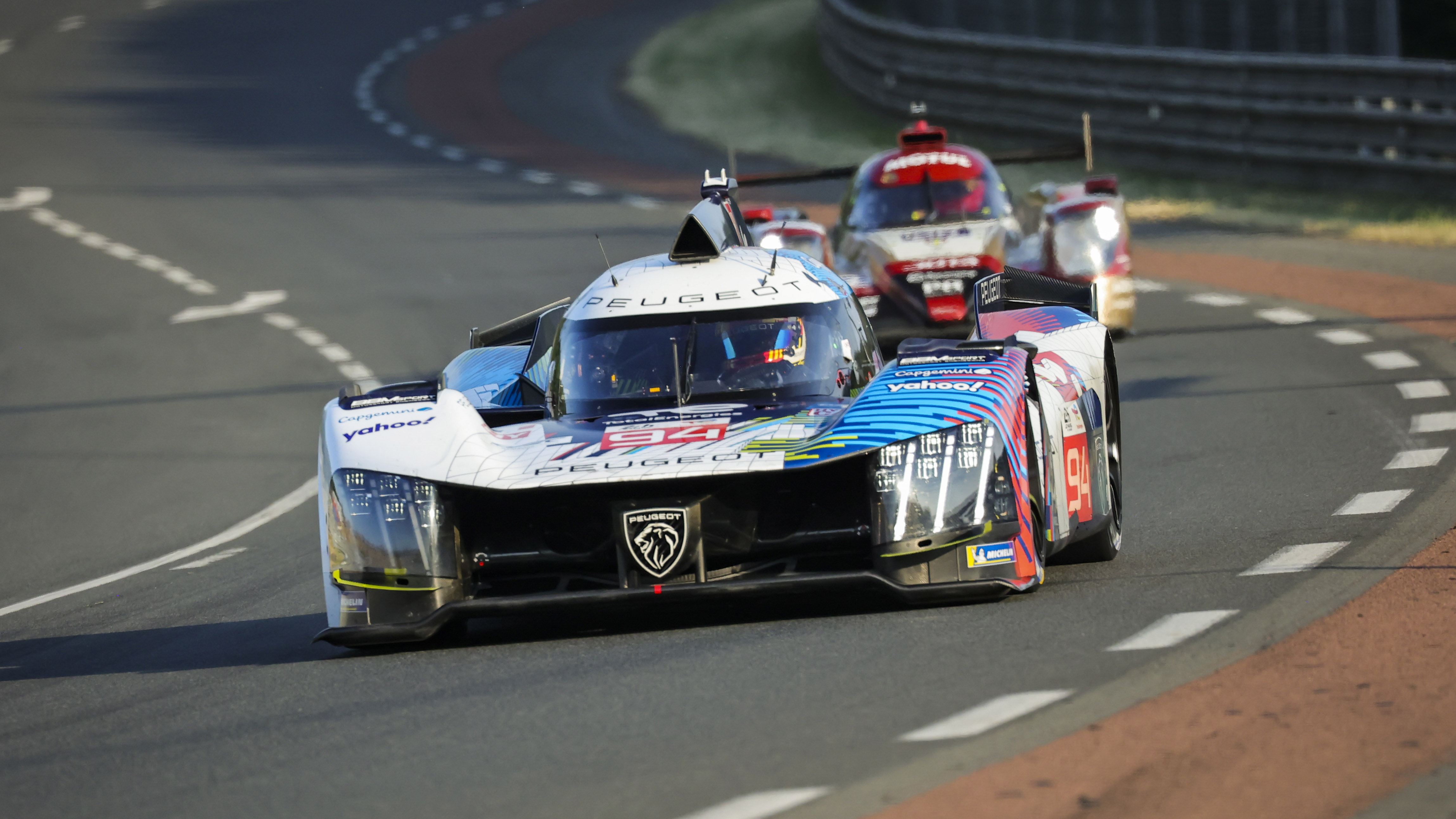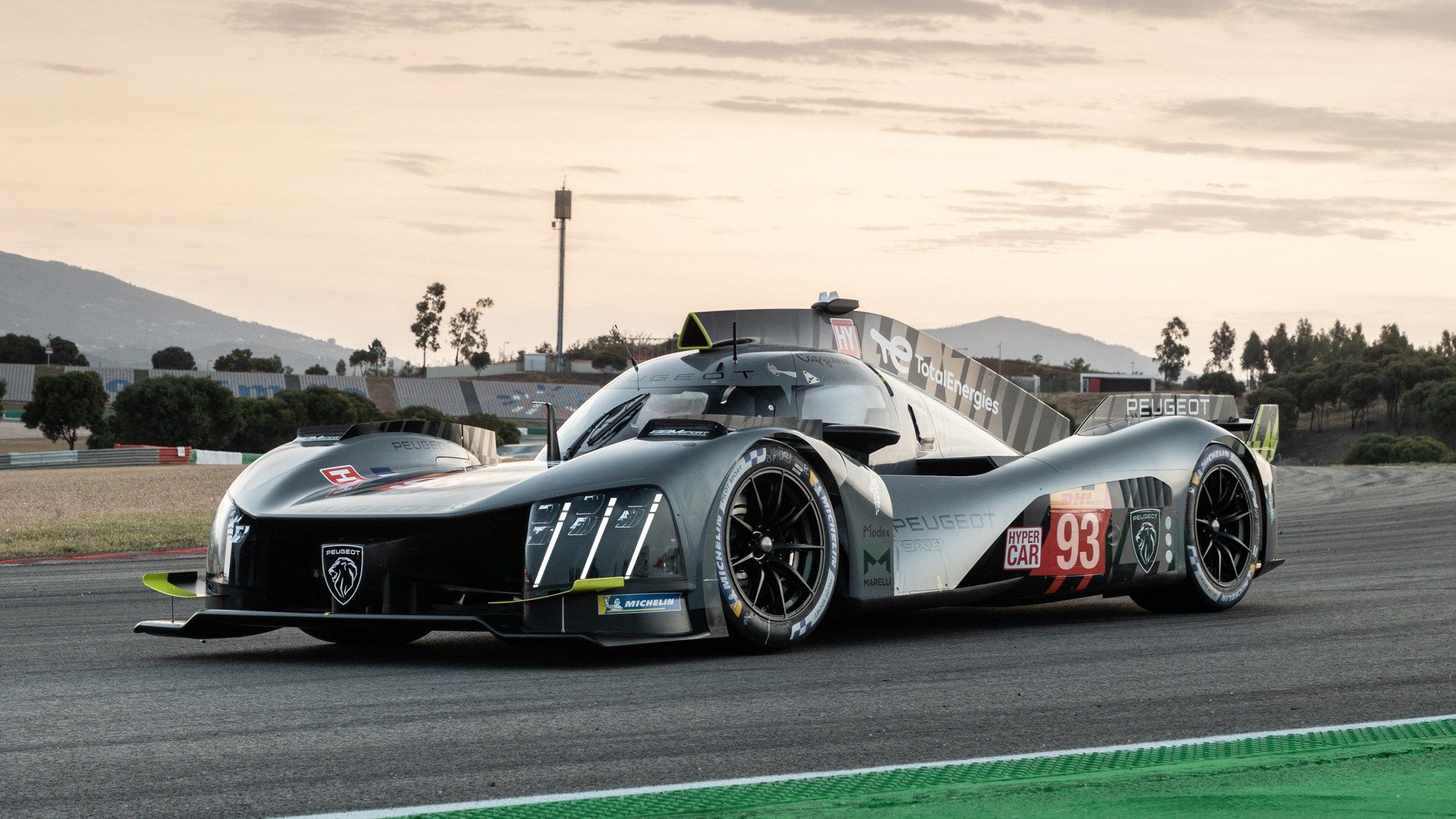
There’s a quiet irony unfolding in endurance racing. While the headlines from the FIA World Endurance Championship fixate on factory hypercars and pit-wall chess matches, a more profound narrative is being written in the engineering offices of Vélizy. Peugeot’s recent test of its 2027-spec 9X8 Hypercar has generated genuine encouragement within the team, but the true significance extends far beyond Circuit of The Americas or the hallowed tarmac of Le Mans. This isn’t merely about closing the gap to Ferrari and Toyota—it’s about validating a technological philosophy that could resurrect the segment Peugeot once dominated: the grand touring sedan.
For decades, the link between a manufacturer’s racing program and its road cars has been tenuous at best, often reduced to a sticker pack and a louder exhaust. The 9X8 program represents a radical departure from that cynical marketing playbook. The 2027 car isn’t an evolution of the current machine but a fundamental rethink, particularly regarding hybrid powertrain and aerodynamics. Whispers from the paddock suggest the new 9X8 is focusing on energy deployment efficiency and a more sophisticated torque-vectoring system, moving away from raw downforce toward a more holistic mechanical grip philosophy. These aren’t just racing solutions—they’re the exact engineering hurdles plaguing high-performance electric and hybrid road cars today, specifically those destined for large luxury segments.
From Race Circuit to Boulevard
The relevance to a Peugeot sedan revival is startlingly clear. Stellantis has been conspicuously quiet about the future of large passenger cars under the Peugeot lion, instead funneling investment into the E-3008 and E-5008 SUVs. Yet recent reporting confirms deepened French investment in new Peugeot EV production, suggesting the brand is preparing a significant platform shift. If Peugeot is to build a flagship sedan—a spiritual successor to the elegant 607 or the revered 508—it needs a unique selling point that distinguishes it from German hegemony. The 9X8’s development in managing weight distribution and regenerative braking under extreme duress provides the perfect technical bedrock for a high-performance electric GT.
Consider the packaging constraints. The current 9X8 famously eschews the massive rear wing, relying instead on underbody aerodynamics. This philosophy translates beautifully to a road car, allowing designers to sculpt a sleek, fastback sedan silhouette without the visual clutter of aerodynamic appendages. More importantly, the 2027-spec’s focus on all-wheel torque control hints at a dual-motor setup that can be tuned for character, not just outright speed. Imagine a Peugeot sedan that uses 9X8 data to pre-emptively shift torque to the rear axle during cornering, mimicking the balance of a mid-engined prototype while maintaining the practicality of a four-door. That’s the kind of technical narrative that can lure buyers out of their BMW 5 Series and Audi A6s.
Timing the Market Shift
Furthermore, the timing is impeccable. With SUV market saturation, there’s a growing whisper of “sedan fatigue” among European buyers who desire efficiency and driving dynamics over elevated ride heights. Recent sales figures from Belgium, where Peugeot saw a +41.6% surge, indicate a brand in resurgence, buoyed by aggressive EV pricing and striking design. But the volume models are merely the cash cows—they are not the halo. The 9X8 Hypercar is the halo, and the next logical step is to cast that halo down onto a production model.
This isn’t about building a track-day special. It’s about reclaiming the standard of French automotive excellence—a vehicle that embodies the brand’s “Allure” design language with the engineering muscle to back it up. The new 9X8’s powertrain layout, with its internal combustion engine acting more as a range extender under certain loads, mirrors the architecture needed for a plug-in hybrid or full-electric sedan that can sustain high-speed autobahn cruising without draining the battery at an alarming rate.
Breaking the German Spell
Peugeot’s history is littered with sedans lauded by critics yet ignored by the public—the 605 and the 508 were brilliant, but they lacked the emotional pull to break the German spell. A new flagship sedan, born directly from the rigorous testing of the 2027 Hypercar, would have that pull. It would be a statement that Peugeot is not merely a builder of competent hatchbacks and trendy crossovers, but a brand capable of engineering a true driver’s machine.
The encouraging test results from the 9X8 are more than just a morale boost for the race team—they are a proof of concept. The technology is maturing, the investment is flowing, and the market is shifting. The stage is set for Peugeot to surprise the world with a sedan that doesn’t just compete on specs, but on the sheer sophistication of its engineering. The lion may have been sleeping in the D-segment, but the 9X8 is the alarm clock.