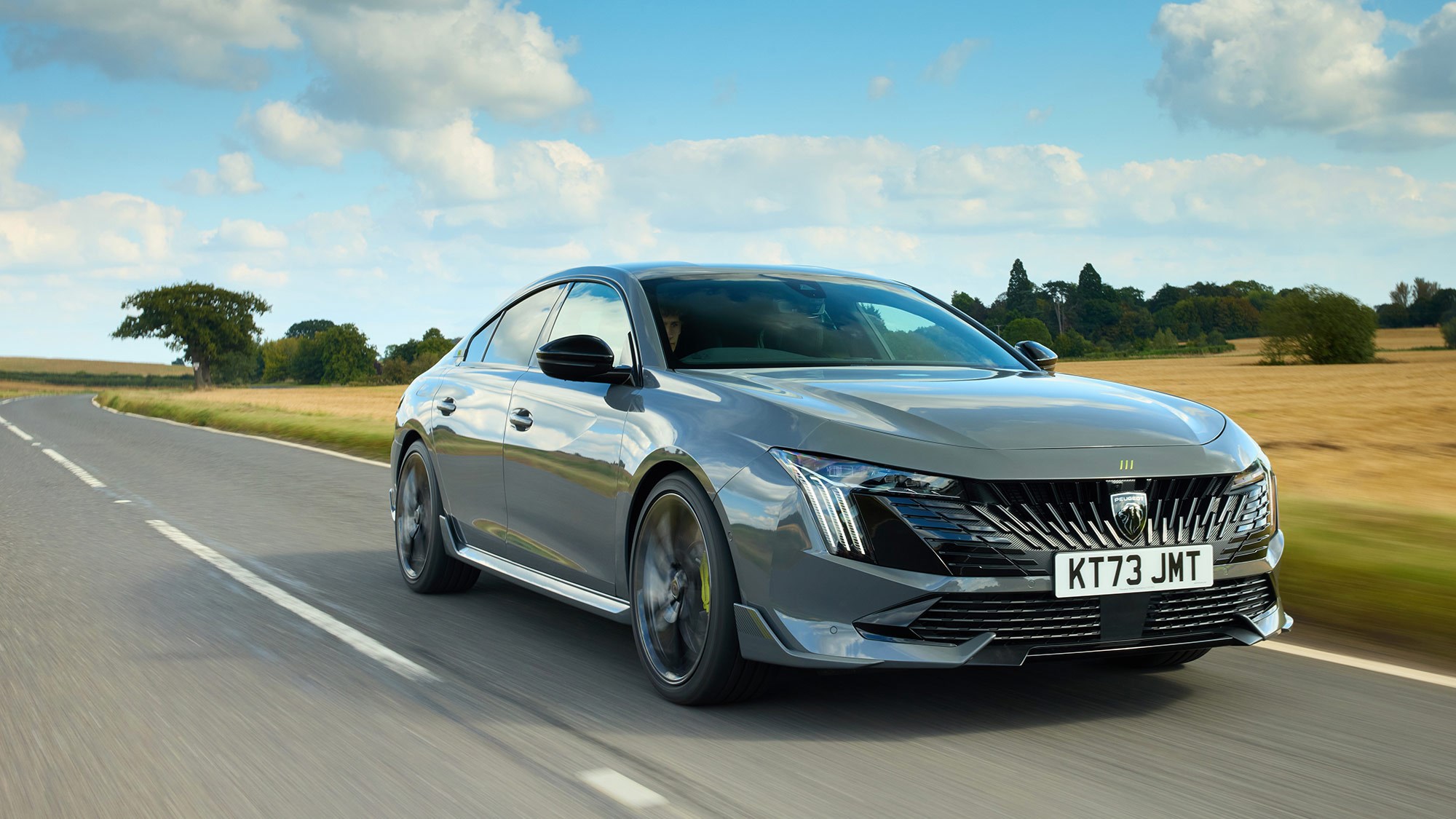
Stroll down any memory lane paved with Peugeot’s greatest hits and you’ll find a common thread: the brand has always known how to make a chassis sing. From the legendary 205 T16’s Group B savagery to the 908’s Le Mans endurance dominance, the French marque has the motorsport DNA to back up its feline design language. But somewhere between those glory days and today’s showroom lineup, the connection frayed. The 308, the 408—stunning to behold, clever in packaging—yet often criticized for a softness that sits at odds with their predatory stance. Enter Robert Shwartzman, and the narrative has just shifted.
When Peugeot confirmed the Ferrari Formula 1 reserve would join Team Peugeot TotalEnergies for the 2027 FIA WEC campaign, the easy headline was “another driver signing.” That undersells it dramatically. This is a strategic play that reaches far beyond the pit wall at Circuit de la Sarthe, with implications that should make anyone shopping for a new Peugeot crossover sit up and take notice. Shwartzman isn’t just there to unlock the winless potential of the hybrid 9X8 Hypercar. He’s there to recalibrate the very soul of Peugeot’s road-going range.
From Race Telemetry to Road Car Calibration
Let’s be honest about the modern Peugeot critique: strikingly designed, efficient, tech-forward—but occasionally detached from the visceral thrill that once defined the marque’s hottest machinery. The i-Cockpit layout is ergonomically clever, yet the driving experience has sometimes felt comfort-biased, almost apologetic about its own potential. Shwartzman changes that equation overnight.
Here’s a driver who has spent years extracting the final tenth from Formula machinery, who knows exactly what a brake pedal should communicate and how a steering rack should load up. When he climbs out of a development mule complaining about a vague throttle map or excessive body roll, the engineers will listen. The data he generates in the 9X8—braking points, steering input precision, hybrid torque delivery under sustained stress—doesn’t stay in the race shop. It filters directly into the calibration of future road cars. This is how you close the gap between design promise and dynamic reality.
The Hybrid Powertrain Connection
The timing borders on serendipitous. Peugeot is deep in an electric and hybrid renaissance, with models like the E-3008 and the sporty 408 pushing toward more premium, performance-oriented territory. And here’s where Shwartzman’s specific expertise becomes fascinating.
When journalists recently pitted the Peugeot 408 against the 650-horsepower BMW XM, the comparison was illuminating. The XM overwhelms with brute force; the 408 counters with efficiency and agility. But hybrid systems are about more than just fuel economy. The challenge of managing energy recovery and deployment—how seamlessly a car transitions between electric and combustion power, how urgently it surges when you demand everything—is precisely what Shwartzman manages at 200 mph in the 9X8. His feedback on those transitions could help Peugeot refine its production hybrid powertrains to deliver not just better efficiency, but a more engaging, responsive acceleration character. That’s the difference between a hybrid that feels like a compromise and one that feels like an advantage.
A Cultural Shift in Competitive DNA
There’s a psychological dimension here that shouldn’t be underestimated. Peugeot’s recent Hypercar campaigns have been plagued by reliability gremlins and a frustrating lack of ultimate pace—hence that “winless” tag the media loves to repeat. The 905 and 908 proved this brand could conquer the world’s toughest circuits, but modern endurance racing demands a particular kind of ruthlessness.
Shwartzman brings that in spades. His career trajectory—never settling for second-best, grinding through junior categories and endurance racing with equal intensity—injects a necessary edge into the operation. This competitive DNA is exactly what Peugeot wants to bake into its next generation of sedans and crossovers. The goal isn’t merely efficient appliances with pretty faces; it’s vehicles that feel alive, responsive, and genuinely rewarding when the road turns interesting.
The recall of the 308, 3008, and 408 earlier this year served as a stark reminder that mastering the fundamentals of quality and reliability remains paramount. A driver signing can’t fix a faulty component. But it does refocus corporate attention on performance integrity across every domain—from braking system robustness to steering rack precision. Shwartzman’s presence signals that Peugeot intends to pursue excellence comprehensively, not just in the showroom brochure but in the engineering that underpins it.
Design Language Finally Catching Up
Peugeot’s modern design language has always promised dynamism—those feline headlights, that predatory stance, the sculpted flanks that look fast even when parked. The aesthetics have never been the problem. The challenge has been making the engineering match the visual aggression.
Shwartzman represents the bridge between those two worlds. By feeding real-world racing intelligence back into the development loop, he’s helping ensure that Peugeot’s sedans and crossovers are celebrated as much for their handling prowess as for their distinctive French flair. He’s not just another name on the driver’s door. He’s the catalyst that could finally reconnect Peugeot’s glorious motorsport heritage with its road-going future—one where the 308’s successor doesn’t just look like it wants to devour the apex, but actually does.