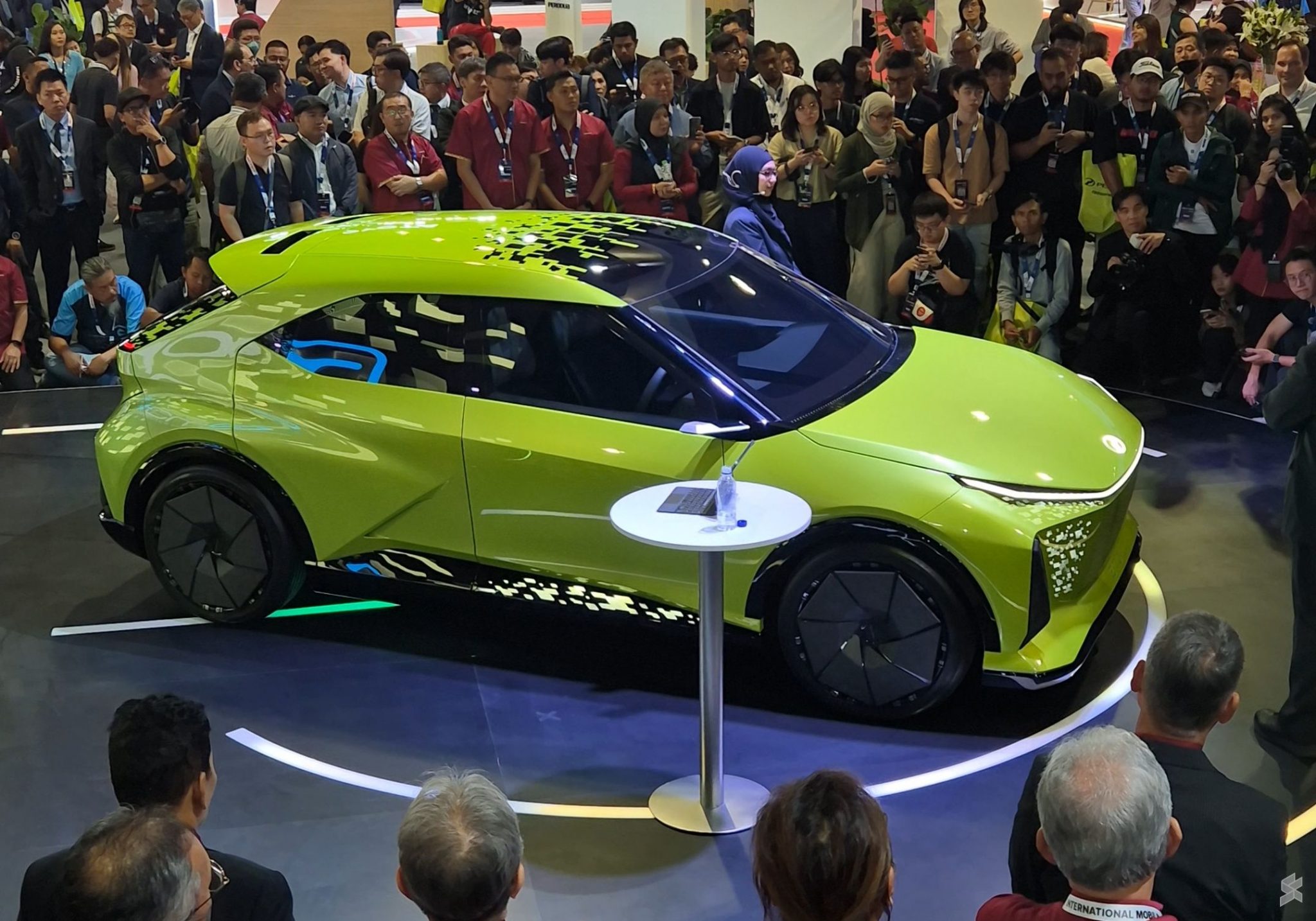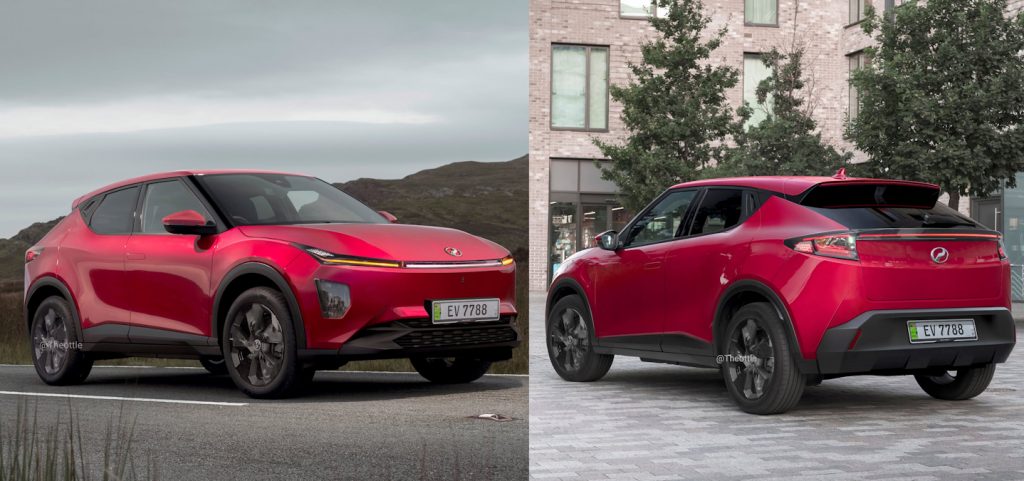
When Perodua unveiled its QV-E concept at the Malaysia International Motor Show, the automotive world did a double-take. Here was a compact, city-friendly EV priced under RM90,000—a figure that undercuts nearly every electric vehicle currently on Malaysian roads and directly challenges the influx of aggressively priced Chinese rivals. The headline numbers were staggering, the press coverage effusive.
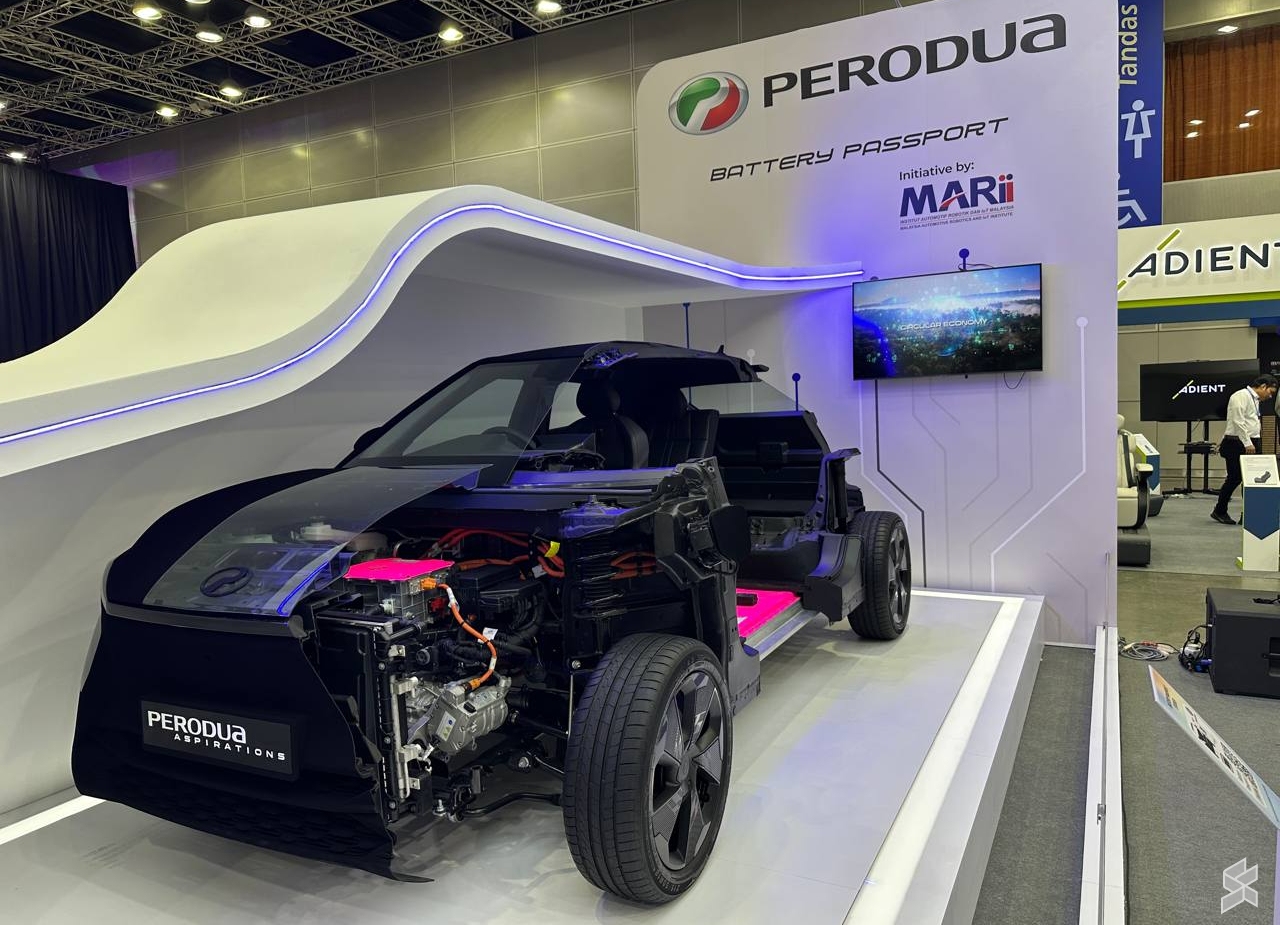
But buried deep within the announcement lay a caveat so significant it fundamentally redefines what Perodua is actually selling: the battery is not included. The QV-E, as presented, is a battery-less electric vehicle—a rolling chassis with motors and electronics but no energy storage. That single omission, while clever on a production-cost spreadsheet, exposes a hidden barrier that Malaysian buyers have never had to confront in the internal combustion era.
The Subscription Trap That Masquerades as Affordability
The logic behind Perodua's approach, as reported by Bloomberg and Nikkei Asia, is rooted in the nation's unique automotive economics. Malaysia's national carmaker, alongside its technical partner Daihatsu, is acutely aware that the single most expensive component in any EV is the lithium-ion pack. By stripping it out of the initial purchase price, Perodua can market a vehicle that looks astonishingly affordable on paper—a psychological victory in a market where BYD's Seal and Atto 3 have already set a price benchmark that many locals still find prohibitive.
The plan, reportedly, is to offer the battery under a separate subscription or leasing model, similar to the battery-swapping schemes pioneered by Nio in China. It is a seductive pitch: you buy the car, you rent the energy. But this bifurcated ownership structure creates a cognitive dissonance for the average Malaysian consumer, who is accustomed to a single, transparent transaction covering the entire vehicle.
Doing the Maths on Seven Years of Ownership
Consider the real-world mathematics. A RM90,000 car with a separate monthly battery rental fee might seem manageable initially, but over a seven-year ownership period—the average for Malaysian private vehicles—the cumulative subscription cost can easily eclipse RM30,000 to RM40,000, depending on the tier and kilowatt-hour capacity. That effectively pushes the total cost of ownership beyond RM120,000, quietly erasing the price advantage over a fully integrated EV like the Proton e.MAS 7 or even a well-equipped internal combustion Perodua.
The hidden cost barrier is not the sticker price; it is the long-term financial commitment that many buyers will fail to calculate before signing on the dotted line. Furthermore, this model introduces a second-hand market nightmare. What is the residual value of a used EV with no battery? Who assumes the liability for a degraded leased pack when the car changes hands? These are questions Perodua has yet to answer, and their silence is deafening.
A Reputation Built on Certainty, Now Undermined
There is also a deeper strategic irony at play. Perodua's entire domestic reputation has been built on the promise of low maintenance, bulletproof reliability, and absolute total cost certainty. The Axia and Myvi have become Malaysian household staples precisely because they are cheap to buy, cheap to run, and cheap to fix. By introducing a battery-less EV, Perodua is fundamentally altering that value proposition.
The buyer is now exposed to variable energy costs, battery health uncertainty, and a dependency on Perodua's own leasing infrastructure for the vehicle's entire operational life. This is not the democratisation of EV ownership; it is a shift of risk from the manufacturer to the consumer, wrapped in a deceptively low initial price tag. The company's recent move to slash Axia prices by up to RM4,700 further muddies the waters, suggesting that while it fights to maintain dominance in the budget internal combustion segment, its electric future remains a high-wire act of financial engineering.
The Fine Print Nobody Reads
Perodua argues, with some justification, that this approach is necessary to fend off Chinese EV makers who have mastered the art of vertical integration and can afford to sell batteries at cost. But the Malaysian buyer is not a corporate strategist. They are a commuter in Kuala Lumpur facing traffic on the SPRINT highway, or a family in Penang planning a weekend trip to Ipoh. For them, an EV is not just a political statement or a technological curiosity; it is a pragmatic purchase.
The hidden cost barrier is not the RM90,000 entry fee—it is the opaque, ongoing financial relationship with a battery they do not own. Until Perodua releases transparent lease terms, warranty details, and a clear battery health guarantee, the QV-E remains a brilliant engineering showcase with a flawed commercial soul.
The real price of this EV is not printed on the windscreen; it is buried in the fine print of a subscription agreement that most buyers will never fully read. Perodua has spent decades building trust through simplicity and value. With the QV-E, it risks trading that hard-earned reputation for a spreadsheet victory—and Malaysian drivers deserve better than a clever financial structure dressed up as an automotive breakthrough.