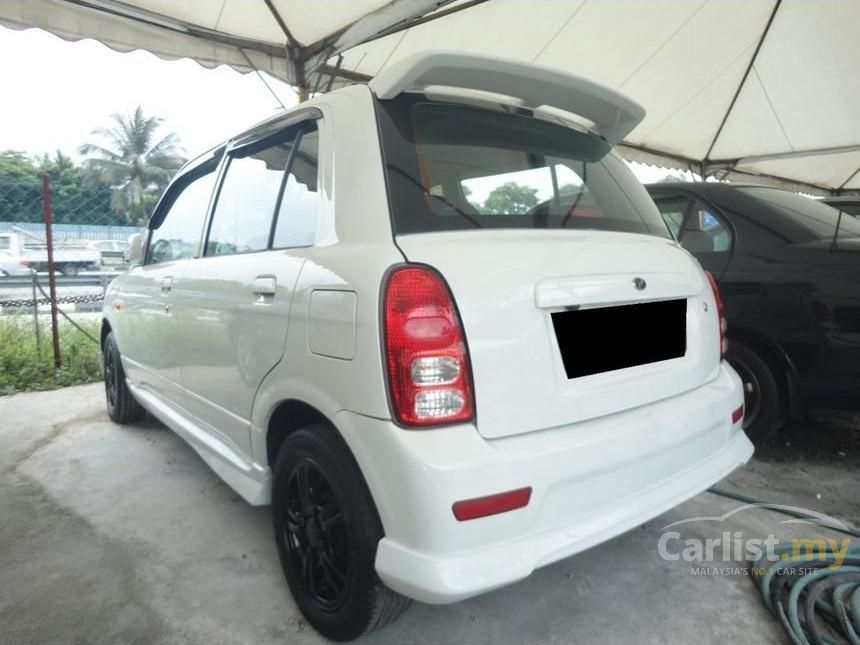
There's a strange kind of arithmetic happening in Malaysian driveways right now, and it has nothing to do with horsepower, resale curves, or the sentimental weight of a first car. It concerns a Perodua built before 2006 — a Kelisa, a Kenari, an early Myvi — parked under a car porch with faded paint and a road tax long overdue. On the open market, that machine might fetch a few hundred ringgit from a scrap dealer. Maybe a thousand, if the engine still turns over without complaint.
But under a government-backed trade-in scheme currently making the rounds, that same neglected sedan is suddenly worth up to RM4,000 toward a new Perodua. The car isn't worth more because it runs better. It's worth more because it's old.
That inversion is the quiet genius of the programme, and it deserves more attention than it's getting. Malaysia has spent decades grappling with an ageing national fleet, and the usual levers — inspections, road tax penalties, public awareness campaigns — have done little to dislodge the pre-2006 cars still populating kampung roads and city back lanes. What actually moves an owner isn't shame or safety statistics. It's the discovery that the rusting object in the driveway has become a financial instrument. The trade-in converts scrap into equity, and in doing so it reframes the entire decision to buy new.
The Numbers Behind the Noise
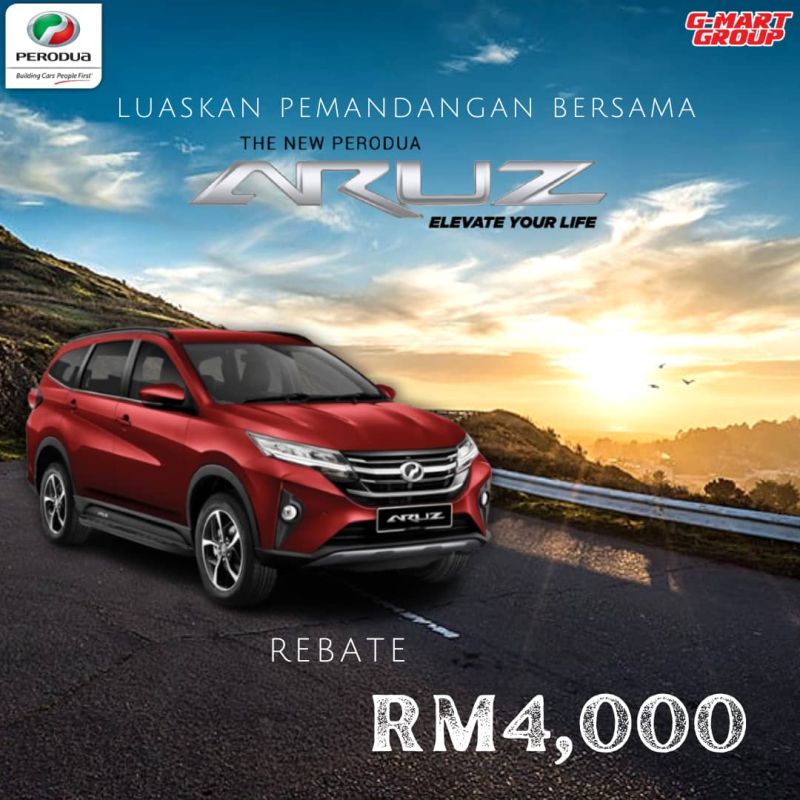
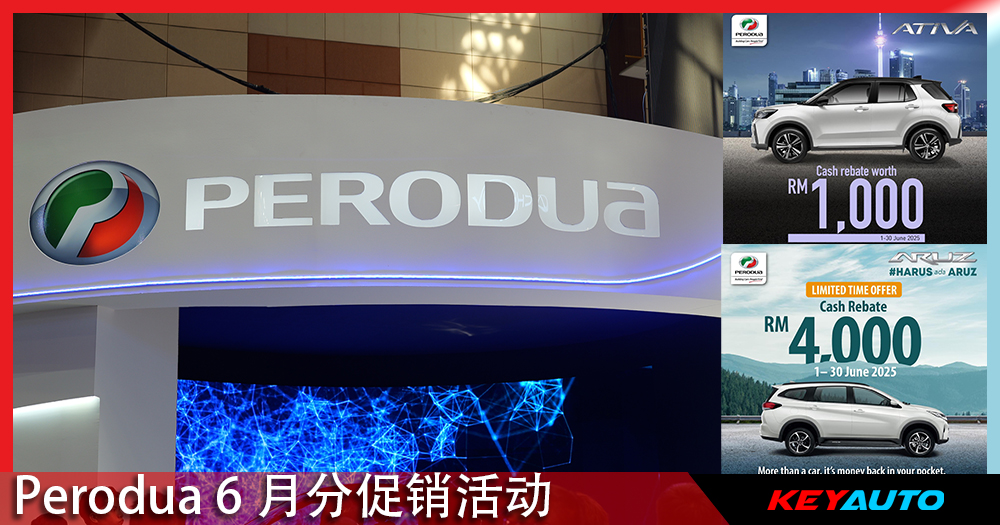
The timing is no accident. Perodua is in the middle of its most aggressive push in years. The QV-E — its first battery-electric model — carries a RM10,000 rebate extension through the end of October. The Ativa enjoys up to RM9,500 in rebates, while the Aruz and Bezza carry RM4,000 and RM2,500 respectively under ongoing sales campaigns. Layer the pre-2006 trade-in on top and the entry point to a new Perodua collapses in a way that would have seemed implausible a decade ago. A twenty-year-old Kelisa becomes, in effect, a down payment.
A Retention Mechanism, Not Just a Sales Tactic
Yet the scheme's real significance lies in what it reveals about Perodua's strategic position. Proton has just posted a fifteen-year high in market share, and the gap between the two national marques is narrowing. Competition from Chinese electric brands is intensifying, and Perodua's answer — articulated openly by its leadership — is to defend long-term value rather than chase headline pricing. A trade-in programme that pulls ageing metal off the road and replaces it with new metal bearing the same badge isn't merely a sales tactic. It's a retention mechanism. Every pre-2006 car converted is a household kept inside the Perodua ecosystem rather than lost to a rival showroom.
The Environmental Logic Nobody's Shouting About
There's also an environmental argument the marketing has, perhaps wisely, underplayed. Older carburetted and early fuel-injected engines are disproportionately dirty relative to their mileage, and removing them from circulation delivers emissions benefits that no amount of tree-planting imagery can match. The MIDA-backed push to strengthen ESG readiness among Perodua's component vendors points in the same direction: the company is quietly repositioning itself as a steward of the national fleet's renewal, not just its expansion.
The Fine Print, and Why It Doesn't Matter
The scheme isn't without friction. Owners of pre-2006 cars must navigate documentation, eligibility windows, and the inevitable fine print — and the trade-in value only materialises if one actually buys a new Perodua. But that's precisely the point. The incentive is structured to convert nostalgia into transaction, and it works because the numbers are large enough to overcome inertia. A car worth RM800 as scrap is worth RM4,000 as a voucher. In that gap between dead and alive, Perodua has found something rare: a policy that's simultaneously good for the balance sheet, the air, and the customer's sense of a deal well struck.
It's a reminder that Perodua's automotive philosophy has always been less about chasing the horizon than about meeting people where they are — and occasionally, quietly, changing the maths of what's sitting in their driveway.