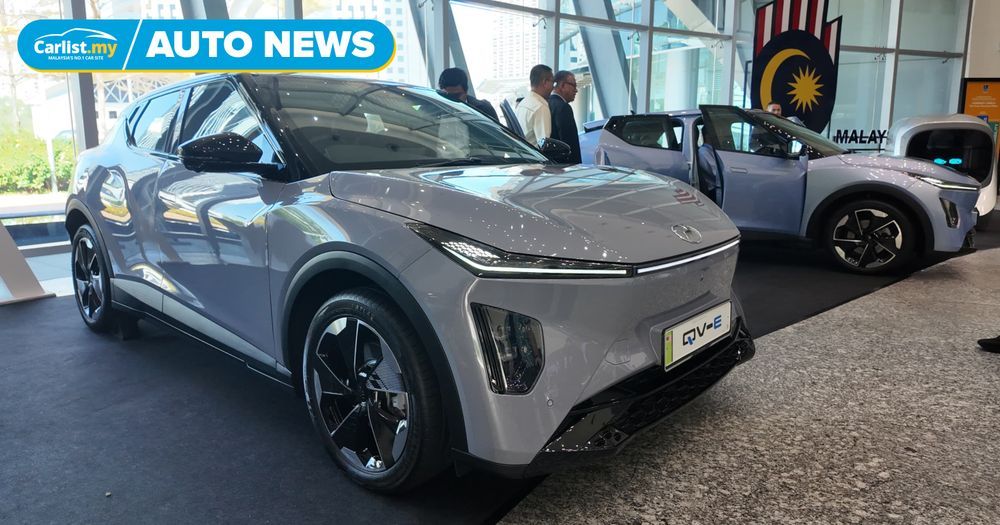
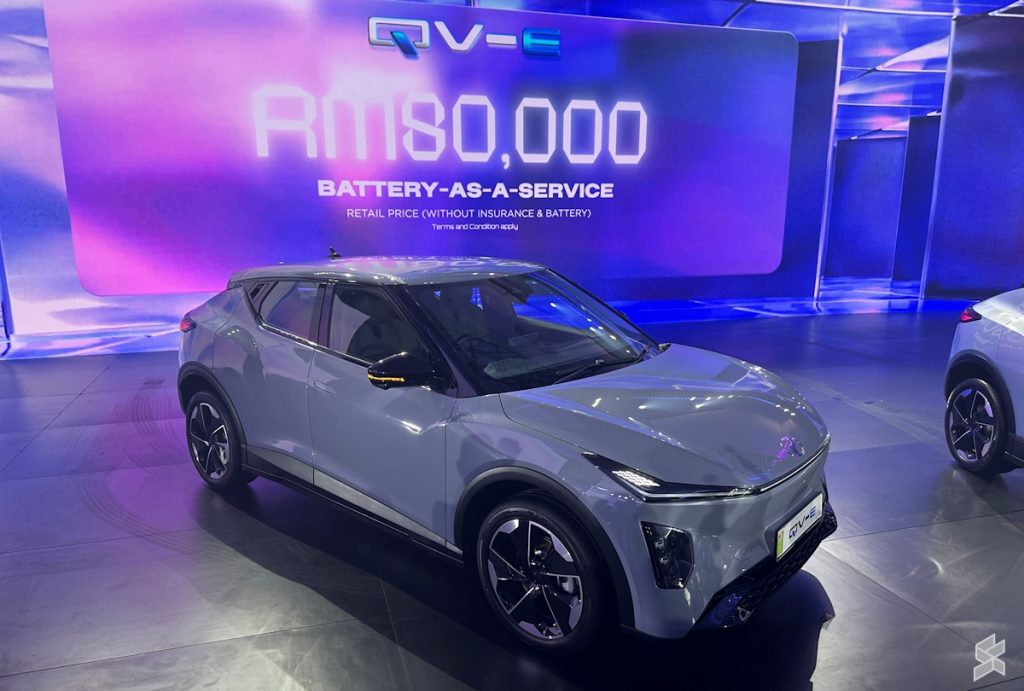
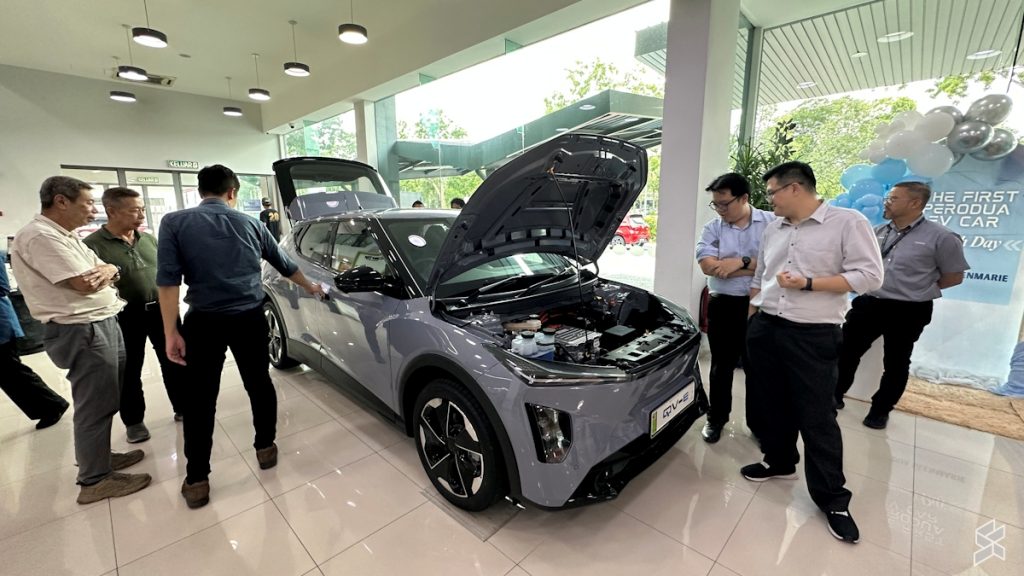
The headline number lands like a lap record: RM53,499 for a brand-new electric SUV. Perodua timed the reveal to Malaysia Day, then sweetened it at ACE 2026 with an extra RM10,000 rebate and RM2,500 in vouchers. Bloomberg framed the car as a $19,000 EV; Autoblog called it an electric SUV under $20,000. Both descriptions are accurate, and both omit the same three words: battery not included. Perodua hasn't so much cut the price of its first EV as moved a substantial portion of it off the sticker and into a subscription.
Whether the QV-E is a genuine bargain or a quietly expensive commitment depends entirely on terms most buyers will skim past on the way to the showroom. This is Battery as a Service, and Perodua is not the first to attempt it.
The BaaS Bet, Retargeted
What makes the Malaysian case interesting is the audience. BaaS has, until now, been the preserve of premium Chinese marques and European startups, pitched at buyers who lease rather than own and who treat a monthly battery fee the way they treat a phone plan. Perodua sells to a nation of first-time buyers, household budgets measured in ringgit per month, and a used-car culture in which resale value is not an abstraction but the single most important line in the ownership equation. Dropping BaaS into that market is a bolder bet than the price tag suggests, and the Nikkei Asia reporting around the launch hints that Perodua knows it — the company's stated ambition is to bolster long-term EV value precisely to fend off the wave of Chinese rivals now flooding the segment.
What RM53k Actually Buys
Start with what the money covers. You get the car, the drivetrain, the warranty on everything that is not the battery. You do not get the battery, and you will never own it. That single structural fact ripples through every financial decision that follows. There is no residual value in a component you never possessed, which means the usual Malaysian calculation — buy now, sell in seven years, recover a chunk of the outlay — no longer applies in the way buyers expect.
The QV-E's resale proposition is therefore not the car's alone; it is the car plus whatever Perodua decides the battery subscription is worth to the next owner. If the rental agreement is transferable on attractive terms, the car holds value. If it is not, the buyer is holding an asset with a permanent asterisk.
The Monthly Figure Nobody Leads With
Then there is the monthly figure itself. Perodua has been careful not to lead with it, and that is telling. A battery rental is a recurring cost that behaves like fuel but arrives whether you drive or not, and it does not fall when electricity prices do or rise when petrol does. Over a typical Malaysian ownership horizon, the total outlay is the sticker price plus years of rental, and the comparison that matters is not RM53k against a Chinese EV's RM100k — it is the fully loaded QV-E against that rival, amortised honestly.
The RM10,000 ACE rebate and the vouchers are real money, but they are one-time offsets against a cost structure that is anything but one-time. Buyers who treat the rebate as the story will misjudge the deal.
The Fine Print That Decides the Verdict
The clauses that settle this are unglamorous and specific. What is the monthly rental, and is it fixed for the life of the agreement or indexed to something? What happens if you exceed an annual mileage cap, assuming there is one? What is the condition standard at hand-back, and who adjudicates battery degradation — a figure Perodua defines, measures, and enforces, with no independent arbiter? Can you terminate early, and at what penalty? Is the subscription tied to the owner or the vehicle, and does it survive a private sale? What happens if Perodua revises its BaaS pricing in year four — are existing subscribers grandfathered, or exposed?
Each of these is a lever the manufacturer holds and the buyer does not. Together they determine whether RM53k is a genuine entry point into electric motoring or the down payment on a long, inflexible annuity.
None of this makes the QV-E a bad car. Perodua's engineering record, its service network, and its grip on Malaysian buyer psychology are formidable advantages, and a mass-market EV with a local badge and local support addresses a real anxiety that Chinese newcomers have not yet earned the right to dismiss. The QV-E may well be the vehicle that normalises electric driving for the Malaysian mainstream — a machine that finally makes the switch feel ordinary rather than aspirational.
But the price that made the headlines is a headline, not a total. The number that matters is the one printed in the rental schedule. Perodua's philosophy has always been to build the car the country can actually afford; with the QV-E, it has redefined what "afford" means. The buyers who read the fine print before signing will be the ones who decide, honestly, whether Perodua's bet on Battery as a Service is a gift to the mass market or a very long lease in disguise.