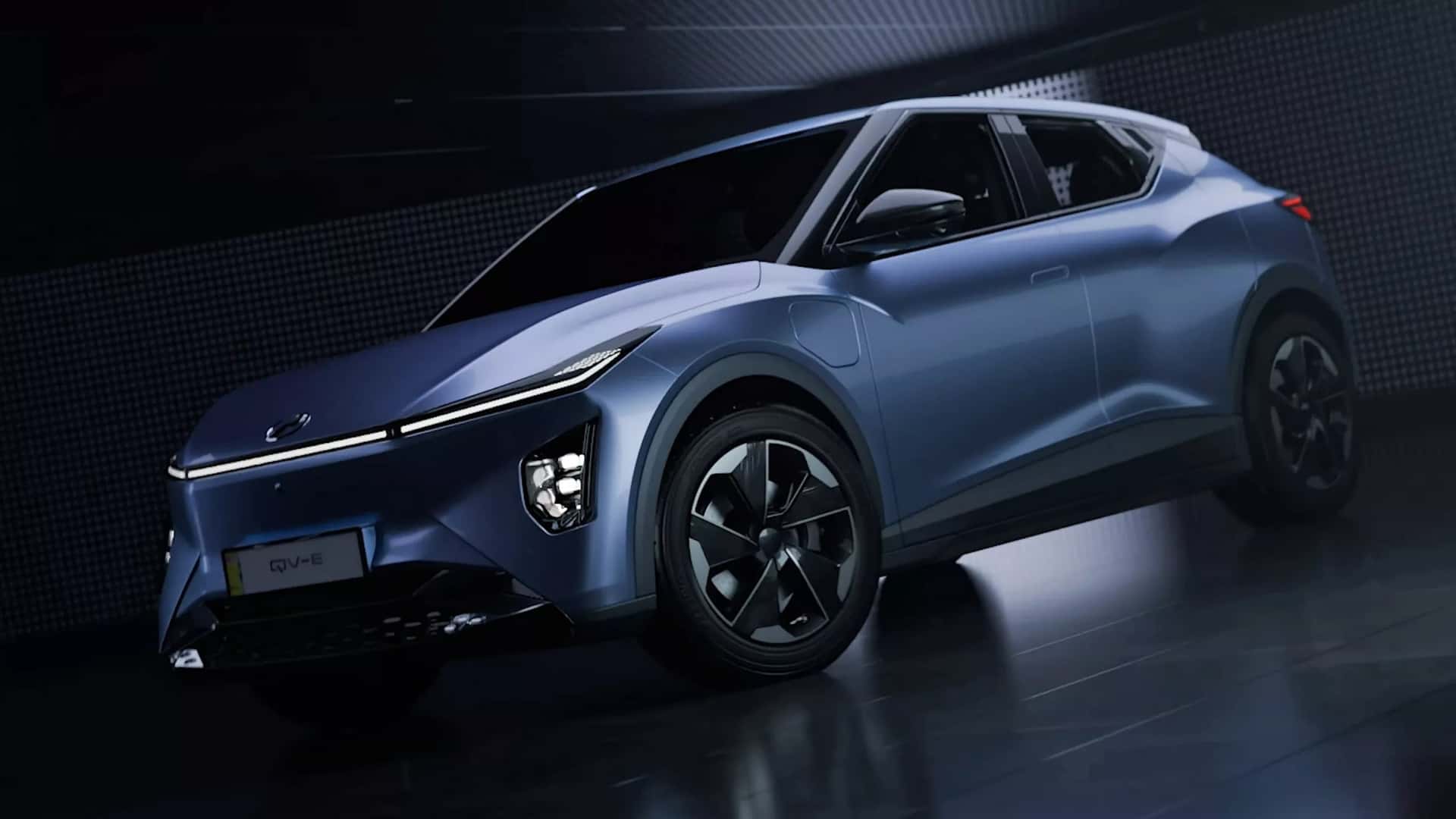
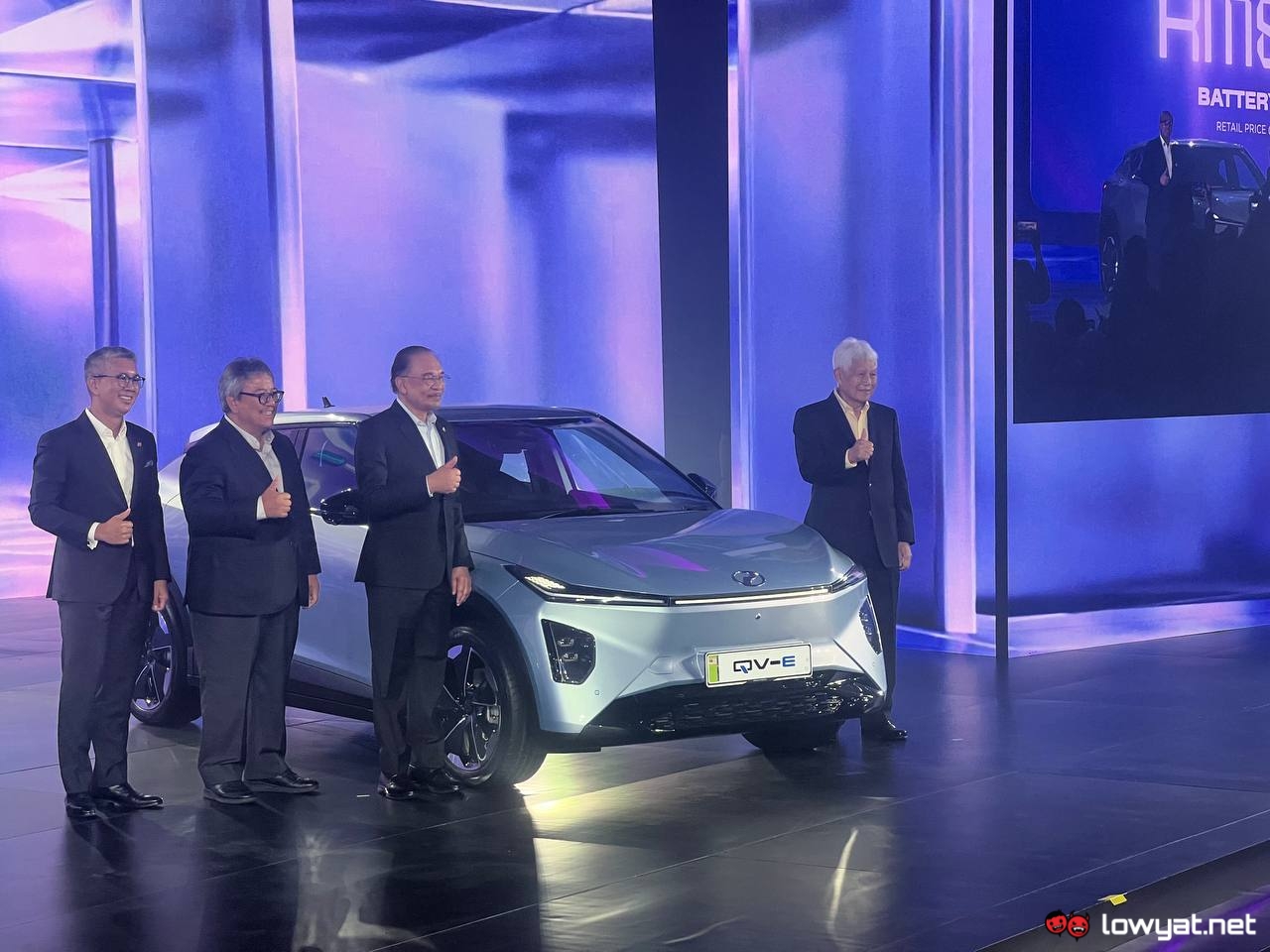
For thirty years, Perodua has been Malaysia's master of a very particular arithmetic: the arithmetic of getting people behind the wheel. From the Axia to the Alza, the brand's genius was never engineering excess — it was engineering access. So when Perodua pulled the wraps off the QV-E, Malaysia's first mass-market EV, at a headline figure of roughly RM53,499 in conjunction with Malaysia Day, the industry did what it always does and stared at the number.
That stare was aimed at the wrong thing. The real disruption isn't the sticker price. It's the business model bolted to the battery.
The Battery Isn't Included — That's the Point
The QV-E arrives with what Perodua calls Battery as a Service: you buy the vehicle, you lease the battery. Bloomberg framed it with characteristic bluntness — Malaysia's Perodua unveils a roughly $19,000 EV, battery not included. It reads like a caveat. It's actually the entire thesis.
By decoupling the most expensive, most degradable, most technologically volatile component from the car itself, Perodua has done something no traditional hire-purchase framework was ever designed to handle. It has split the depreciating asset and the appreciating one into two separate transactions.
Think about what a conventional car loan really finances. When a Malaysian buyer signs a seven- or nine-year hire-purchase agreement, the bank advances the full purchase price and charges interest on the entire sum — including the battery, which will shed meaningful capacity long before the final instalment clears. You are paying interest on an asset that is quietly dying in your driveway. Battery leasing dismantles that arrangement at the root. The financed principal shrinks dramatically, monthly commitments fall, and the battery's health becomes the manufacturer's problem rather than the owner's residual-value nightmare.
From Product Story to Credit Story
This is where the QV-E stops being a car and starts being a credit instrument. Perodua's move, reported by eenewseurope as a deliberate play to bring Battery as a Service to the mass market, effectively routes around the traditional loan. A buyer no longer needs to qualify for financing on a fully electrified vehicle; they need to qualify for a smaller car and a separate subscription.
For households that have always been priced out of EVs — not by desire, but by loan ceilings — that distinction is everything. It is the same instinct that built Perodua in the first place, now applied to a new powertrain.
The Infrastructure Is Moving Fast
The supporting cast is falling into place with unusual speed. Perodua and Tan Chong Motor have signed a three-year agreement covering assembly line rental and painting services for the QV-E at Serendah, a deal The Star and Paul Tan's Automotive News both flagged as central to the model's viability. MCE Holdings has secured a RM54 million contract tied to Perodua's ICE lineup — evidence that the combustion business still funds the electric ambition. MIDA, meanwhile, has partnered with Perodua to strengthen ESG readiness across local component vendors: a quiet but consequential signal that the supply chain is being retooled for what comes after the first QV-E.
None of this guarantees success. Battery leasing demands disciplined residual-value forecasting, robust subscription collection, and a customer base willing to accept that they will never own the most expensive part of their car. It also invites regulatory scrutiny, since a leased battery sits awkwardly between product and service in consumer-protection law. And there is a cultural hurdle: Malaysian car ownership has long been synonymous with outright possession. The idea of renting the heart of your vehicle will unsettle buyers who equate the pink slip with security.
Why the Banks Should Be Nervous
Yet the logic is difficult to resist. Perodua's recent dominance at SLIM DIGIS 2.6, where it collected four awards including Gold in the automotive sector, and even PolicyStreet's RM100 insurance discount for Proton and Perodua owners, all point to a brand with extraordinary cultural gravity. When a marque that influential redefines how a car is paid for, the banks notice.
If the QV-E proves that battery leasing can move volume at scale, the traditional car loan won't vanish overnight — but it will no longer be the default.
Perodua has spent thirty years selling Malaysians their first car. With the QV-E, it may be selling them their last conventional loan.