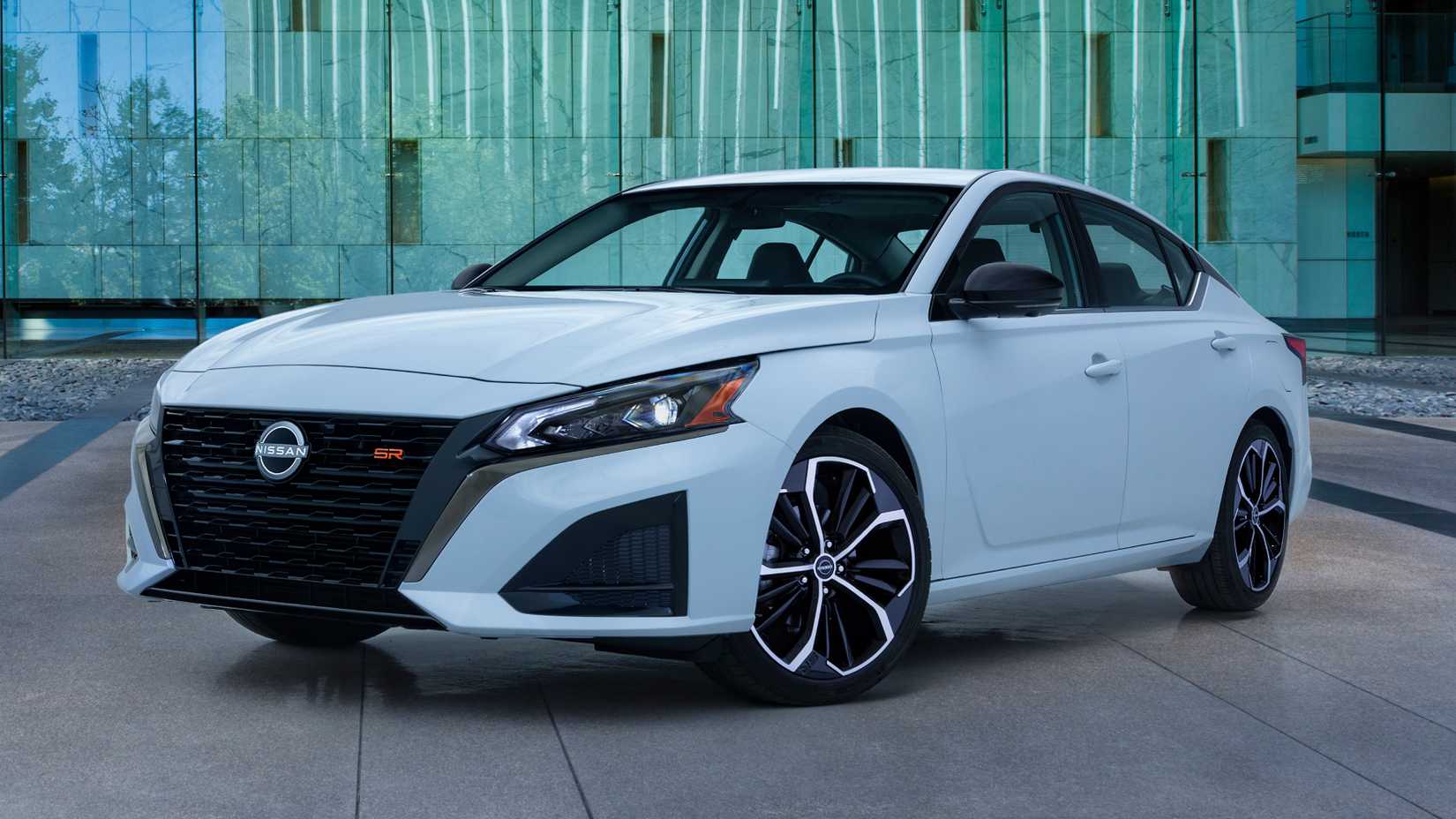
The final Nissan Altima has rolled off the line, and someone is about to pay a startling sum for the privilege of owning it. Reports suggest the very last example of Nissan's long-serving midsize sedan is headed to auction, and the price of admission will almost certainly exceed what any reasonable person would pay for a four-door family car.
That is precisely the point. When a mainstream model dies, the last one built stops being a used car and becomes a document—a physical record of an era that has already ended.
The Car Nobody Aspired To Own
This matters because the Altima was never a car anyone aspired to own. It was the car you bought when you needed transportation and the deal was good. It was rental fleets and commuter lanes and high school parking lots. For three decades it did the unglamorous work of moving ordinary people through ordinary days, and it did so in enormous volume.
That ubiquity is exactly what makes its extinction noteworthy. Mass-market sedans do not die because they fail; they die because the market decides they are no longer worth building. The Altima's farewell is not a celebration of the car. It is a measurement of how far the industry has drifted from the sedan as the default American vehicle. And the fact that its final unit will fetch collector money is the market's way of admitting, too late, that something was lost.
A Brand Pulled in a Dozen Directions
Consider the timing. The news that the Altima lives to see 2027—at a higher price—arrives alongside a wave of headlines that sketch Nissan's broader identity crisis. The brand is shipping a 402-horsepower Frontier to the rest of the world while leaving American buyers with the 310-hp V6. It is preparing a 2027 Patrol for Australia, testing remote fleet oversight in Kobe and Yokohama, and watching its Rogue Hybrid earn a spot on Wards' 2026 list of best engines.
Meanwhile, Mattel is selling miniature Skyline GT-Rs, Jalopnik is spotlighting a $9,500 1987 Be-1, and reviewers are still trying to figure out who the 2026 Armada Nismo is actually for. The through-line is unmistakable: Nissan is being pulled in a dozen directions at once, chasing trucks, hybrids, nostalgia, and global markets, while the humble sedan that carried its volume for a generation quietly exits stage left.
The Lesson Buried in the Auction Price
There is a lesson buried in the Altima's auction price, and it is not really about the Altima. It is about what happens when a manufacturer loses the thread of its own identity. The Skyline GT-R is a legend, but legends do not pay the bills. The Be-1 is charming, but charm is a niche.
The Altima paid the bills. It was the boring, indispensable center of gravity that let Nissan be a mass-market brand at all, and when that center dissolves, the company is left with a portfolio of interesting outliers and no clear answer to the question every buyer asks: what is this brand for?
A Eulogy, Not a Tribute
Collectors understand this instinctively. They do not bid on the last Altima because it is a great car. They bid because it is the final artifact of a version of Nissan that no longer exists—a company that made sensible, affordable, slightly anonymous sedans for people who just needed to get to work.
The irony is that the Altima's ordinariness is what will make it valuable, and its value is a symptom of its disappearance. When the last one crosses the block, the winning bid will not be a tribute to the car. It will be a eulogy for the kind of brand that could build it—and a quiet question about whether any automaker still knows how.