Nissan is having a moment. Sales in the United States have climbed for nineteen consecutive months, the Z outsold all of Alfa Romeo and Fiat combined, and an industry that had all but written the brand off is now watching its hybrid strategy with genuine curiosity. This is a company rediscovering its footing. Which is what makes the 2026 Altima so quietly frustrating: in Nissan's most mainstream sedan, the more you spend, the less you actually get.
That's an old complaint about the mid-size segment, but the 2026 Altima lineup makes the arithmetic unusually brutal. The base S, front-wheel drive, arrives with everything that matters: the same 2.5-litre four-cylinder, the same continuously variable transmission, the same generous trunk, the same compliant ride that has defined the Altima for a generation. It is honest family transportation. What it lacks is garnish. And what the upper trims add is, overwhelmingly, garnish — attached to a price tag that pushes the Altima into territory where it no longer competes on merit.
Paying More, Getting Decorated
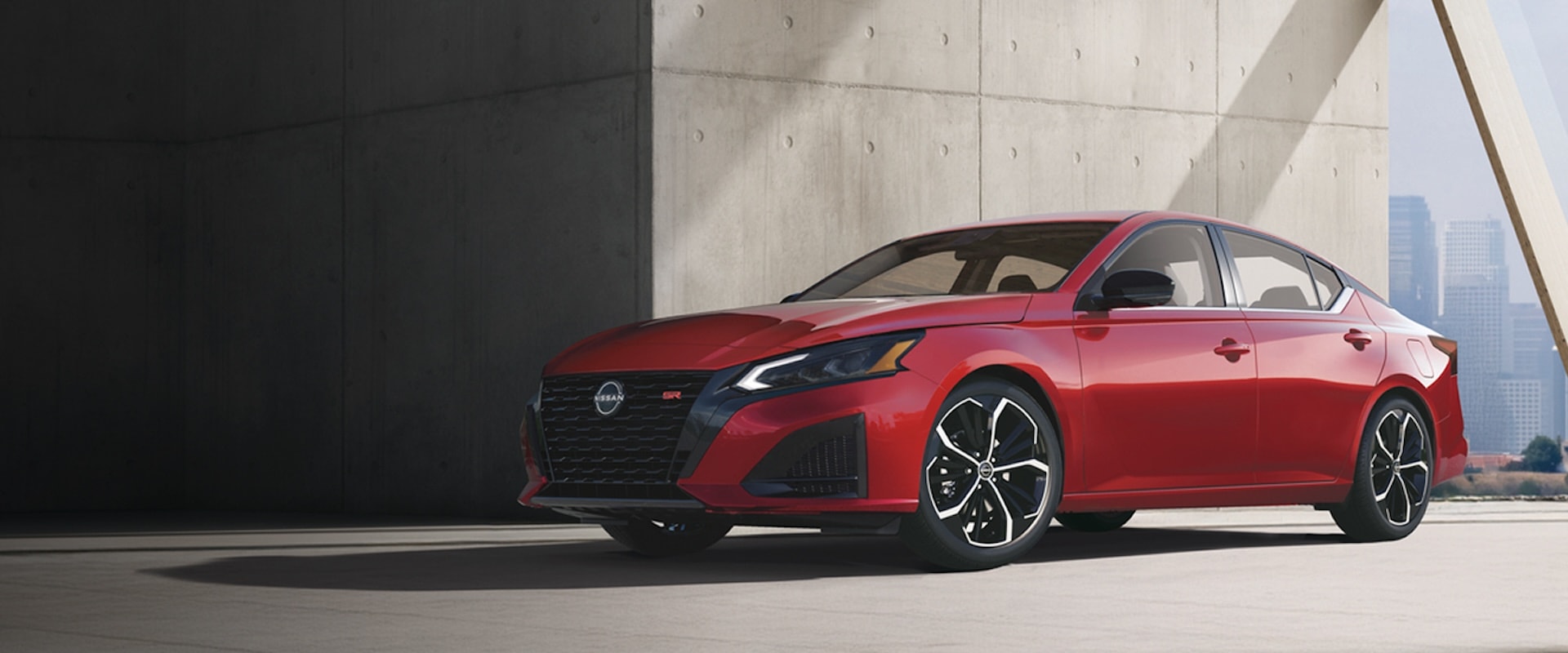
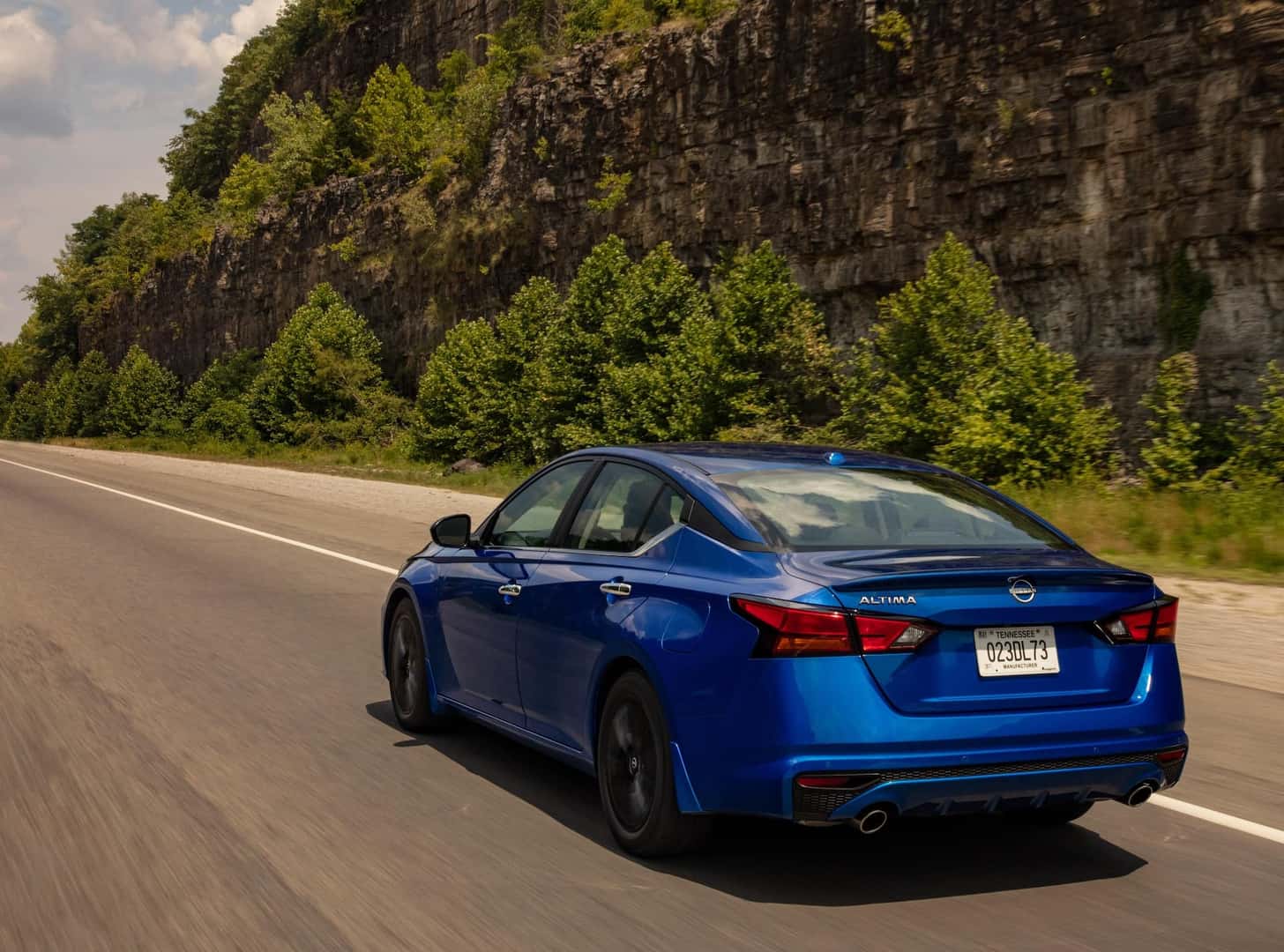
Step up to the SV, then the SR, and the money starts flowing toward appearance packages, larger wheels that chip away at ride quality, and a sport-tuned suspension that sharpens nothing meaningful about a car whose fundamental architecture was never built for athleticism. The SR's blacked-out trim and rear spoiler are cosmetic theatre — drama without any corresponding mechanical truth.
The SL layers on leather, a sunroof, and a Bose audio system. Pleasant, certainly. But this is content that once defined a modest option package, not a distinct trim tier commanding thousands more. At the top, the Platinum asks premium money for a car that shares its bones with the entry model and offers no meaningful mechanical advantage. All-wheel drive, notably, is available across much of the range rather than reserved for the top — which only underscores the point. The expensive Altimas aren't more capable. They're more decorated.
The Showroom Next Door
The contrast with Nissan's own lineup is instructive. The Frontier, as reviewers have recently noted, remains a refreshingly old-school proposition — a truck that delivers solid four-by-four functionality without demanding buyers ascend a trim ladder to access competence. The Z, meanwhile, has proven Nissan still knows how to build a car whose higher trims justify themselves through genuine performance. Even the hybrid strategy the company is betting its turnaround on suggests a brand finally thinking about value rather than badge hierarchy.
So why does the Altima cling to a trim structure that punishes generosity? Habit is part of it. The mid-size sedan market has long operated on the assumption that spending more means getting more, and Nissan has been slow to interrogate that assumption. Margin is the other part: loaded Altimas flatter dealer profitability even as they erode the car's value proposition. The effect is identical regardless of motive. A buyer cross-shopping a fully loaded Altima Platinum against a base Camry or Accord — or, increasingly, against Nissan's own well-executed hybrids — will find the math unforgiving.
A Relic in a Resurgent Range
None of this makes the Altima a bad car. In S form, it remains one of the more sensible ways to spend mid-size sedan money, and Nissan's improving sales figures suggest buyers are responding to something real in the showroom. But the brand's broader momentum makes the Altima's top-heavy trim strategy look like a relic of an older, less confident era.
Nissan has spent recent years proving it can build cars worth paying more for. The Z did it with horsepower. The Frontier did it with capability. The 2026 Altima's priciest trims suggest the company hasn't yet decided whether its volume sedan deserves the same discipline — and until it does, the smart money stays at the bottom of the range.