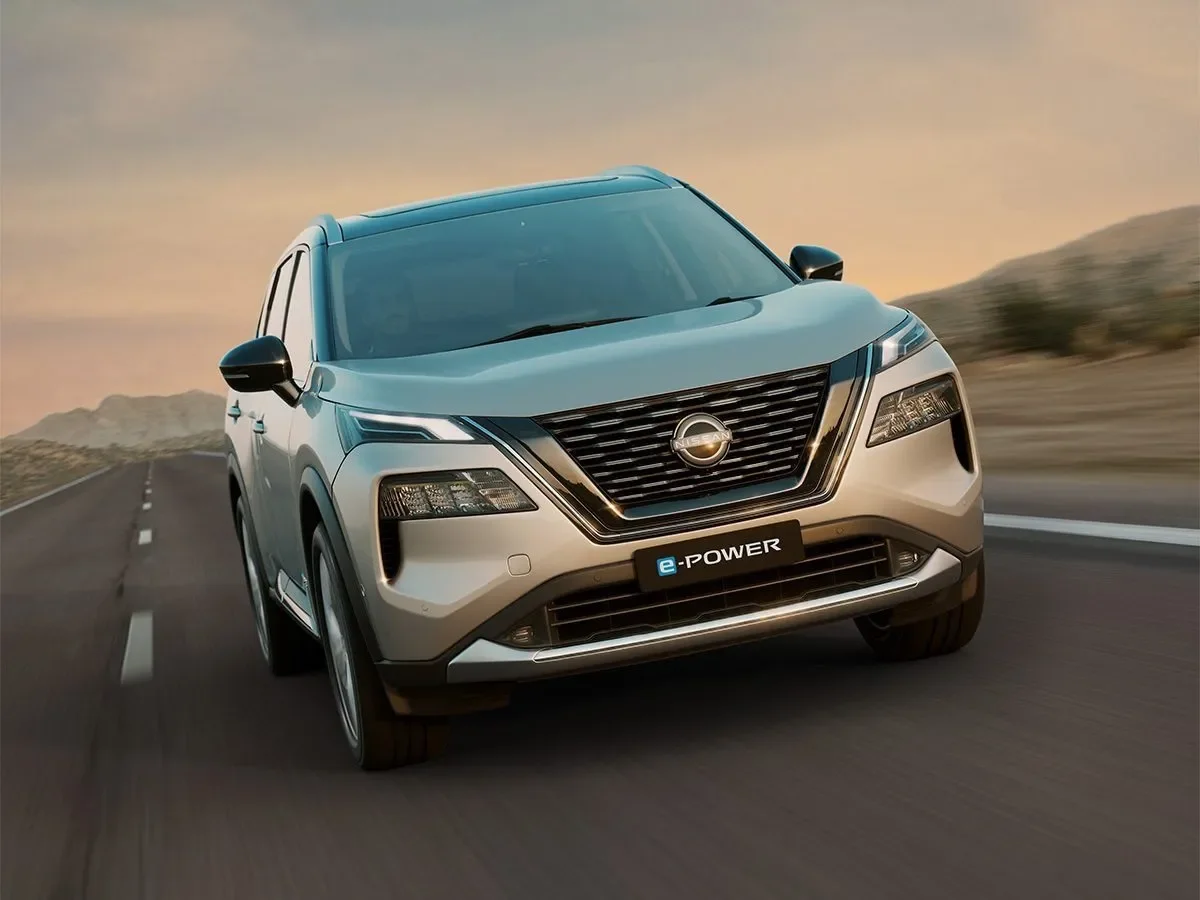
For twenty years, Toyota has owned the hybrid conversation. The Prius wrote the template, the Camry Hybrid industrialized it, and the planetary-gear architecture underneath both became so synonymous with electrified driving that most shoppers quietly assumed there was only one way to build such a car. Nissan disagreed — and did so without much fanfare. Its e-Power system, now central to the company's global turnaround, sidesteps the entire Toyota playbook. The sedan market is precisely where that divergence matters most.
The distinction is fundamental, not cosmetic. Toyota's Hybrid Synergy Drive mechanically couples an Atkinson-cycle engine to the wheels through a complex power-split transmission, letting engine and electric motors share propulsion duties. Nissan's e-Power severs that link entirely. The gasoline engine becomes a generator, feeding electricity to a battery and motor that alone turn the wheels. The car drives like an EV — instant torque, silent creep, one-pedal smoothness — yet refuels at any pump. There is no transmission in the conventional sense, no drivetrain shunt, no engine drone rising and falling with throttle position.
The Architecture That Changes Everything
For a sedan buyer chasing refinement, that is a profound advantage, because the cabin stays quiet even when the generator spins up to feed demand. Where a conventional hybrid lets engine speed drift away from road speed in ways the ear instantly detects, e-Power decouples them completely. The result feels closer to a pure EV than any conventional hybrid on sale — a quiet rebellion engineered into the one body style the industry keeps writing off.
This matters more in sedans than anywhere else. The segment's surviving customers prize calm, efficiency, and effortless cruising, and those are exactly the traits e-Power delivers. Toyota's system is brilliant, but it inevitably surrenders some of that serenity to the physics of mechanical coupling. Nissan's approach doesn't. It simply lets the motor do the driving and the engine do the supplying, and the driver feels nothing but electricity.
A Turnaround Built on Divergence
The timing is sharper still. As InsideEVs recently noted, Nissan's turnaround now hinges on this unique hybrid, and it is nothing like Toyota's. That framing is not marketing flourish — it is the strategic core. While rivals pour billions into parallel hybrid systems that still lean on combustion for propulsion, Nissan has a scalable electric-first platform it can drop into sedans, crossovers, and beyond without redesigning a transmission.
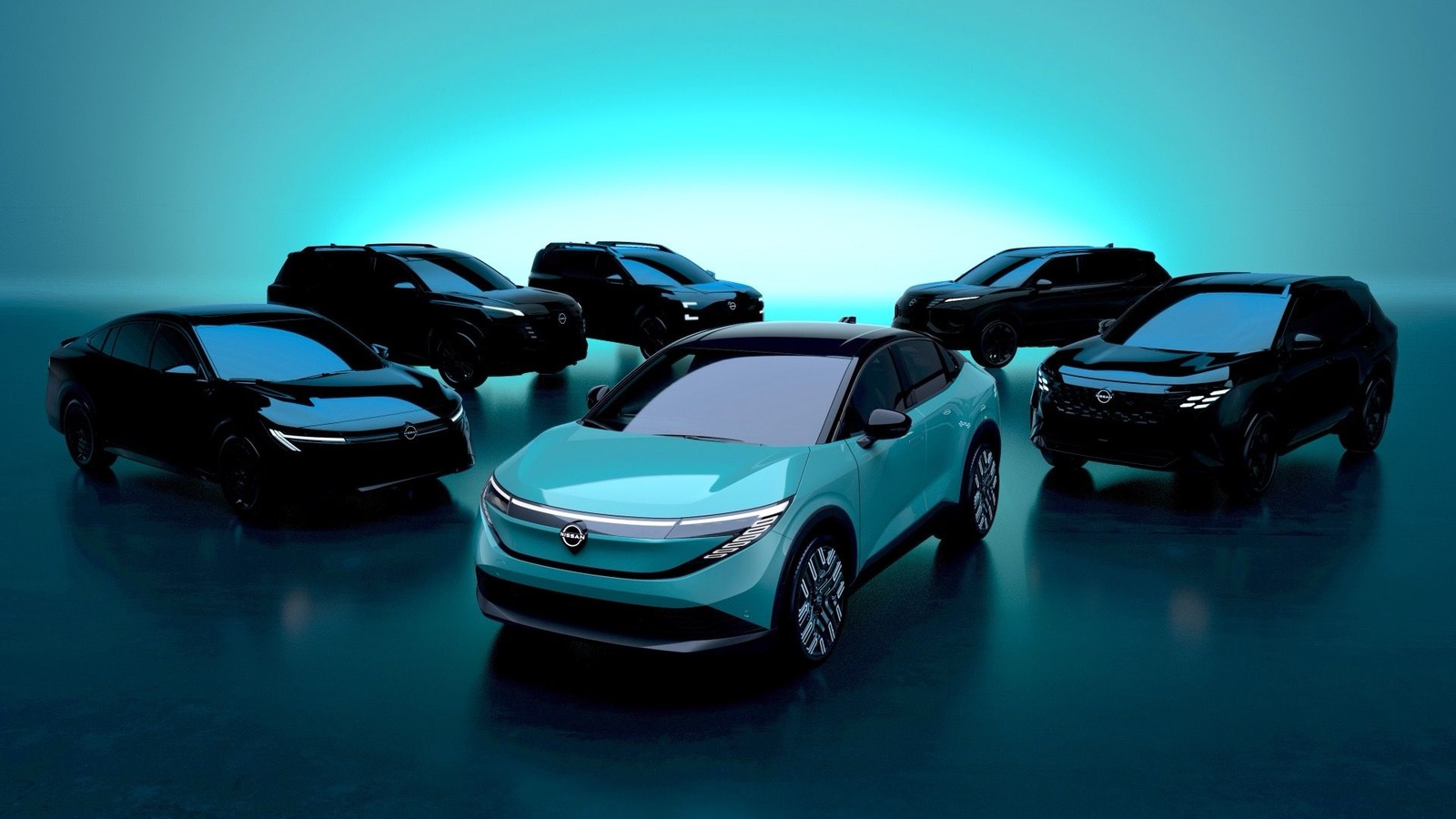
The same philosophy is visibly spreading across the lineup. A 2027 Rogue Hybrid now squares off against the Honda CR-V Hybrid and Toyota RAV4, while the Pixo small electric city car extends the electrified vision into Europe. Cheap Leafs and a resurgent Z may grab the headlines, but e-Power is the engineering spine holding the revival together — the quiet constant beneath the noise.
Why Sedans Win Here
There is an irony worth savoring. Toyota spent years convincing the world that hybrids must work a certain way, and it largely succeeded. An entire generation of buyers learned to expect the familiar rubber-band drone, the engine flaring under throttle, the sense that two power sources were forever negotiating with each other. Nissan's counterargument is simpler: let the engine generate, let the motor drive, and let the driver feel nothing but electricity.
In sedans, where silence and smoothness are currency, that argument lands hardest. The body style rewards exactly what e-Power does best — seamless torque delivery, a hushed cabin, and the sensation of gliding rather than shifting. It is the kind of engineering that doesn't announce itself with a badge or a boast, but with the absence of noise you notice only after a hundred miles.
Toyota built the hybrid market. Nissan may yet redefine what buyers expect from one — not by copying the leader, but by ignoring it entirely. That, more than any single model, is the philosophy driving the brand forward: electrify the experience first, and let the hardware follow.