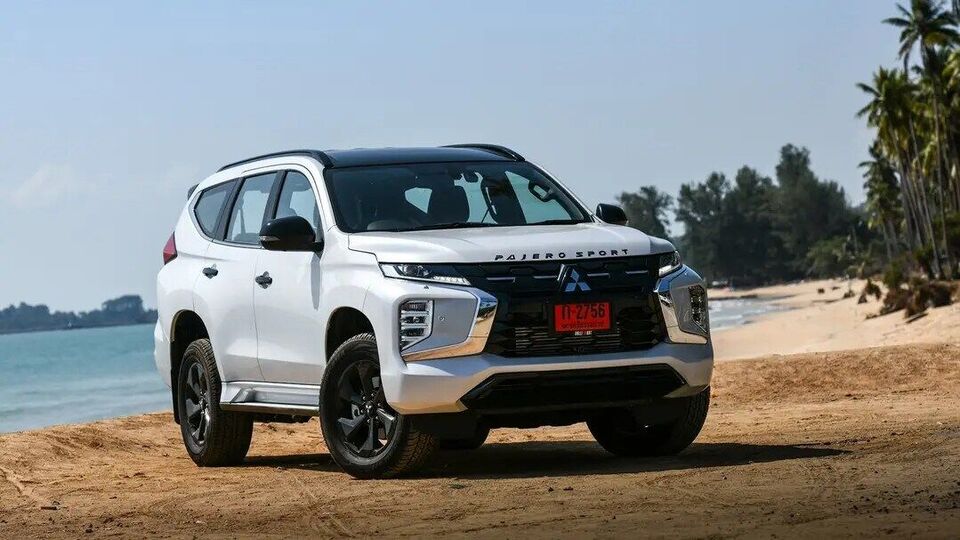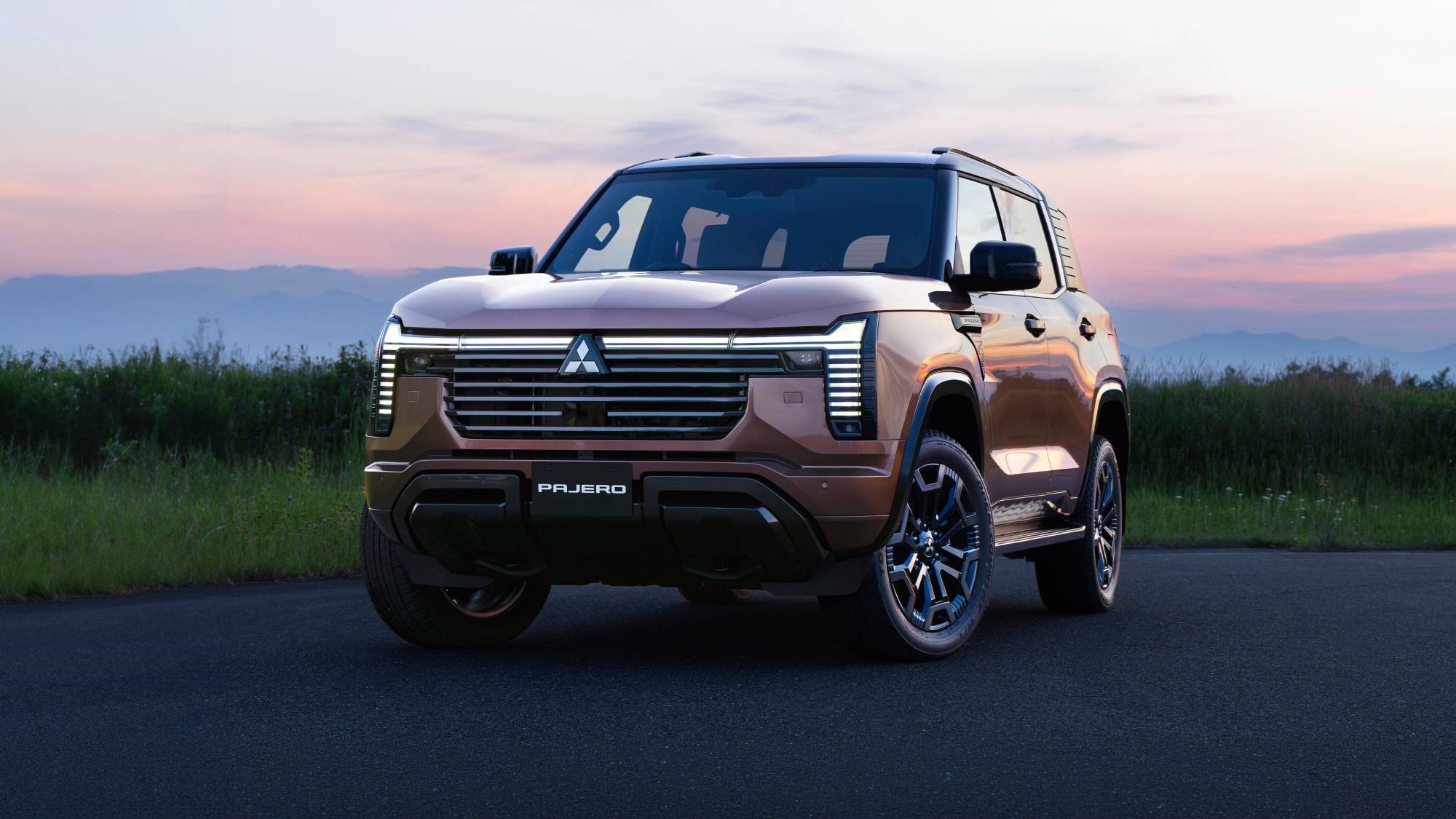
For two decades, Mitsubishi has been a brand defined by absence. The Lancer Evolution is gone. The Eclipse wears a crossover body now. The Galant, once a fixture of American driveways, has slipped into memory. What's left is a disciplined lineup of SUVs and a value reputation that sometimes edges into anonymity. But the relaunch of the Pajero has handed the company something it hasn't held in years: real market momentum—and a credible business case for reclaiming the segments it walked away from.
The early numbers are startling. The reborn Pajero, a seven-seat ladder-frame 4x4 priced around $39,000, has reportedly racked up 5,500 pre-orders before a single example has reached a showroom. The volume is impressive. The source of that volume is more impressive still. Roughly 80 percent of Pajero customers are conquest sales—buyers pulled straight from rival brands, with the Toyota Land Cruiser explicitly in Mitsubishi's crosshairs. In an industry where a conquest rate in the 40s reads as healthy, 80 percent looks less like a launch and more like a raid.
Why Conquest Changes the Math
That distinction carries real weight on a balance sheet. A brand selling to its own loyalists is harvesting. A brand stealing customers from Toyota is growing. Conquest sales pull new households into the fold—households that will eventually need a second vehicle, a service relationship, a trade-in path. Every Land Cruiser defector represents not just one transaction but an entire future customer lifecycle. Mitsubishi, starved of such wins for years, suddenly has a captive audience of buyers who chose it over the most formidable nameplate in the segment.
Which raises the strategic question its planners should be asking: what does that audience buy next? Historically, the answer was often a sedan. The Galant and Lancer built the brand's modern identity, and their disappearance left a hole no amount of Outlander trims can fill. A conquest buyer who arrives through the Pajero and later wants a fuel-efficient commuter for the household has nowhere to go in the showroom—and a customer with nowhere to go is a customer who leaves.
The Platform Is Already Paid For
The economics are friendlier than they first appear. The Pajero shares its ladder-frame architecture with the Honda partnership pickup confirmed by both companies—Honda's first body-on-frame truck, developed jointly with Mitsubishi. That platform amortization spreads development costs across multiple products and multiple badges, freeing capital. Meanwhile, the Outlander continues to perform, and the forthcoming Diamond Trail Edition signals a deliberate push toward off-road credibility that reinforces the Pajero's halo rather than cannibalizing it. A brand with a genuine off-road hero at the top of its lineup earns permission to sell almost anything beneath it.
What a Modern Mitsubishi Sedan Could Be
A modern Mitsubishi sedan need not be a nostalgia exercise. Picture a high-riding fastback crossover-sedan—the body style that has quietly replaced the traditional three-box car across most global markets—offered as a plug-in hybrid and drawing on technology Mitsubishi already deploys in the Outlander PHEV. Positioned near $30,000 and aimed at the same value-conscious, adventure-leaning buyer the Pajero is winning today, it would close the loop: conquest the household with the 4x4, retain it with the daily driver.
None of this is guaranteed. Mitsubishi has squandered momentum before, and the temptation to chase volume with discounted SUVs will always be there. But the Pajero's launch proves something the brand's executives needed to hear: when Mitsubishi builds something with authentic character and prices it aggressively, buyers from other brands notice. The conquest machine is running. The smartest thing Mitsubishi can do now is give those new customers somewhere else to spend—and a reason to stay in the family long after the Pajero's first service interval.