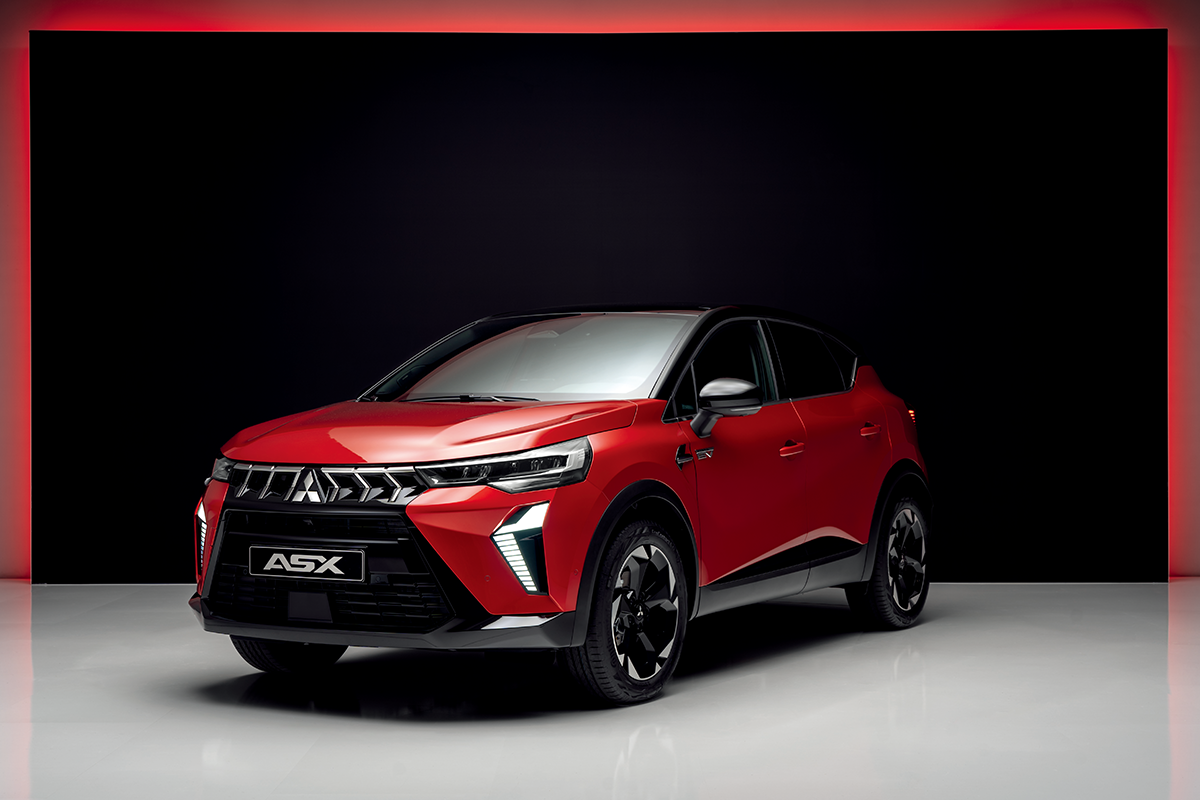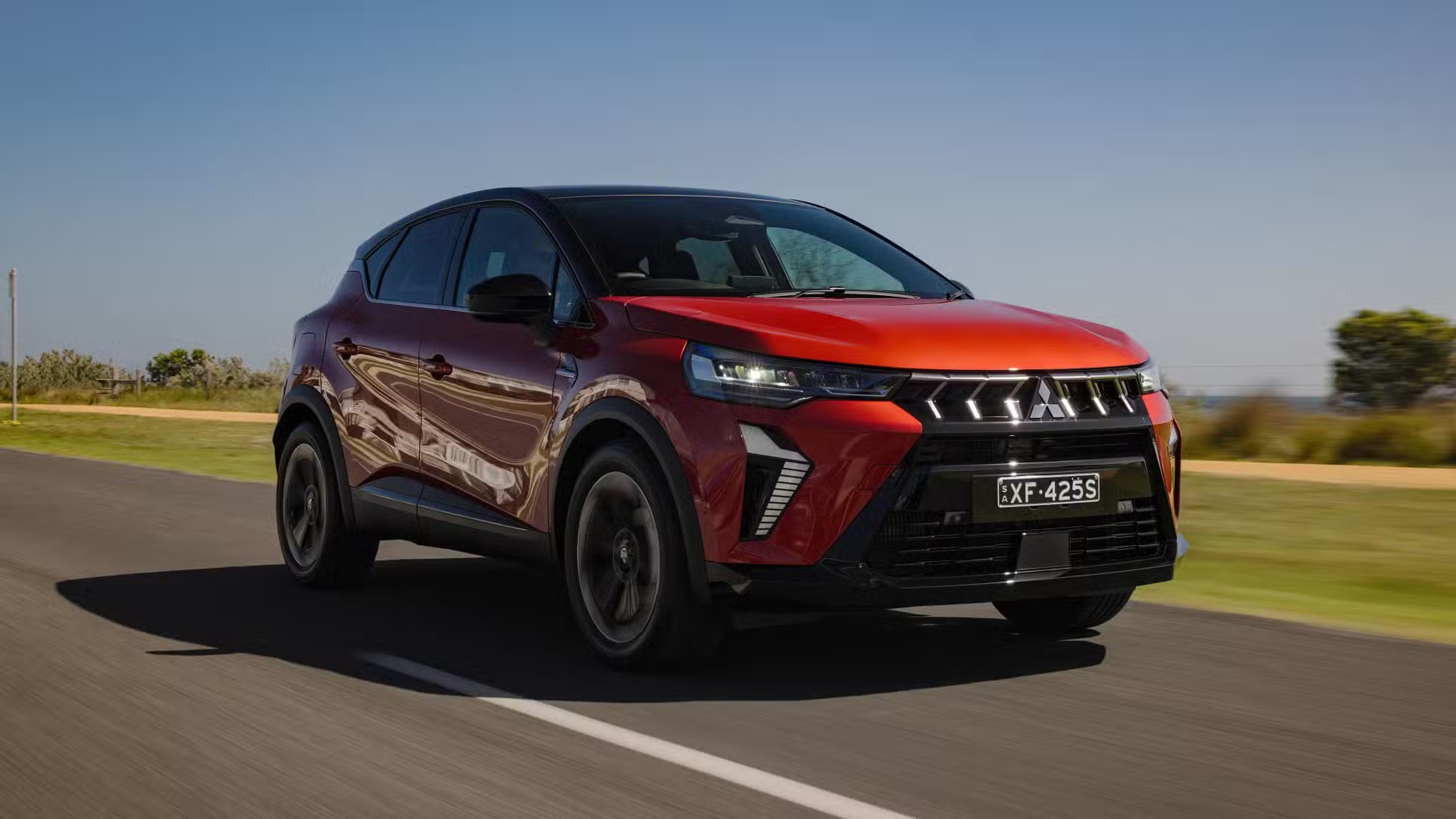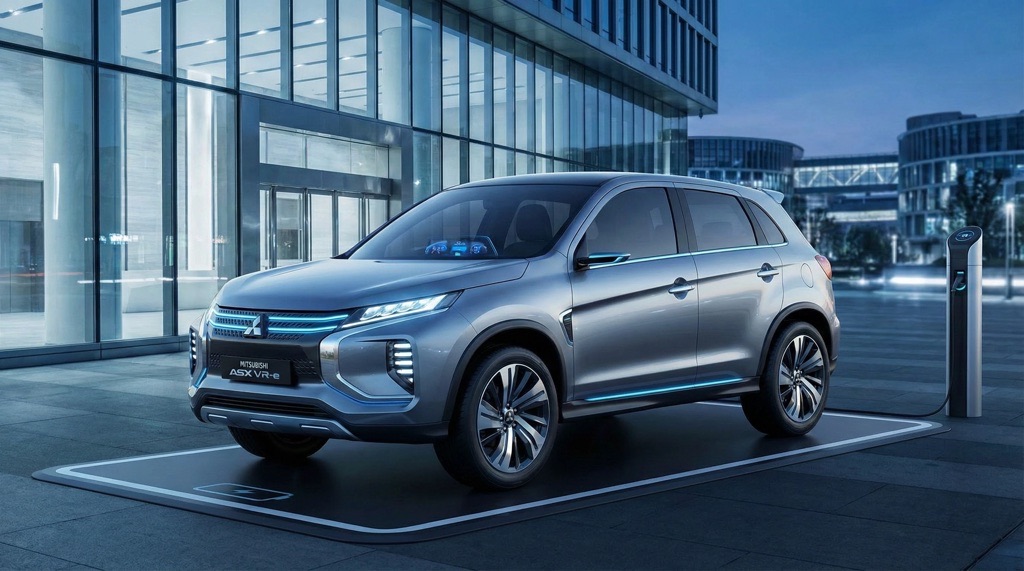
There is a particular kind of purist who will tell you the new Mitsubishi ASX VR-e doesn't count. It wasn't engineered in Okazaki. It doesn't ride on a platform born in Nagoya. Peel back the triple-diamond badge and you'll find a Pininfarina-styled machine whose roots trace somewhere else entirely.
The purist is correct on every factual point, and completely wrong on the conclusion. The ASX VR-e — up to 459 horsepower, arriving in Australia this year — is the most strategically honest thing Mitsubishi has done in a decade. The rebadge isn't a confession. It's a thesis.
A Shortcut Around Time, Not Engineering
Consider what the badge actually buys. Mitsubishi Motors has spent years as the quiet member of the Renault-Nissan-Mitsubishi Alliance, the one whose product cadence ran on stretched platforms and long model cycles while its partners grabbed headlines. The company's own first all-new EV in 15 years is only now arriving in Australia, billed as the fastest model it has ever sold there. That's a genuine milestone — and a reminder of how much ground still has to be covered.
In that context, a Pininfarina-designed, 459-hp crossover wearing the diamonds isn't a way around engineering. It's a way around time — the one resource Mitsubishi cannot manufacture. When your own clean-sheet EV is still finding its feet, a halo machine that arrives now, with genuine visual drama and genuine pace, keeps the brand in the conversation while the longer game plays out.
Pininfarina Knows What Mitsubishi Used to Sound Like
The choice of styling house is not incidental. Mitsubishi once built its reputation on exactly this kind of swagger: the 3000GT, the Evolution, the Pajero that conquered Dakar. Those cars earned their credibility through mechanical aggression, not badge purity. They were audacious, and they were fast, and nobody asked where the door handles were sourced.
What the ASX VR-e proposes is that the same emotional charge can be delivered by a design house with genuine heritage and a powertrain that would have embarrassed a supercar a generation ago. Pininfarina has shaped Ferraris and Alfa Romeos. Lending that hand to a 459-hp Mitsubishi doesn't dilute the diamond — it reminds you what the diamond was always supposed to stand for. And 459 horsepower in a compact crossover is not a number that arrives by accident. It's a statement of intent, and the intent is to be noticed again.
The Conglomerate Is Rediscovering Its Appetite
The broader picture matters too. Mitsubishi Heavy Industries is expanding shipyards and carrying a 35 GW gas turbine backlog. Mitsubishi Corp is tripling its stake in Ayala in a $709.5 million Philippines push. The Pajero nameplate is being reborn. An all-new Outlander is rumoured for 2028, even as the current one proves itself over 2,500-mile road tests.
This is a conglomerate rediscovering its ambition across every vertical it touches. Against that backdrop, a rebadged halo crossover is not an anomaly. It's a signal flare — a way of saying the quiet member of the Alliance has decided to make some noise again.
The Badge Was Never About Geography
The purist objection — that a real Mitsubishi must be a Mitsubishi all the way down — assumes the badge is a claim about manufacturing origin. It never was. It's a claim about character, and character can be commissioned as readily as it can be engineered.
What the ASX VR-e delivers is a compact crossover with the kind of output that would have been supercar territory not long ago, wrapped in bodywork from a house that understands proportion and presence. Whether that combination feels like a Mitsubishi from behind the wheel is the only question that ultimately matters — and it's a question the spec sheet alone can't answer. But the ambition behind it is unmistakable, and ambition has always been the raw material Mitsubishi builds its best cars from.
The ASX VR-e isn't really a Mitsubishi in the narrow, genealogical sense. It is, however, unmistakably a Mitsubishi in the sense that counts: fast, audacious, and unbothered by the rules of the people keeping score from the sidelines. That has been the brand's philosophy since the first Evo turned a rally stage into a statement. The badge was never a postcode. It was a promise — and this one, however it was assembled, is being kept.