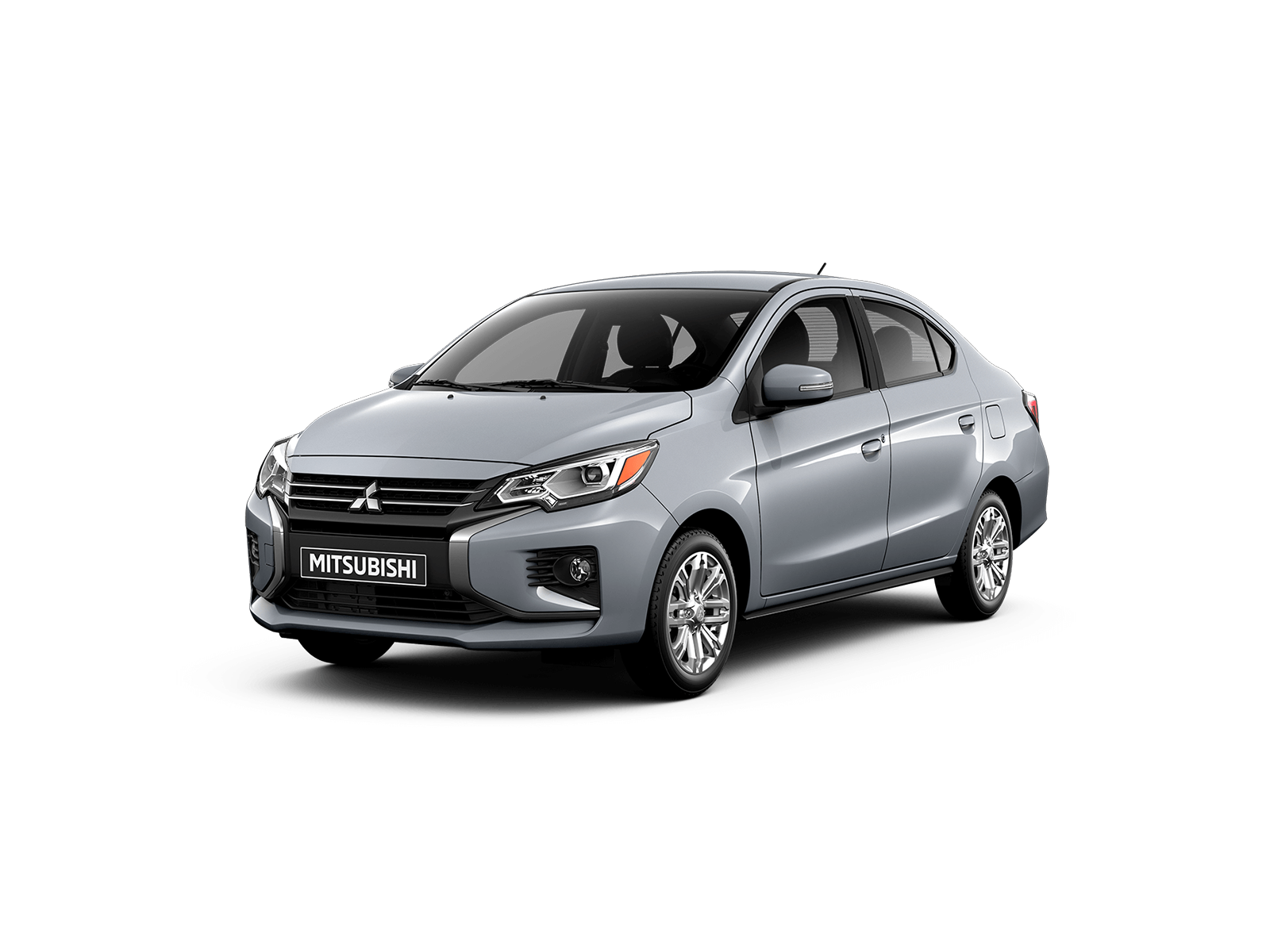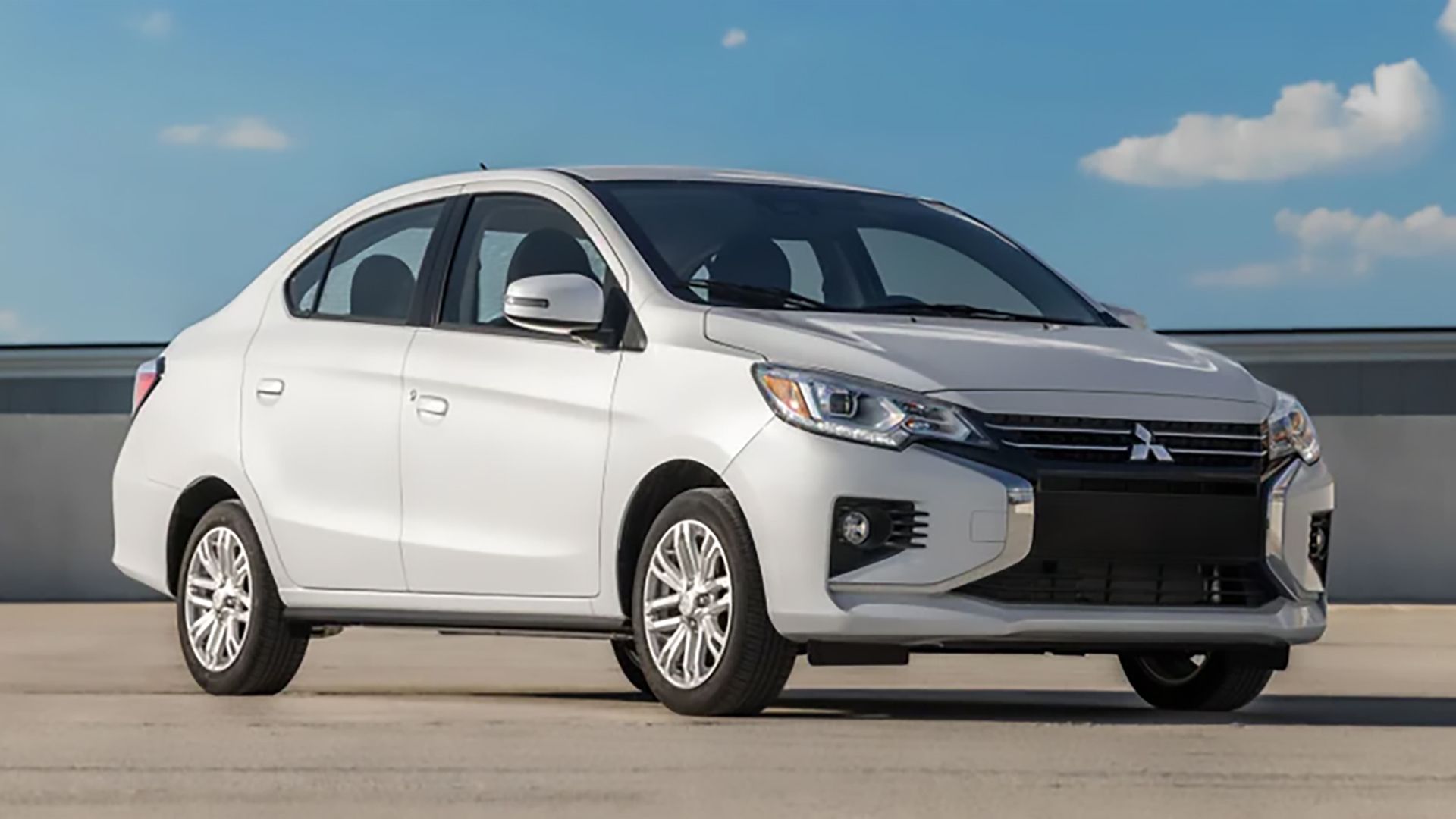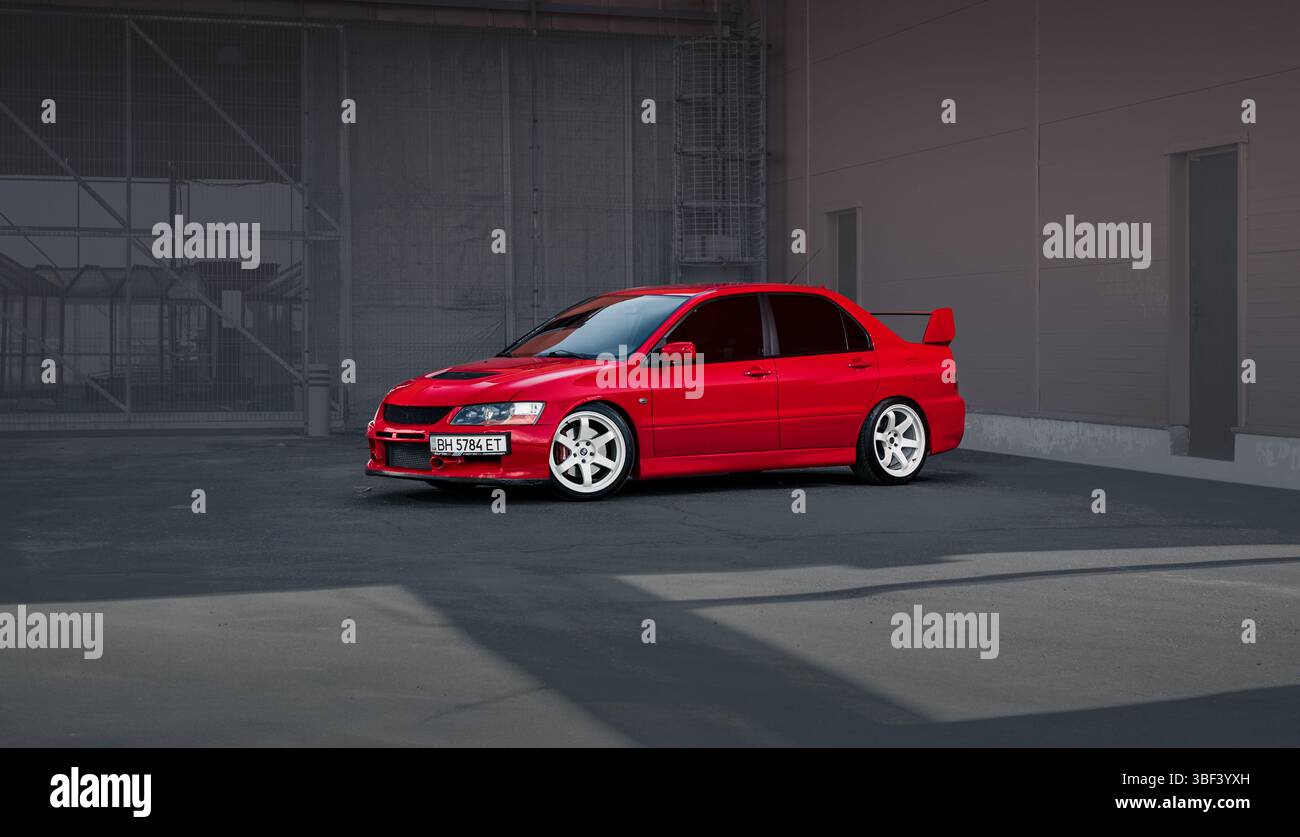
There was a time when a Mitsubishi badge on a sedan meant something. The Lancer Evolution was a homologation special that embarrassed supercars on rally stages and back roads alike, all-wheel drive and turbocharged fury distilled into a four-door shape. The Galant was a genuine mid-size contender, engineered with the kind of credibility that made badge snobs go quiet. That era is over — and it didn't end by accident. The three-diamond brand has quietly, methodically withdrawn from the passenger car business across most of the world, and the headlines now swirling around Mitsubishi read less like a growth story than a carefully managed retreat dressed up as focus.
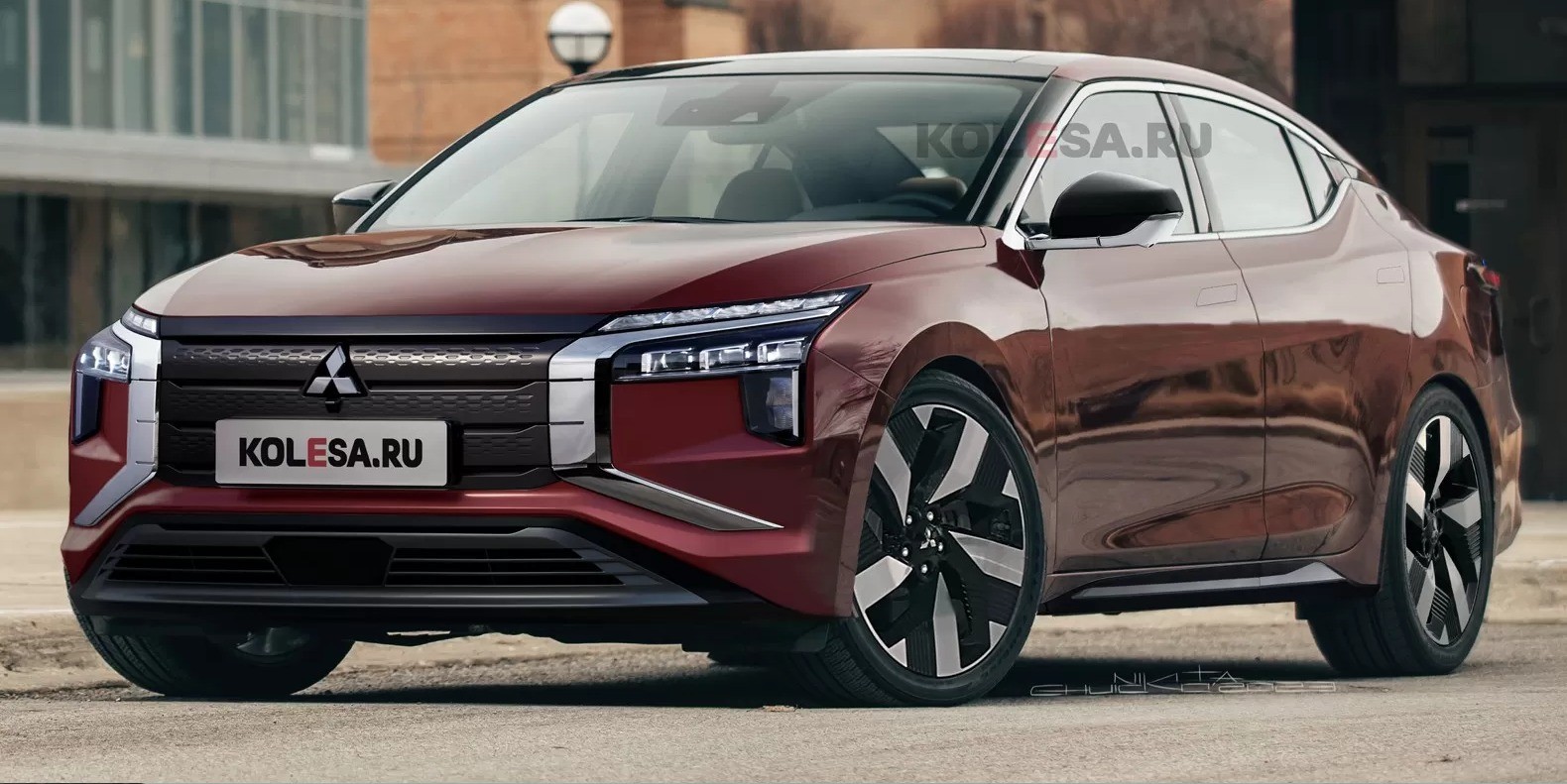
Look at what the company actually sells today and the picture sharpens fast. The L200 pickup has just returned to Europe after a five-year hiatus — a commercial vehicle filling a niche rather than a passenger car winning hearts. The newly unveiled Pajero Cross leans hard into SUV nostalgia, borrowing a legendary nameplate to move a crossover. And when virtual renderings of a Pajero Cross replacing the Outlander, or fantasy refreshes of a 2028 Outlander, start circulating online, it's because the real product pipeline is thin enough that enthusiasts have resorted to drawing their own. When your most-discussed sedans are twenty-five-year-old Montero survivors commanding nearly ten grand on enthusiast auction sites, you are no longer a car company with a sedan strategy. You are a heritage brand monetising memory.
The Numbers Behind the Retreat
The sales charts tell the starker story. China's Leapmotor has now overtaken both Subaru and Mitsubishi Motors in global sales — a milestone that would have been unthinkable a decade ago. A company that once helped pioneer affordable performance and all-wheel-drive technology for the masses has been leapfrogged by an upstart that didn't exist as a carmaker when the Lancer Evolution was still in showrooms.
Mitsubishi's response has not been to fight for sedan buyers. It has been to pivot capital toward markets where it can still win. The $709.5 million push to triple its stake in the Philippines' Ayala conglomerate to roughly 20 percent is the tell. That is not the behaviour of a company betting on passenger cars in mature markets. It is the behaviour of a company buying distribution, financing, and regional leverage in emerging economies where pickups and utility vehicles still rule the road.
A Conglomerate Thriving While the Car Company Contracts
Meanwhile, the parts of the Mitsubishi empire that are thriving have almost nothing to do with sedans. Mitsubishi Heavy is buoyed by gas turbine demand from American data centres. Mitsubishi Electric is pitching a chip-to-grid blueprint for AI factories powered by NVIDIA. Even the consumer-facing headlines that mention the brand are as likely to be about mini-split air conditioners as about automobiles.
That divergence is the whole point. The conglomerate is healthy; the car company is contracting. Mitsubishi Motors is being managed for cash and regional relevance, not for the kind of product ambition that once produced the 3000GT or the Eclipse — machines that earned their place on bedroom walls and in the hearts of drivers who cared about feel, feedback, and the thrill of a well-sorted chassis.
Defensible, But Not a Vision
None of this is to say the retreat is irrational. Sedans are a brutal business, and Mitsubishi lacks the scale to compete with Toyota, Honda, or the wave of Chinese electric sedans flooding every price point. Exiting a losing fight is defensible.
But there is a difference between a strategic withdrawal and a surrender, and the distinction lies in what you build next. So far, Mitsubishi's answer is pickups, crossovers wearing borrowed names, and equity stakes in other companies' conglomerates. That is a portfolio, not a vision. The brand that once gave the world the Lancer Evolution now gives it the L200 and a Pajero badge with no Pajero underneath.
The sedans are gone, and with them, a piece of what made Mitsubishi worth caring about in the first place. A car company is ultimately defined not by its balance sheet but by what it puts on the road — and right now, Mitsubishi's road leads away from the drivers who once loved it.