There was a time when a Mitsubishi badge on the nose of a four-door meant something. It meant turbochargers, torque vectoring, and the faint smell of gravel trap at the apex of a forest stage. It meant a Lancer Evolution — a rally-bred giant-killer that embarrassed supercars costing three times as much. That time is quietly ending, and Mitsubishi seems perfectly content to let it.
The company that once gave us the Evo now builds a lineup dominated by crossovers, and the headlines confirm where the money and the engineering hours are going. A reborn Pajero has arrived as a seven-seat, ladder-frame SUV. A new pickup is headed to the United States. The Montero nameplate is being demanded back in America with increasing urgency. Nowhere in that conversation is there room for a four-door sedan — and that absence says everything about the brand Mitsubishi has chosen to become.
The Car That Sold an Identity
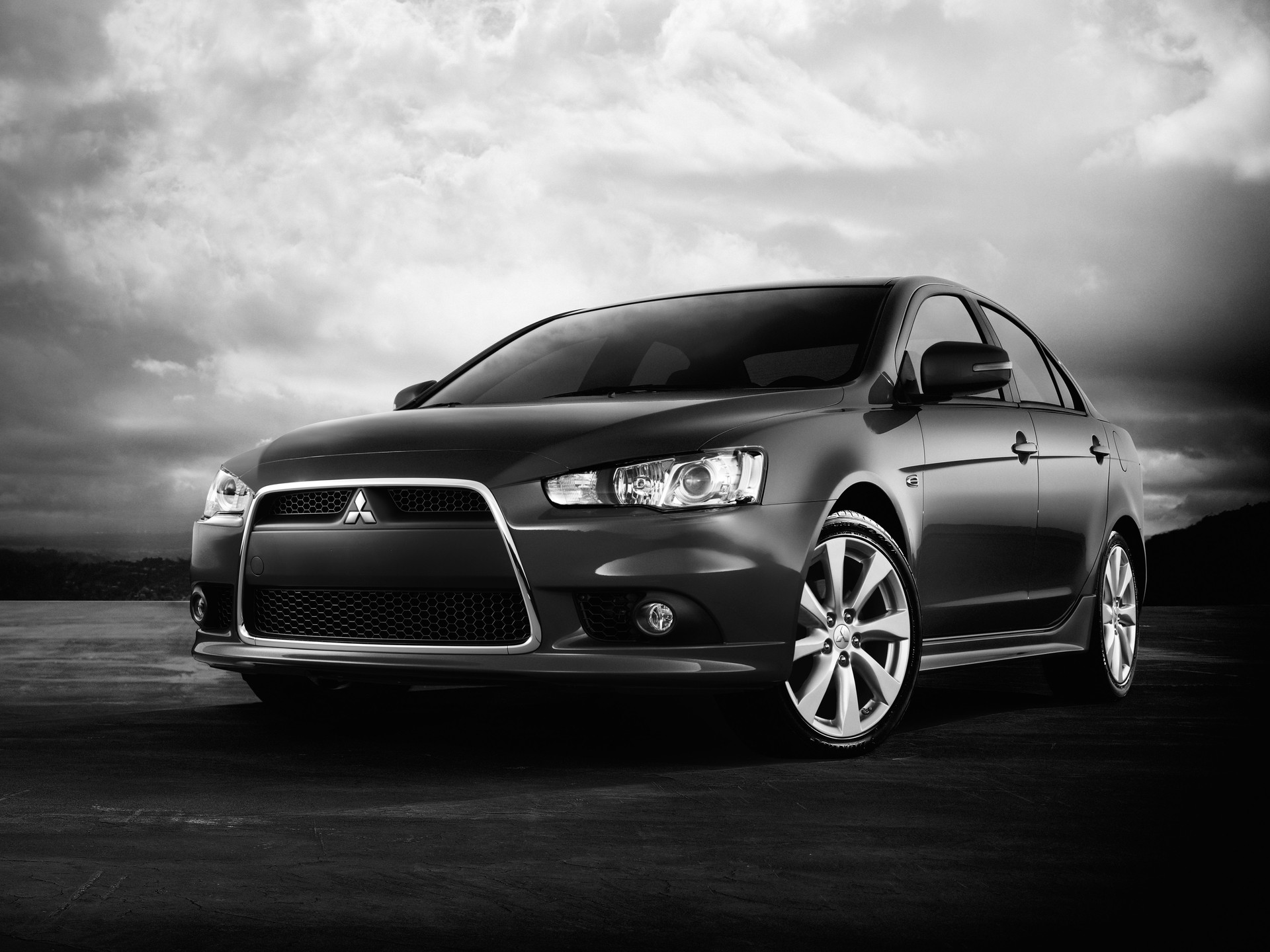
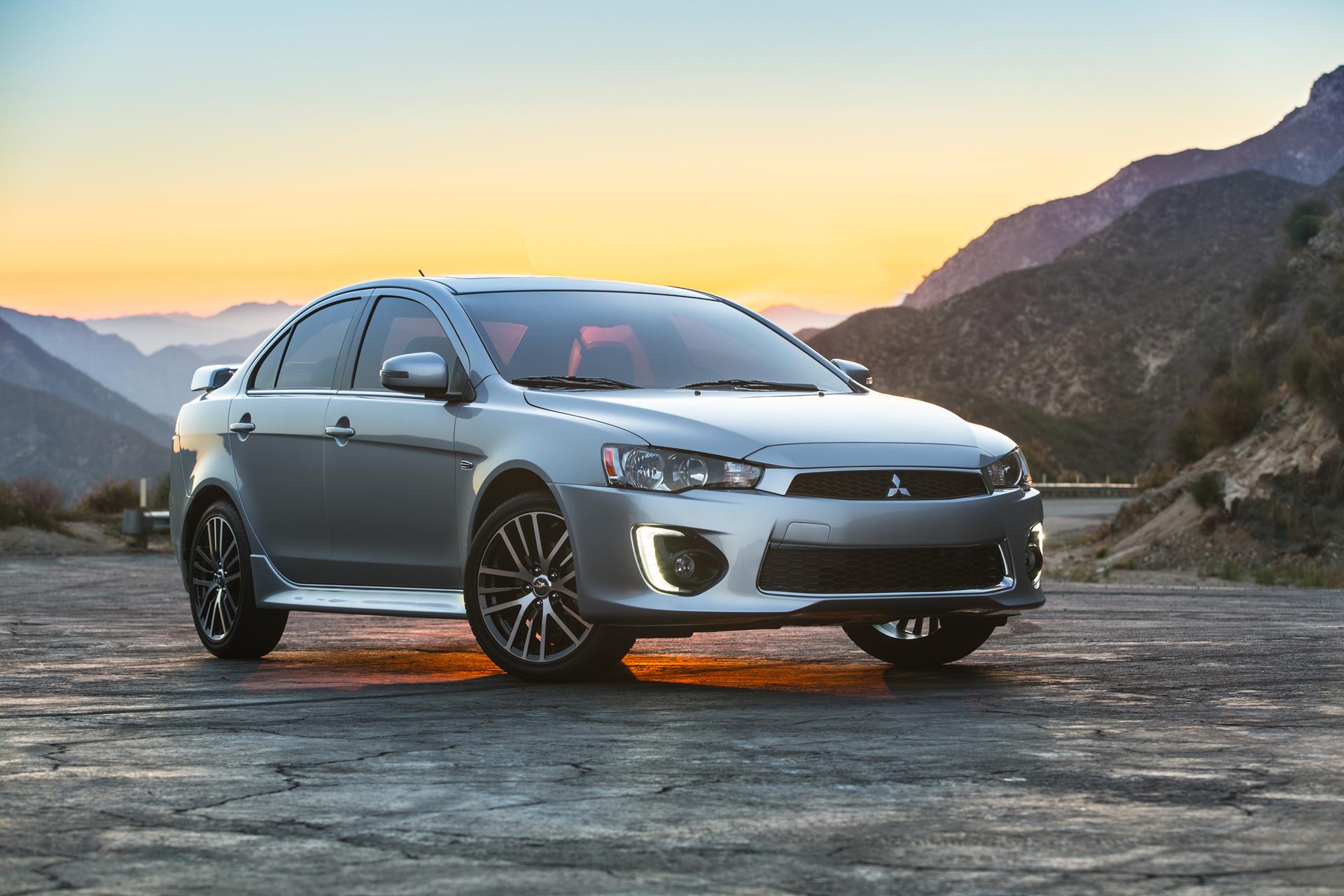
It's worth pausing on what's being left behind. The Lancer Evolution IX MR remains one of the most celebrated performance sedans ever built, a car whose turbocharged 4G63 engine and all-wheel-drive chassis turned ordinary commutes into rally stages. Even the humble, non-Evo Lancer — the 2009 model that recently impressed reviewers as one of America's most underrated cheap cars — carried a whiff of that motorsport DNA.
The Lancer was never the best-selling compact. It was the one with a story. Mitsubishi sold an identity as much as a car, and that identity was shaped like a sedan with a wing on the back.
Trading Heritage for Pragmatism
That identity is now being traded for something more pragmatic. The new Pajero ditched its iconic tailgate-mounted spare wheel — a decision Mitsubishi has publicly explained as a response to modern packaging, weight, and regulatory realities. It's a small detail with outsized symbolism: the rugged, utilitarian cues that once defined Mitsubishi's off-roaders are being sanded down for a new era.
Meanwhile, the refreshed Triton borrows the Pajero's design language, and the corporate news coming out of the wider Mitsubishi group — AI investments, quantum computing research, satellite antenna contracts — reminds us that "Mitsubishi" is a sprawling industrial empire, not just a car company. The automotive division's future is being decided by spreadsheets that have no column for heritage.
The Math That Killed the Sedan
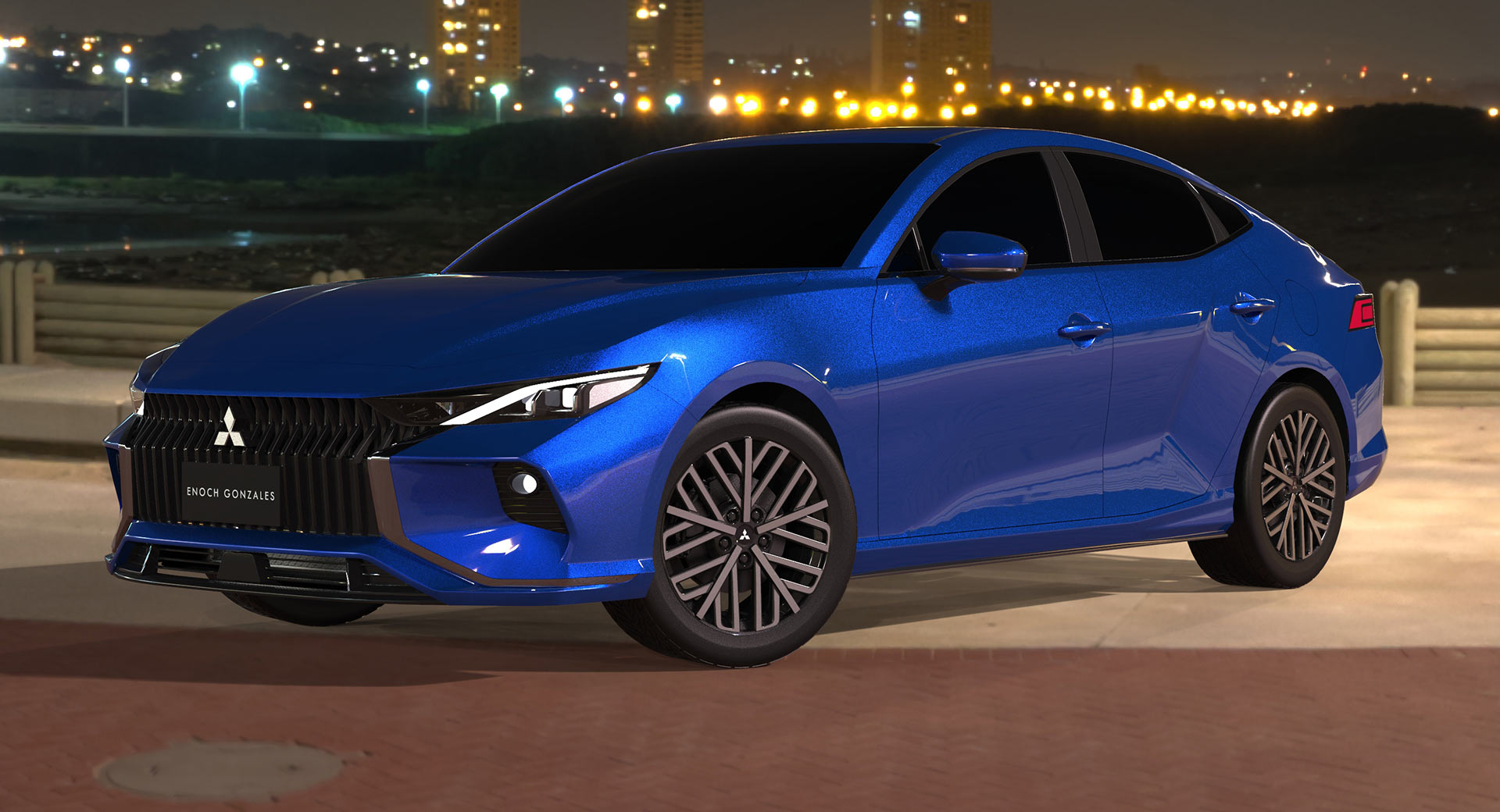
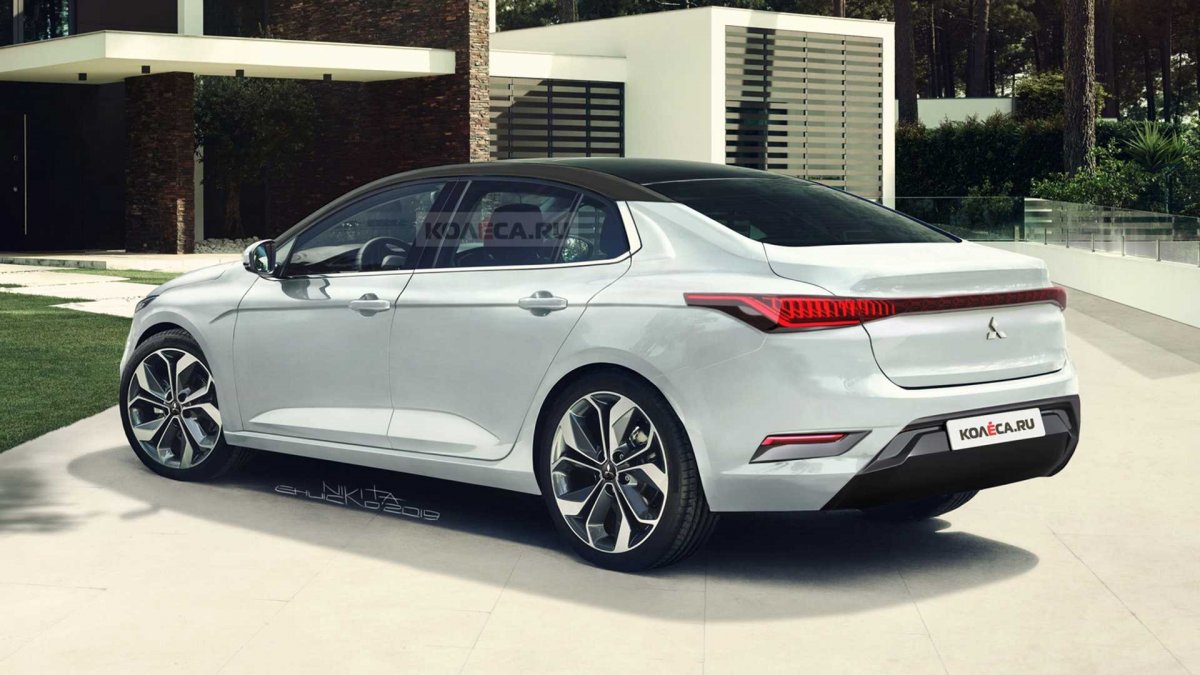
The uncomfortable truth is that sedans simply don't sell in the volumes that justify the investment anymore. Ford killed the Fusion, Chevrolet killed the Malibu, and Stellantis has all but abandoned the segment. Mitsubishi, a smaller player with fewer resources to spread across multiple platforms, faces an even starker choice: chase a shrinking sedan market or pour everything into SUVs and trucks where the margins and demand actually live.
The logic is undeniable. The cost, however, is a brand that increasingly looks like every other brand. When your lineup is crossovers, a pickup, and a revived off-roader, what separates you from the competition beyond a three-diamond badge?
The Halo Problem
That's the crisis hiding beneath the product strategy. Mitsubishi isn't just losing the Lancer; it's losing the thing that made the Lancer matter. The Evolution gave the brand a halo that filtered down to every econobox on the lot. Enthusiasts bought base Lancers because the Evo existed. Remove the halo, and you're left selling anonymous transportation in the most crowded segment in the industry.
A reborn Pajero and a new pickup may generate headlines and revenue, but they don't replace the cultural currency a rally sedan once provided. Mitsubishi can absolutely survive as an SUV-only brand. The harder question is whether anyone will remember why they loved it in the first place.
That question cuts to the heart of what Mitsubishi's automotive philosophy once was — and what it now risks becoming. The brand built its reputation on engineering that punched above its weight, on cars that felt overbuilt for their price. A ladder frame and a low-range transfer case can carry that spirit forward. But a halo isn't a feature you can spec. It's earned on stages, in corners, at the limit. Mitsubishi hasn't closed the door on its past. It has simply stopped building the cars that kept it open.