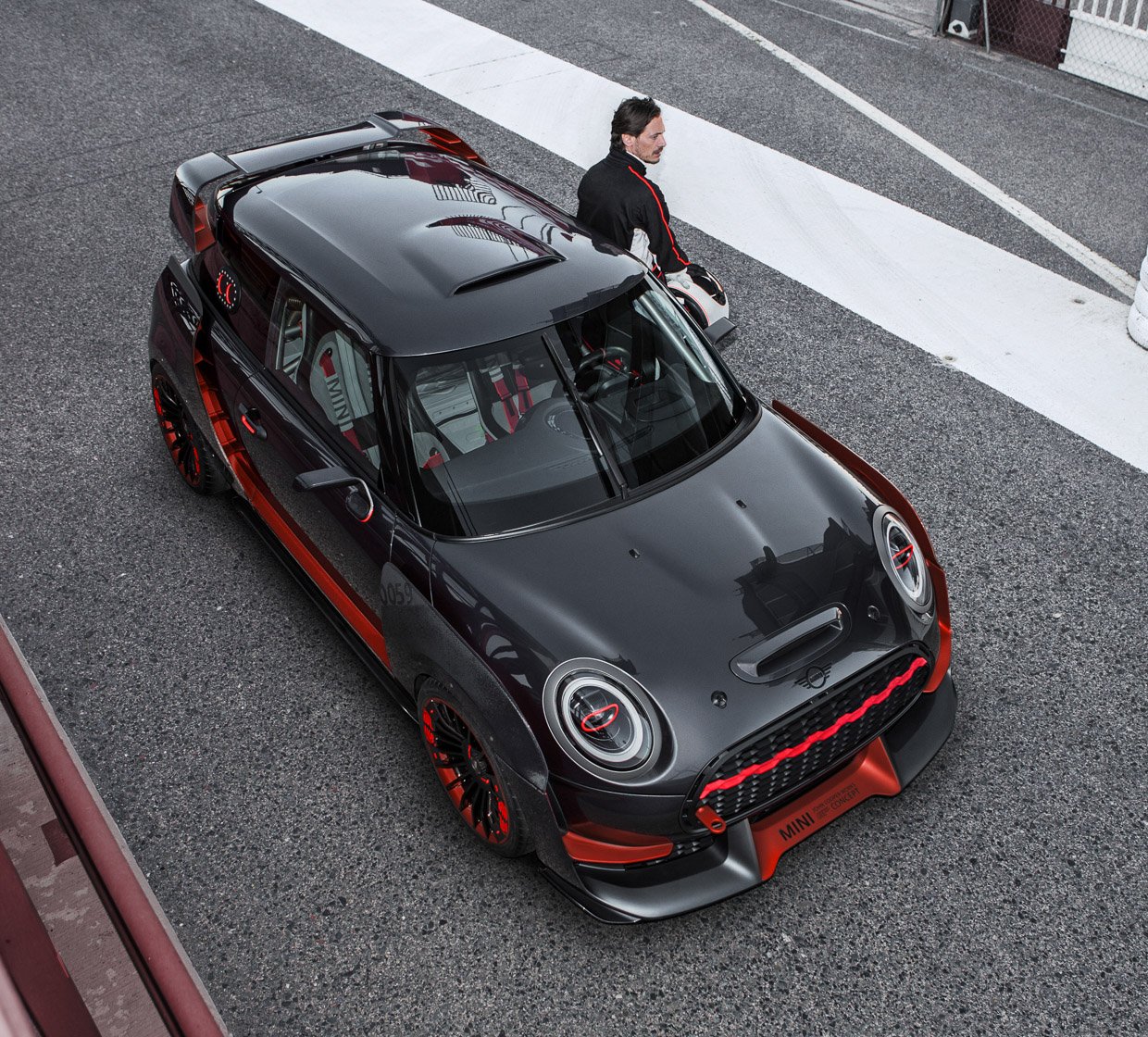
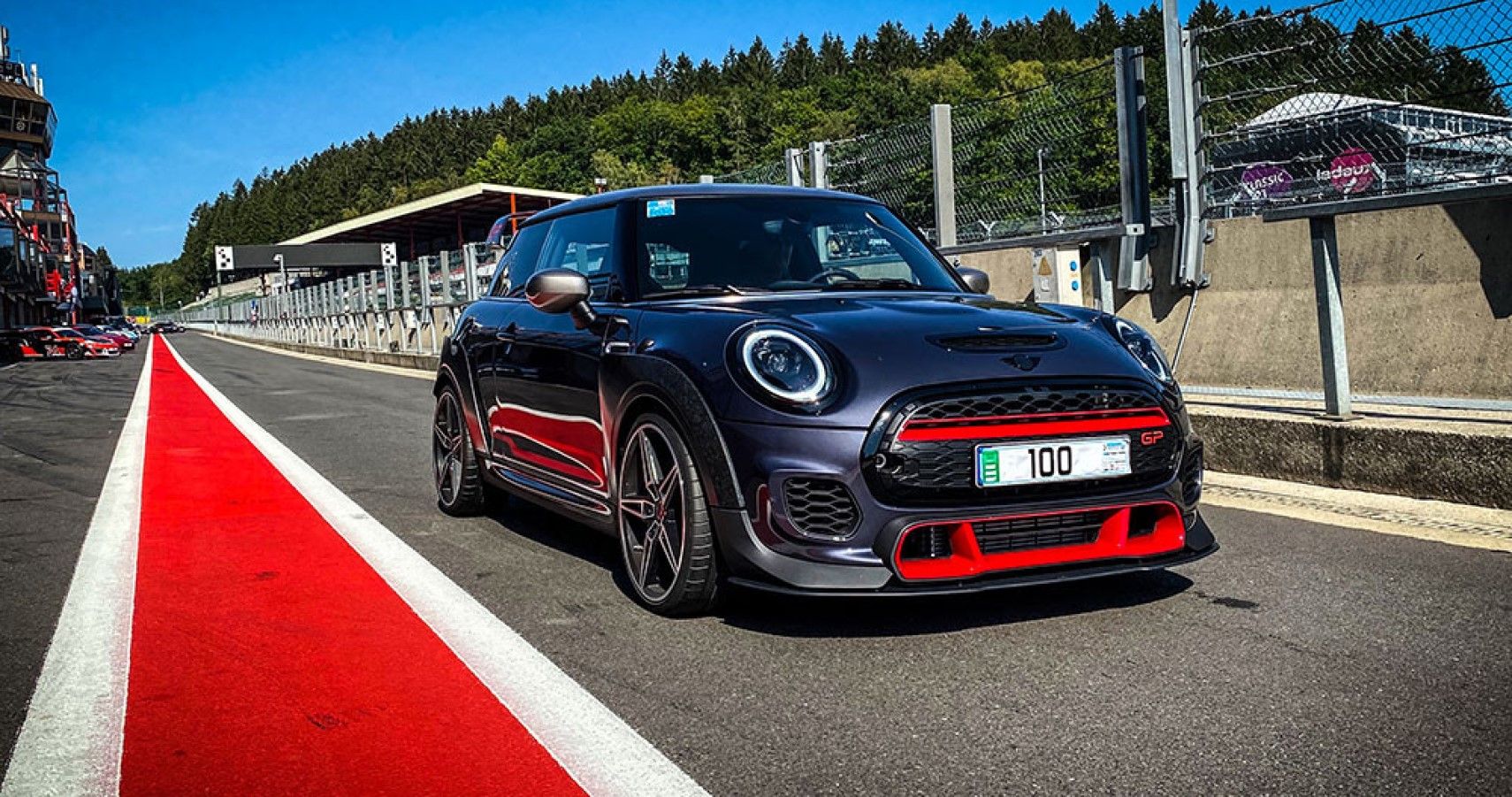
There's a specific breed of engineering arrogance that only shows up when a manufacturer quits worrying about showroom logic and starts chasing lap times. Mini, a brand long defined by cheeky proportions and urban agility, has periodically let its engineers indulge that instinct — and the result is always the same: a small car that punches far above its weight class. Nothing embodies that philosophy more completely than the JCW GP, the most extreme road-legal machine ever to wear the winged Mini badge. And at the centre of its visual and aerodynamic identity sits a rear wing so outlandish it borders on parody — until you understand what it actually does.
That wing, fitted to the GP generations carrying the JCW tuning house's most aggressive work, is no styling flourish. It's a functional aerodynamic device engineered to generate meaningful downforce at speed, and its proportions are deliberately confrontational.
A Wing With a Job to Do
Where a standard John Cooper Works hatch wears a modest roof spoiler that mostly manages airflow and adds a dash of attitude, the GP variant bolts on a carbon-fibre assembly that looks borrowed from a touring car programme. The message is unambiguous: this is a machine built with circuit performance as a genuine priority, not a marketing afterthought.
To appreciate why the wing matters, you have to understand the fundamental problem facing any fast Mini. The car's short wheelbase and tall, upright body — hallmarks of the original design language — make it inherently lively and, at the limit, prone to rear-end instability. That agility is a gift on tight, technical circuits, but it becomes a liability when you're carrying serious speed through a fast corner. Downforce is the antidote.
By forcing the rear tyres into the tarmac, the wing stabilises the car's balance and allows the driver to exploit the chassis's natural eagerness without fighting a nervous tail. The GP's wing transforms a hyperactive hot hatch into something approaching a legitimate track tool.
More Than Just a Spoiler
That transformation is amplified by everything else the GP treatment brings. Power from the turbocharged four-cylinder is wound up beyond the standard JCW output, the suspension is stiffened and lowered, weight is stripped out — rear seats deleted, sound deadening removed — and the chassis is honed for circuit abuse. The wing is the exclamation mark on a sentence that begins with a substantially more serious engineering brief.
It's also, crucially, a visual signal. Anyone who knows cars understands instantly that a GP with that towering rear appendage is not a garden-variety Mini with a body kit. It's a limited-run, track-focused special, and the wing announces that fact before you even hear the engine.
The Physics Behind the Theatre
There is something wonderfully perverse about the whole proposition. Mini built its reputation on compact, cheerful, accessible motoring, and the JCW GP takes that heritage and weaponises it. The wing is absurd — deliberately, gloriously so. It juts into the rear-view mirror's field of vision, it dominates every photograph, and it invites ridicule from those who see only the aesthetics.
Yet the physics are real. At the speeds a GP can generate on a circuit, that carbon-fibre plane is doing genuine work, pressing the rear axle down and letting the driver commit to corners with a confidence no standard Mini could offer. This is the paradox that makes the GP so compelling: a car that looks faintly ridiculous and behaves like a serious instrument. The wing, that most mocked of its features, is precisely the element that bridges the two — a piece of theatre that doubles as a piece of engineering.
Mini has always understood that small cars can be enormous fun, and with the JCW GP it proved they can also be genuinely fast. The wing may be the most absurd thing on the car, but it is also the clearest statement of intent: this little hatchback was built to hunt lap times, and it will not apologise for looking the part.