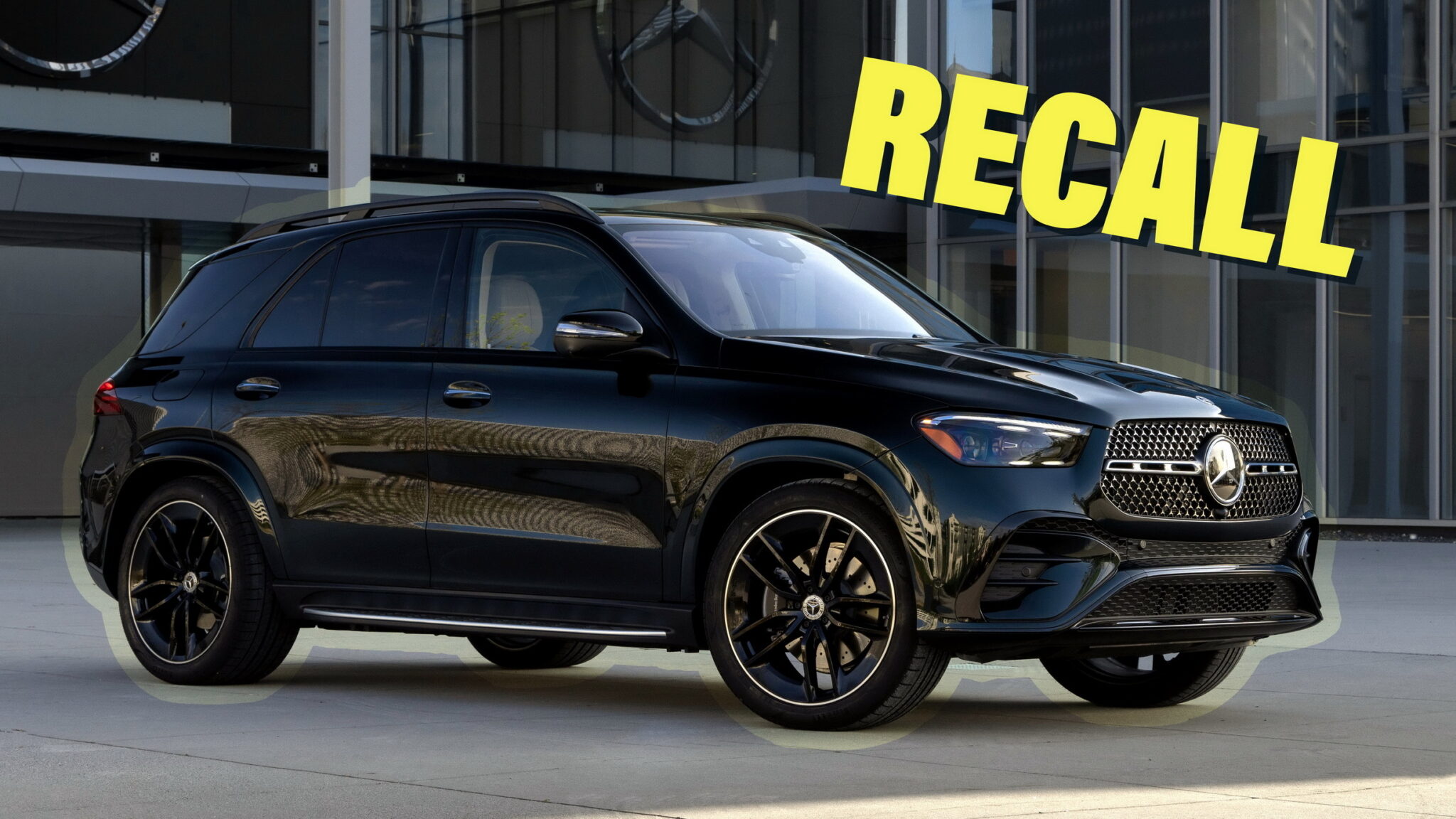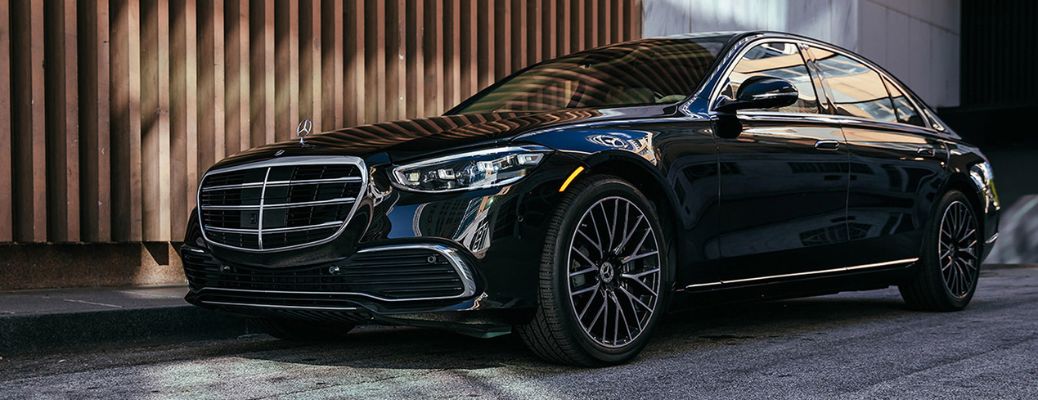
There's a quiet irony unfolding inside Mercedes-Benz showrooms, and it deserves more attention than it's getting. At the very moment the three-pointed star is recalling more than 30,000 S-Class sedans over faulty brake hoses and brake lines, the company is quietly posting remarkable profits from the cars it already sold. The used-car business — long treated as a residual afterthought to the glories of new-vehicle launches — has become the financial ballast keeping the flagship brand steady while its newest and most expensive models are called back to the workshop.
The recall itself is not trivial. According to filings reported by Cars.com, USA Today, Dallas News, and Kelley Blue Book, the affected vehicles include the S-Class, Mercedes' most expensive and most symbolically important product. Faulty brake hoses and brake lines are not cosmetic annoyances; they are safety-critical failures in a car whose entire marketing premise rests on engineering supremacy. When the brand that invented the automobile must summon tens of thousands of its luxury flagships back to dealers, the reputational cost compounds the warranty cost. And yet Mercedes-Benz is absorbing that blow with unusual composure, because the money is coming from somewhere else entirely.
The Pre-Owned Market Is Doing the Heavy Lifting
That somewhere else is the pre-owned market. As Yahoo Finance recently reported, Mercedes-Benz is making serious money with its used cars. This is not incidental. Certified pre-owned programs, franchised dealer trade-ins, and the long-tail demand for older models have combined to create a revenue stream that behaves far more reliably than the launch cycle of any single new model.
The evidence is everywhere you look. A 1983 Mercedes-Benz 380SL still commands enthusiast attention, as ClassicCars.com's Pick of the Day reminds us. A clean, low-mileage V8 S-Class can trade for the price of a new C-Class, as autoevolution recently asked its readers to consider. That is not nostalgia; that is margin.
The Symmetry Is Almost Too Neat
The same S-Class that must be recalled for brake components is the same S-Class that, in older and better-maintained form, holds value so stubbornly that buyers will pay new-C-Class money for a used one. Mercedes-Benz has effectively built a business in which the secondary market subsidizes the primary one. Every CPO transaction, every trade-in resold at a healthy spread, every collector paying a premium for a W126 or R107, contributes to a balance sheet that must also cover the cost of fixing the newest cars rolling off the line.
The Road Ahead Demands Capital
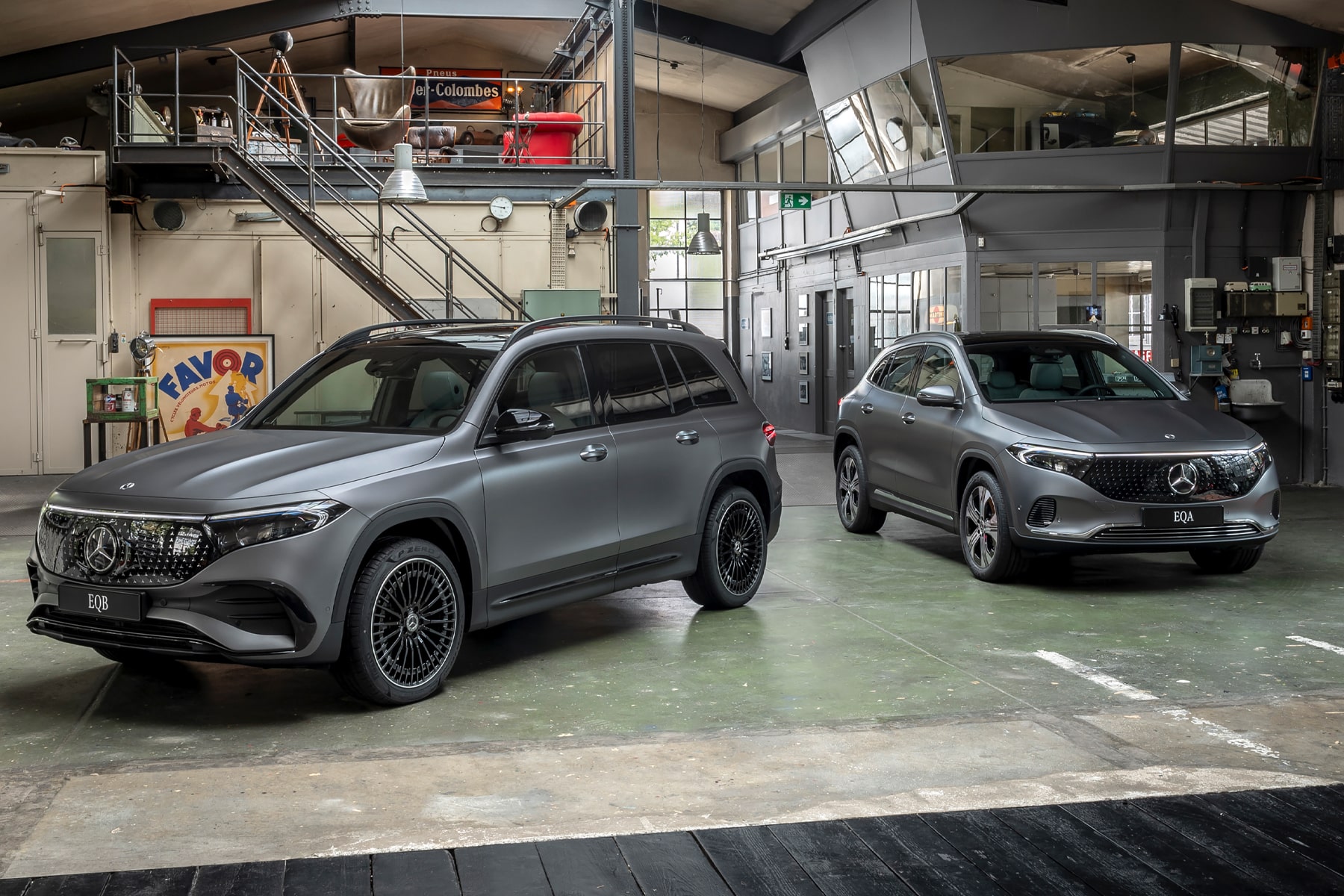
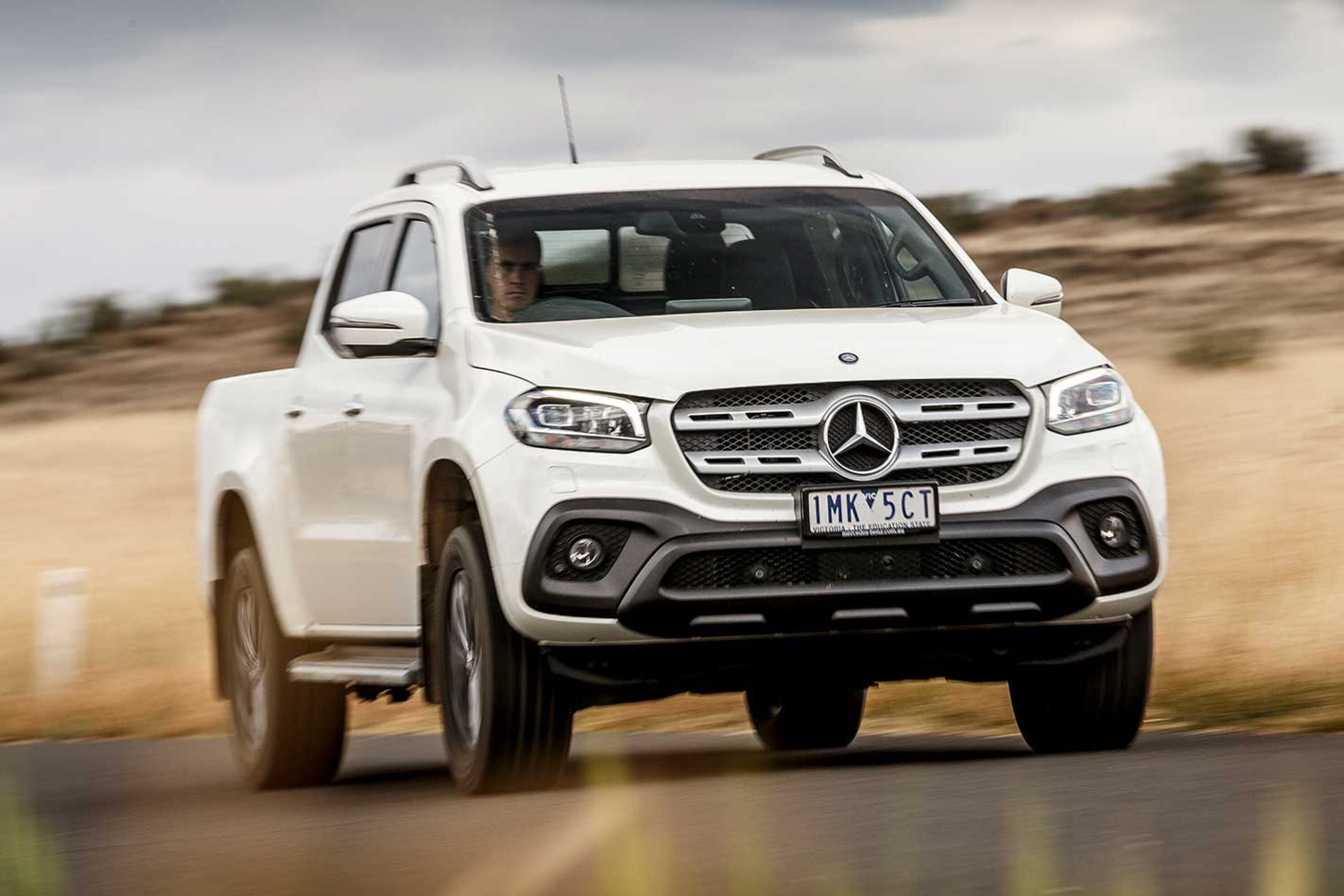
This matters because Mercedes-Benz is not standing still. The C-Class Electric has arrived with dimensions that, in some measures, exceed the E-Class, and Top Gear's 2026 review positions it as a serious volume play. The Smart #2 is reinventing the ultracompact city car with modern EV architecture. Production of the Marco Polo camper van has begun at Ludwigsfelde. And in China, the XPeng G9L is explicitly aiming at Mercedes and BMW — a reminder that the competitive moat is narrowing. Every one of these initiatives requires capital, and every recall draws capital away from them.
So the used-car profits are not a happy accident. They are the financial cushion that allows Mercedes-Benz to recall its flagship without blinking, to develop electric C-Class variants without pausing, and to defend its luxury position against aggressive newcomers. The brand's heritage — the long history of over-engineered sedans and roadsters that still run decades later — has become a revenue engine in its own right. The cars Mercedes built twenty and forty years ago are now helping to pay for the cars it must fix today.
Whether this arrangement is sustainable is another question. Used-car margins depend on supply, on interest rates, and on the enduring belief that an older Mercedes is worth the maintenance. But for now, the arithmetic is clear: the past is funding the present, and the present is being recalled. Mercedes-Benz, for all its engineering pride, is being kept upright by the very cars it no longer makes.