Mercedes-Benz has always trafficked in superlatives. "The best or nothing" was never just a slogan; for most of the past century, the three-pointed star backed up the boast with an authority few rivals dared challenge. But the latest quarterly figures read like a company being pulled in two directions at once—and that tension, more than any single launch, may shape the next decade of luxury motoring.
The headline is uncomfortable: Mercedes-Benz Q3 car sales fell 8%, with the weakness concentrated almost entirely in China. The market that once powered Stuttgart's record years has become a drag. Buoyed by a domestic EV industry that moves faster and prices more aggressively than anything Europe can muster, Chinese buyers are turning toward homegrown brands like BYD, Nio, and Li Auto in growing numbers. For a marque built on prestige, watching upwardly mobile customers choose a domestic electric sedan over an E-Class is an existential signal, not a blip. The company has framed ongoing EU-China trade discussions as a source of welcome predictability—diplomatic language for a hard truth: tariff uncertainty and soft demand have turned its largest single market into a liability.
The Electric GLC Makes Its Case
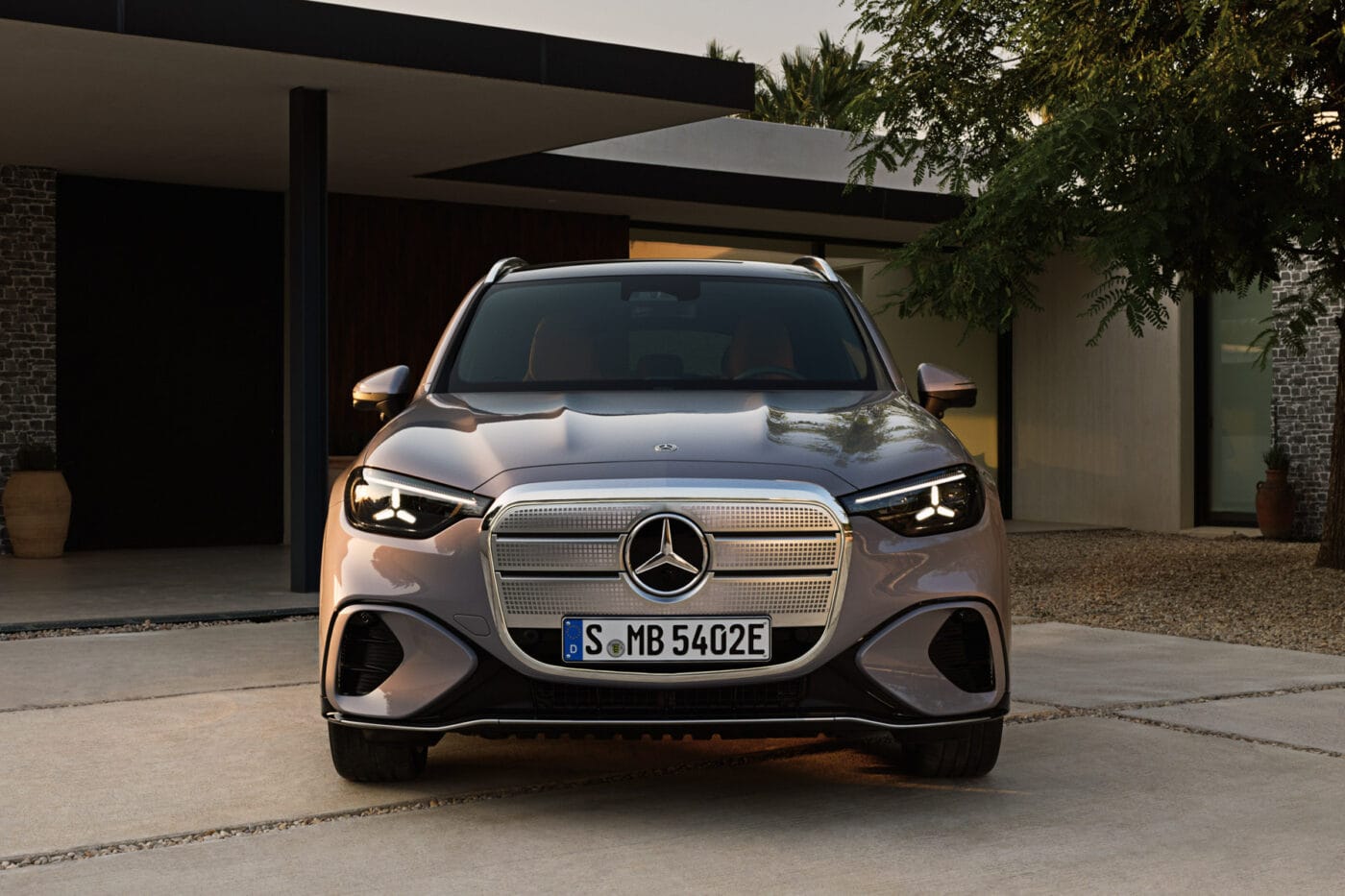
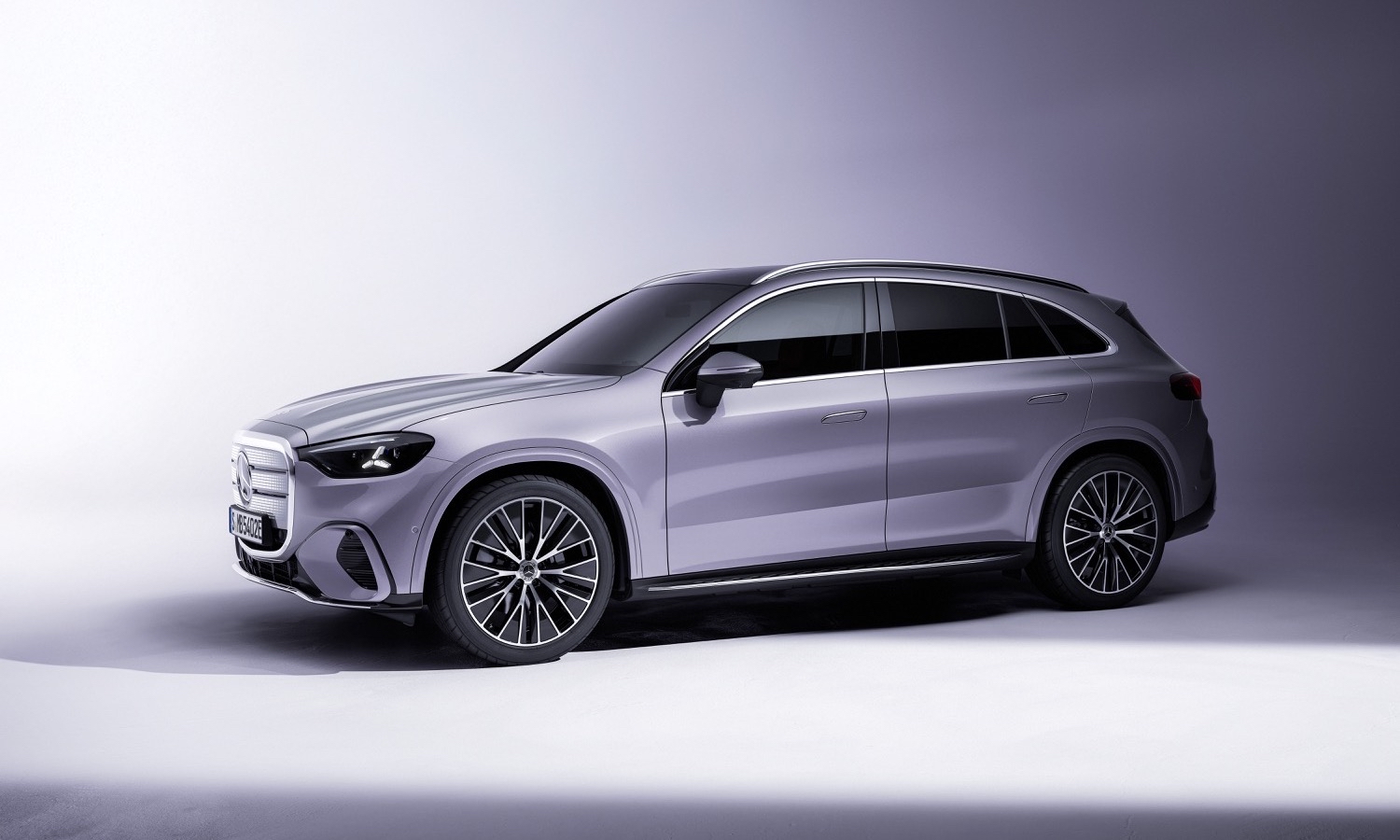
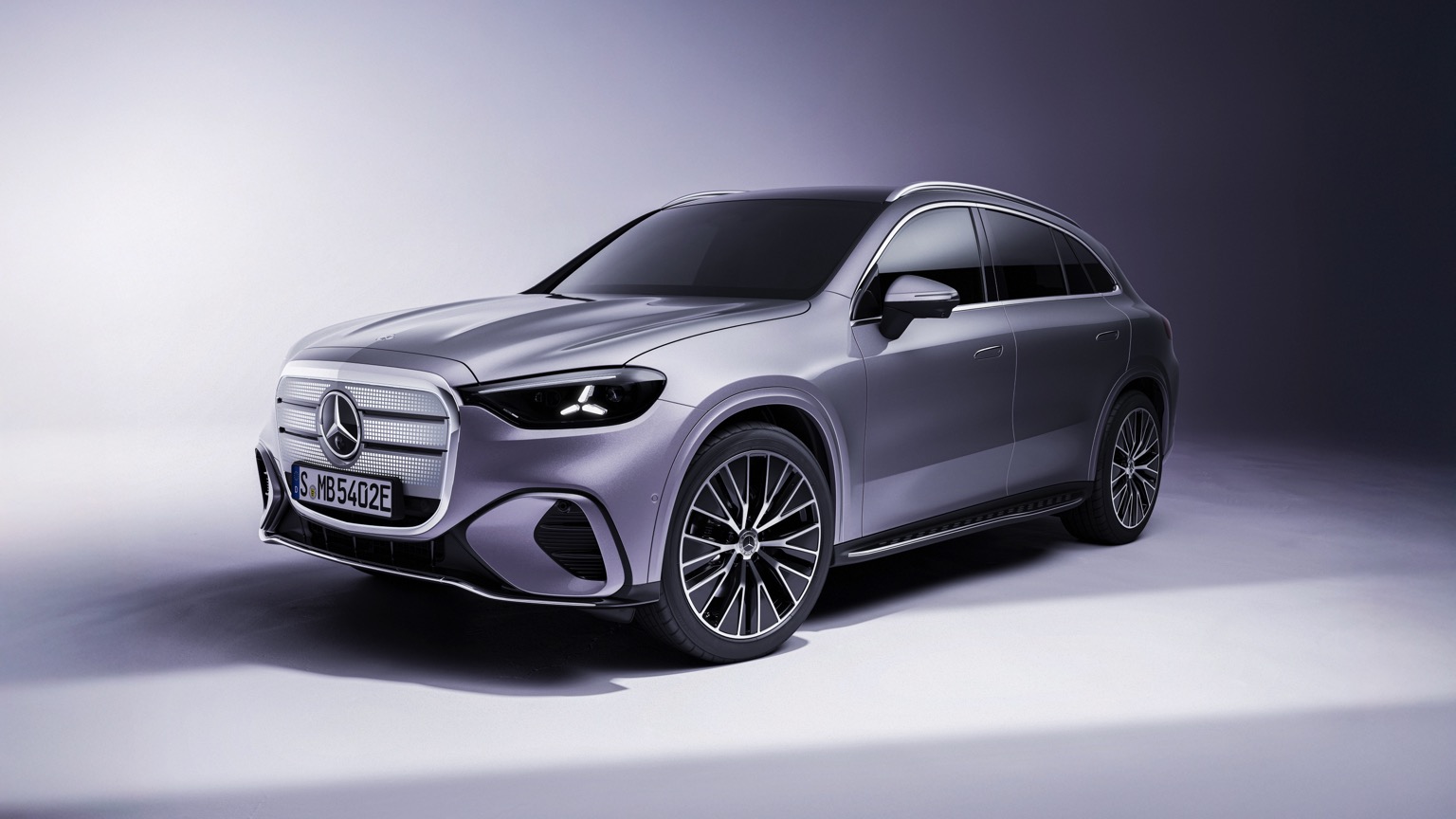
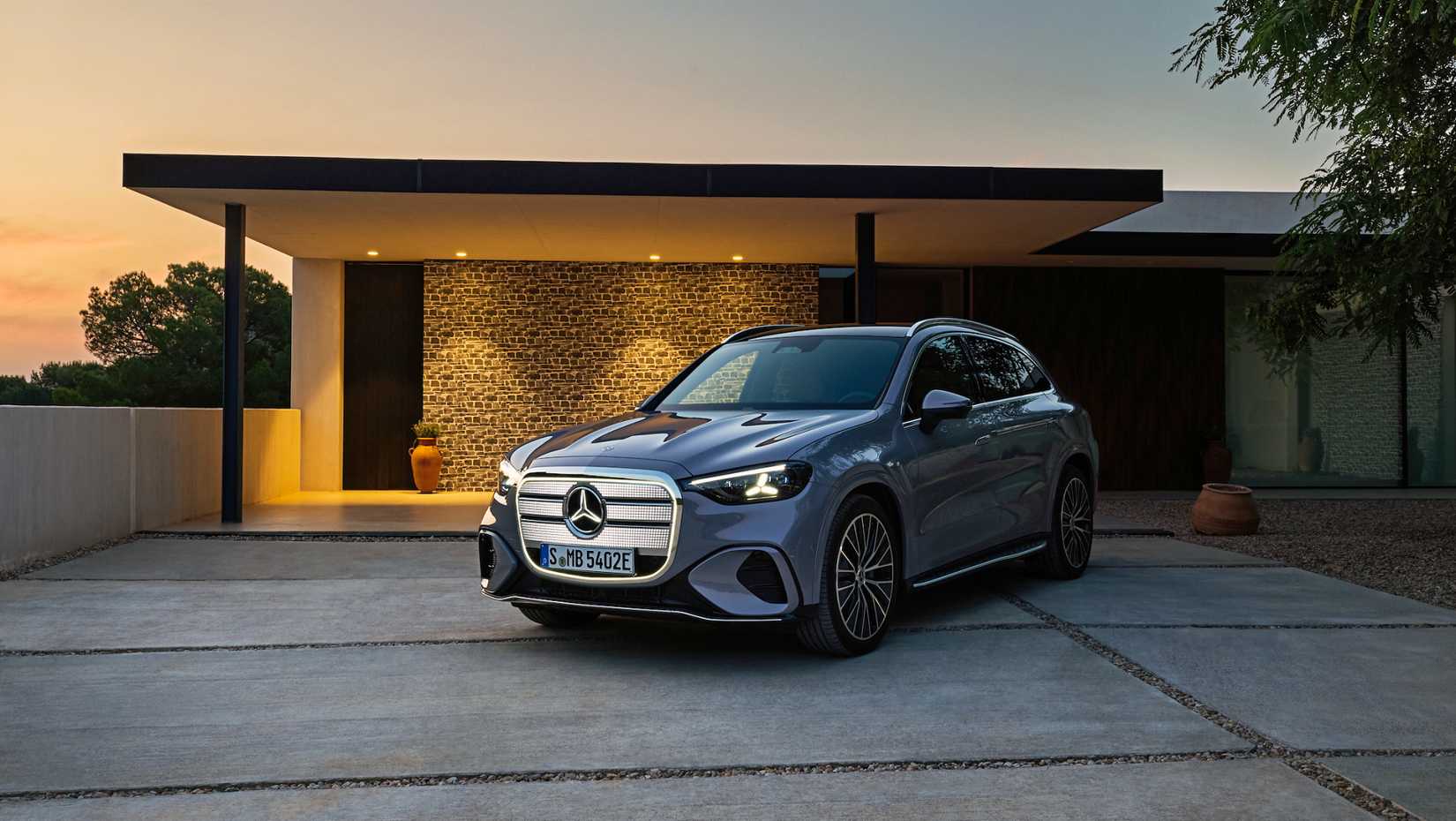
Yet the same quarter produced a figure that borders on triumphant. Mercedes-Benz EV sales rose 52%, a record high driven overwhelmingly by the new Electric GLC. In India alone, the electric GLC drew over 650 prospective buyers in just 36 hours—a response that suggests appetite for a properly engineered, properly luxurious electric Mercedes isn't merely alive but ravenous.
The GLC400 has already drawn favourable comparisons against the Volvo EX60, with reviewers noting there's more than one way to build a great EV. That's a subtle acknowledgment that Mercedes has chosen the harder, costlier path: preserving traditional refinement inside an electric package rather than chasing the segment's usual tricks.
Two Markets, Two Games
Here lies the split at the heart of the brand. In China, Mercedes is losing the volume game to companies that treat software and price as their primary weapons. In the West—and increasingly in markets like India—it is winning the desirability game with vehicles that feel like Mercedes first and EVs second.
That distinction matters. The electric GLC's reception isn't just a sales story; it's proof that the brand's core values—ride quality, material honesty, the sense that nothing was left to chance—still translate when the powertrain changes. Buyers aren't asking for a different Mercedes. They're asking for a Mercedes that happens to be electric. So far, the GLC400 answers that request convincingly.
Combustion Keeps Its Voice
Meanwhile, the 2027 GLE and GLS have been refreshed and revamped to remind buyers that the combustion heart of the lineup remains formidable. The new flat-plane V8 has been received as evidence that Benz is back to its best—and that engine matters not just as engineering but as branding. It tells the faithful that electrification hasn't cost the company its soul.
This is a deliberate piece of portfolio management: reassure the traditionalist while courting the convert. The risk is obvious. History suggests luxury carmakers can't serve two masters forever; eventually, one identity consumes the other. Mercedes appears to be betting that its electric lineup can inherit the prestige of its combustion heritage rather than replace it—a handover, not a hostile takeover.
The early reception of the electric GLC is the strongest evidence yet that the bet might pay off. But the Chinese slump is a reminder that prestige, in the world's largest car market, is being redefined by companies that never had any to begin with.
For a brand whose entire philosophy rests on being the best—or nothing—the coming years will test whether excellence alone still sells. The electric GLC suggests it can. China suggests the answer is no longer entirely Mercedes' to write.