For a century, Mercedes-Benz earned the right to call itself the best car in the world through mechanical supremacy: engines, chassis, craftsmanship. The next decade will test whether that same authority can be rebuilt around chemistry. The company's recent agreement securing first access to ProLogium's Gen4 solid-state EV battery cells is not a routine supply deal. It is a strategic bet that the three-pointed star's future in China — the market that now dictates global luxury EV economics — depends on leapfrogging the battery technology its rivals are still scaling.
The logic is brutal in its simplicity. China's domestic manufacturers have turned range, charging speed, and software into commodity virtues, and they deliver them at prices Mercedes cannot match with conventional lithium-ion packs. A GLC 400e or CLA350 that competes on sticker price against a BYD or Nio is a losing proposition; the brand's entire premium depends on offering something the competition cannot replicate.
The Chemistry Bet
Solid-state cells, with their promise of greater energy density, faster charging, and improved safety, represent precisely that kind of differentiator. Mercedes-Benz's ceramic solid-state testing program points toward a pack that could plausibly deliver the range and charging confidence luxury buyers in Shanghai and Shenzhen now take for granted — without the weight and thermal compromises of today's chemistry. It is the sort of engineering moonshot that once defined the brand's approach to the automobile, and it signals that Mercedes understands where the real battlefield now lies.
The Timeline Problem
Yet the timeline is unforgiving. Solid-state production at scale remains years away, and Mercedes is pursuing it while simultaneously cutting $911 million in labor costs and warning of plant closures. That combination — investing in a next-generation technology while contracting the industrial base that must build it — is the central tension of the company's electric strategy. Every quarter that solid-state remains a laboratory promise is a quarter Chinese rivals accumulate scale, data, and consumer loyalty.
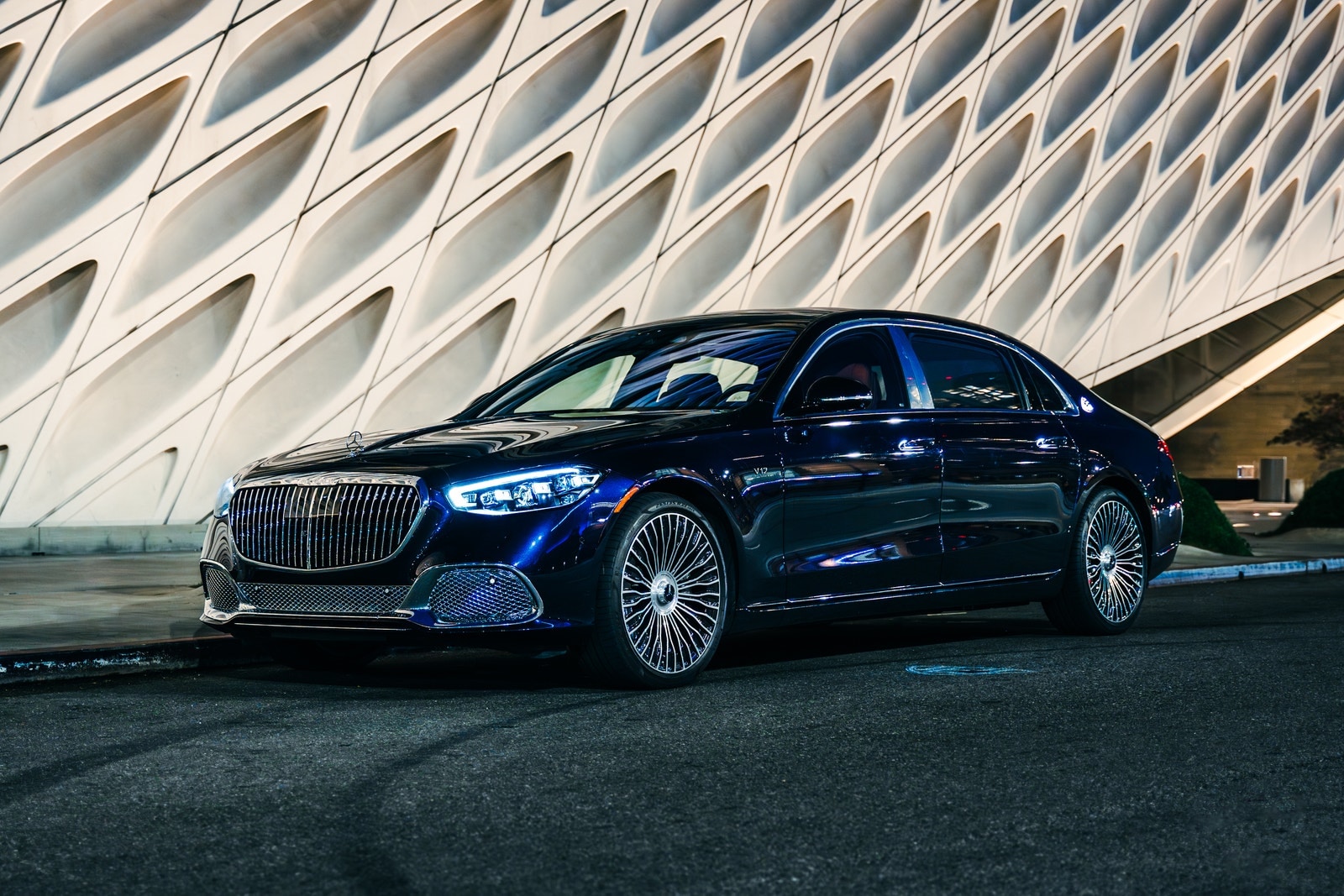
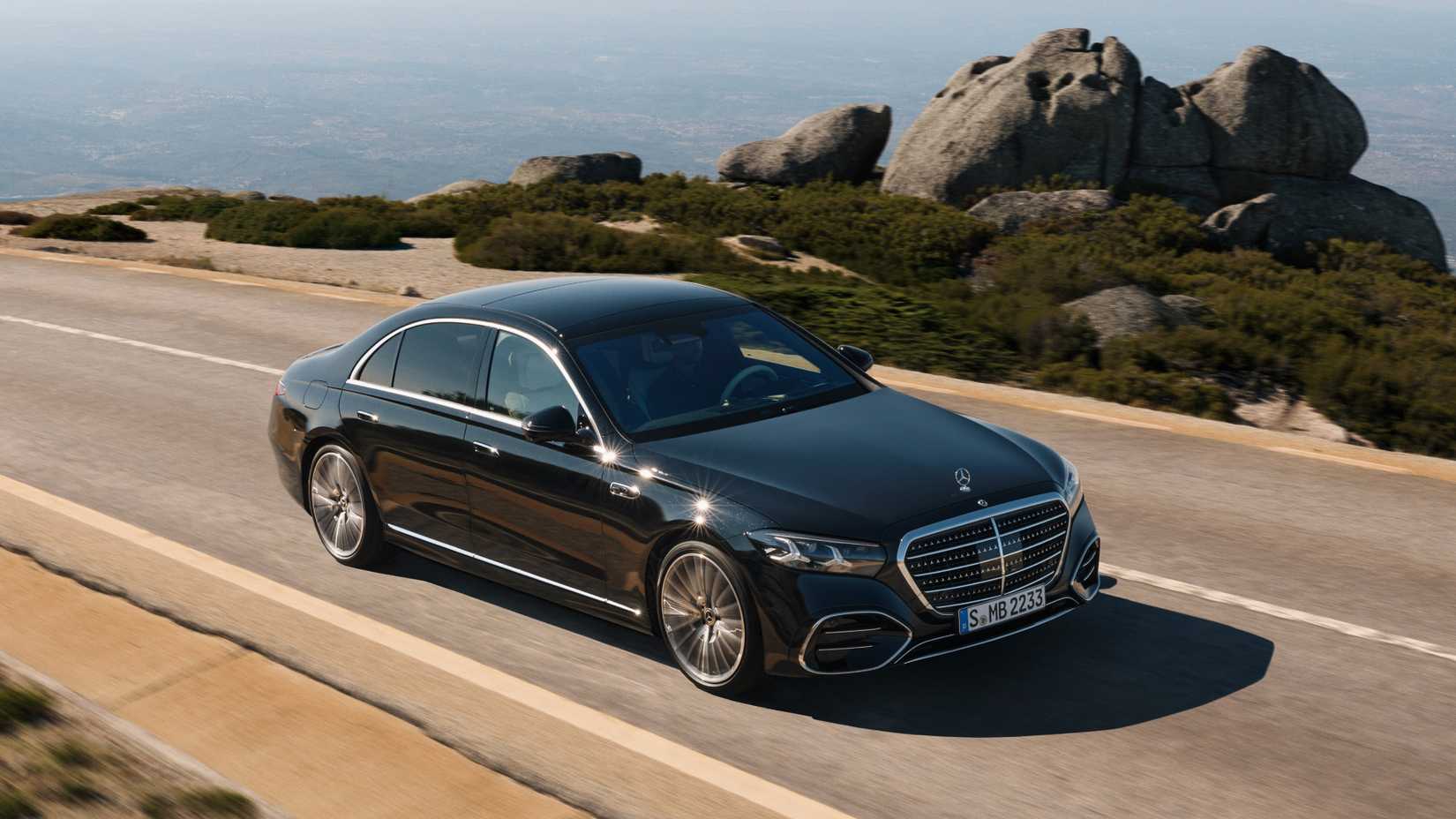
The 2027 S580 may still prove the S-Class remains the standard, but the S-Class is not where this war will be won. It will be won in the mid-size crossover segment, where the GLC 400 and its Hyperscreen must justify their premium against vehicles that undercut them by thirty percent.
Beyond the Battery
There is also the question of whether solid-state alone can carry the brand. Mercedes-Benz has wisely invested in the ownership experience around the vehicle — making on-the-go charging more affordable, refining the digital interface that the GLC 400's Hyperscreen showcases, sustaining the design language that makes a virtual S-Class Cabriolet concept feel like a plausible dream. These are meaningful differentiators, but they are refinements, not revolutions. In a market where competitors iterate monthly, refinement buys time, not victory.
Access Is Not Advantage
The ProLogium arrangement gives Mercedes-Benz something rare: first-mover access to a technology that could reset the competitive equation. But access is not advantage. The company must industrialize those cells, integrate them into vehicles that feel unmistakably Mercedes, and price them so that Chinese luxury buyers see not a premium but a proposition.
If it manages that, the brand's EV future in China remains intact. If solid-state slips, or if the cost cuts hollow out the engineering capacity needed to execute, Mercedes risks becoming a heritage marque in the one market that matters most — admired, remembered, and increasingly unbought.
The battery, not the badge, will decide.