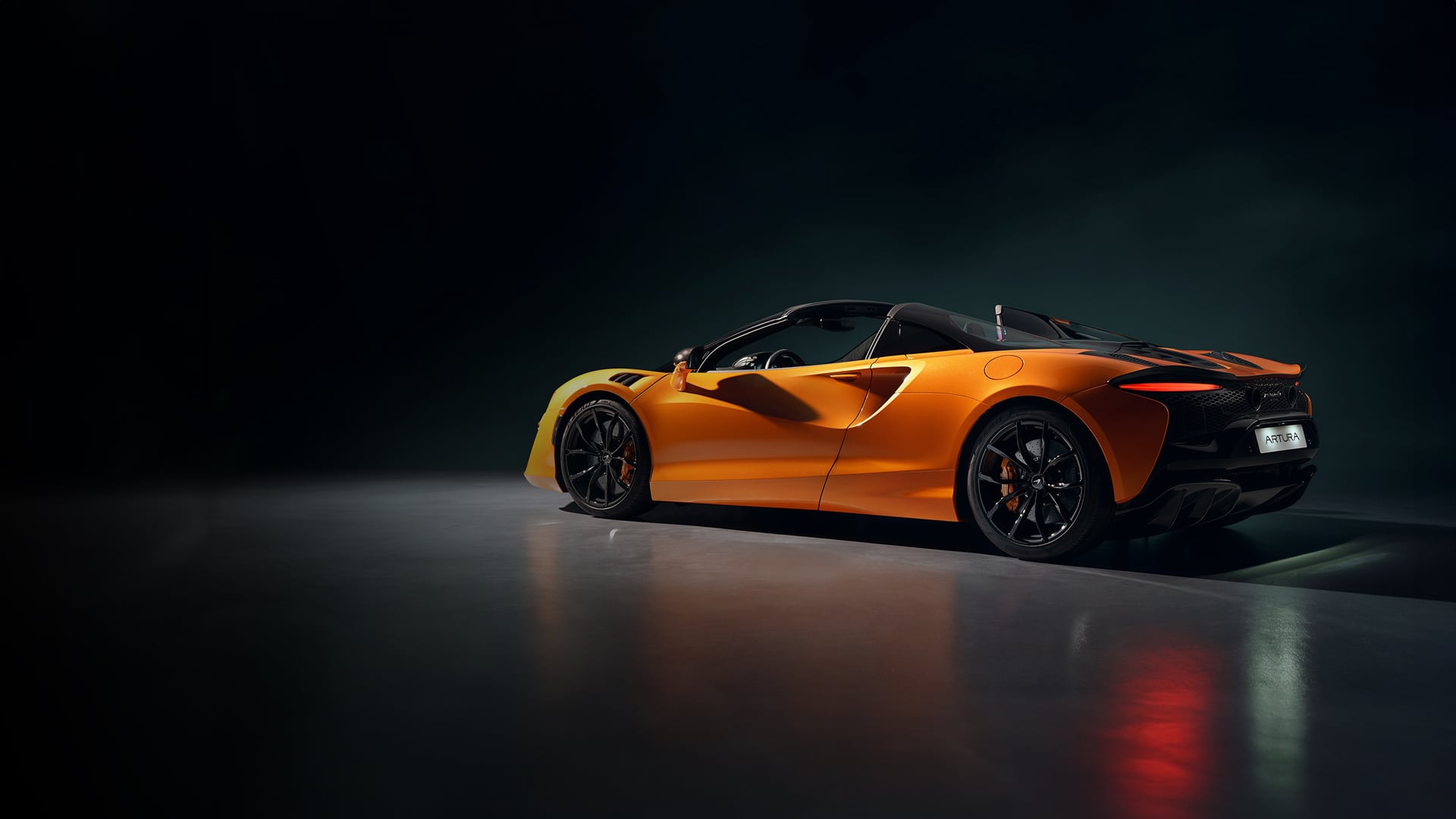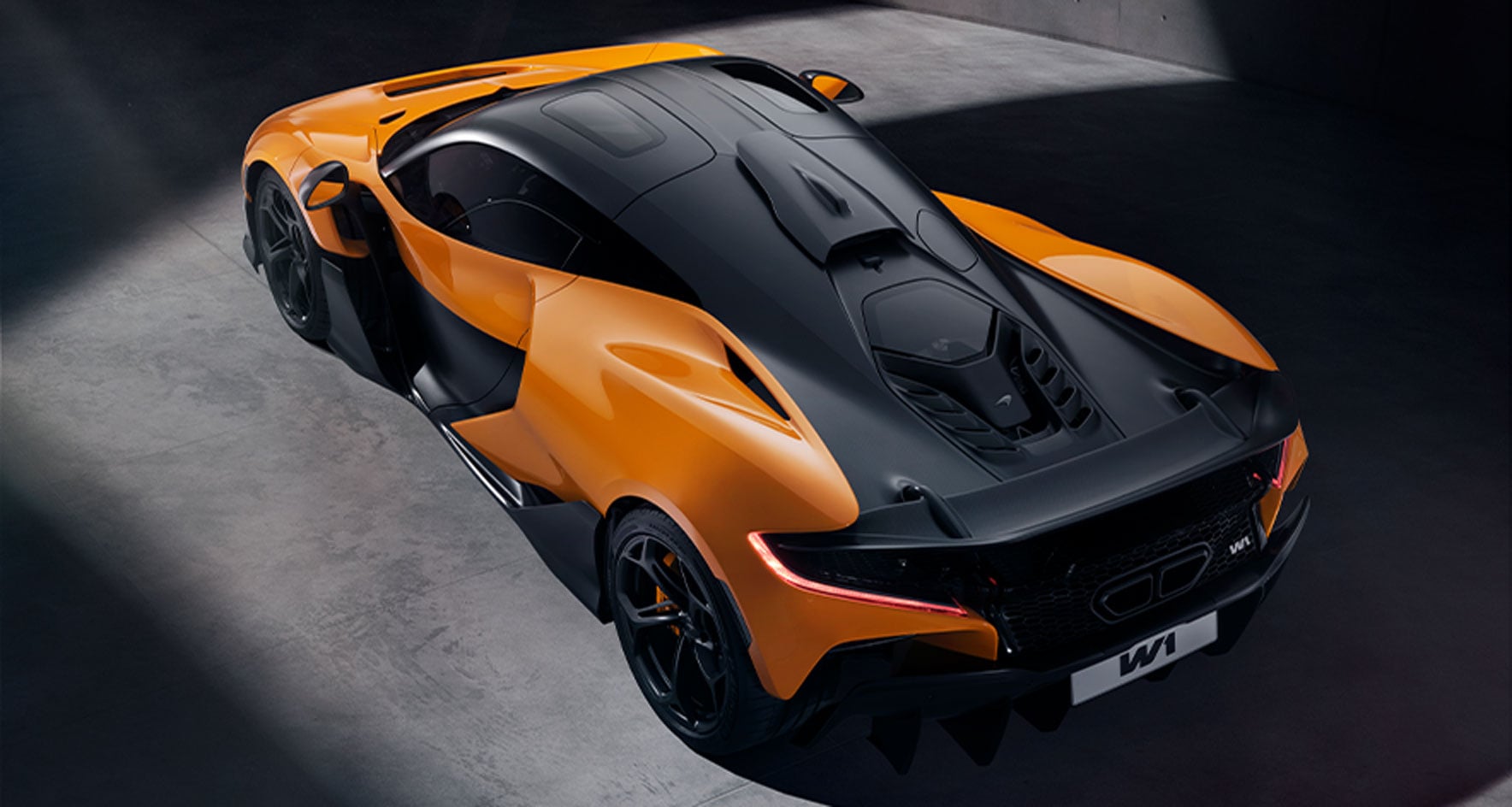
For four decades, McLaren built its reputation on the razor’s edge of combustion engineering—less weight, more downforce, and a screaming twin-turbo V8 as the holy trinity of the supercar. Now comes the confession. The McL 820, an 809bhp machine that Top Gear gleefully reports is nicknamed after a kiwi bird, arrives as the first McLaren road car to abandon pure petrol power entirely. It is a milestone wrapped in a eulogy. Woking is reluctantly conceding that the trinity needs a battery.
The reluctance is the story here. Evo’s framing of the news is telling: McLaren is ditching pure petrol power, but Ferrari is still ahead. That is not a sentence McLaren’s engineers will enjoy reading. Maranello crossed the hybrid Rubicon years ago with the LaFerrari and has since woven electrification through its series-production range with a confidence that borders on swagger. McLaren, by contrast, arrives at the party with the demeanour of a guest who has been assured the dress code was optional. The McL 820 is not a victory lap; it is a tactical retreat dressed as a technical leap.
A Tactical Retreat Dressed as a Technical Leap
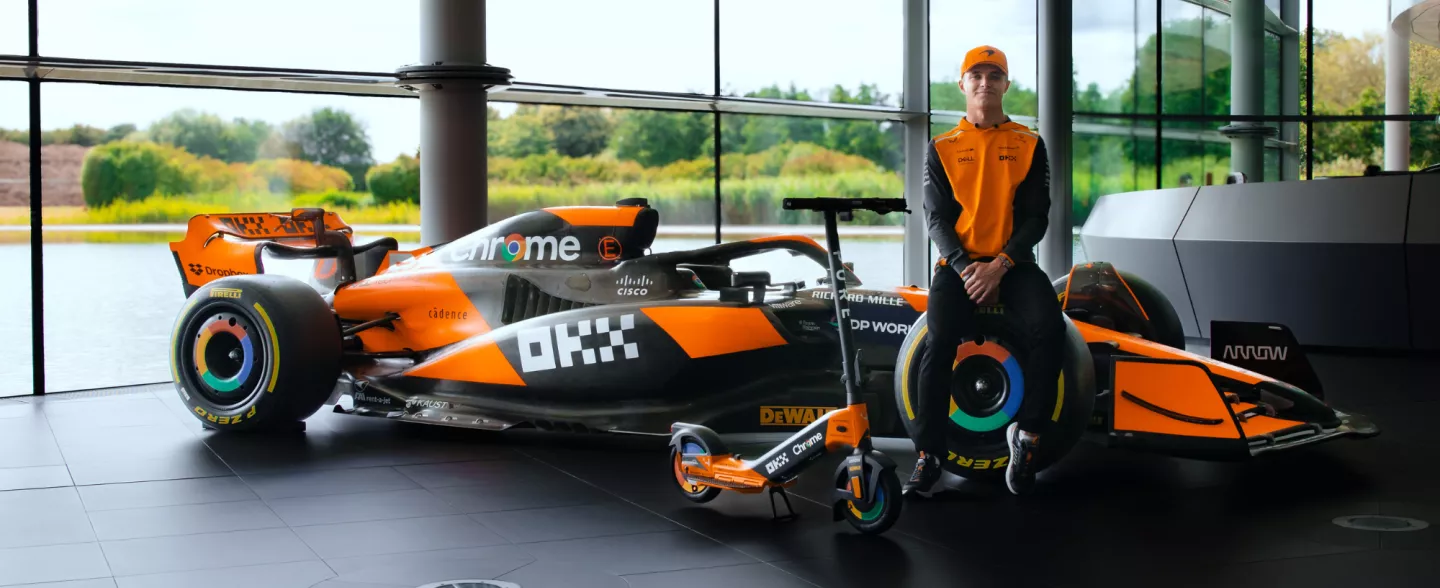
There is an irony in the timing. Just as McLaren’s road-car division prepares to say goodbye to unadulterated combustion, its Formula 1 team is being reminded that electrical assistance is no cure for a slow car. Lando Norris was blunt after Mexico qualifying, admitting the MCL38—or whatever designation the current challenger carries—was simply “too slow.” Oscar Piastri, ever the diplomat, suggested the team had handled the altitude “better than I was expecting,” which is the motorsport equivalent of praising a restaurant for the bread. The hybrid era has not been unkind to McLaren in F1, but it has been mercilessly instructive: electrification alone does not buy pace. It buys complexity, and complexity must be mastered.
That lesson ought to weigh heavily on the McL 820 programme. McLaren’s road cars have long traded on a singular, almost monastic purity—the F1 remains the apotheosis, a naturally aspirated V12 manual with a gold-lined engine bay and a central driving position that made every contemporary supercar look like a compromise. To see Woking add hybrid ballast to that lineage is to watch a purist make peace with arithmetic. The McL 820 will almost certainly be faster than the car it replaces. It will also be heavier, more intricate and less romantically straightforward. That is the bargain every manufacturer is now forced to strike, and McLaren is striking it with visible reluctance.
The Portfolio Hedges Its Bets
The wider portfolio suggests the company is hedging. A design boss has confirmed that McLaren’s first SUV will be “unmistakably McLaren,” following Ferrari and Aston Martin into the high-margin, high-ride-height arena. The Mercedes SLR—that strange, glorious, half-forgotten collaboration—keeps resurfacing in the classic press as a reminder that McLaren has always been willing to bend its own rules when the engineering case is compelling. And a convoy of McLaren F1s worth over $125 million at the Las Vegas Concours is a pointed reminder of what the brand once was: the most audacious, least compromised car company on earth. Even the toy aisles agree—Hot Wheels still ranks McLaren alongside Porsche and Ferrari as premium royalty, a small consolation as the real cars grow quieter.
Mischief, But Not Conviction
None of this diminishes the McL 820 on its own terms. An 809bhp hybrid supercar from Woking is a serious proposition, and the kiwi-bird moniker suggests the engineers have retained their sense of mischief. But mischief is not the same as conviction. McLaren is entering the electrified age the way a great batsman plays a shot he does not quite believe in—correct in technique, hesitant in intent.
The pure-petrol era at Woking is ending, and it is ending not with a roar but with a carefully modulated, battery-assisted hum. Whether that hum can ever carry the same emotional charge as a twin-turbo V8 at full cry is the question McLaren now has to answer—not with arithmetic, but with the kind of driving feel that made its name in the first place.