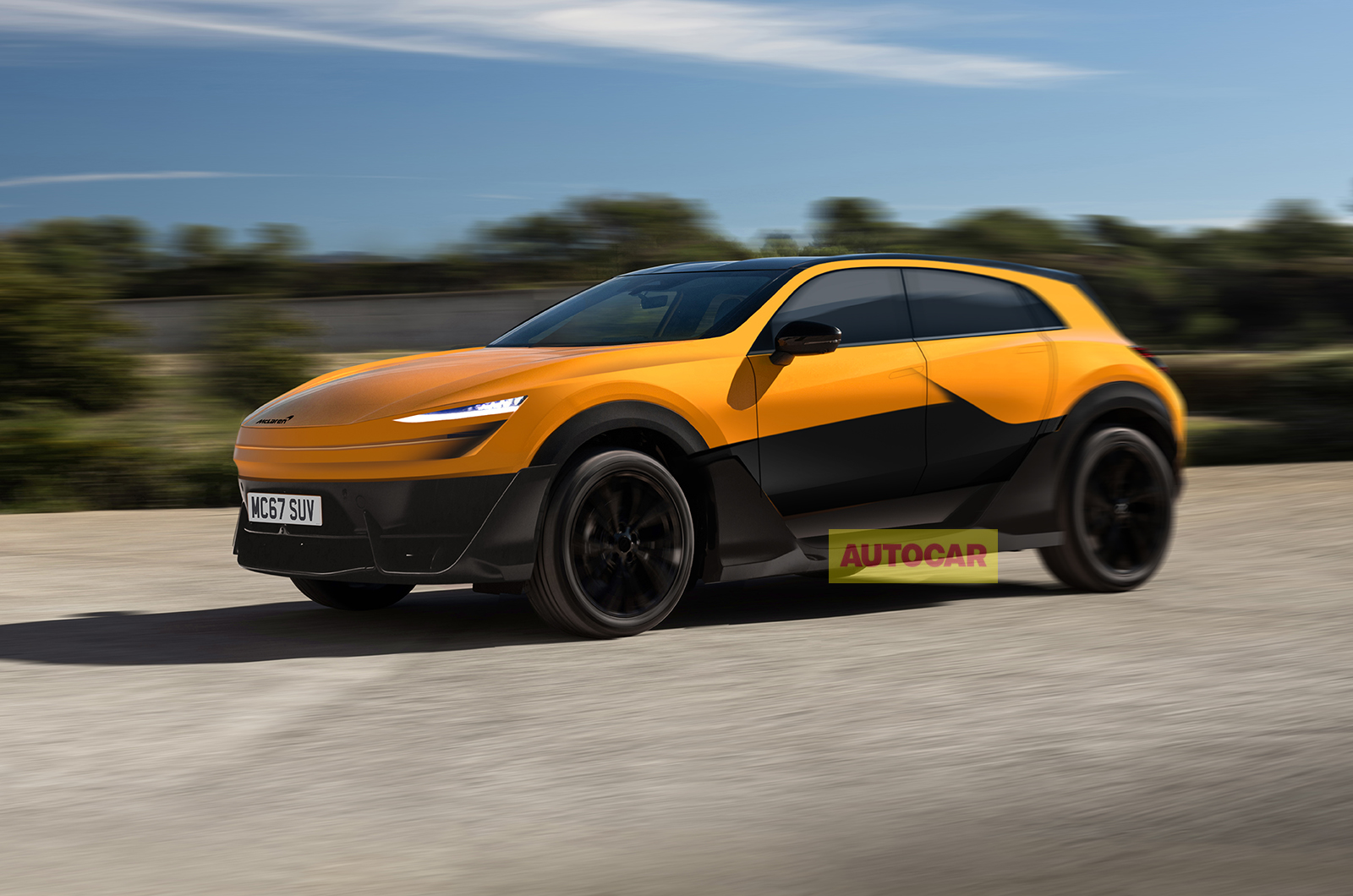
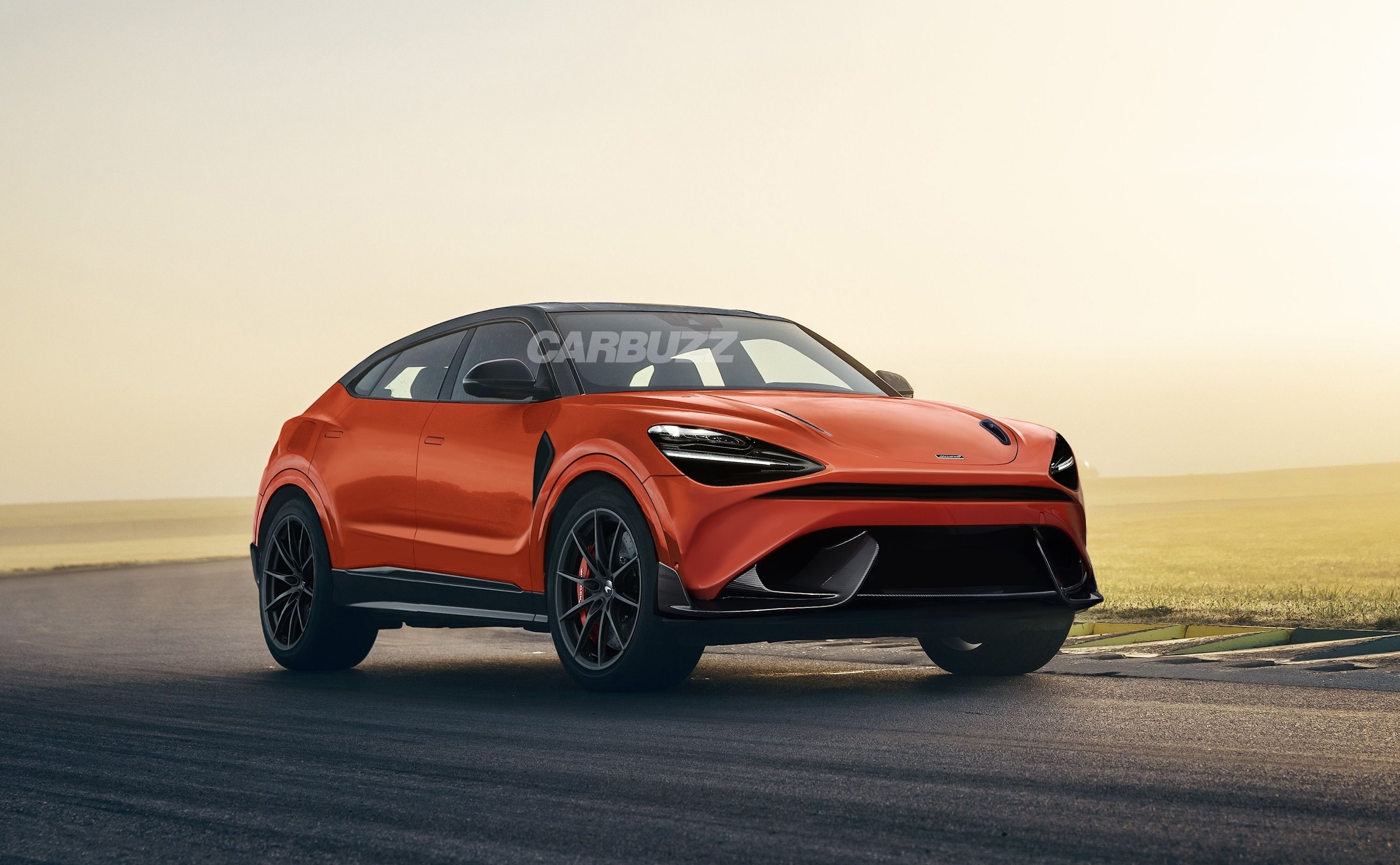
McLaren has never done things by halves. So when the British marque confirmed it will sink £500 million into a performance SUV — a hybrid machine due in 2028 — it wasn't a tentative toe-dip into a new segment. It was the boldest, and most dangerous, decision in its road-car history.
The company frames the move as financial necessity: the SUV funds the hybrid supercar programme and secures 1,000 UK jobs. On paper, the arithmetic is seductive. In practice, it threatens something far more insidious than a dent in the balance sheet. It risks diluting the very identity that makes a McLaren worth coveting in the first place.
What McLaren Actually Is
Start with first principles. Since the F1 of 1992, McLaren has built its reputation on uncompromising, mid-engined, carbon-tubbed machines engineered with a singular purpose — to be the most driver-focused cars on the road. That purity isn't a marketing slogan. It's the product of decades of racing obsession, from Formula 1 to Le Mans.
The company's own headlines make the point. On any given race weekend, McLaren is consumed by strategy calls, pit-window gambles, and the agonising fine margins of grand prix competition. Lando Norris has completed his first full test in McLaren's Le Mans Hypercar. Andrea Stella is helping Oscar Piastri stop overthinking a 2026 F1 car. This is a company whose soul lives at 200 mph — not in a school-run queue outside a prep school.
A Play for the School Run
And yet the SUV is precisely a play for that queue. The Guardian reported that McLaren's SUV will be "geared towards Formula One fans with children" — a demographic that is real, affluent, and growing, but one that has nothing to do with what McLaren does best.
Set that alongside the company's other recent announcements — a "luxury boutique" showroom redesign, a new corporate identity, an 810-hp hybrid coupe — and the pattern is unmistakable. McLaren is pivoting from supercar manufacturer to luxury lifestyle brand. That is a strategic shift, not an evolution, and it carries a cost no £500 million investment can offset.
The Porsche Defence Doesn't Hold
The obvious defence is Porsche. The Cayenne saved Porsche, its apologists insist, and the same logic will redeem McLaren. But Porsche was always a broader church — a maker of sports cars, yes, but also of tractors, saloons, and, crucially, a volume brand with a heritage of everyday usability. McLaren has none of that inheritance. It is a boutique operation that built its modern identity on scarcity and singularity.
Bolting on an SUV doesn't broaden the base; it dilutes the core. When the thing that makes your supercars special is that they exist in defiance of commercial logic, becoming commercially logical is a kind of death.
Brand Equity, in the Rawest Sense
There is also the uncomfortable matter of what McLaren's name is currently attached to: a fatal crash in California, where an influencer died when his car struck a tree and burst into flames. It is a tragedy, and a grim reminder of what these machines are capable of — and of the seriousness with which McLaren's engineering must be regarded. That seriousness is the foundation of the brand's licence to charge supercar prices. A school-run SUV, however quick, cannot carry the same weight. It trades on the very mystique it erodes.
McLaren's leadership will point to the jobs, the investment, the electrified future. All of that is real, and none of it is wrong. But the company is betting it can be two things at once — the purest supercar maker in the world and a luxury SUV brand — when the history of the industry suggests such bets are won at the expense of the thing that made you worth betting on.
The £500 million will build the SUV. The question is whether there will be anything left of McLaren's soul to put in it.