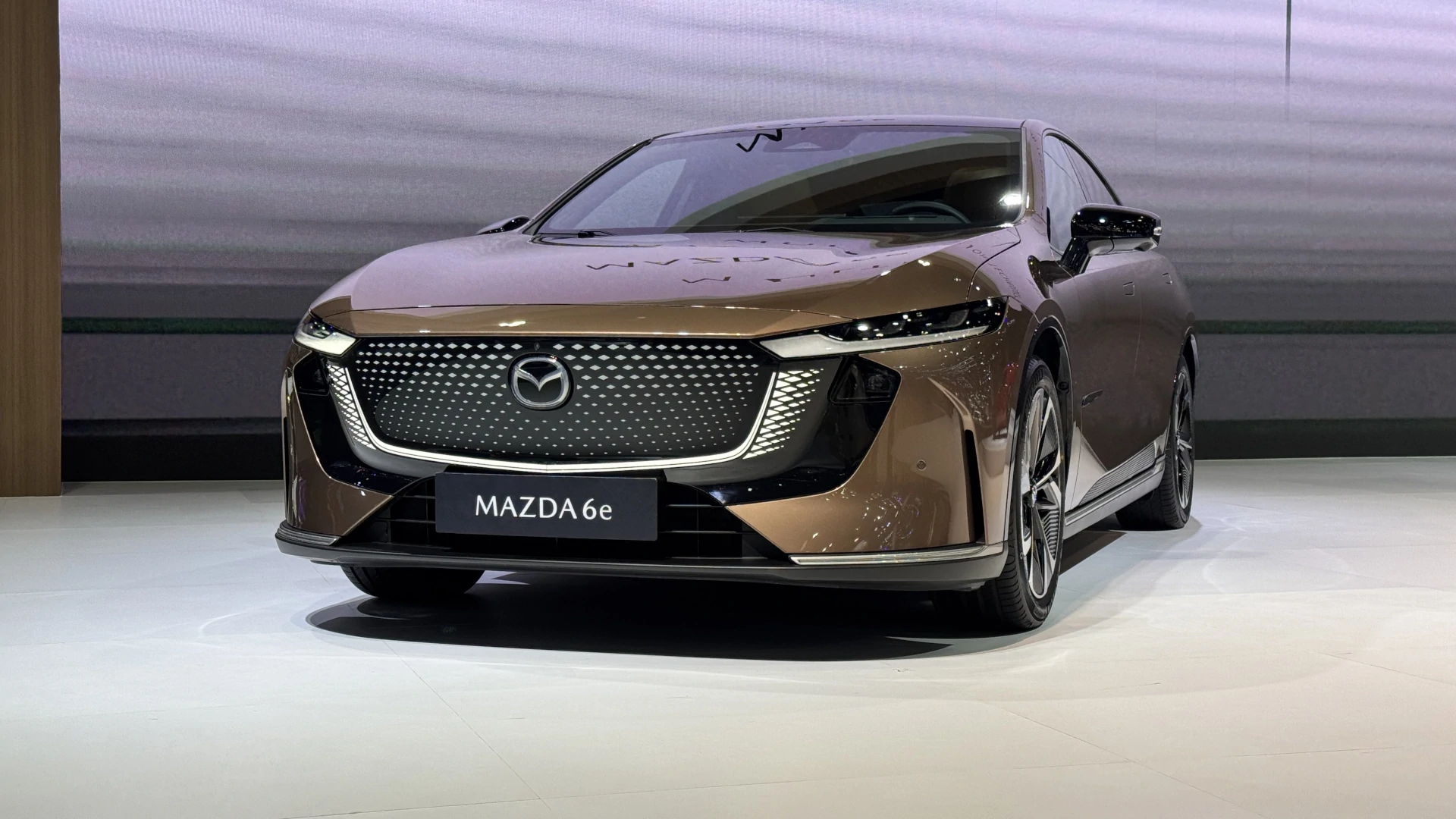
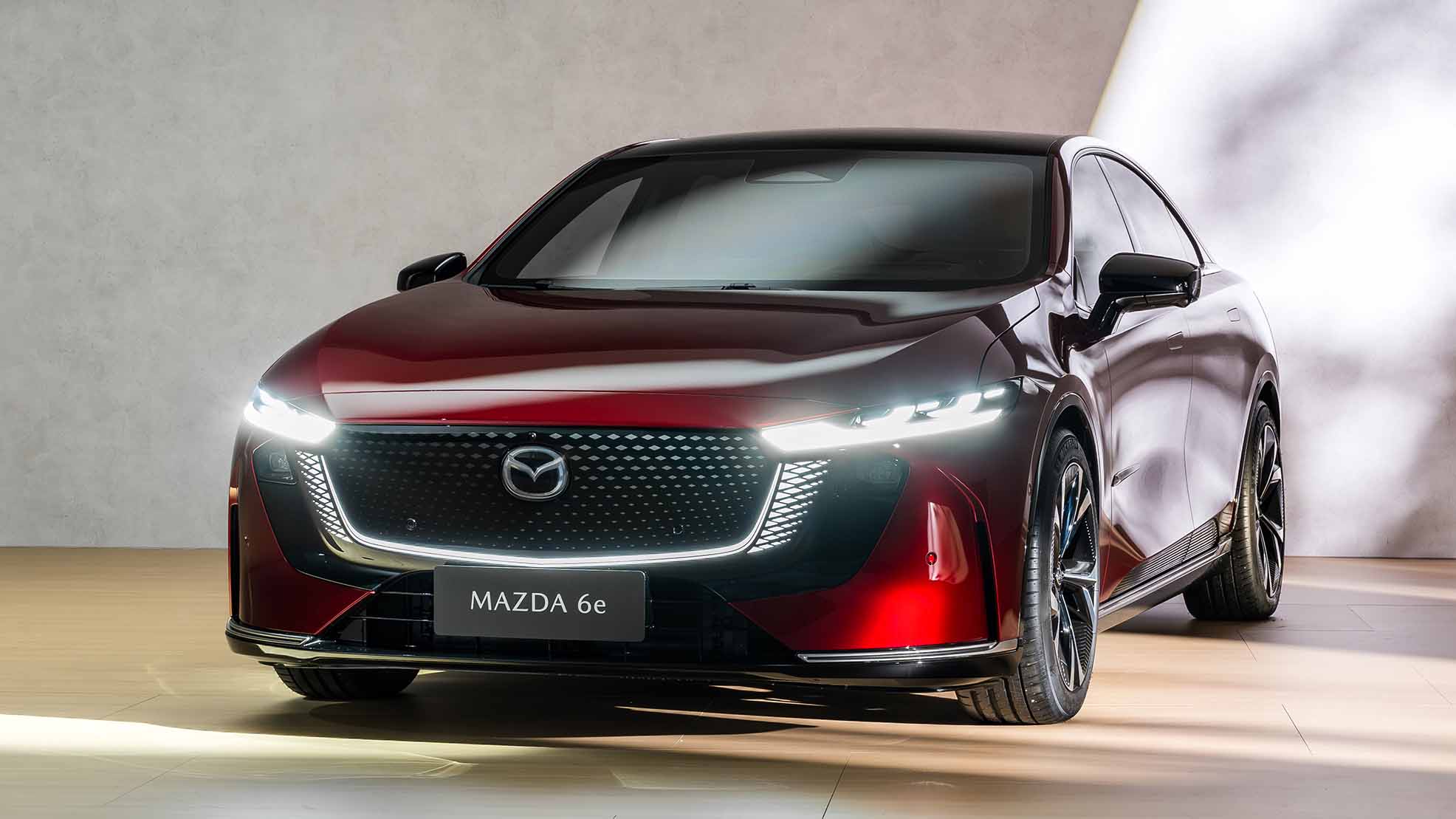
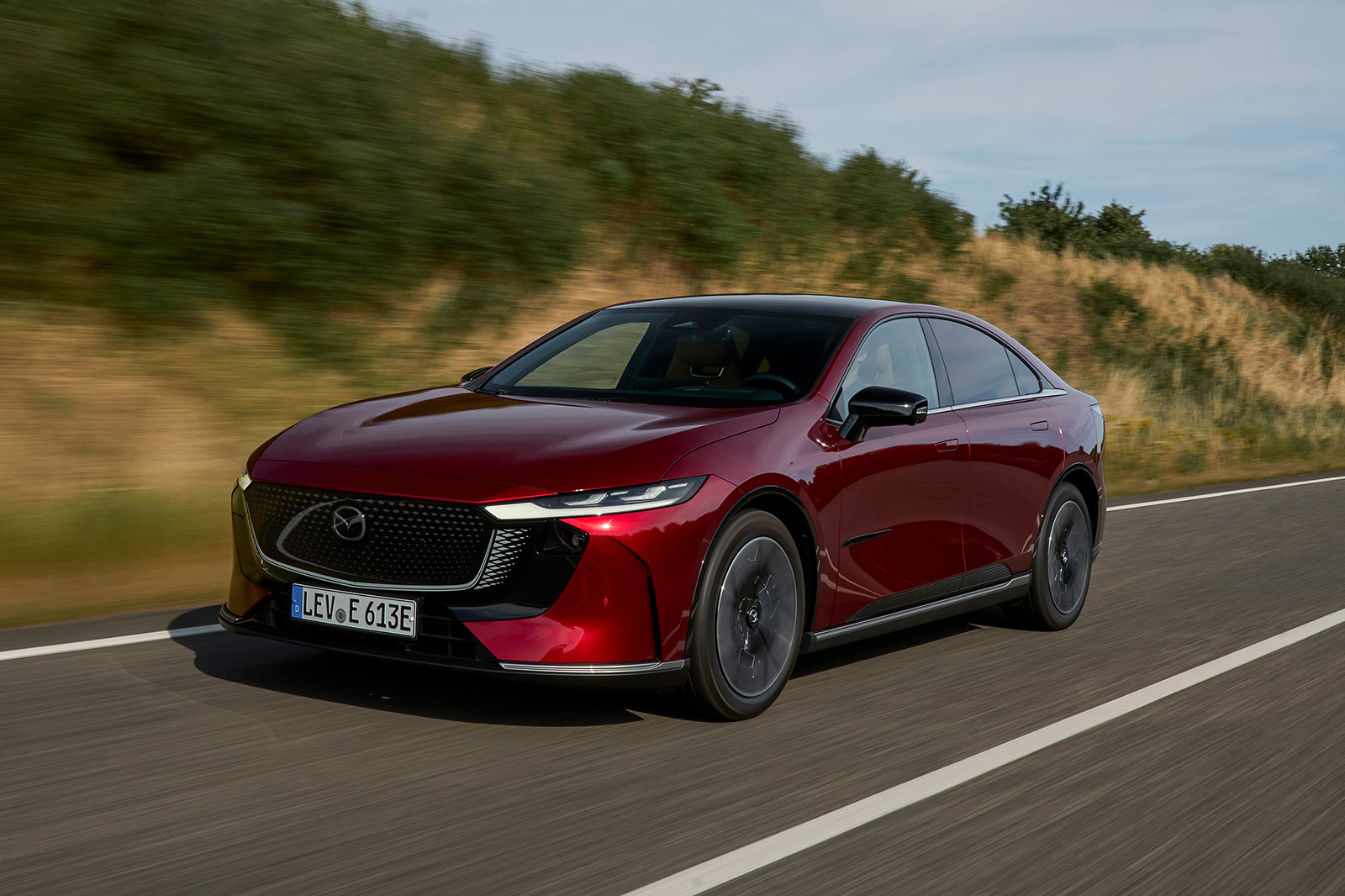
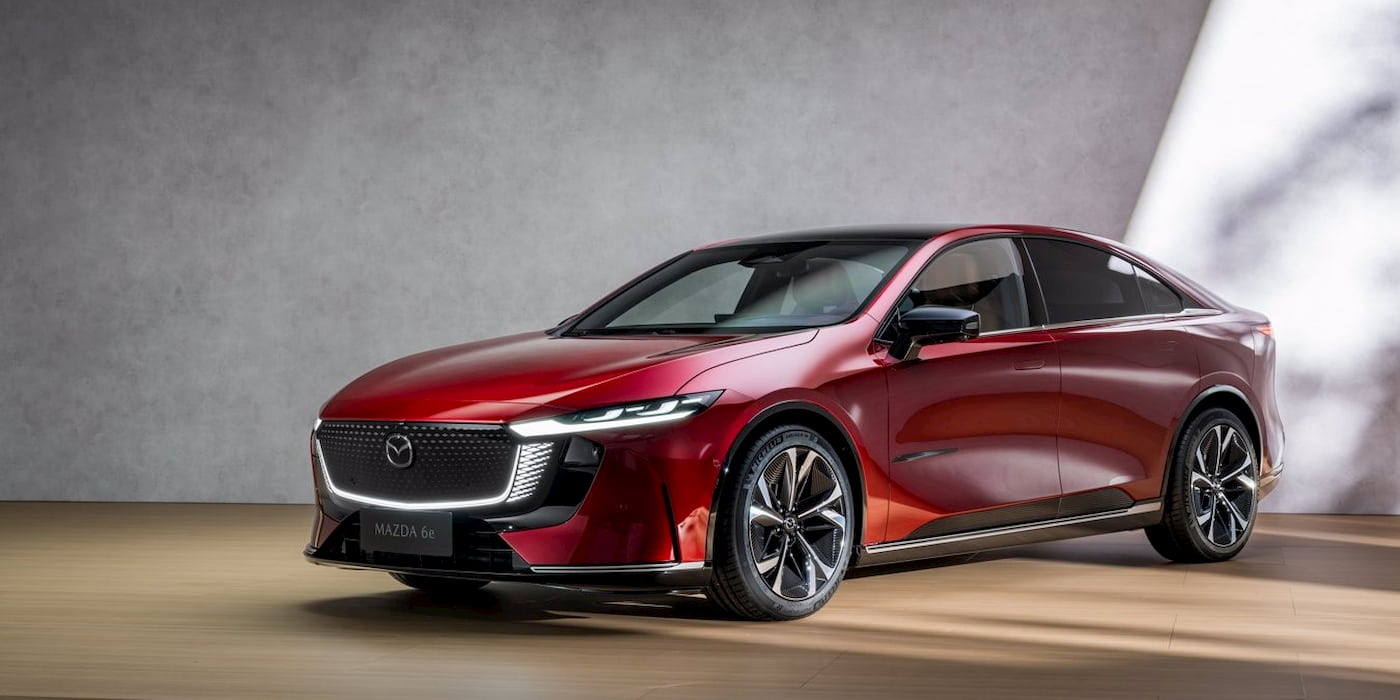
Mazda has never been a brand that shouts. Even at its most exuberant—the screaming rotary, the Le Mans-winning 787B, the current MX-5 Miata—it operates with a kind of artistic restraint, a belief that driving pleasure is a language spoken in weight transfer and steering feel, not horsepower bravado. That’s what makes the recent trademark filing for MX-6e across multiple countries so intriguing. This isn’t just legal housekeeping. It’s a strategic confession. After years of pivoting toward large crossovers and premium soft-roaders, Mazda is quietly telegraphing a return to the body style that once defined its soul: the sports sedan.
And the timing isn’t coincidental. The market is shifting beneath the industry’s feet, and Mazda, ever the contrarian, appears to have read the tea leaves early. A sports sedan revival, led by a nameplate that evokes the beloved MX-6 coupe of the 1990s, would be a masterstroke of heritage and forward momentum.
The Sedan Is Crawling Back, and Mazda Knows It
Sales data from Toyota, Mazda, and Hyundai all point in the same direction—sedans are clawing their way back into fashion, buoyed by buyers weary of inflated rooflines and vague steering. The SUV boom made fortunes, but it also flattened the emotional landscape of the road. People are beginning to remember what they gave up: lower centers of gravity, sharper responses, and the simple dignity of a car that doesn’t feel like a bus.
Mazda has watched this shift with patience. While rivals doubled down on three-row everything, Mazda kept refining its chassis tuning, its steering calibration, and its obsession with *jinba ittai*—the sense of unity between car and driver. The MX-6e filing suggests that patience is about to pay off.
Let’s be clear about what the MX-6e isn’t. It isn’t a retro-fetishist’s dream, a re-bodied Miata with a metal roof and delusions of grandeur. The “e” suffix is the giveaway—this is an electrified proposition. Mazda has been methodical, almost maddeningly so, in its rollout of battery technology, preferring hybrid complexity and rotary range-extenders over the blunt instrument of a full EV platform. The MX-6e, if it materializes, would slot into a niche currently starving for attention: the affordable, engaging, electrified four-door.
Think of it as the spiritual successor to the Mazda6—a car always praised for its chassis but never fully rewarded by buyers—now infused with the instant torque and low center of gravity that electric motors make possible. That combination could be devastatingly effective.
The Miata Philosophy, In a Four-Door Envelope
There is an irony in Mazda’s current position. While the brand’s sales are reportedly rising in 2026, much of that growth is attributed to affordability and the steady, competent appeal of models like the CX-50 and the refreshed CX-5. These are excellent vehicles, but they are not the ones that make enthusiasts’ hearts race.
The MX-5 Miata remains a benchmark—a tiny, pure distillation of joy that makes other sports cars look bloated. Yet it is also a two-seat roadster, a niche within a niche. Mazda has long needed a car that carries the Miata’s philosophy into a more practical, everyday envelope. The MX-6e is that opportunity.
Consider the historical precedent. The original MX-6 was a front-wheel-drive coupe, a cousin to the Ford Probe, often overlooked in favor of the more flamboyant RX-7. But it was beloved for its balance, its clean lines, and its willingness to dance. A modern interpretation—especially one that embraces a sleek sedan silhouette over a traditional coupe roofline—could capture that same underdog spirit.
In a market where the Toyota GR Corolla and Honda Civic Type R dominate the affordable performance conversation, Mazda has the chance to offer something different: not a hot hatch, but a low-slung, elegant, four-door grand tourer with an electric heart. It’s a differentiation that could resonate deeply with buyers who value composure over aggression.
A Calculated Bet, Not a Certainty
Of course, Mazda has made mistakes before. The recent struggles with its large SUVs, particularly the CX-90, have revealed a brand stretched thin, trying to be everything to everyone. The trademark filing alone guarantees nothing; automakers protect names for any number of reasons, and the road from trademark to showroom is littered with abandoned projects.
But the strategic logic is undeniable. Mazda cannot out-SUV the likes of Toyota or Honda, nor should it try. Its identity has always been rooted in the joy of driving, and the sedan—not the crossover—remains the purest expression of that ethos.
The MX-6e is not a car yet. It is a promise, a whisper, a calculated bet on a future where the sports sedan returns not as a relic but as a revolution. For those who have watched Mazda navigate the crossover era with competence but not passion, the filing is a reminder that the brand has not forgotten its roots.
The Miata will always be the beating heart. But the MX-6e could be the limbs—the car that carries Mazda’s driving philosophy into a new generation and a new powertrain era. It’s a car worth waiting for, a reason to believe that the quiet ones are still dreaming the loudest dreams.