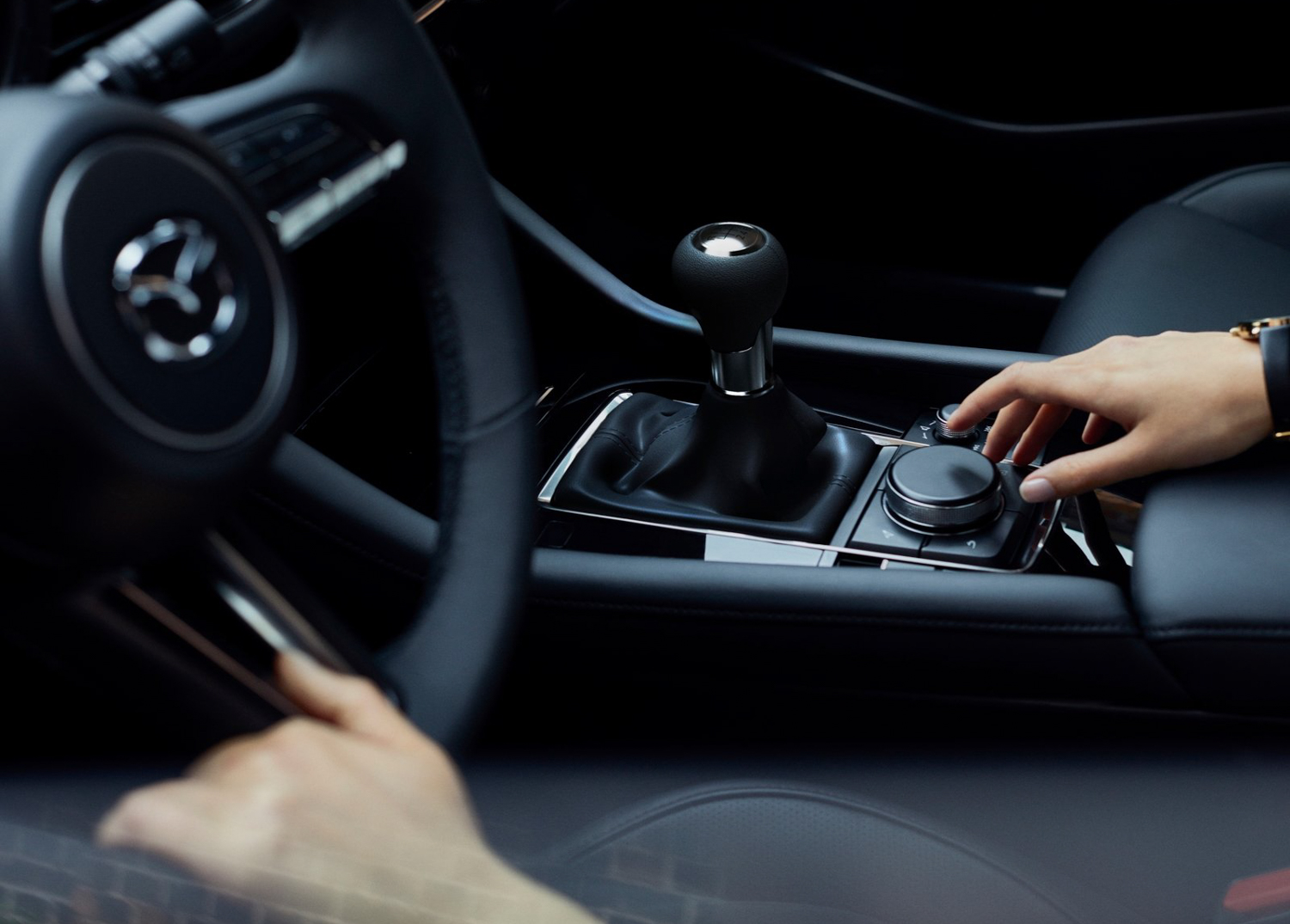
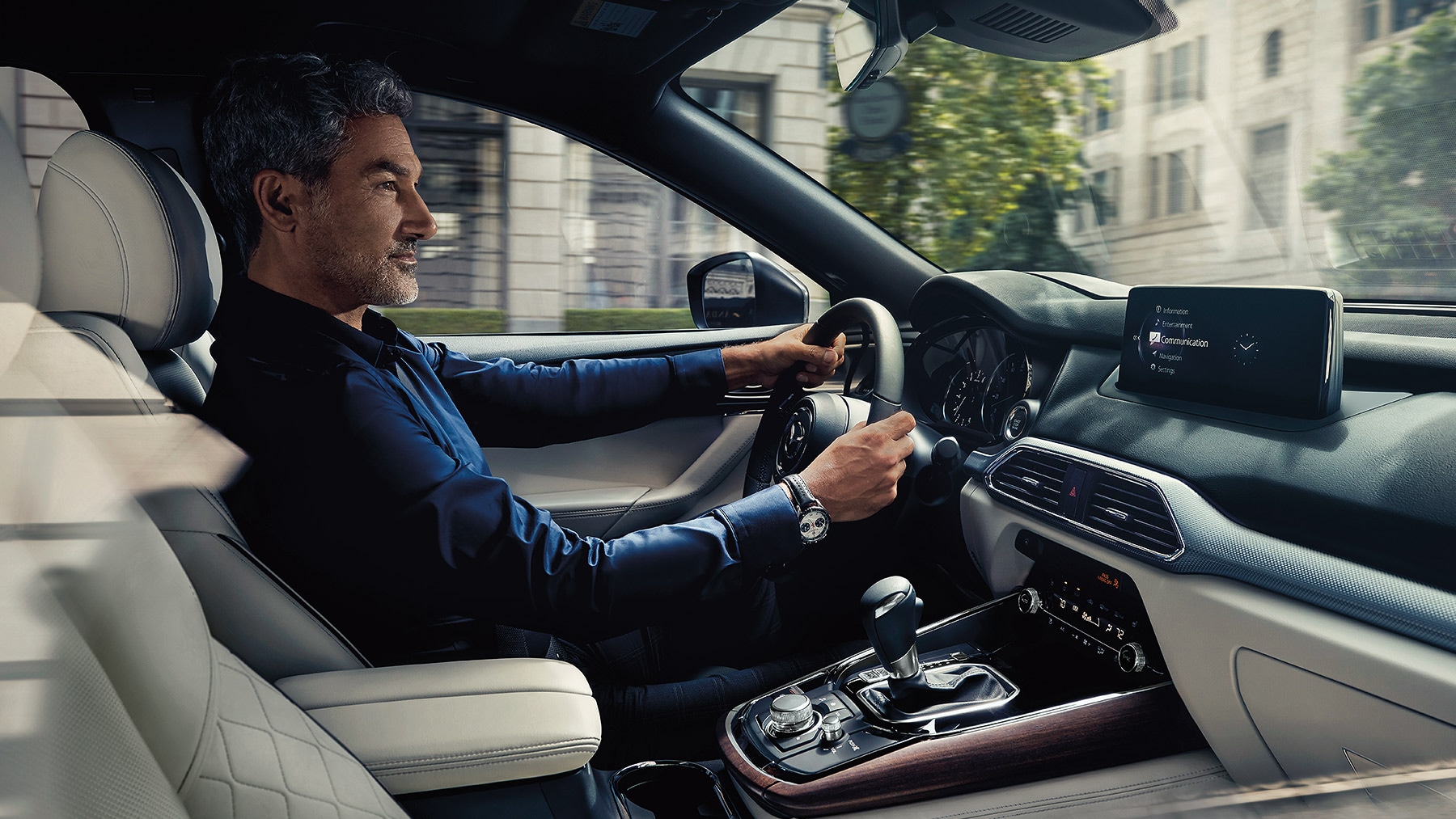
The automotive industry has spent the better part of two decades reading the last rites over the manual transmission. Dual-clutch gearboxes shift faster, CVTs sip fuel more frugally, and the march toward electrification has rendered the clutch pedal an anachronism—a curiosity for the sentimental, a liability for the pragmatic. And yet, walk into a Mazda showroom today and you will find, tucked beneath the sleek sheetmetal of the Mazda 3, a six-speed manual gearbox still very much alive and available to anyone who asks for it. This is not a marketing gimmick or a nostalgia play. It is a deliberate statement about what the sedan has become: no longer a volume commodity, but a niche reserved for those who still care how a car feels.
Consider the broader context. Mazda's recent headlines have been dominated by the SUV offensive—the 2027 CX-5 arriving with Google Gemini integration and a starting price held steady at $31,485, the CX-90 earning praise for making a three-row family hauler genuinely entertaining to drive, and confirmation of a hybrid inline-six powertrain that promises to shame every four-cylinder hybrid on the market. These are the products that pay the bills, and Mazda is executing on them with characteristic engineering ambition. But the sedan, the humble three-box shape that once defined the family car, has been quietly abandoned by nearly every rival. Honda still offers a Civic sedan, Toyota a Corolla, but the manual option has withered to near-nothing across the segment. The Mazda 3 stands as the last stick-shift economy car in America—a fact that The Autopian recently celebrated, and rightly so.
The Shifter That Makes the Case
What makes this significant is not merely the existence of the manual, but its quality. The Mazda 3's shifter is a precise, mechanical delight—short throws, a positive gate, a clutch that communicates rather than obscures. It feels, as reviewers have noted, ridiculously nice. That phrase matters. It suggests that Mazda did not simply leave the manual in the catalogue as an afterthought; it engineered the car around the assumption that someone, somewhere, would still want to row their own gears. In an era when the manual is often a de-contented loss leader, the Mazda 3 treats it as a legitimate expression of the brand's driving ethos.
A Sedan for the Believers
This is the enthusiast-only future of the sedan made manifest. The Mazda 3 is not chasing volume with its manual variant; it is cultivating a constituency. The buyers who choose the stick are the same ones who appreciate the MX-5 Miata's enduring purity, who understand why a naturally aspirated engine with a linear power delivery can be more satisfying than a turbocharged one with a torque plateau. They are the people who read about the 1992 Miata that looked like nothing else on the road and felt a pang of recognition. Mazda knows these customers exist, and it knows they are not enough to sustain a mass-market sedan program on their own. But they are enough to justify keeping the flame alive.
Liberation by Retreat
The irony is that the sedan's retreat from volume has liberated it. When you no longer need to sell 300,000 units a year to justify a model's existence, you can build it for the people who actually love it. The Mazda 3 with a manual is not a compromise; it is a specialization. It exists because Mazda's engineers believe that driving pleasure is not a luxury good, but a core value—and because a small, devoted audience agrees.
The brand's SUV lineup may be where the profits reside, but the Mazda 3 stick shift is where the soul resides. In a market that increasingly treats the car as an appliance, that distinction is worth preserving—and it is the clearest window into what Mazda has always believed: that the machine and the driver should speak the same language.