Volkswagen has spent the past several years quietly dismantling its sedan lineup in the United States. The Jetta now stands as the lone survivor of what was once a comprehensive family of four-door models. The Passat is gone. The Arteon is gone. And the company's public messaging has made clear that the future belongs to electric crossovers and whatever remains of its combustion portfolio.
It is, in its way, a rational decision. Sedans have been losing ground to SUVs for a decade, and the economics of building a low-volume, low-margin four-door in a market obsessed with ride height and cargo volume have grown increasingly difficult to justify. Yet the retreat raises an awkward question: if the sedan is truly dead, why does Mazda keep investing in it?
The Middle Path Nobody Else Wants to Take
The answer lies in a strategy that Toyota, Subaru, and Mazda have quietly pursued while much of the industry races toward full electrification. The three Japanese automakers have jointly developed a new generation of hybrid-era combustion engines — compact, efficient, and designed to work in tandem with electrified drivetrains rather than be replaced by them.
This is not a stopgap measure born of desperation. It is a calculated bet that the internal combustion engine, when paired with sophisticated hybrid systems, will remain viable and desirable for years longer than the most aggressive electrification timelines suggest. Volkswagen, by contrast, has largely abandoned this middle path in favour of a binary choice between pure combustion and pure electric, leaving a gap in its lineup that Mazda is only too happy to fill.
The Sedan That Refuses to Die
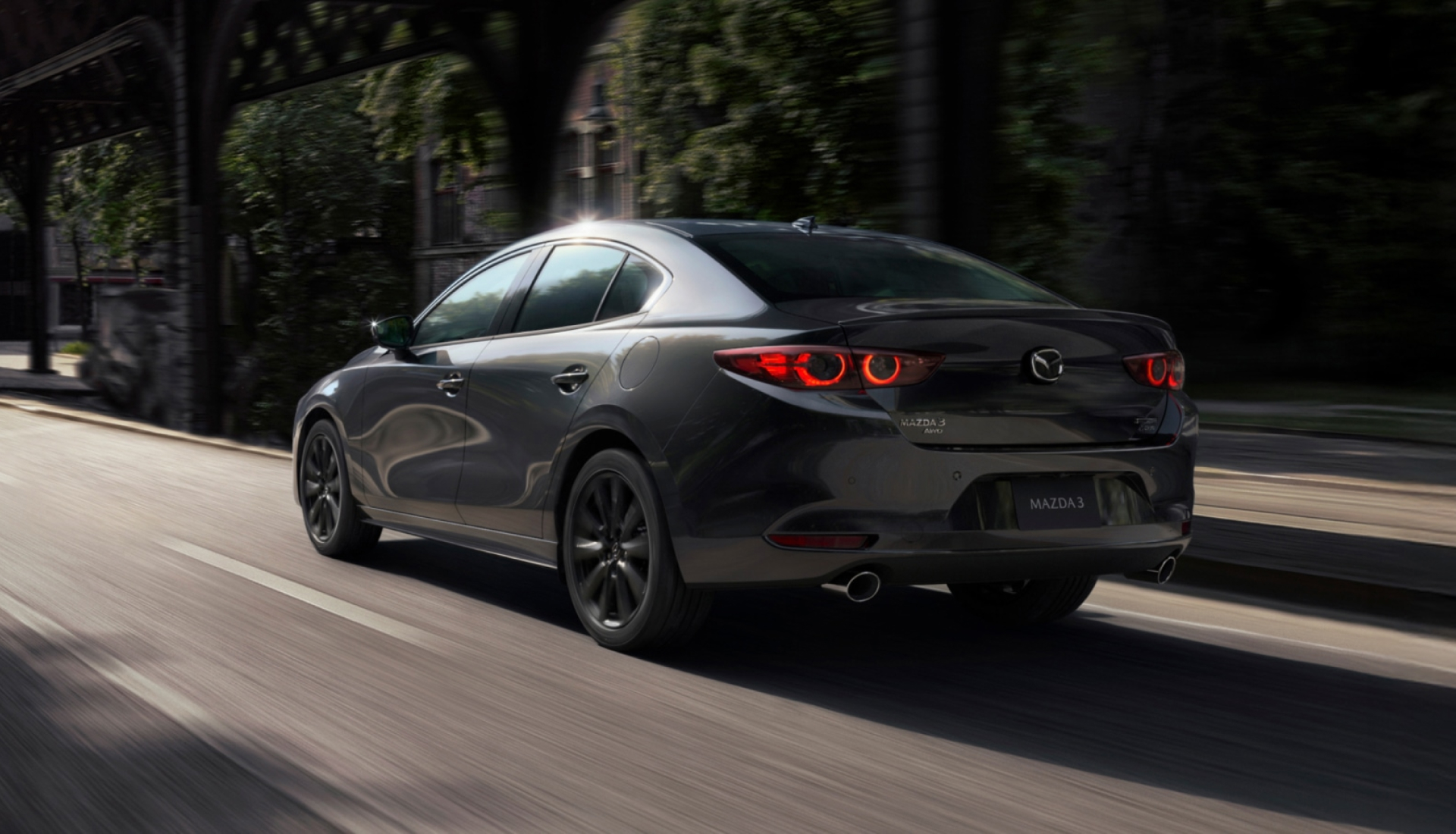
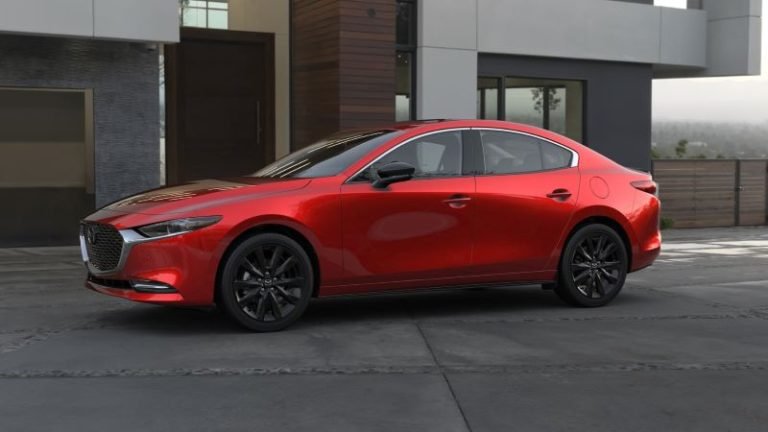
That gap matters most in the sedan segment, where Mazda's Mazda3 continues to soldier on with a level of engineering ambition that its price point hardly demands. The 2027 Mazda3 is expected to benefit from the company's evolving hybrid combustion technology, offering buyers a four-door that delivers genuine driving engagement alongside meaningful fuel efficiency — a combination that has become vanishingly rare as competitors either go fully electric or abandon the segment altogether.
Mazda's decision to keep the Mazda3 in production, and to keep improving it, is not nostalgia. It is a recognition that a significant portion of the buying public still wants a car that sits low, corners well, and does not require a charging infrastructure to be practical. In an era of bloated crossovers and one-pedal driving modes, that is a radical position. It is also, apparently, a commercially viable one.
Engineering Character as Competitive Advantage
This philosophy extends beyond the sedan. The CX-5, Mazda's perennial bestseller, has been deliberately kept on its own developmental path rather than being forced onto the Toyota RAV4 platform, a decision the company has taken pains to explain. The reasoning is straightforward: platform sharing would dilute the distinctive driving character that Mazda believes is its core competitive advantage.
The same logic applies to the MX-5 Miata, which remains the purest expression of the brand's engineering ethos. Even the news that a new green paint option for the MX-5 almost failed to make production speaks to a company that sweats details its rivals no longer consider worth sweating. In a industry increasingly defined by shared platforms and cost-cutting, Mazda's stubbornness reads less like stubbornness and more like conviction.
A Multi-Front Offensive
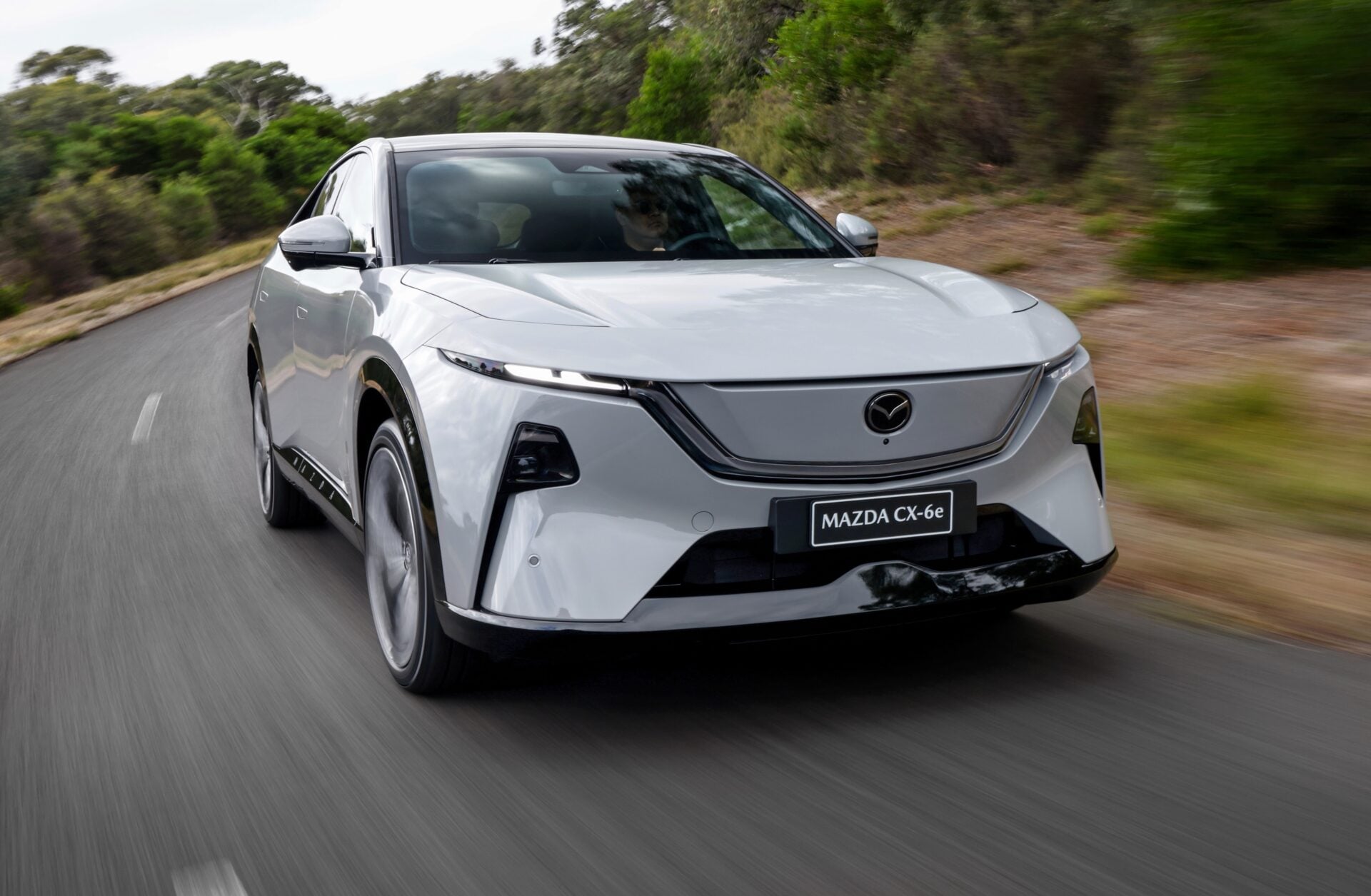
The broader product offensive is equally telling. Mazda is developing a new midsize pickup, confirming a new BT-50, and expanding its electric lineup in China with the CX-6e and EZ-60, both of which now feature LiDAR-equipped smart driving systems.
These are not the moves of a company in retreat. They are the moves of a company that has decided it can compete on multiple fronts simultaneously — combustion, hybrid, and electric — rather than betting everything on a single technological outcome. While Volkswagen consolidates around electric crossovers and lets its sedan heritage fade, Mazda is hedging, investing, and hedging some more. It is a strategy that carries real risk. It is also the only strategy that keeps the low-slung, driver-focused four-door alive.
Volkswagen's decision to walk away from the sedan is understandable. Mazda's decision to stay, armed with hybrid combustion engines that its rivals refuse to build, may prove to be the more interesting bet. Because Mazda's automotive philosophy has never been about following the market. It has been about building cars that reward the person behind the wheel — and trusting that enough buyers still care about the difference.