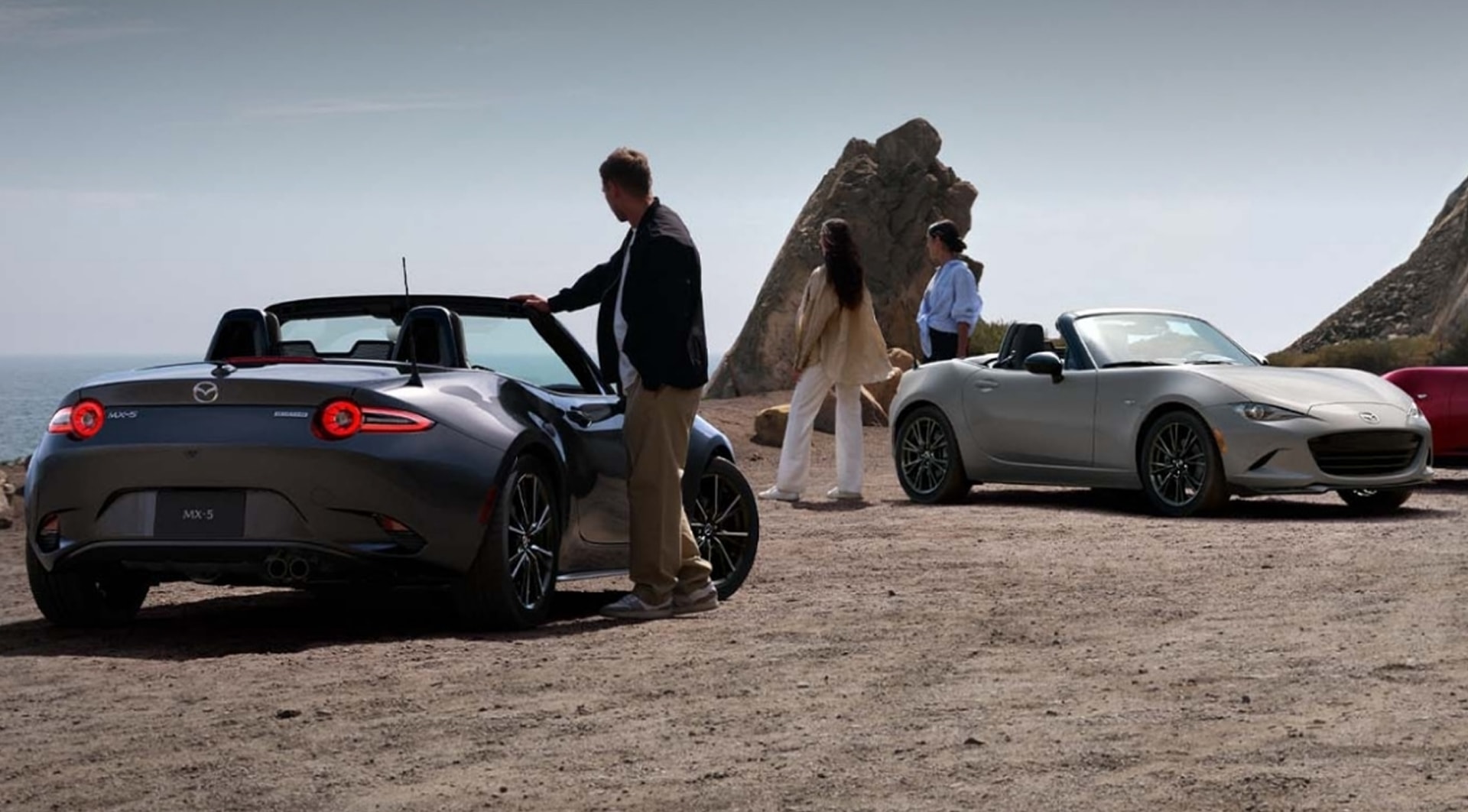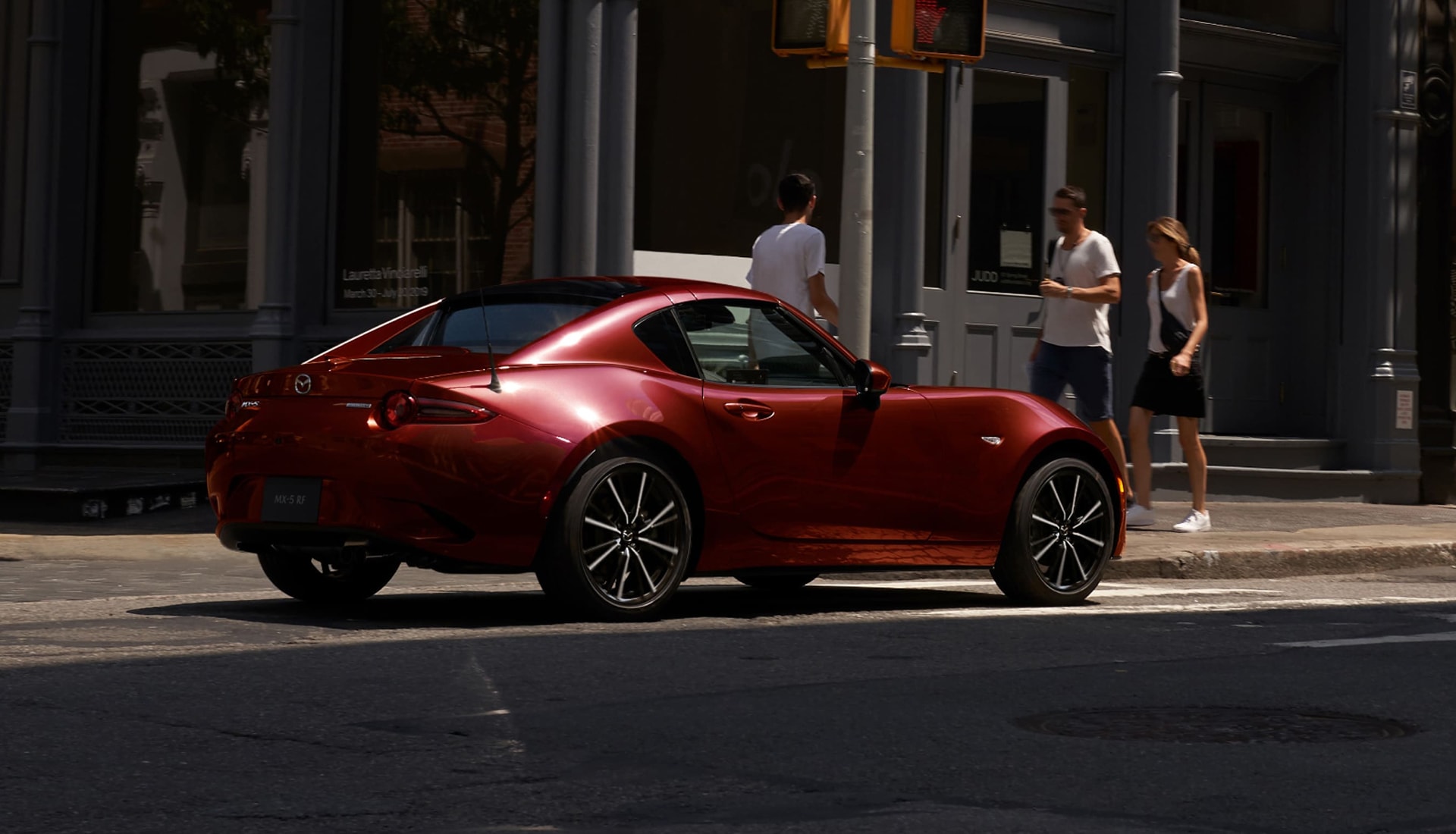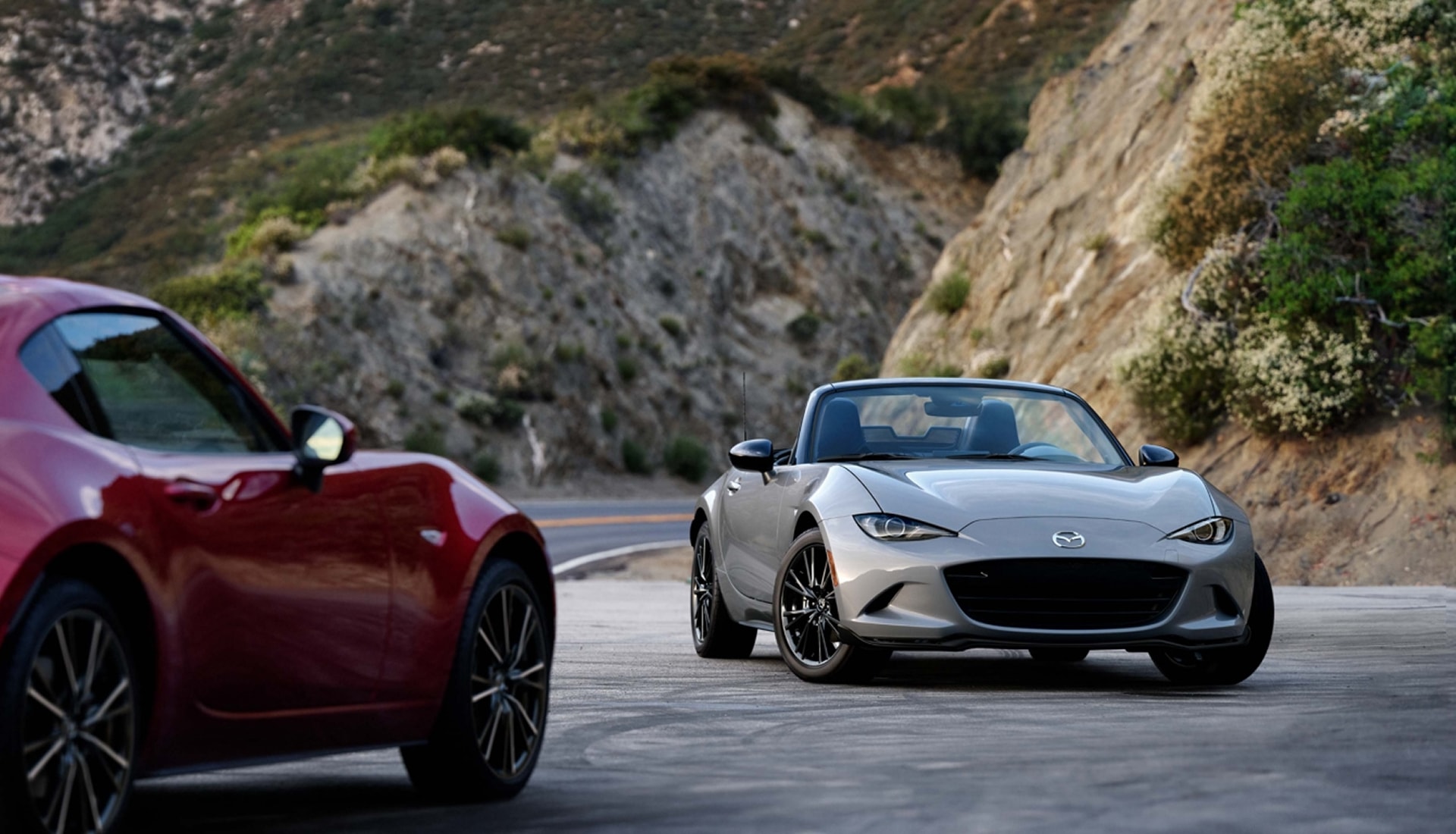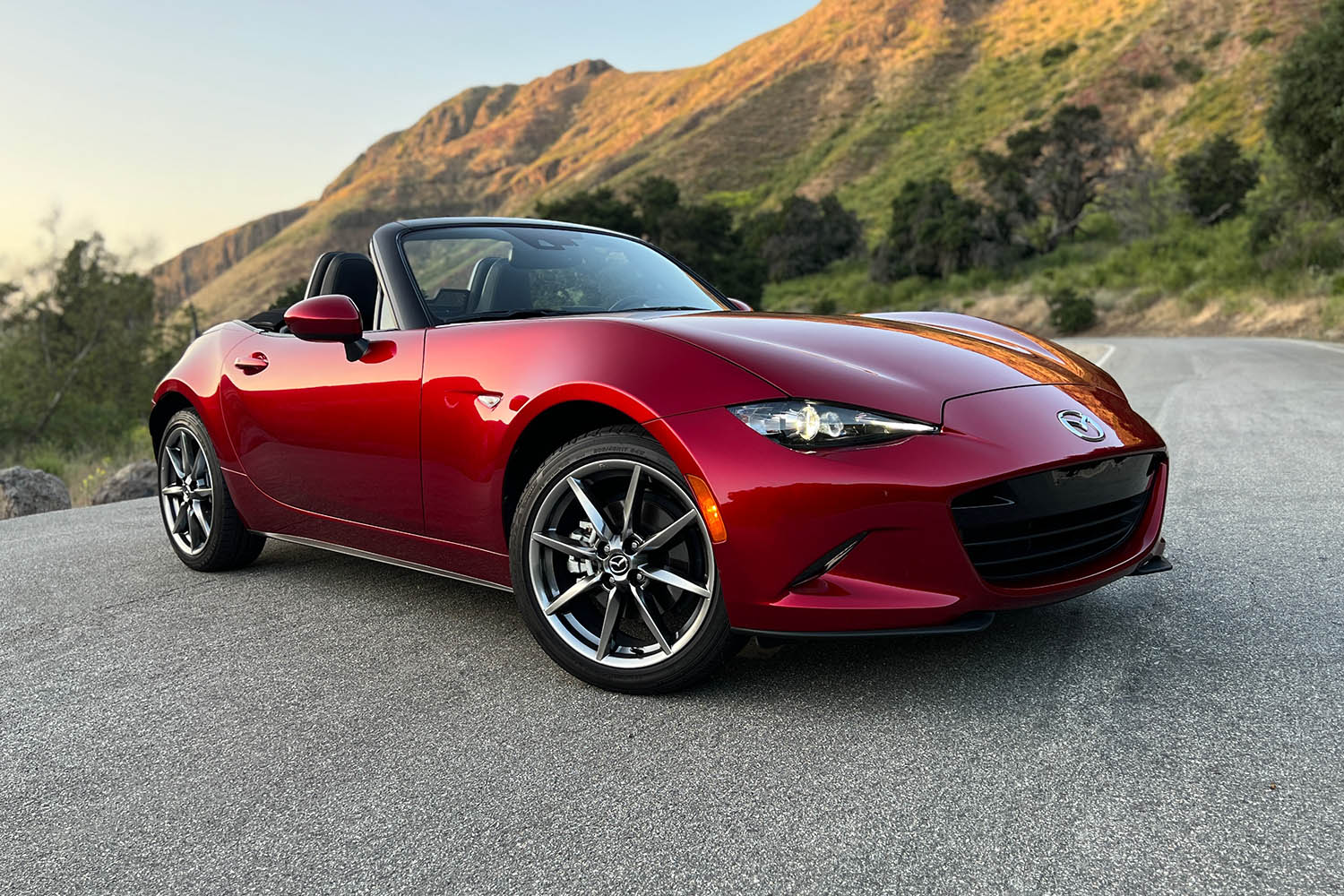
The MX-5 Miata just did something no one predicted: it didn't merely survive the sports car purge — it dominated. CarBuzz reports the Miata absolutely stomped the Subaru BRZ and Toyota GR86 as Mazda set a new sales record, an extraordinary result for a two-seat convertible in a market that supposedly abandoned fun. For a brand that has spent a decade proving it can build desirable cars, this is vindication.
It's also a red herring. Because the Miata, for all its cultural weight, is the least consequential product in Mazda's lineup — and it cannot underwrite the one thing the company keeps failing to sustain: a competitive four-door sedan.
The Numbers Behind the Headlines
Look past the Miata's triumph and the picture sharpens. Mazda recently reported best-ever September sales results, but the growth is almost entirely SUV-driven. The CX-5 remains the volume king, with USA Today praising the 2026 model for delivering a premium feel without the premium price, and Autoblog noting its reliability exceeds expectations. The CX-90 has given Mazda a credible three-row flagship — Forbes calls it a model for what to do with three rows. And the CX-6e arrives with genuinely novel tech, even if Road & Track's framing (a car that can swear at other drivers) captures the gimmickry of the moment, while InsideEVs cautions it's hard to take on a road trip.
Everywhere you look, Mazda's future is tall, boxy, and profitable.
Sedans are none of those things. The Mazda6 was discontinued after the 2021 model year, and the brand has shown no serious appetite to replace it in the United States. This isn't an engineering deficit. Mazda is still developing a hybrid sports car expected to use a triangle engine — the rotary, revived once more, as Motor1 confirms Mazda isn't ready to give up on it. A new Supra rival is rumored, one that HotCars warns could infuriate RX-7 loyalists. Mazda can clearly still build a compelling chassis and a soulful powertrain. What it cannot do is justify the business case for a mid-size sedan when every dollar of capital is better spent on crossovers.
The Paradox of Passion
Here's the bind. The Miata generates outsized cultural capital — it's the car that makes people love Mazda, the entry point to the brand's identity, the reason a 19,000-mile 1995 RX-7 Twin Turbo still commands collector attention. Enthusiast goodwill is real, and the Miata's record sales prove it converts into transactions.
But a roadster selling in the tens of thousands annually, at modest margins, cannot fund the platform development, marketing, and dealer support required to launch and sustain a four-door sedan against the Toyota Camry, Honda Accord, and Hyundai Sonata. The Miata sells on passion. Sedans sell on volume and fleet economics. Mazda has passion in abundance and volume in the wrong segments.
Where the Company's Head Is
Mazda's own initiatives reveal the priorities. The company wants to give older vehicle owners a monthly payment for maintenance — a retention play, not an acquisition one. It's investing in electrification and software, as the CX-6e demonstrates, and in SUVs that carry premium pricing.
The sedan, meanwhile, sits in a no-man's-land: too niche to be a volume play, too conventional to be a halo car. The Miata is a halo car. The CX-90 is a profit center. A sedan would be neither.
The Structural Gap
So Mazda faces a gap it may never close. The Miata will keep outselling its sports car rivals and keep winning hearts, but it will never be the financial engine that makes a four-door viable. The brand's future is crossovers, electrification, and the occasional rotary-flavored passion project. The sedan is the casualty of that arithmetic — mourned by enthusiasts, understood by accountants, and unlikely to return in any form Mazda loyalists would recognize.