For thirty years, the American reflex for longevity has pointed at one badge: Honda. Nissan earned its own rugged reputation in trucks and workhorse sedans. But the long-haul data now tells a different story. When the odometer rolls past 250,000 miles, it is Mazda — not Honda, not Nissan — that most consistently keeps its composure. The Yahoo Autos comparison that lined up Honda vs. Mazda vs. Nissan at 250,000 miles didn't hedge its conclusion, and anyone who has spent time under the hood of all three knows exactly why.
The foundation of Mazda's durability advantage is philosophical as much as mechanical. Mazda builds engines with an engineer's stubbornness rather than an accountant's restraint. Its SkyActiv-G and SkyActiv-D powertrains favor high compression ratios, precise thermal management, and robust internal components over the fragile cost-cutting that plagues so many modern turbocharged four-cylinders. Where competitors chase peak horsepower figures and then de-tune for reliability, Mazda engineers from a baseline of longevity and extracts efficiency from there. The result is an engine family that ages gracefully — timing chains that hold tension, transmissions that don't hunt, and cooling systems that tolerate neglect better than they should.
Honda's Legend Is Aging
Honda's reputation, earned honestly in the 1990s, has drifted. The brand's move to turbocharged 1.5-liter and 2.0-liter engines across its core lineup introduced oil dilution concerns, and its CVT transmissions have become a known weak point past the 150,000-mile mark. That's not a knock on the engineering talent at Honda — it's a knock on the compromises that scale and cost targets demand. The badge that once defined the high-mileage commuter now asks its owners for more patience than it once did.
Nissan's CVT Problem
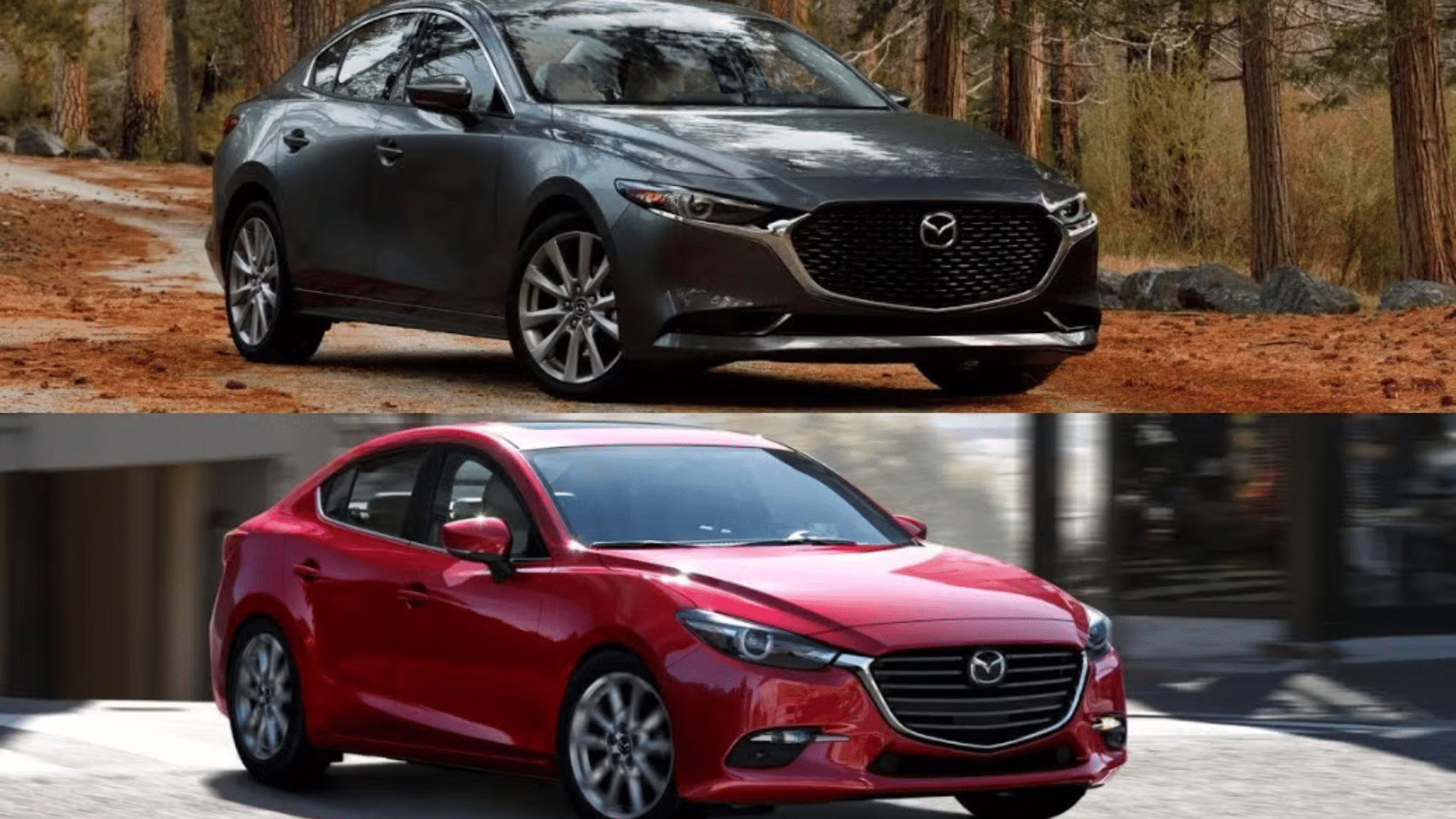
Nissan's situation is starker still. The company's heavy reliance on Jatco CVTs — particularly in the Altima, Rogue, and Sentra — has produced a well-documented pattern of premature failure, with many units requiring replacement well before 200,000 miles. Nissan's V6 trucks remain stout, but the volume models that carry the badge's reputation simply don't hold up the way a Mazda3 or CX-5 does. That's the cruel arithmetic of a mass-market lineup: the trucks earn the legend, the sedans pay for it.
Small Scale, High Standards
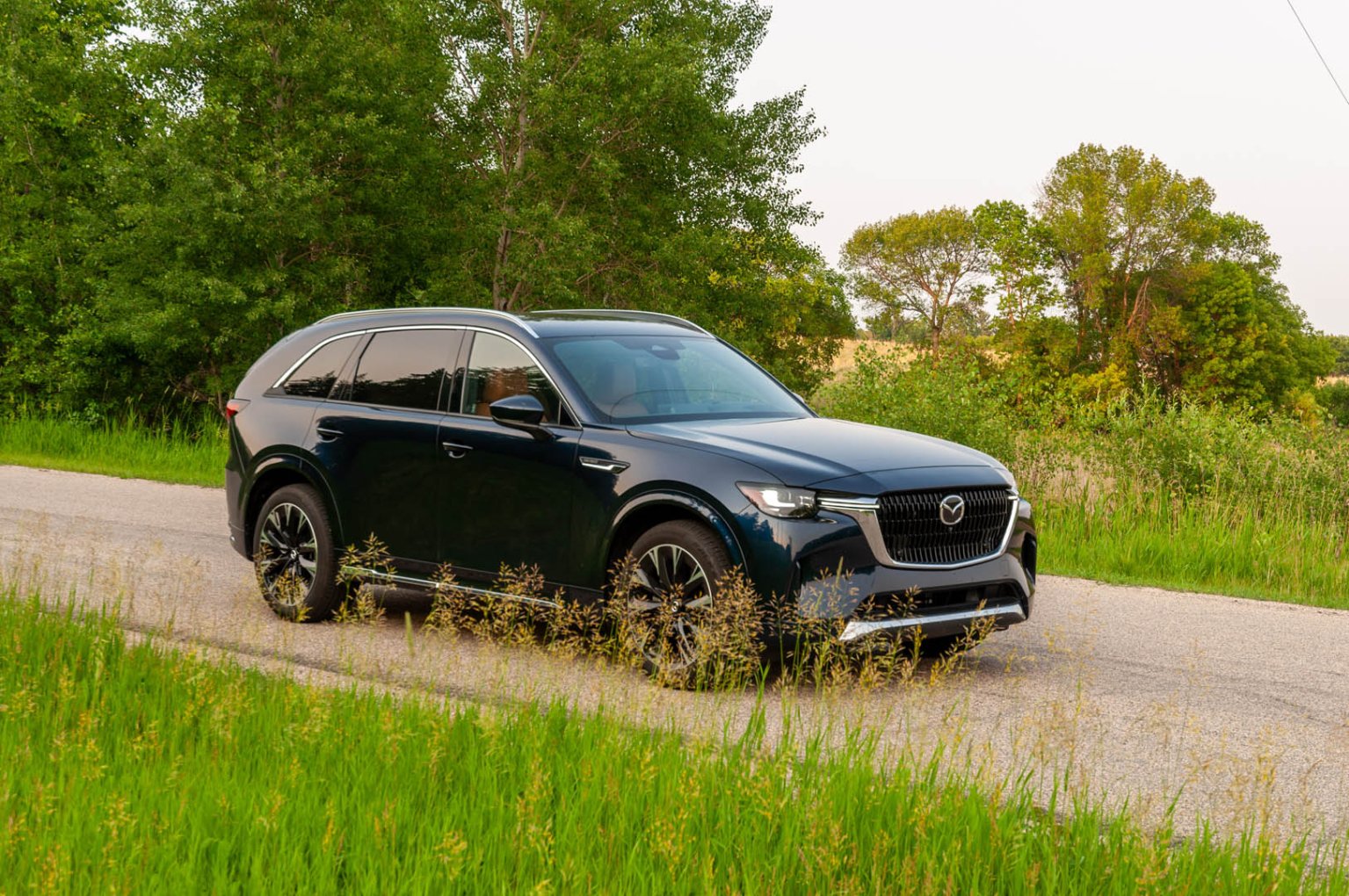
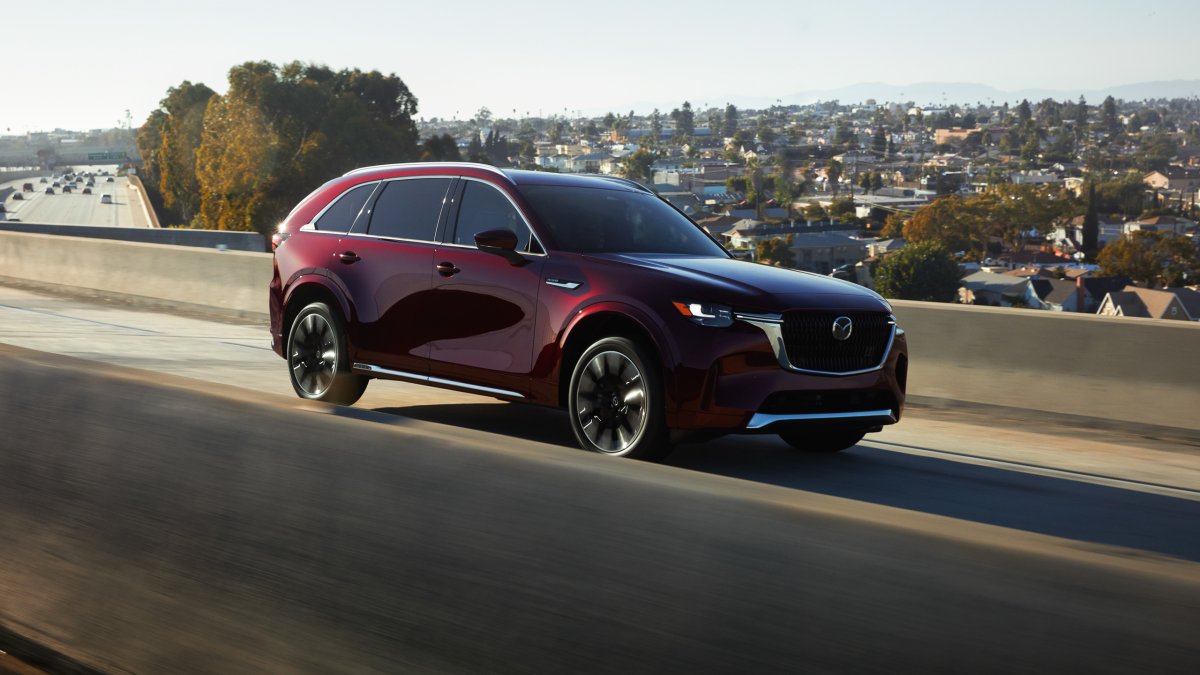
What makes Mazda's case more remarkable is that it achieves this without the scale advantages of its rivals. Mazda is a fraction of Honda's size and lacks Nissan's global manufacturing footprint, yet it consistently ranks near the top of Consumer Reports reliability and safety surveys — a fact that dealerships like Jake Sweeney Mazda have been quick to amplify. That recognition isn't marketing spin; it reflects a company that has refused to dilute its engineering standards even as it chased mainstream volume with the CX-70 and CX-90 SUVs. Even those newer, more complex plug-in hybrids have drawn praise as overlooked values in the used market, a sign that Mazda's build quality travels across platforms.
Durability as a Point of Pride
There's a cultural dimension to this durability story, too. The Mazda MX-5 Miata — now in its fourth decade — has become a favorite of young drivers precisely because 30-year-old examples still run, still pass inspection, and still deliver the purity of a front-engine, rear-drive roadster. The Whelen Mazda MX-5 Cup series continues to showcase the platform's resilience at venues like Indianapolis Motor Speedway, where spec racers endure abuse that would destroy lesser machines. That motorsport durability isn't incidental; it reflects the same engineering discipline that lets a CX-5 cross a quarter-million miles with nothing more than routine maintenance. Even the brand's rotary experiments, celebrated in builds like a half-scale rotary-powered RX-7 drift kart, underscore a company that treats mechanical durability as a point of pride rather than a cost center.
None of this means Mazda is flawless. The brand has quietly raised 2026 Miata prices, and some dealership practices — the kind that send buyers walking — remain a legitimate frustration. But those are commercial missteps, not engineering failures. When the question is which badge you'd trust to carry you past 250,000 miles with dignity intact, the answer has quietly shifted. Honda's legend is aging. Nissan's CVTs are aging faster. Mazda, the smallest of the three, is the one still standing when the others have been towed.