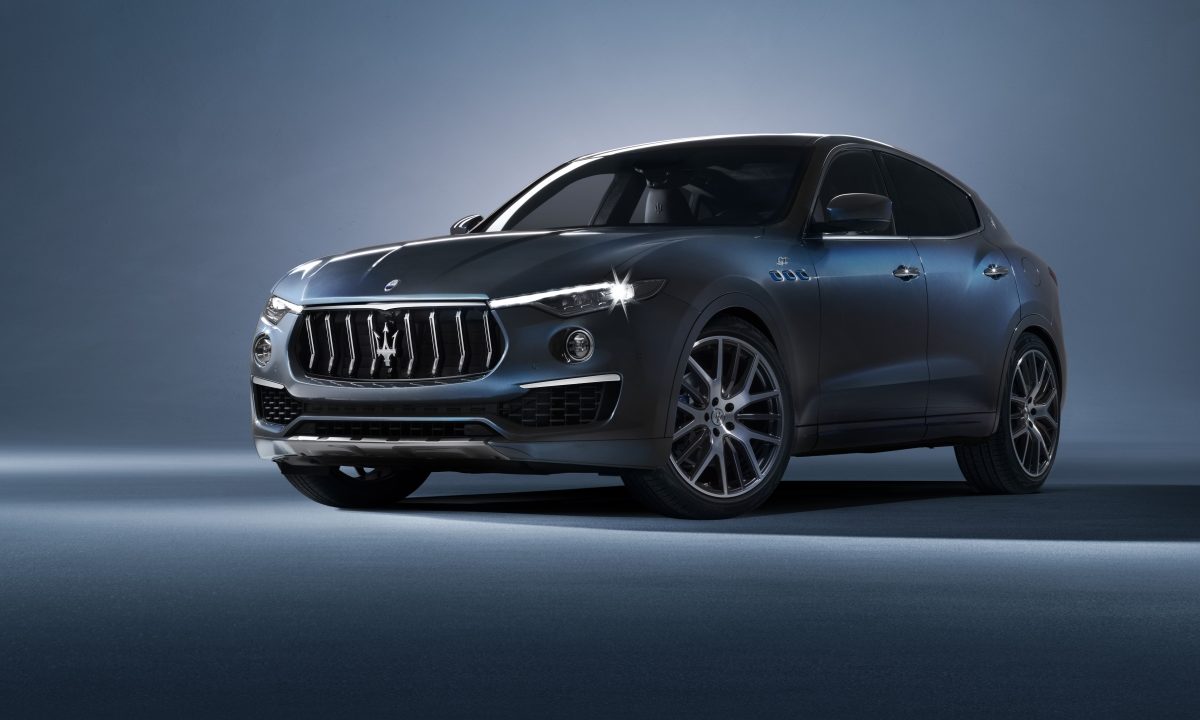
Somewhere in Modena, an engineer is quietly furious. Because this month, the most viral Maserati story in America has nothing to do with a V6, a chassis, or a line of stitching. It's about a Kick streamer named N3on handing a newly sober Delonte West the keys to a roughly $100,000 Maserati SUV and a stack of cash, live on camera, while West — a former NBA guard whose struggles with mental health and homelessness have been painfully public — nearly fainted from disbelief.
On its face, it's a genuinely affecting moment. A man gets a second act, and a car becomes the physical symbol of it. But zoom out, and the picture gets uncomfortable. When the most emotionally resonant Maserati narrative of the year is a livestreamed giveaway — the car functioning as a prop in someone else's content economy — the brand has a positioning problem that no amount of leather stitching can solve. Maserati has spent a century earning the right to be spoken of alongside Ferrari and Lamborghini. This month, it was spoken of alongside a viral clip.
The Trident as Prop
This is not a knock on Delonte West, whose recovery deserves every ounce of goodwill it receives. It's an observation about what happens when a marque's cultural footprint is determined by its owners rather than its engineers.
The same week that West's gift made headlines, a fake U.S. ambassador was reported to have leased a Maserati as part of a luxury spending spree before an FBI arrest. Elsewhere, the brand's name surfaced because an Italian actor known primarily for being extraordinarily handsome was welcomed into the "Maserati brothers" fold, and because a biopic — *Maserati: The Brothers* — is assembling a cast to dramatize the founding family itself. The company is, quite literally, being defined by stories about the people around its cars rather than the cars themselves.
The Product Story Nobody's Telling
Part of this is the gravitational pull of the moment. Maserati's actual product story is more interesting than the tabloid noise suggests. The Grecale Trofeo is a genuinely credible performance SUV, the GranTurismo Trofeo remains one of the most beautiful grand tourers on sale, and the new GranCabrio gives the marque a droptop flagship with real presence.
Ralph Gilles, Stellantis' design chief and one of the most respected car men alive, has hinted at a radical new direction for the brand — the kind of signal that should be generating enthusiast conversation for months. And Reuters reports that Stellantis is in talks with Huawei and JAC over a Maserati partnership, a move that could reshape the marque's electrification and China strategy in ways that matter far more than any single giveaway.
Marketing Against the Noise
Meanwhile, the brand's own marketing is trying to reclaim the narrative. Maserati's "Luxury, every day" campaign is an explicit attempt to move away from the exotic-weekend cliché and toward the idea that a Maserati is a daily companion — a thesis the GranTurismo Modena arguably proves, as one recent review framed it, as a gentleman's answer to a young man's world.
That is a coherent, dignified position. It is also the kind of position that gets drowned out when a $100K gift becomes the brand's biggest story of the month.
Who's Holding the Trident?
The real question is not whether Maserati belongs in the luxury conversation. It does, and it has for generations. The question is whether it still controls that conversation.
Right now, the trident is being carried by streamers, biopics, and headlines about its owners rather than its engineers. For a brand with Maserati's history, that is not a marketing problem. That is an identity crisis — and no gift, however generous, can paper over it.


