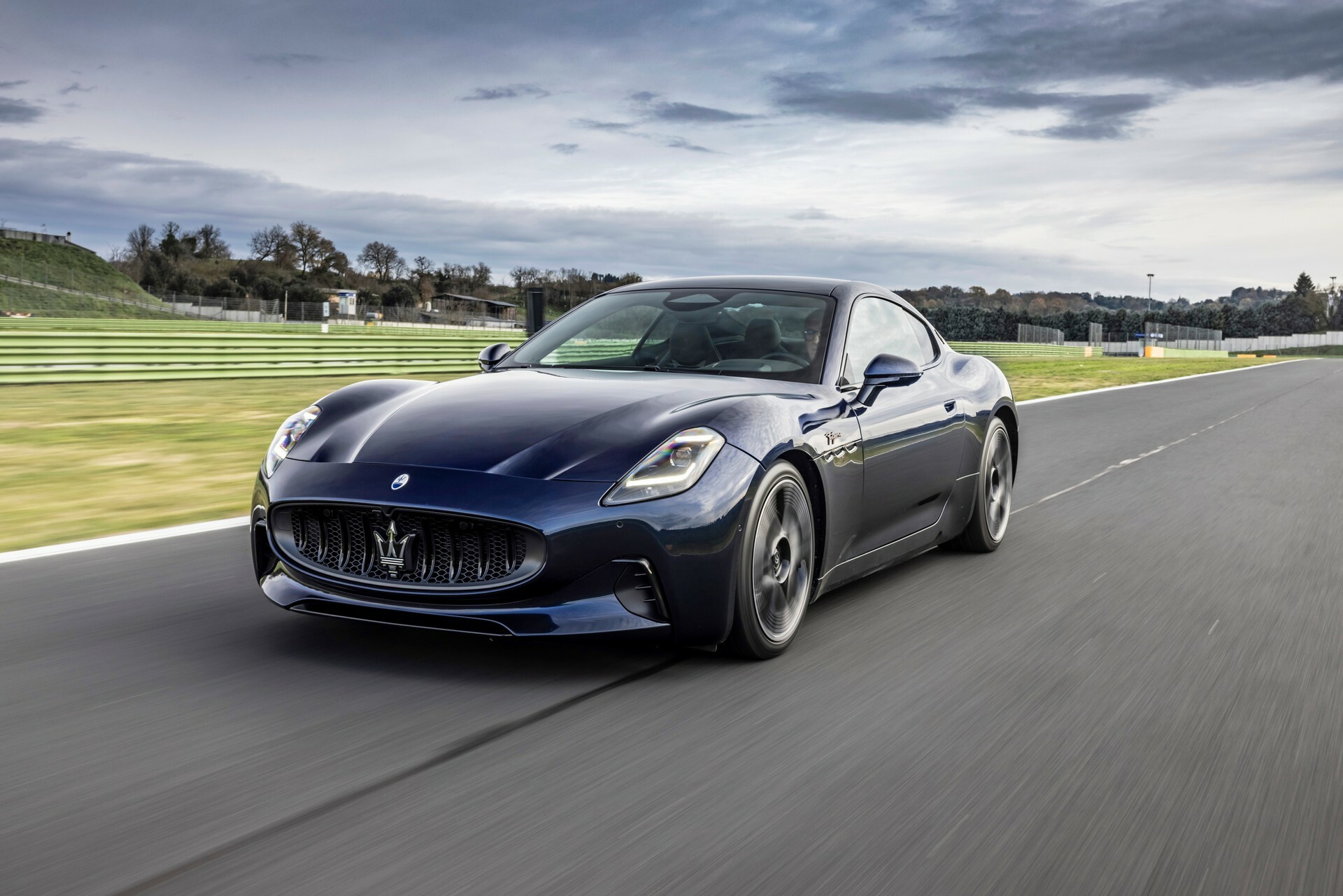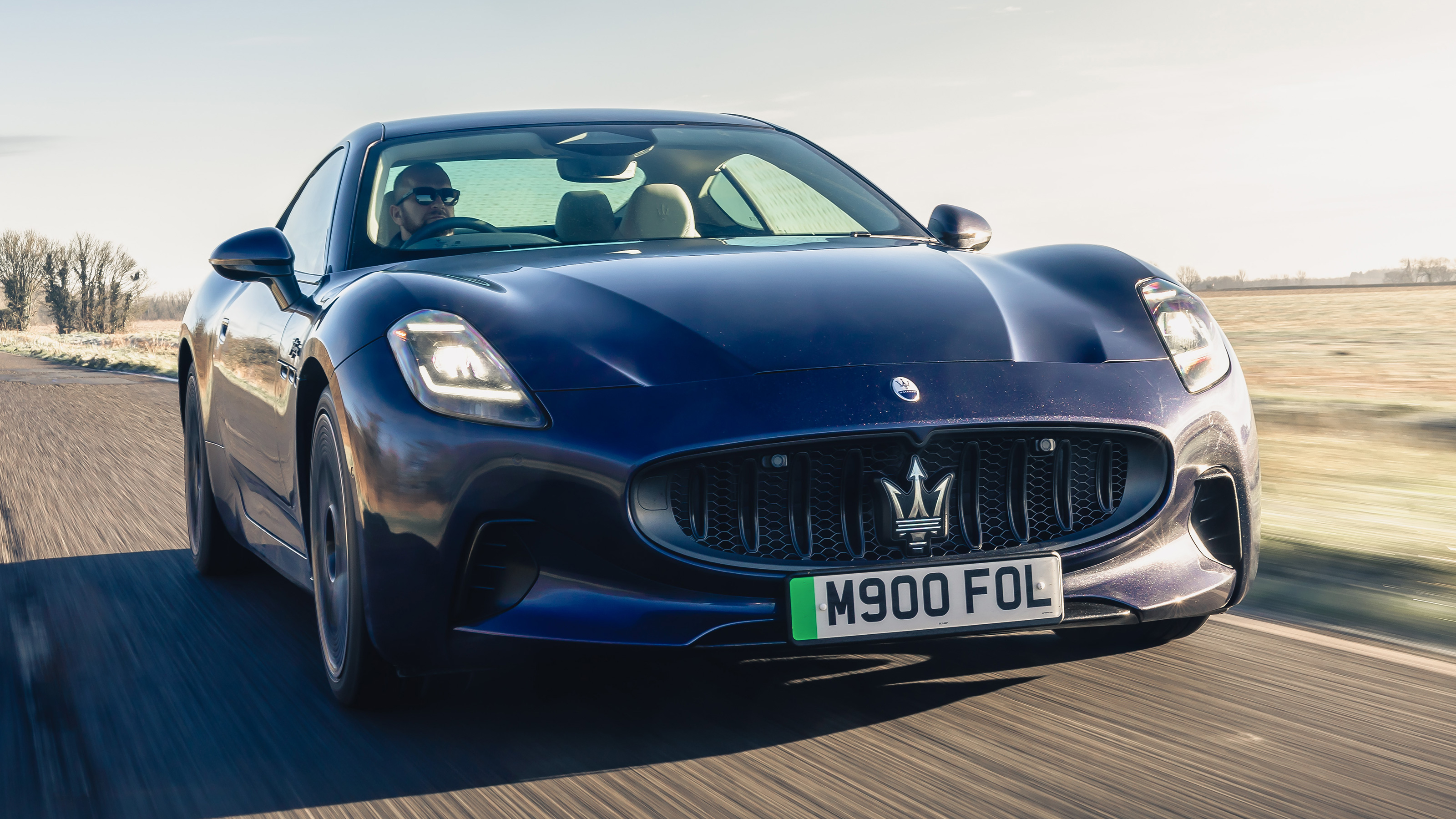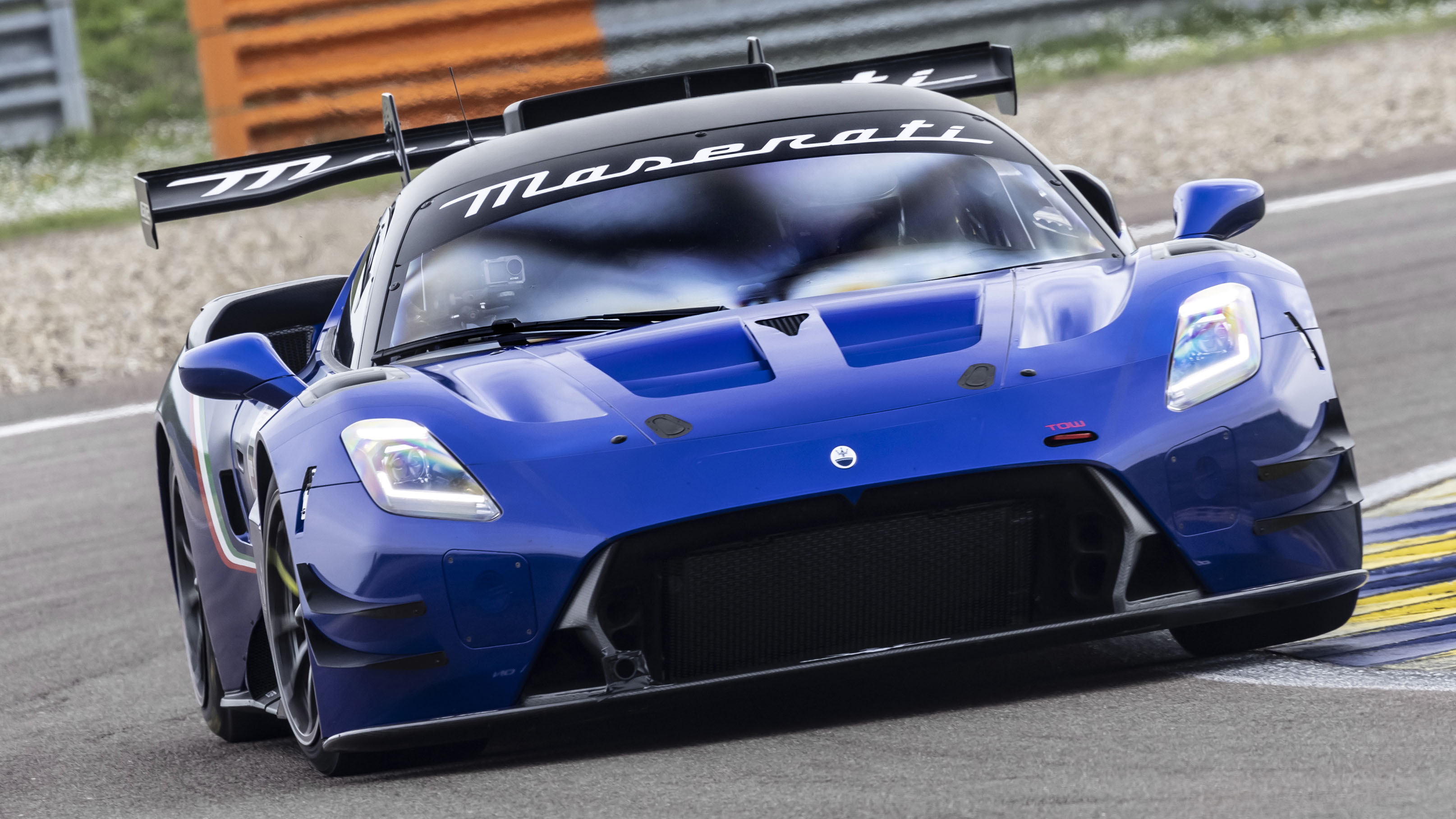
There is a particular kind of silence that falls over a paddock when a Maserati is quick. It is not the silence of indifference. It is the silence of people recalibrating their assumptions. This season, the Maserati GT2 gave them plenty of reason to. With Prette at the wheel, the Trident secured both the Masters Cup and the GT2 European Series by Pirelli championship — a double that validates Modena's return to customer racing and serves as a pointed reminder that when Maserati commits to building a competition machine, it still knows precisely what it is doing.
The GT2 is not a marketing exercise with a roll cage. It is a carbon-clad, Nettuno V6-derived weapon that has spent the season dismantling rivals with deeper racing pedigrees and bigger budgets. On track, the identity is crystalline. On the road, it is anything but.
A Race Car That Knows Exactly What It Is
Strip away the liveries and the lap times and what you find at the heart of the GT2 is clarity of purpose. The Nettuno V6 — Maserati's own engineering statement, born in the MC20 — provides the backbone. The carbon fibre provides the discipline. And the results provide the proof. This is a car built to a singular objective: go faster than everything else in its class. No committee debated whether it needed a cupholder. No focus group questioned its exhaust note. It exists to win, and it has.
That single-mindedness is precisely what makes the GT2 such an uncomfortable mirror for the rest of the company.
Meanwhile, in the Boardroom
The same marque that engineered a championship-winning race car is simultaneously fielding headlines about Huawei infotainment systems, JAC manufacturing partnerships, and Chinese-bodied electric vehicles finished in Italy. According to reports from Reuters, CarNewsChina, and others, this is the strategy Stellantis is pursuing to keep the brand alive. According to Automotive News, dealers are openly pleading with the factory for a clear identity.
When your franchised network — the people who actually sell your cars — is asking what, exactly, the brand stands for, the problem is no longer marketing. It is existential.
The forthcoming electric GranTurismo-derived GT and SUV, potentially underpinned by Chinese hardware and running HarmonyOS, may well be competent. They may even be profitable. But competence is not the currency Maserati trades in. The Trident has never survived on rational purchase decisions. It survives on desire — on the irrational pull of a Quattroporte exhaust note, on the silhouette of a Ghibli parked outside a Milanese café, on the feeling that you bought something nobody else could quite replicate.
The Weight of History
Racing has always been Maserati's most honest language. The Tipo 26. The 250F. The MC12. Machines that said everything about the brand without a single press release. The GT2 continues that lineage with genuine authority, and its championship haul is not a fluke of Balance of Performance or a fortunate calendar. It is the product of a company that, when pointed at a clear objective, still executes at world-class level.
The tragedy is that the road-car division has been pointed at so many objectives simultaneously that it now resembles a brand in search of a thesis. A Maserati assembled in China with Huawei software risks being a very good car that no one dreams about. And a brand that no one dreams about is a brand that no longer exists — regardless of what the badge says.
There is an uncomfortable symmetry here. The forthcoming Maserati biopic, arriving with a star-studded cast and prewar machinery, will celebrate the brothers who built racing cars before they built road cars. Meanwhile, the living company pins its survival on a Chinese manufacturing partnership and an electric crossover. The GT2, championship trophy in hand, sits awkwardly between those two poles — proof of what Maserati can still be, and a quiet rebuke of what it is becoming.
The Fix Is Not Retreat
Abandoning electrification or China is not the answer. The economics are unforgiving, and survival is not optional. The answer is to remember why the GT2 wins: because it was built with a singular purpose, not because it was built to satisfy a spreadsheet. Maserati's road cars need that same clarity — one unmistakable reason to exist, expressed in every line and every rev.
The race team has already shown the boardroom how it is done. The question is whether anyone in Modena is watching.